| Author |
 Replies: 13 / Views: 1,916 Replies: 13 / Views: 1,916 |
|
|
New Member
Israel
5 Posts |
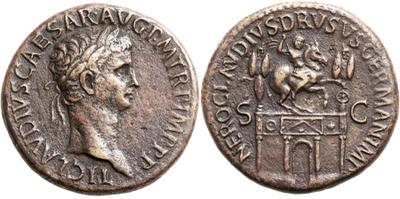
Hello. So if you remember my last post, an employee of mine here in Jerusalem has a Bedouin family and they go out looking for coins when it rains in the desert between Jerusalem and Jericho. This morning he showed me a photo of a coin his friend found this weekend.....so I took a photo of the photo - front and back. It's not clear, but anyone got any info on this coin? 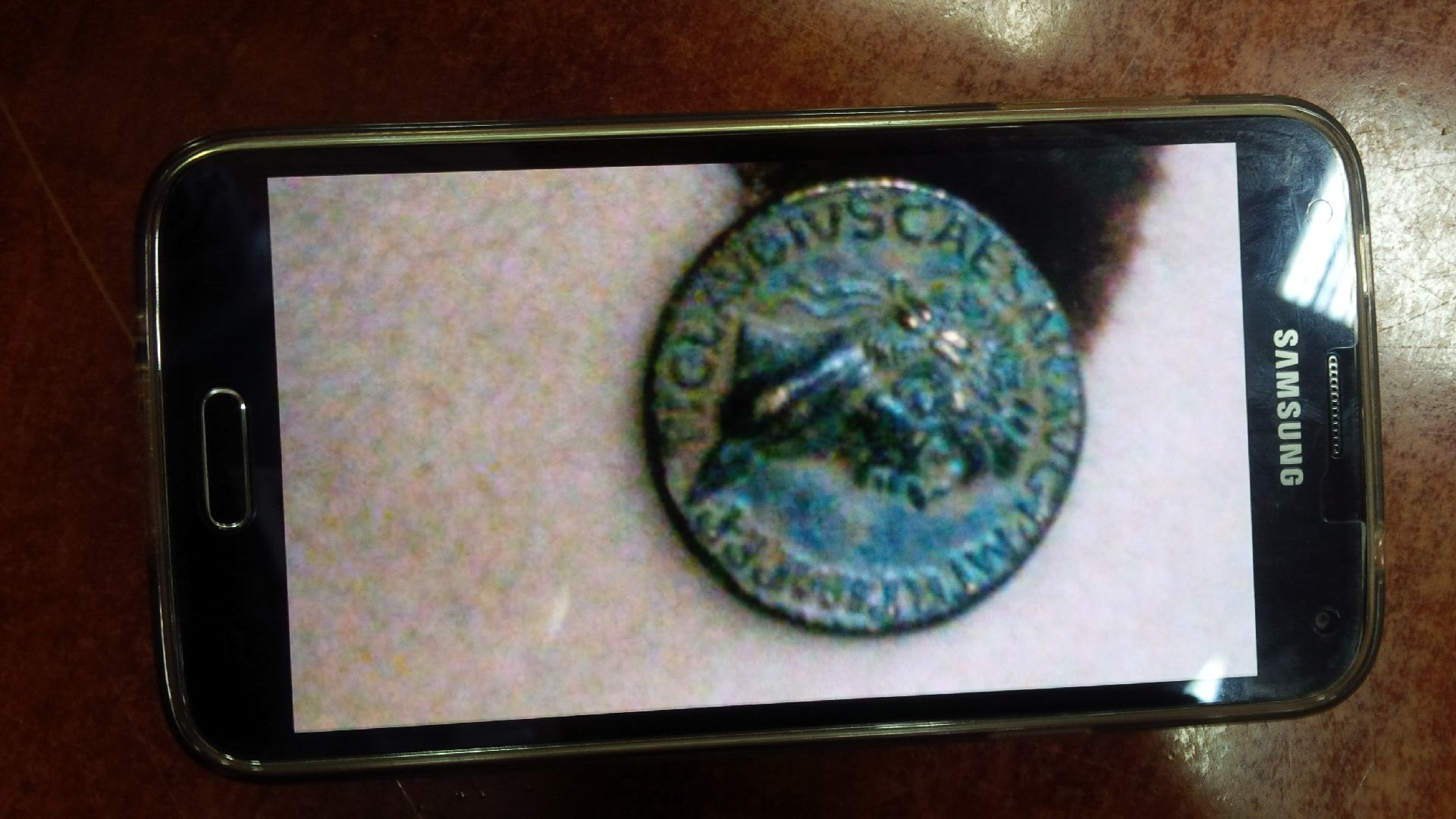 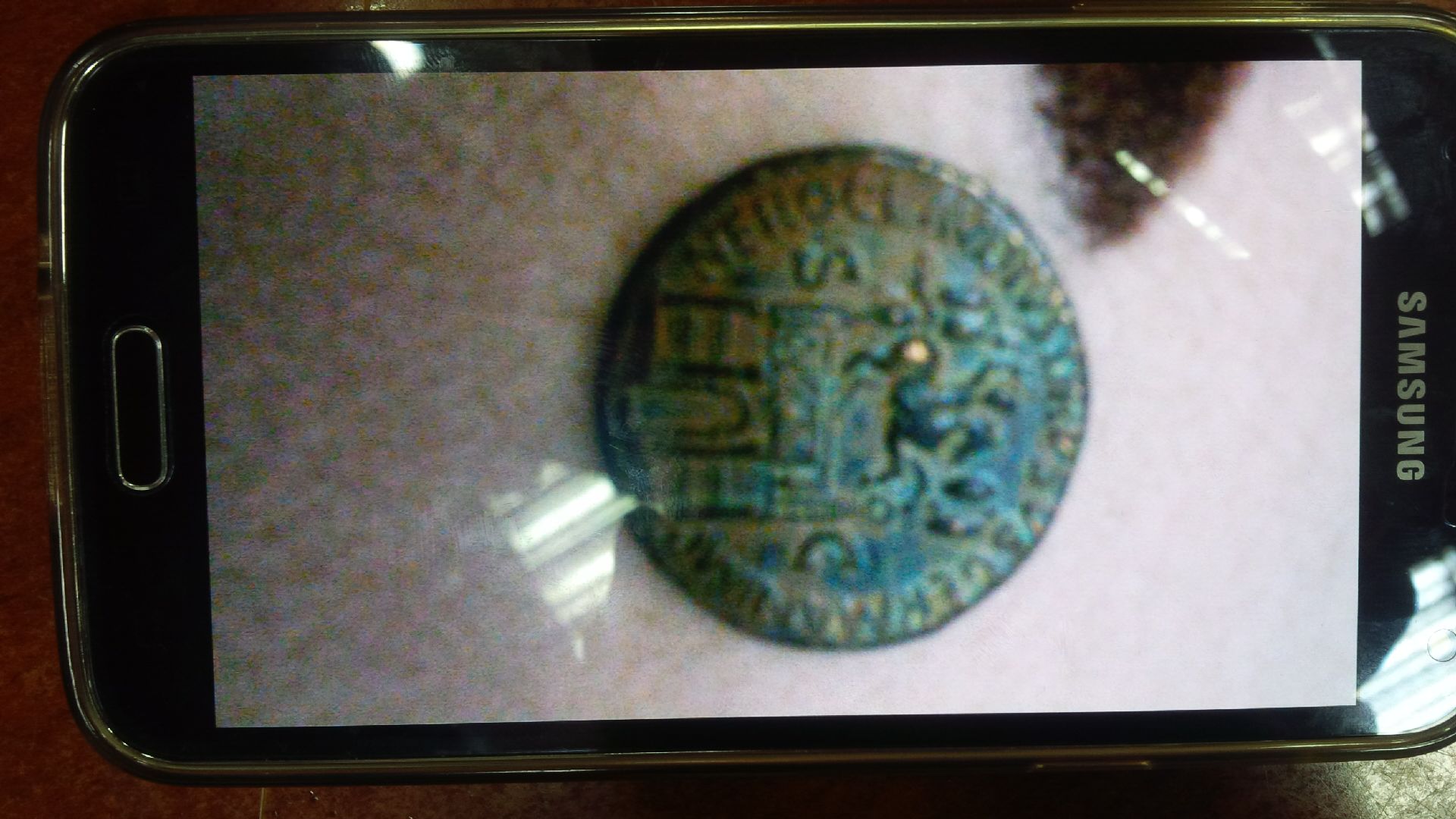 |
|
|
|
Pillar of the Community
United States
1047 Posts |
|
|
Valued Member
United States
311 Posts |
Ok so I've done a lot of traveling through the Middle East and North Africa and I understand fake ancient coins and selling them to tourists, but if this family is just out coin hunting in the desert, why would they find a fake coin? Is it a tourist area they are hunting in and had to pay a fee to go hunting? Or are they pulling the guys leg that made this post?
|
|
Pillar of the Community
United States
949 Posts |
Quote:
..., but if this family is just out coin hunting in the desert, why would they find a fake coin? Is it a tourist area they are hunting in and had to pay a fee to go hunting? Or are they pulling the guys leg that made this post? to your question: suppose you gave me a coin like this and we both thought it was authentic at the time; then later I was shown that it is just a tourist copy, I might very well be inclined to test my arm muscles with as big a toss into the wilderness as I could muster. I hope you understand that this line of questioning has no bearing on determining the authenticity of the coin. Why man made objects turn up in wild places may be beyond all imagining. Anecdotes about how a coin was found are often given as evidence for authenticity, but, even if they are not pure fabrications themselves, those stories don't prove the coin. The design and manufacture features of the coin give the best information about authenticity. |
|
New Member
 Israel
5 Posts |
How can you tell it is fake. What are you seeing to show its fake?
|
|
Valued Member
United States
311 Posts |
Irbguy - I understand and your explains ruin makes sense... But I was asking out of speculation I know how to use my spidey senses to spot a fake...
|
|
Valued Member
United States
311 Posts |
Grawburg - to me it starts with the composition... Metal doesn't look right, looks like brass... And it looks like it was aged by means of paint or enamel... Then the details are too nice for such a soft metal to have sent over 1000 years rubbing around in the sand and elements... But honestly it takes having a fake or two in your hands to really be able to tell the difference... A real ancient coin has a certain look to it that you can't really fake... While tourist fakes are just as easily distinguishable
|
|
Rest in Peace
United States
17900 Posts |
Note the places on the high points that show BRIGHT copper.
This is indicative of an artificially toned coin that has such a thin patination of fake toning that the slightest slide breaks through.
And there are many many other reasons why this is easily classified as counterfeit. This is a numismatic counterfeit (made to fool collectors), not a tourist copy.
|
|
Moderator
 United States
23731 Posts |
I attempted to edit your images a bit. I agree with the others that this is a fake. Take a look at the edge if you see a line around the middle it is also and indication of a cast fake. 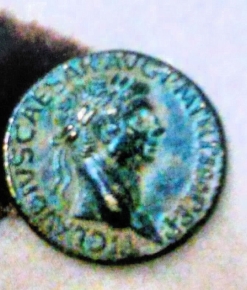 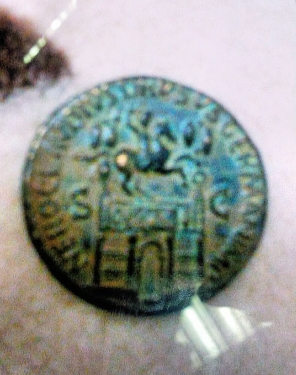 |
|
Moderator
Australia
16996 Posts |
I agree that the coin is definitely a fake. Besides the reasons already named, consider this: - Coinage in the early Roman Empire was not like the coinage system in a modern empire like America or Russia. It was not unified. While "Roman Imperial" silver and gold coins were used throughout the Empire, "Roman Imperial" bronze coinage was an entirely local phenomenon. In the time of Claudius, "Roman" bronzes circulated only in the provinces immediately surrounding the Imperial mint: Italy, France, Spain and Britain. The eastern half of the Empire made do with "local" or "Roman Provincial" coinages. So finding a genuine Roman Imperial sestertius in the Judaean wilderness is very, very improbable. - These coins, if genuine, are very, very valuable; they are a large, nicely designed coin from a famous emperor (Claudius) who was one of the Twelve Caesars, and thus are very popular with collectors. The coin posted above by Biancasdad sold at auction in 2013 for US$1200. Now, the Bedouin family might live in the desert, but they're not stupid and they're not ignorant. These days they almost certainly have the Internet, and can access Google and ebay just as easily as we can. Anyone actually finding a coin like this can easily discover these facts and anyone who makes a living out of "finding old coins" almost certainly would do so as a routine measure. They would not then on-sell such a coin they know to be valuable for a few dollars. - Israel, like most other countries in the Mediterranean, has laws in place preventing the wholesale looting of archaeological sites and the selling of artifacts. While the laws in Israel are kinder to collectors than in most neighbouring countries, they're just as strict on the finders and sellers. It's still not legal to simply go out, "find coins" and sell them. You need a license to sell antiquities and they don't give out licenses easily - you have to prove to the Israeli government that you aren't the sort of person who will collaborate with looters. There certainly are unlicensed people who go out and dig up coins like this, but they're not likely to go around showing those coins to anyone else in Israel - they'll try to smuggle them out of the country. So what do we make of the story of the Bedouin family involved in this coin's discovery? The following are possibilities: - They are lying, and are knowingly "finding" and selling fake coins. - They have in turn been lied to and are being used as believable pawns by the people actually making and selling these fakes. - They are innocent locals who have stumbled upon a "tourist trap" of fake coins and are exploiting it for themselves, unaware that the coins are in fact fake. - They are part of an unusually ignorant and careless illegal looting and artifact smuggling operation, who do not know fake coins when they find them. Don't say "infinitely" when you mean "very"; otherwise, you'll have no word left when you want to talk about something really infinite. - C. S. Lewis
|
|
Valued Member
United States
265 Posts |
Came in with THUNDER, Sap. Well said.
|
|
New Member
Israel
5 Posts |
Very interesting discussion. I'm learning a lot. Thanks for everyone taking the time to help me.
Let me make sure I'm clear - the folks finding these coins are not selling them or smuggling them or looting. Sap - NO WHERE did I say they were selling the coins. Where did you come up with that?
In fact, I asked if he'd sell me the coin and the answer I got was no. It's only because my colleague knows I like coins and history that he started getting his friend to send the pictures. These folks are Arab Bedouins - the guy finding the coins sells his sheep to a local Arab butcher in Jericho. There's no coin selling ring here.
I did ask a few more questions and learned that the place he finds the coins is not far (1/4 mile) from the entrance to a hiking trail in the desert. Having hiked the trail, I've occasionally seen locals selling trinkets to hikers. My friend and I are guessing that at some point a local was selling coins at the entrance to the trail and just dumped them when they didn't sell. Over time, with rain, they've ended up down stream and they've been discovered - I'm guessing....
|
|
Valued Member
United States
265 Posts |
We all know anything can happen, there's a 1000 different reasons those coins could be there, and 100 more why they shouldn't be I think Sap was just stating the most obvious to him.
|
|
Bedrock of the Community
Australia
21792 Posts |
'Find' stories such as this one need to be independently verifiable, (and that can be almost impossible), otherwise they are very difficult to believe.
If that cannot be done, then other methods of verification by numismatic professionals have to be used.
|
| |
Replies: 13 / Views: 1,916 |
|










 Posted 03/09/2016 09:21 am


