







 hm4obv.jpg
 hm4rev.jpg
 hm5obv.jpg
 hm6obv.jpg
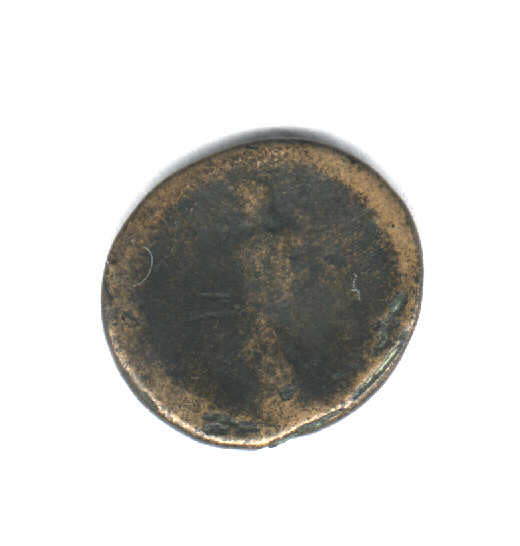 hm6rev.jpg


 Posted 02/18/2008 04:02 am


Coins without writing are always the trickiest to attribute. Archaeologists have to rely on hoard evidence to determine the city of origin, and in many cases, nobody knows where such coins came from - there's a whole series of Cilician coins that are simply attributed "from an unknown Cilician mint" for this reason.
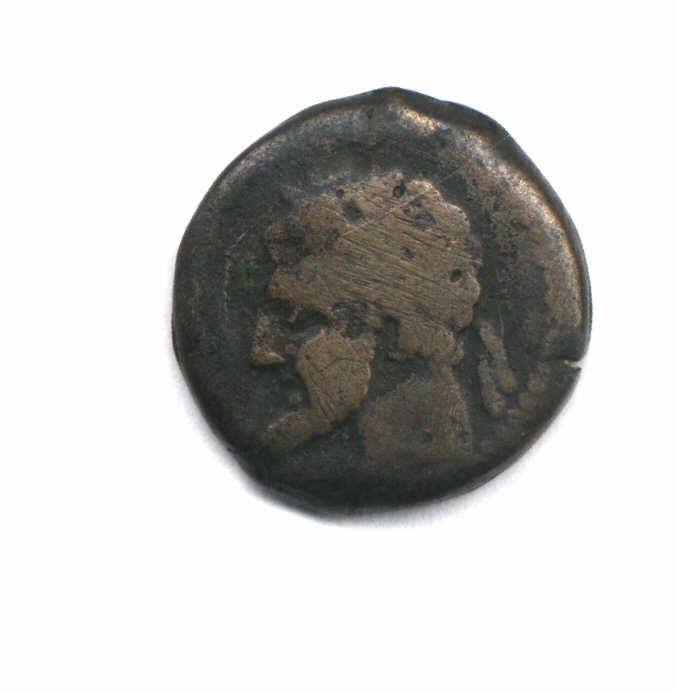
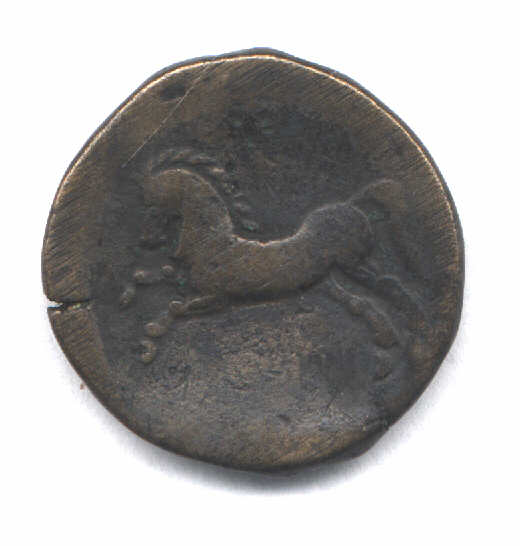
#1: I found this one on CoinArchives by typing "horse AND bronze" into the search, and trawling through the results. It seems to be a close match: Kingdom of Numidia (in North Africa, mostly correlating to the coast of modern Algeria), King Micipsa, 148-118 BC. I'm a bit worried about the file marks on both sides, though.
#2: um, you've put two links to the same obverse pic.
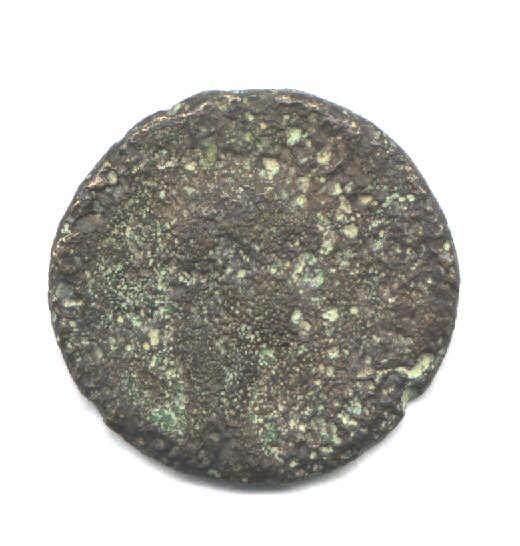
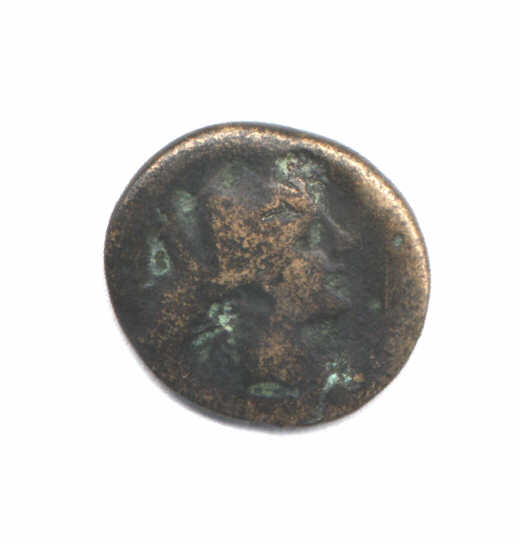
#3: Sorry, there's not enough information left for me to hazard a guess as to what's on the reverse. Obverse looks like a Tyche of some sort, which doesn't help - just about everyone put Tyche on their coins.
#1: I found this one on CoinArchives by typing "horse AND bronze" into the search, and trawling through the results. It seems to be a close match: Kingdom of Numidia (in North Africa, mostly correlating to the coast of modern Algeria), King Micipsa, 148-118 BC. I'm a bit worried about the file marks on both sides, though.
#2: um, you've put two links to the same obverse pic.
#3: Sorry, there's not enough information left for me to hazard a guess as to what's on the reverse. Obverse looks like a Tyche of some sort, which doesn't help - just about everyone put Tyche on their coins.
Don't say "infinitely" when you mean "very"; otherwise, you'll have no word left when you want to talk about something really infinite. - C. S. Lewis


