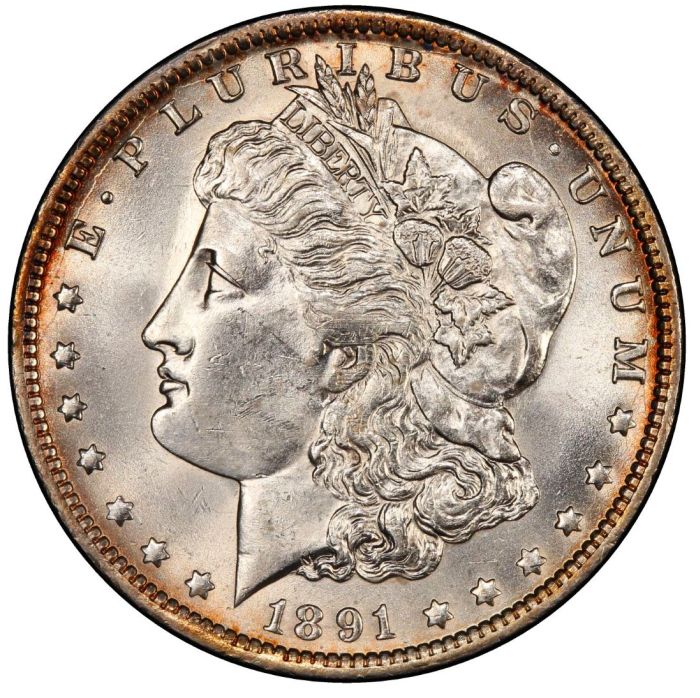
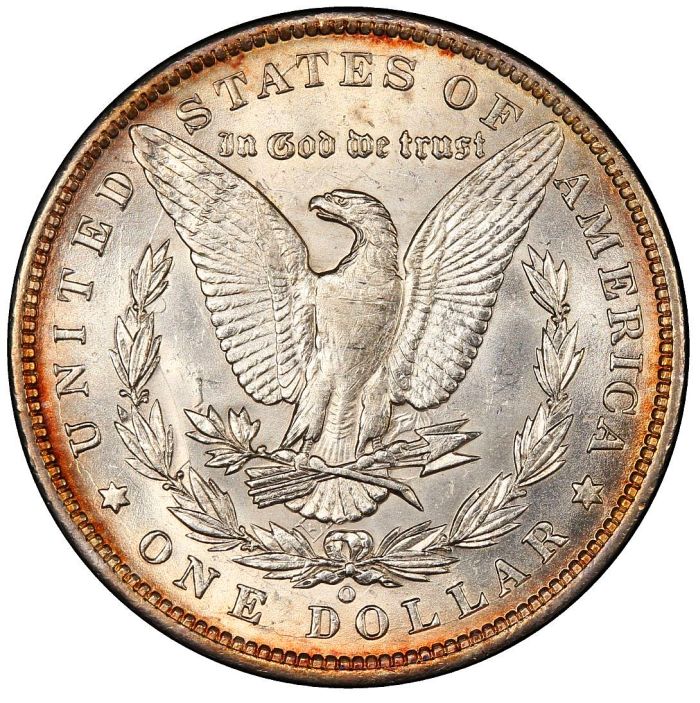
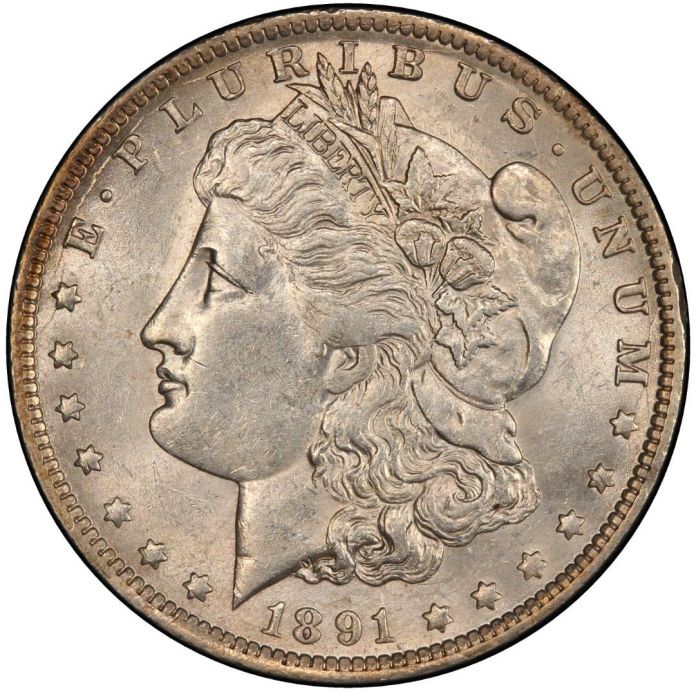
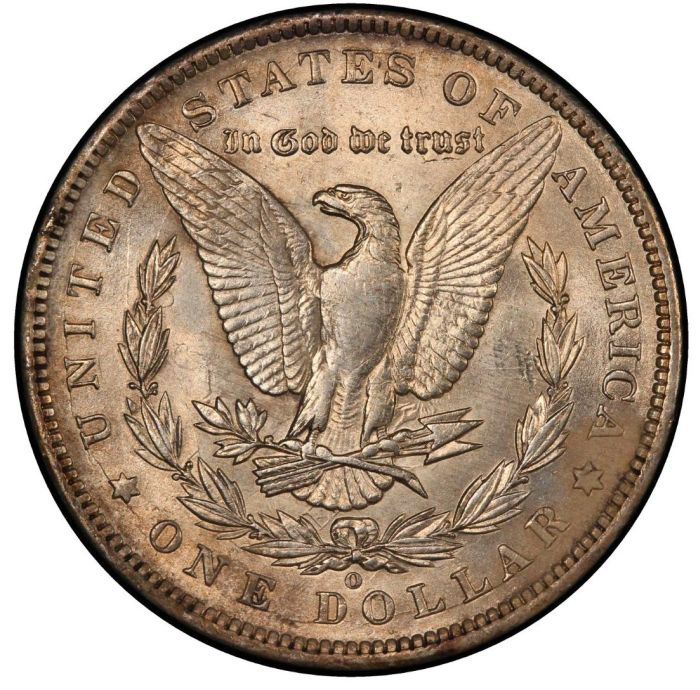
OK This is where metallurgy, in the minting process really comes into playThe dies manufactured by the US mint where produced with tool steel, but the grade or exact type I don't know with any real certainty.
What we are sure about is the dynamics in the minting process. We know that working hubs where manufactured, and the working hubs where hammered into the working die blanks to create the working dies. When you take steel or any metal and heat it up an hammer it into an object, its commonly referred to as "Forging". In this process one is compressing the metals molecules, making the metal denser and harder "this is somethings referred to as Work Hardening".
Like a hammer hitting a nail, the hammer will drive in a softer steel nail. But if you take 2 hammers and hit them together with force, the hammer faces can and do chip and sometimes will shatter. "Don't try this at home".
That's where heat treating come into play. Heat treating is where dies are placed into an oven and heated to a given temperature for a given amount of time. In this process the metal is allowed to expand, effectively relieving the stresses of the compression of the forging process.
Take a balloon and blow it up. If you put the balloon in a refrigerator you will see that it will shrink, pull it out it will expand. As something is cooled the molecules slow down, warm them up and they become excited. If you take that balloon and put it into and out of the refrigerator a dozen times you will see that the balloon it's self will of changed well beyond what a balloon looks like when you just let the air out. Similar changes happen with everything, sit in the Sun for a few years and look at you skin

Heat treating is not the same as a hardening process. If someone wished to harden a piece of tool steel, you would heat it up to be "Red Hot" and flash cool it with oil or water or sometimes air cooling is done. When you heat treat something the temperature is normally set at around 600 to 800 degrees and the time in the oven is measured in hours.
One would think that if you have 50 dies in an oven for 4 hours or so, every die would receive the same relief effect. That thought is "Not True". Even today when aircraft parts are heat treated and certified their location in the oven or position is noted in the certification.
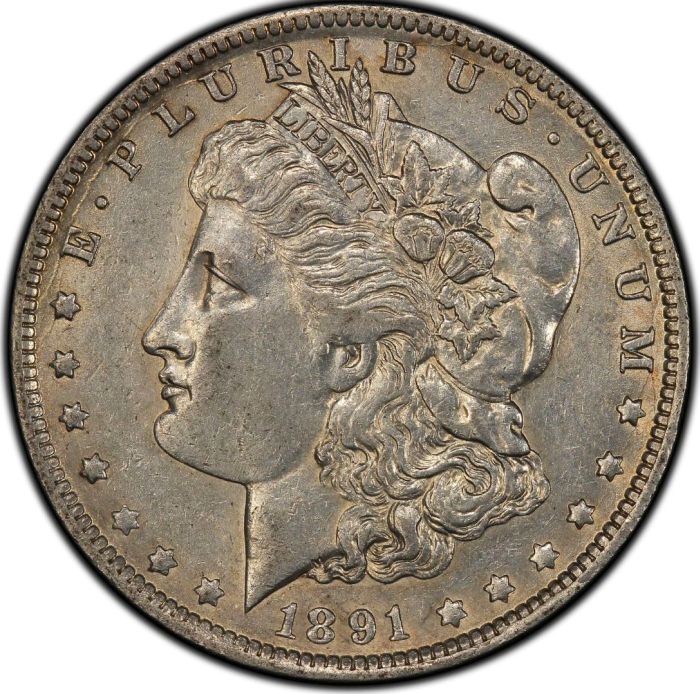
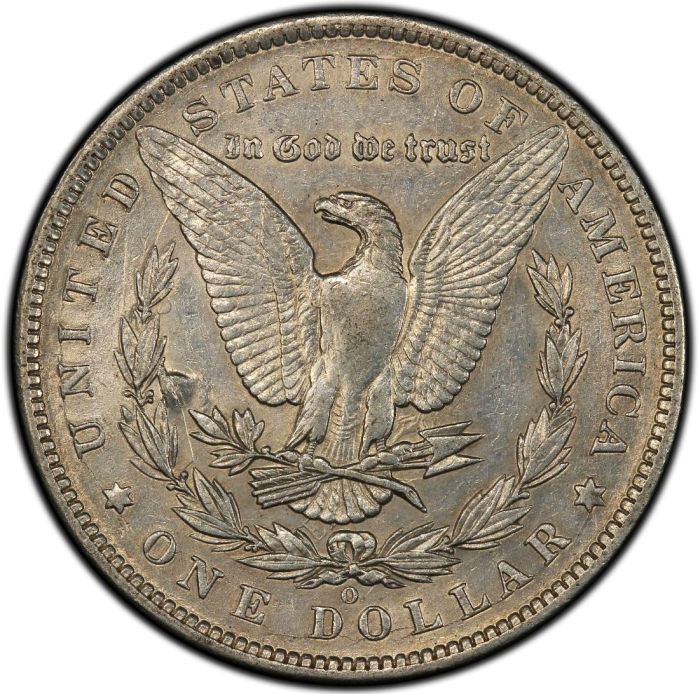
My personal thought is that some dies and parts of some dies where over heated, by the position in the oven they where in at the time of heat treating. The reverse die of the 1891 VAM-19 is a great example of a die collapsing into it's self.
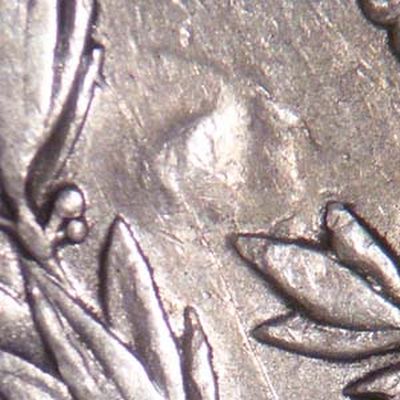
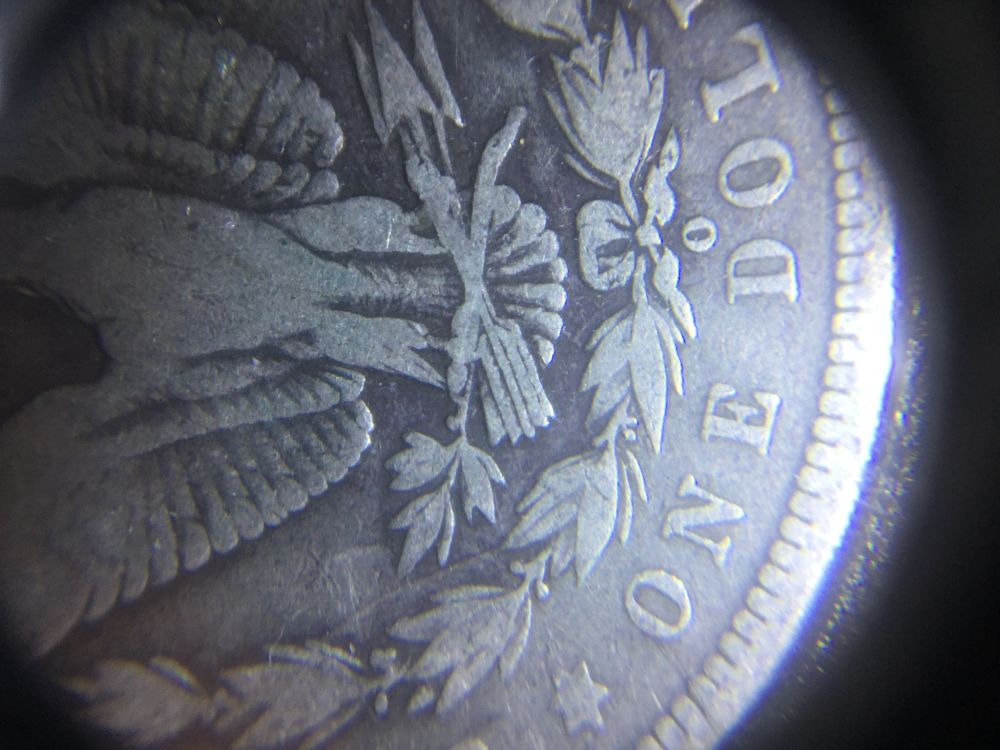
As far as the E Clashed set, the 1891 O
VAM 1a group is a prime example of opposing dies having a Defined difference in hardness.
The reveres die has had the opposing die clash so hard and deep that the "BERT" looks to be part of design in the relief. Yet the obverse die, while having the lower wreath clashing the depth of this counter class is far less dramatic.
Leaving us with a few solid facts!
1) Die's had different hardness's
2) Based on the number of 1878 dies that where breaking apart, stress relieving the dies was done to enhance die life.
As fare as Annealing the die's, I spoke with Leroy Van Allen about this vary thing a few weeks ago. Annealing is a process where the dies heated up and allowed to cool. So the metal is a little softer, heat treating the dies is almost the same thing. It comes down to the time in the oven and the temperature.








 First Page


 Posted 01/25/2017 12:36 am