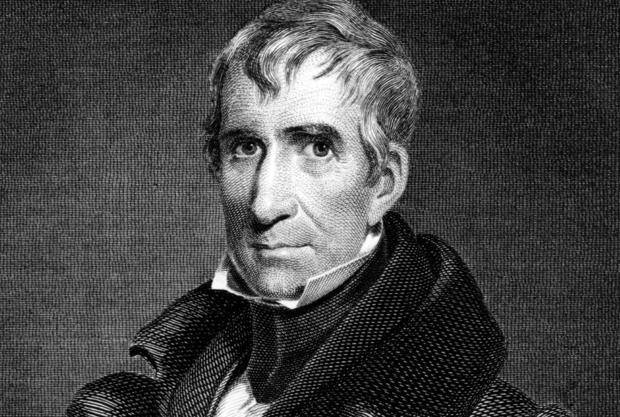
I think I have an Edward VIII coin somewhere, but I doubt I could find it quickly enough.
So, instead, I'm showing you this coin, which happened to be within easy reach on my desk...
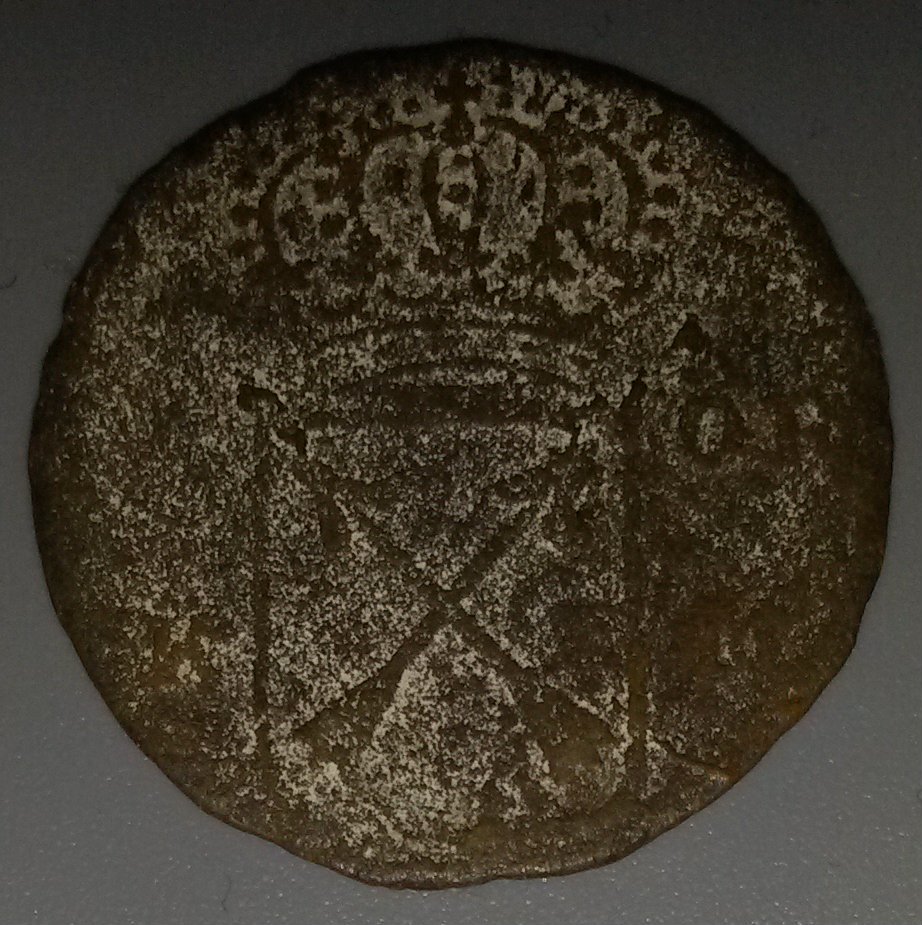
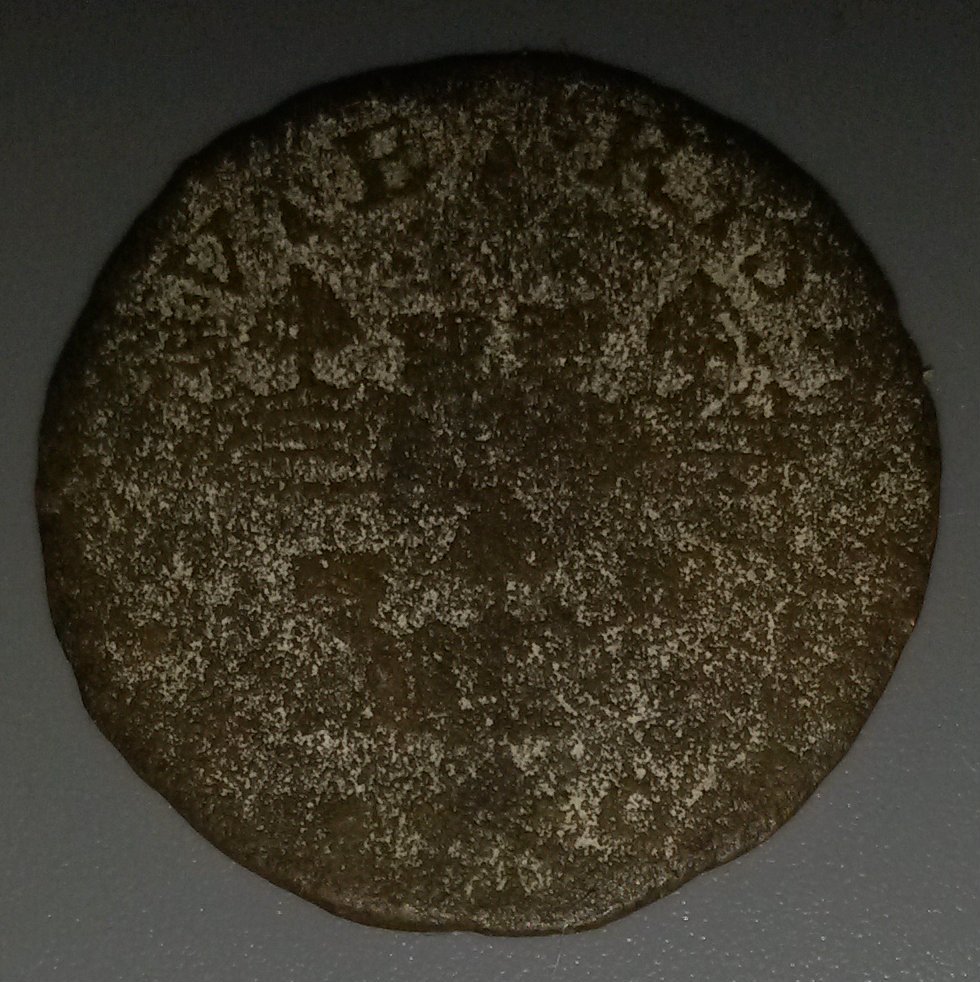
Ulrika Eleonora of Sweden, December 5, 1718 - February 29, 1720 (a reign of just under 15 months)
1 öre kopparmynt, 1719-20 (date unclear on this example)
https://en.numista.com/catalogue/pieces60264.html(Note: the following description is summarized from Wikipedia. It is also very long and very rambling, and in places probably wrong.)
Ulrika Eleonora of Sweden was born in 1688, as the second daughter of Charles XI. Not considered especially intelligent or attractive, she was mostly overlooked in favor of her older sister Hedvig Sophia.
As her brother Charles XII was unmarried and childless, Hedvig Sophia was expected to inherit the throne.
This all changed when Hedvig Sophia died in 1708. Suddenly, Ulrika Eleonora was the only remaining adult heir (aside from her elderly grandmother). However, her 8-year-old nephew Charles Frederick of Holstein-Gottorp was technically ahead of her in line by primogeniture succession.
Normally this would be enough to declare him the heir. However, in Sweden, hereditary monarchy had only been established in 1660; previously, the monarchy had been elective.
As such, the rules of inheritance had not yet been settled down, and an adult sister of a king could have had precedence over his not-yet-adult nephew.
Meanwhile, Charles XII himself had ended up in exile in the Ottoman Empire, having barely escaped after the disastrous battle of Poltava in 1709. As the main adult heir, Ulrika Eleonora was eventually named his regent in 1713.
In 1714, Charles XII was allowed to return to Sweden; however, he then proceeded to invade Norway in 1716, and, having been commanding the army at the frontlines, ended up mostly absent from the capital again, while Ulrika Eleonora apparently continued her regency (I think; Wikipedia is vague at this point).
In the meantime, in January 1714, Ulrika Eleonora became engaged to Prince Frederick of Hesse-Kassel, whom she apparently loved; they married in March 1715. It was expected (mainly by her scheming grandmother, then 78 years old) that this marriage would make her leave to Hesse and abandon any plans for the Swedish crown. However, this didn't exactly work out.
On November 24, 1715, Ulrika Eleonora's grandmother died. Almost immediately - perhaps even a little earlier than that - Frederick started plotting to take the Swedish throne for himself as Ulrika Eleonora's heir. Naturally, neither of them left to Hesse.
Charles XII died, in somewhat mysterious circumstances, on November 30, 1718. Five days later, on December 5th, the news made it to Sweden and Ulrika Eleonora.
Having already been the regent at the time, she took the opportunity to officially declare herself the new monarch, on the grounds of being the closest living relative of the previous king (citing the precedent of Queen Christina in the 17th century).
Ten more days later, on December 15, 1718, she declared that she was willing to abolish the hereditary succession (introduced in 1660) and the absolute monarchy (1680), and reign as an elected monarch under parliamentary rule. She was duly elected on January 23, 1719; she then proceeded to sign the new constitution heavily reducing the monarch's powers on February 19th, and was officially crowned on March 17th.
However, she apparently did not have that much interest in being the monarch, and in particular had no problem with her husband's ambitions to that title. She had proposed a co-monarch system along the lines of William and Mary of England; however, this was apparently not allowed under Swedish traditions.
Eventually, however, when the Riksdag realized that Ulrika Eleonora and Frederick were basically de facto co-monarchs anyway, having been discussing most matters of state between them, a compromise was reached that she would abdicate in favor of her husband, leaving him as the official sole monarch.
On February 29, 1720, after the failure of yet another attempt at making them officially rule together, she did just that, with the added clause that she would be her husband's heir and succeed to the throne should he die before her. (As it happened, their marriage was childless, so he never got any direct legitimate heirs anyway.)
She never got around to fulfilling that clause, having died of smallpox in 1741, ten years before the death of her successor.
In one of history's weird ironies, the above-mentioned nephew, Charles Frederick of Holstein-Gottorp, managed to bring his family into historical fame anyway by marrying Anna Petrovna of Russia, a daughter of Peter the Great.
After the first several rounds of the Russian palace coups, their son, Carl Peter Ulrich of Holstein-Gottorp, ended up the only possible remaining (non-imprisoned) Romanov heir, and succeeded to the Russian throne as Peter III on January 5, 1762.
He then proceeded to get overthrown by his wife Sophia Augusta Frederika of Anhalt-Zerbst (aka Catherine II) on July 9, 1762, having reigned for a grand total of six months and four days.
Sadly, my collection does not (currently) include any coinage from his reign (except for some overstruck coppers, which don't really count).
As it happened, Carl Peter Ulrich's "last remaining Russian heir" position led the Swedish Riksdag to propose a member of the Holstein-Gottorp dynasty as the heir for the Swedish throne after Ulrika Eleonora died; said member, Adolf Frederick of Holstein-Gottorp, proceeded to get said throne after Frederick I's death in 1751.
In turn, Adolf Frederick's successor, Gustav III, apparently ended up reintroducing the absolute and hereditary monarchy. But that is another story entirely.
...Sorry for the long rambling story. I think I suck at writing.
As a final note, this coin is listed under 1720 in my Numista collection (though with the comment "date uncertain"), but looking at it in hand again and comparing it with the Numista page picture, I suspect that it might actually be 1719. (I have another 1720 example in my collection, but I don't recall where exactly it might be, or indeed how I determined its date.)
In the coin description in this post, I decided to hedge my bets and put it as "1719-20, date unclear".





 First Page
 Previous Page


 Posted 08/09/2018 10:51 am