| Author |
 Replies: 16 / Views: 1,634 Replies: 16 / Views: 1,634 |
|
Pillar of the Community
United States
5196 Posts |
never found a cent ( with gas bubbles) worst than this one, look like it's ready to pop. 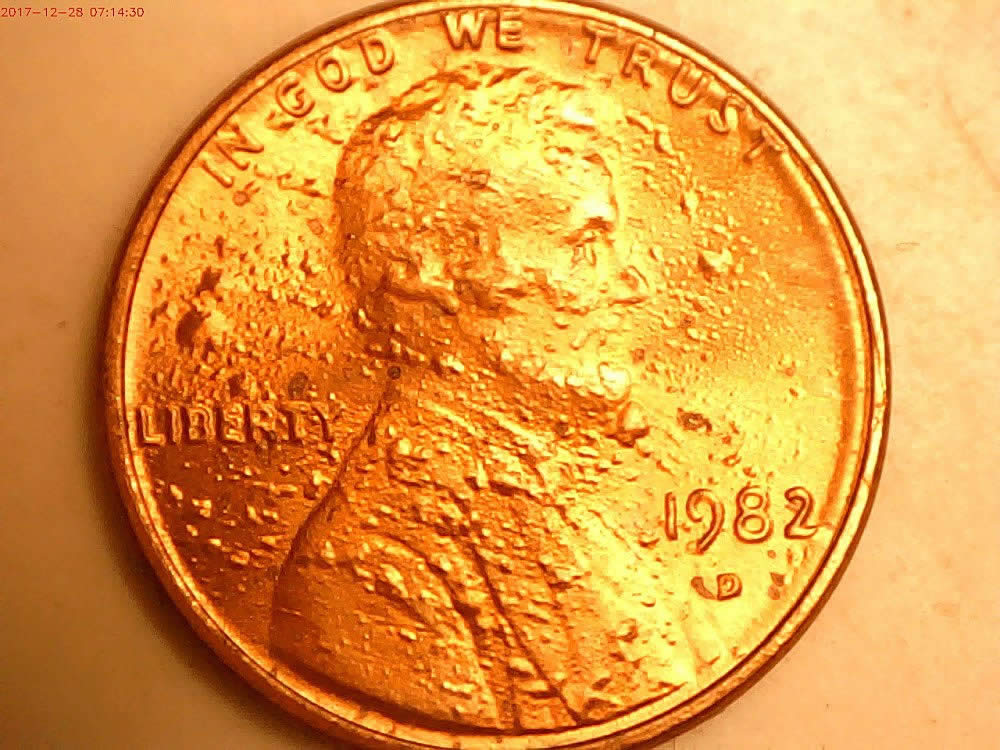 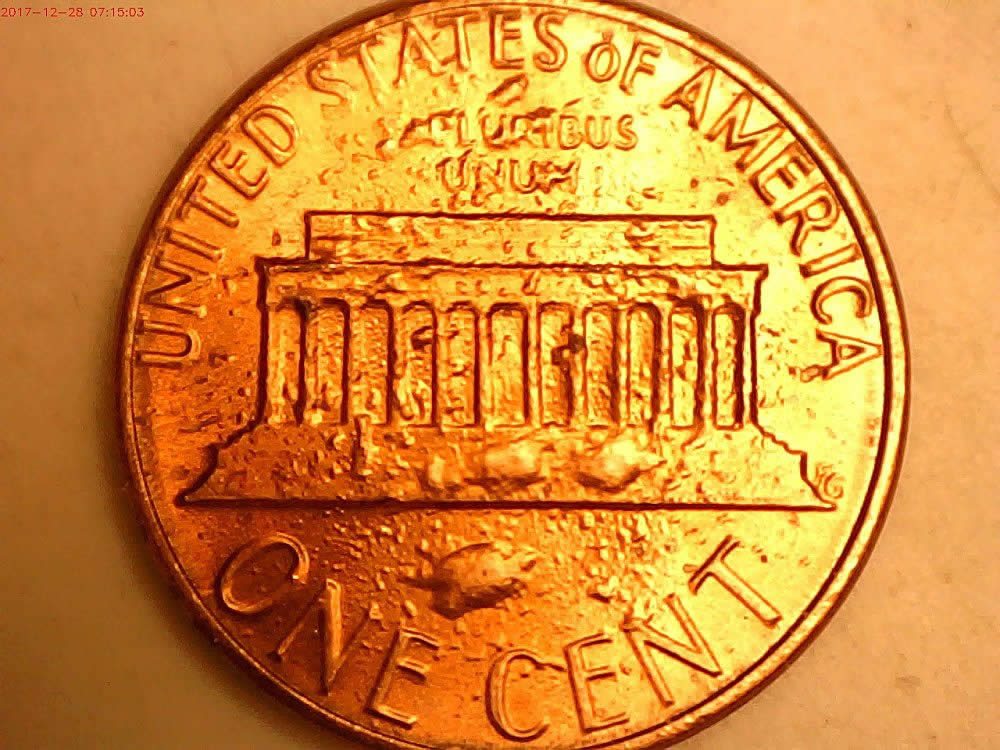 |
|
|
|
Pillar of the Community
United States
5825 Posts |
I'd keep it as an excellent example of how bad cladding separation can be.
|
|
Pillar of the Community
 United States
5196 Posts |
it's already on a 2x2 just for that purpose.
|
|
Pillar of the Community
United States
1386 Posts |
If you'd like to speed the process up you can try this. I left one in acetone overnight ( when I was using acetone) and the next day all the bubbles had popped.
|
|
Rest in Peace
United States
17900 Posts |
|
|
Bedrock of the Community
United States
94367 Posts |
|
|
Pillar of the Community
7234 Posts |
Never saw one that bad - thanks for posting.
|
|
New Member
United States
20 Posts |
@kanga I see the term "cladding" and "plating" being used interchangeably for copper-plated zinc cents. I've read the gospel according to Coop: "There is no cladding on a cent. They are plated." — http://goccf.com/t/263243#2222948 . I'm still learning the basics and have been using the term "cladding" myself, but now I'm considering using "electrochemically-deposited copper layer"  |
|
Pillar of the Community
United States
1901 Posts |
Very attractive coin you got there Lincolns teenage years
|
|
Moderator
 United States
195810 Posts |
|
|
Rest in Peace
United States
1559 Posts |
That one is plagued with gas bubbles, worse I've seen. Reminds of a bad sunburn I had when I was in elementary school, ouch!  |
|
Rest in Peace
10197 Posts |
Isn't the main difference in how the blanks are produced why the terms are not interchangeable? The "Cladding" process applies a layer of CuNi to the stock plate, of which then the "blanks" are cut. The "plating" process adds the copper after the blank is cut from a stock sheet of zinc. Bother then go through an "upsetting" process to make the proto-rims. The difference here is the rim. If cents were"clad" you would see a zinc/copper "sandwich". Accuracy will get ya every time folks!
|
|
Moderator
United States
195810 Posts |
Quote:
The "Cladding" process applies a layer of CuNi to the stock plate Not a completely accurate description. The outer CuNi layers are not plating. The three somewhat equally thick layers are bonded under high pressure and formed into coil rolls from which the blanks are punched. Quote:
The "plating" process adds the copper after the blank is cut from a stock sheet of zinc. This is correct. That being said, your basic premise is also correct. Clad coins show their core on the edge because cladding occurs before the punch. Zinc cents show no core because they plating occurs after the punch. For what it is wroth, the 1943 steel cents were plated before they were punch, so you could see exposed steel on the edged. |
|
Pillar of the Community
United States
939 Posts |
Oh wow. That one is even worse than mine. Sweet find 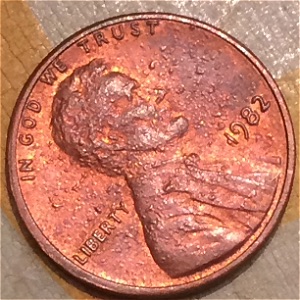 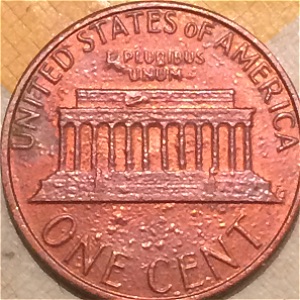 |
|
Moderator
United States
195810 Posts |
It is spreading!  |
|
Pillar of the Community
United States
939 Posts |
Hahaha jbuck. Don't rub this on your cents!! Must be protected by 2x2 or your cents may catch the blister cent virus.
|
| |
Replies: 16 / Views: 1,634 |






 Posted 12/28/2017 08:54 am





