

 Posted 04/16/2018 10:42 pm


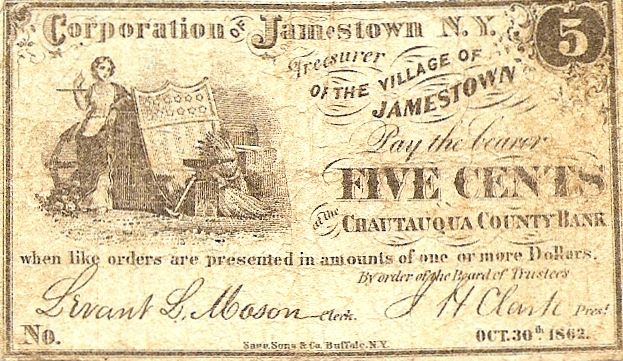
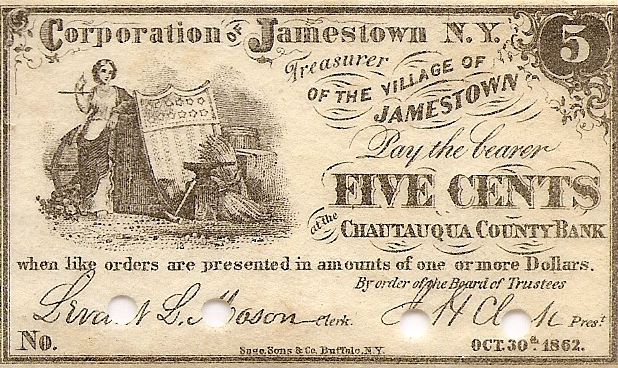
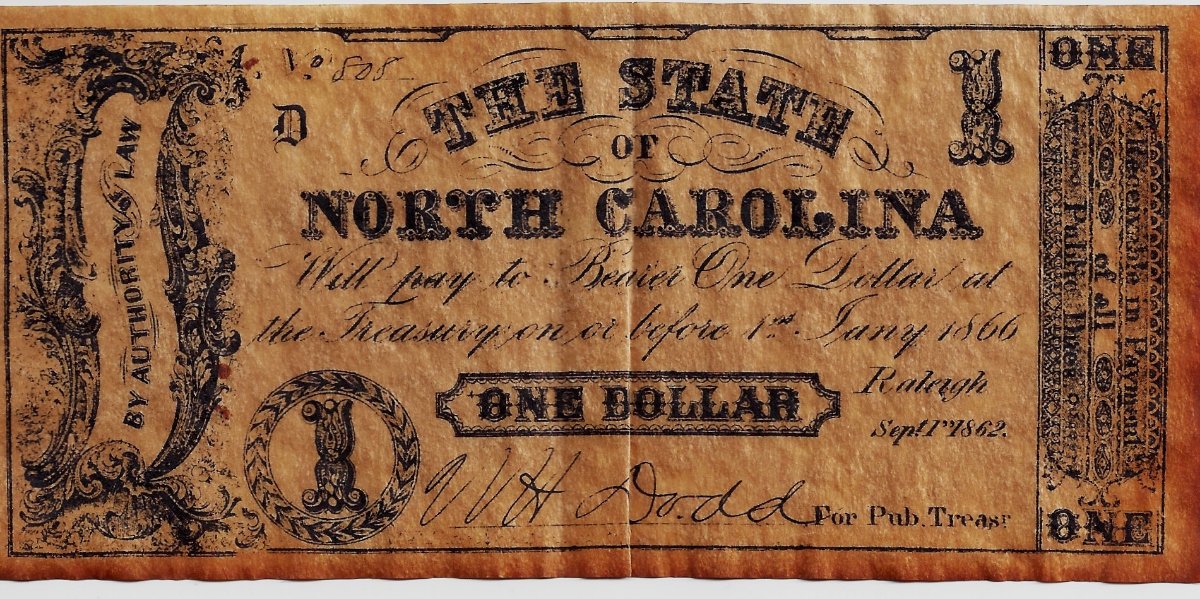
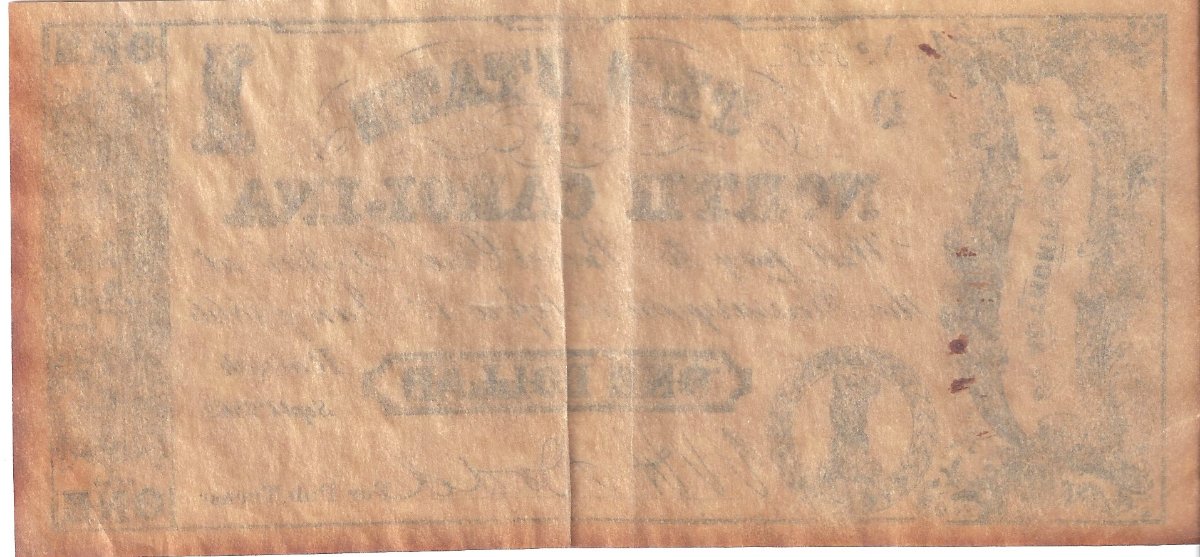
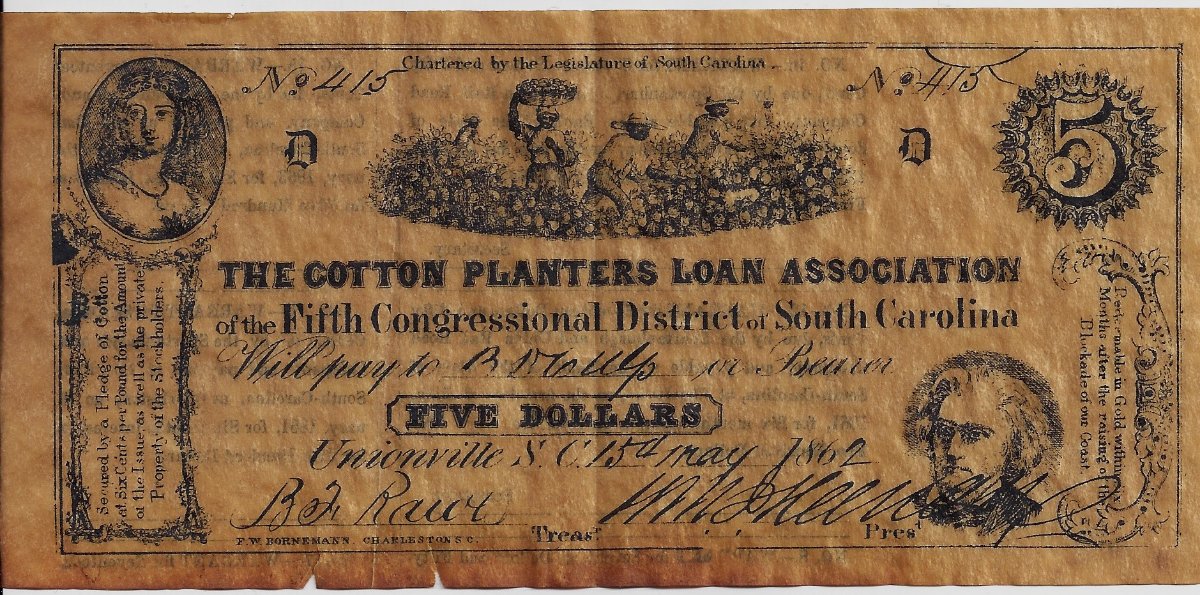
They are "civil war era" in design, but yes, these are replicas.
By far the easiest way to check for authenticity is to run the serial number past one of numerous lists of known fake serial numbers; the replica-makers usually use the same note each time (usually one from a museum collection), as they're not really trying to fool a collector. I believe the Crutchfield's Currency list is the oldest such list on the Internet and the one I usually go to.
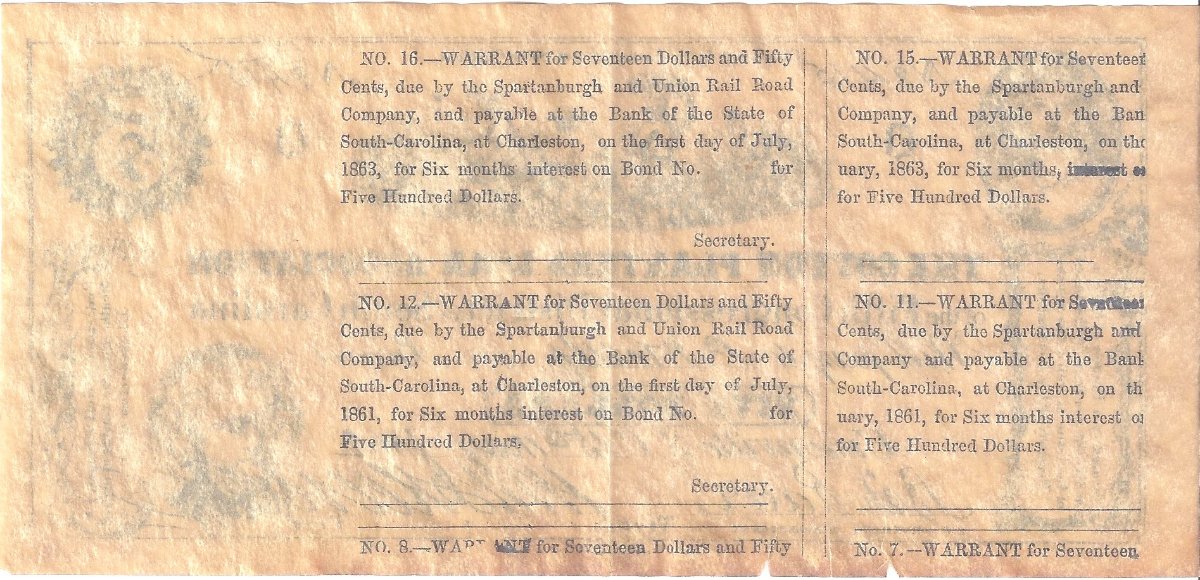
I am also familiar with these particular notes. They are sold in sets of replica notes in Washington DC and at nearby civil-war-related tourist sites. My dad bought me a set when he visited the area a couple of decades ago. They came in an envelope proudly announcing that although they were replicas, the notes "look old and even feel old"; the paper had been artificially aged using acetic acid. When I first obtained them, mine still had a strong vinegar-like smell.
By far the easiest way to check for authenticity is to run the serial number past one of numerous lists of known fake serial numbers; the replica-makers usually use the same note each time (usually one from a museum collection), as they're not really trying to fool a collector. I believe the Crutchfield's Currency list is the oldest such list on the Internet and the one I usually go to.
I am also familiar with these particular notes. They are sold in sets of replica notes in Washington DC and at nearby civil-war-related tourist sites. My dad bought me a set when he visited the area a couple of decades ago. They came in an envelope proudly announcing that although they were replicas, the notes "look old and even feel old"; the paper had been artificially aged using acetic acid. When I first obtained them, mine still had a strong vinegar-like smell.
Don't say "infinitely" when you mean "very"; otherwise, you'll have no word left when you want to talk about something really infinite. - C. S. Lewis


 to the CCF, SlayThatSquats