| Author |
 Replies: 9 / Views: 1,570 Replies: 9 / Views: 1,570 |
|
|
Valued Member
154 Posts |
This denarius seems suspicious.something about the legend seems off. what do you guy think?Hammered fake? 3.0 grams 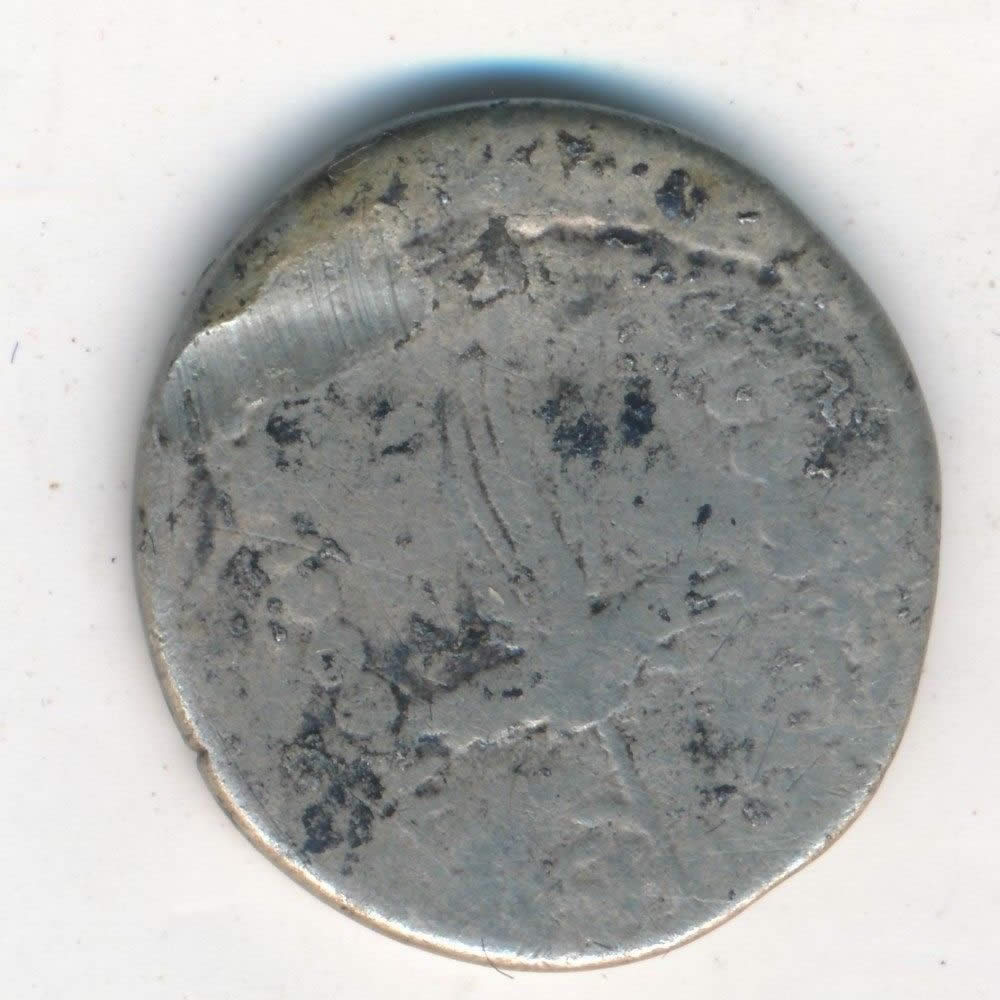 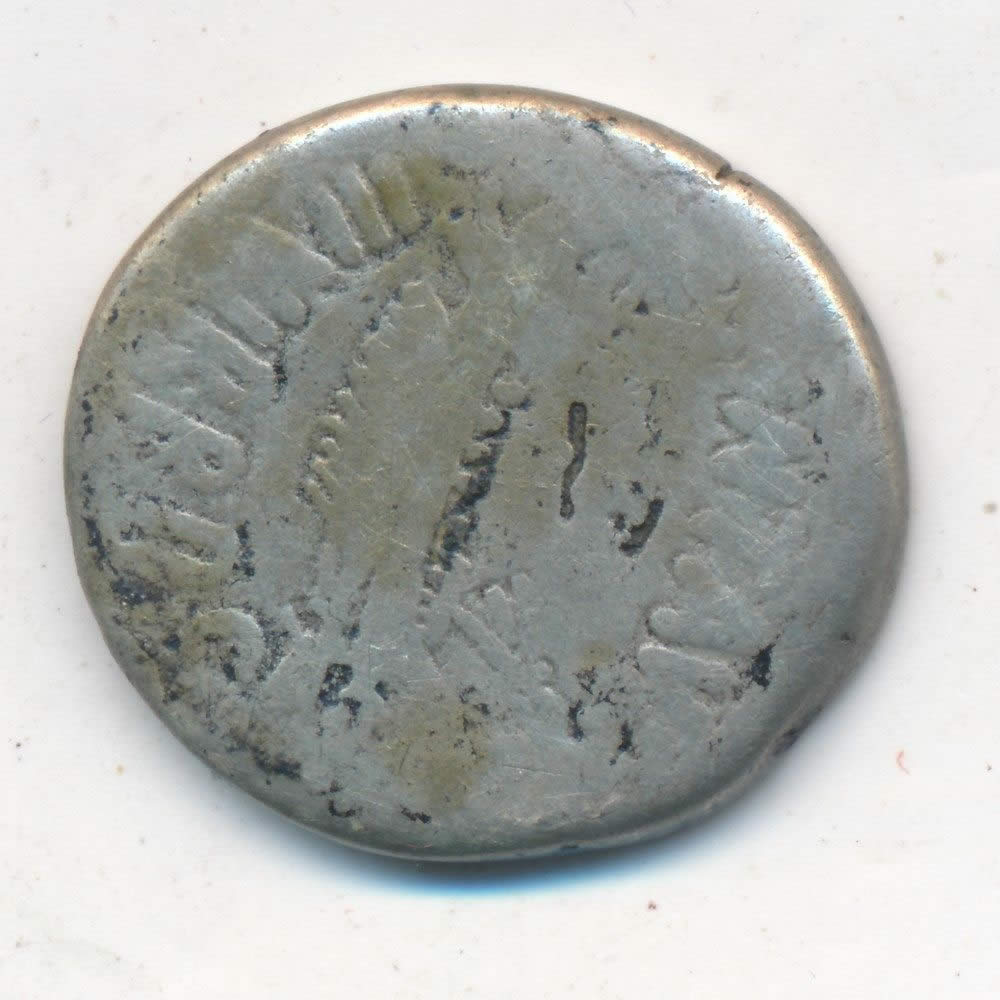 Cheers! |
|
|
|
Moderator
 United States
23731 Posts |
I think it's very worn and damaged and really don't have much value to a collection.
|
|
Pillar of the Community
United States
7067 Posts |
Seems perfectly fine to me. The legend - what can be seen of it - is correct: the "NTAV" of "ANT AVG" can be seen at the top of the obverse (bottom pic), as can the "III VIR RP" of "III VIR R P C" at the bottom - all spot-on correct. The reverse legend, below the legionary eagle, is worn away - and may have been partially off flan anyway.
|
|
Valued Member
 154 Posts |
Bob, are you sure it isn't a copy? I mean doesn't the obverse legend look a bit on the thick side? as if they smashed the silver down?
|
|
Moderator
United States
23731 Posts |
I agree with Bob, it does appear to be genuine just really worn.
|
|
Pillar of the Community
United States
7067 Posts |
Just looks like worn, smooshed letters to me. Other worn examples of these issues: 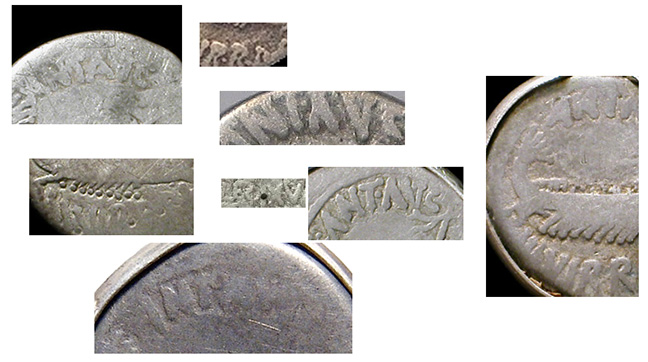 |
|
Pillar of the Community
United States
1122 Posts |
For what it's worth, I thinks it's genuine. I have a worn one as well. See pics: the wear on the reverse is very similar to yours. I bought mine from a very experienced long time collector. 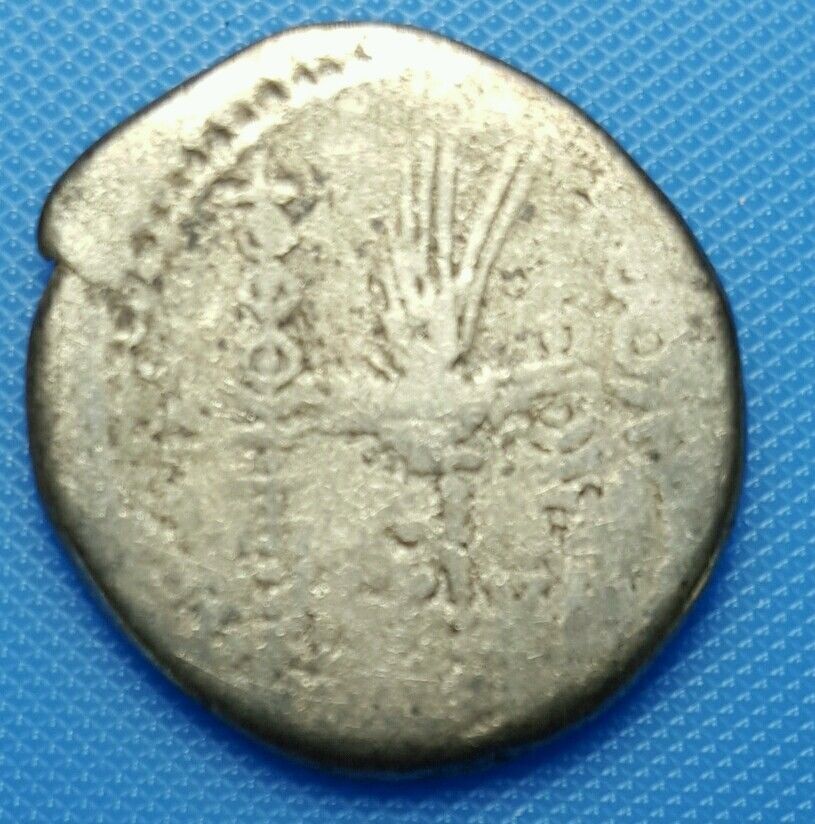 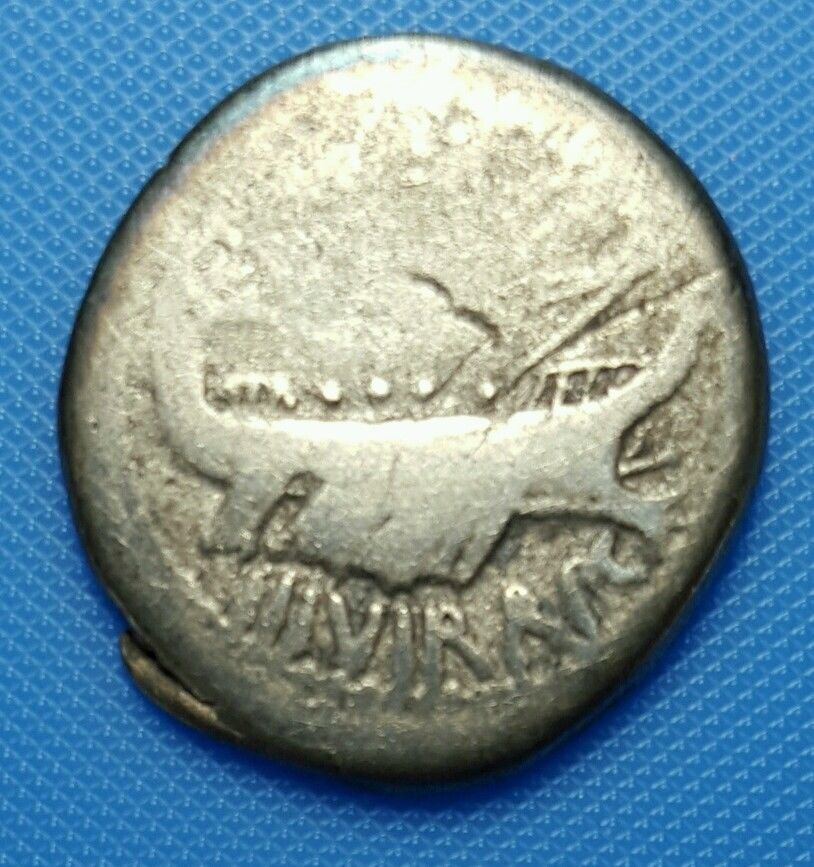 |
|
Pillar of the Community
Russian Federation
5186 Posts |
Due to being made in much lower quality silver than other issues of the time, those Antony legionary denarii circulated for a long time. One was found in the 3rd century Beau Street hoard.
So yes, it is perfectly normal for this type to be that heavily worn. They can get even worse than that.
|
|
Bedrock of the Community
Australia
21793 Posts |
Ancient coin flans were often heated to soften the metal, so the die life could be extended.
This flan must have been struck high in the alloy temperature paste range,
because coin does not have ragged edges or radial edge cracks.
|
|
Pillar of the Community
United States
6130 Posts |
 looks perfectly fine to me. IMO, while it's generally not advisable to go buying up lots of low grade coins, I believe that this type is an exception. As J1M already stated, Antony struck these to about .750 fine when a denarius was usually .900 fine or greater. After the battle at Actium, Octavian needed the loyalty of the troops. I don't think we have the primary source, but we can assume that he decreed that all merchants in the empire must accept these coins at face value. Gresham's law kicked in, and these coins were always the first to be spent until debasement finally caught up around the time of Commodus. I bought one of these in about that condition when I first started collecting ancients - I still have it, and while I hope to eventually be able to afford a high grade example, I love the history of these coins - the thousands of hands they passed through for possibly more than two centuries! Back to the question - if a forger is going to make a fake legionary denarius, they are going to go for one with the legion number visible - those are worth substantially more! |
| |
Replies: 9 / Views: 1,570 |
|







 Posted 05/06/2018 2:58 pm


