I snagged one of these too - they were going cheap!
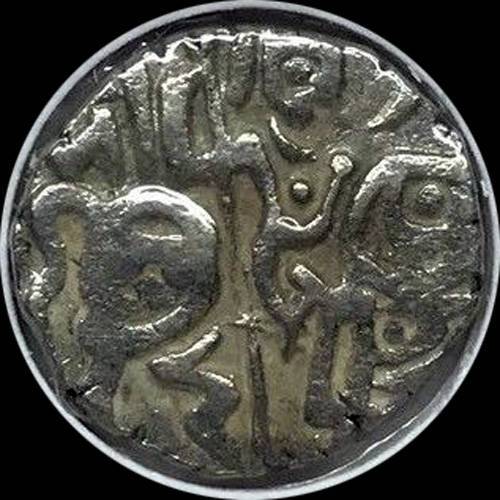
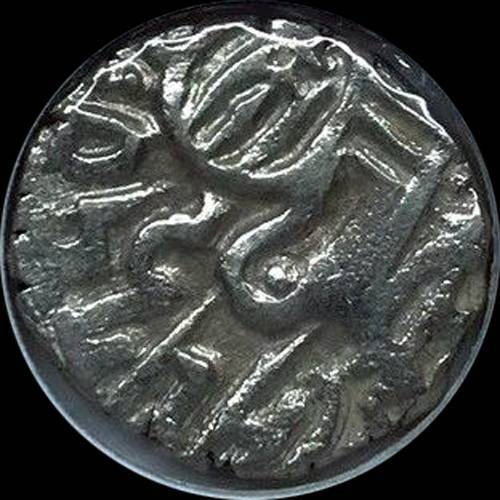
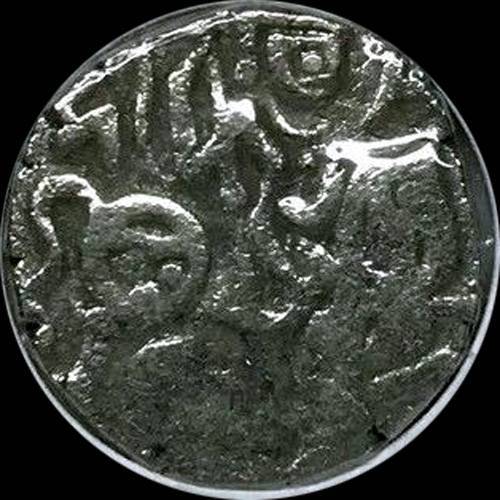
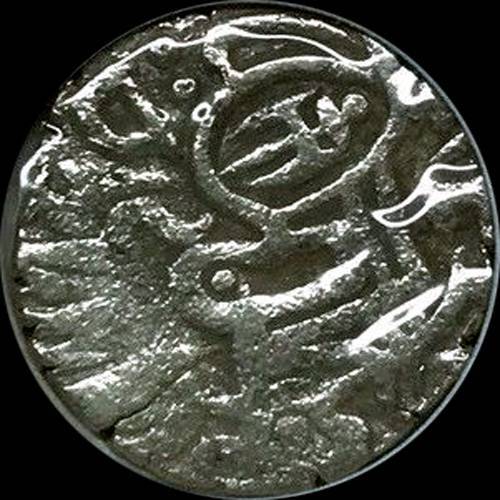
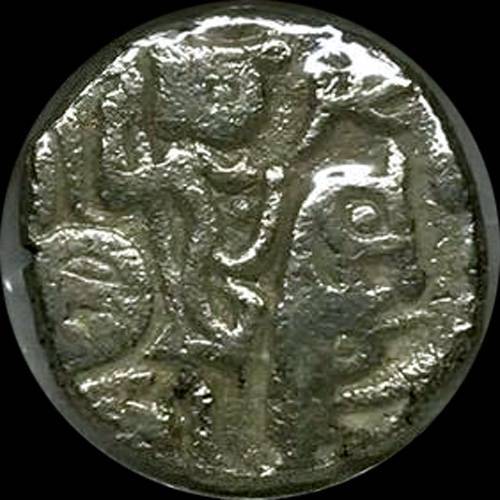
This type with the "smiling face" is much scarcer- the regular type has this weird skinny masked face.
Historical context (forgive me for not looking up exact dates)
Afghanistan was ruled by the Kushans until the Sassanians wrestled it from their control in about 250. They in turn lost most of it to the Huns; first the Kidarites, then the Hepthalites and Nezaks. The Hepthalites were taken down by the Gokturks and Sassanians in the 560s, but the Nezaks held out for at least another century. The Nezaks eventually fell to the Turks, who were toppled by a native Hindu tribe in the mid 700s, who made these coins.
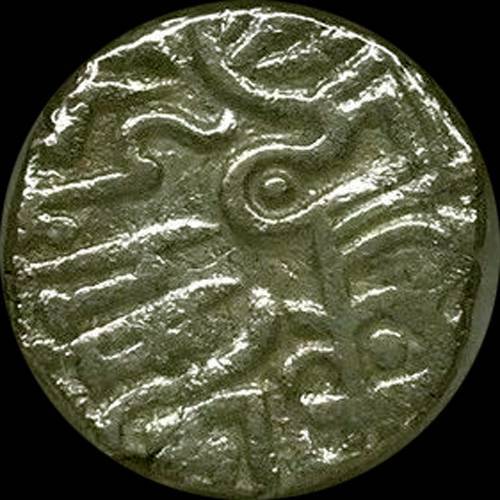
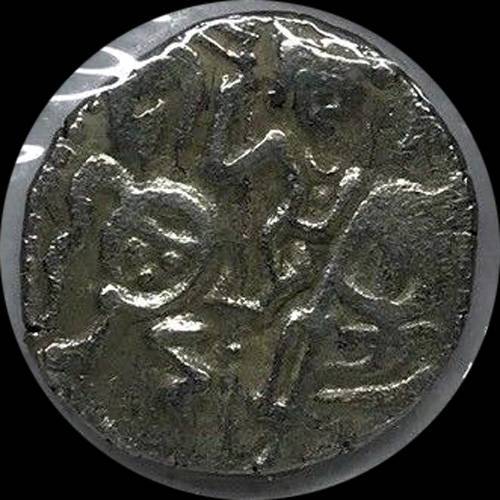
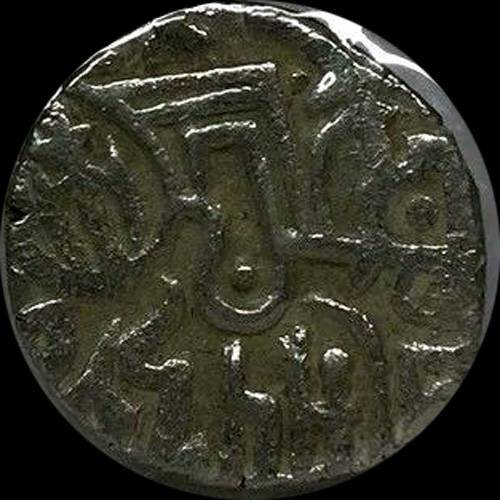
Sri Samanta Deva means something like "Honorable Chief Commander" and is a title, not a name. The bull is almost certainly Nandi, the mount of the Lord Shiva. You can see quite prominently that he has a Trident on his rump - the symbol of Shiva. The horseback rider is probably a generic symbol of military prowess.
What puzzles me is where exactly the "jital" came from, since the Turk Shahis used Attic weight drachms usually based on either the Napki Malka type, or some sort of Khusro I/II imitation. Along with the Gadhaiya coins and the Indo-Greek drachms, these are some of the most varied and longest-running coin series of India.
I haven't imaged mine from this seller yet, but I like to show off this one every chance I get
"Spalapati Deva"

Note that these extremely early coins have Bactrian script before the horseman, although I haven't seen a translation of it.












 Posted 05/18/2018 9:08 pm


