| Author |
 Replies: 13 / Views: 1,484 Replies: 13 / Views: 1,484 |
|
|
Valued Member
United States
224 Posts |
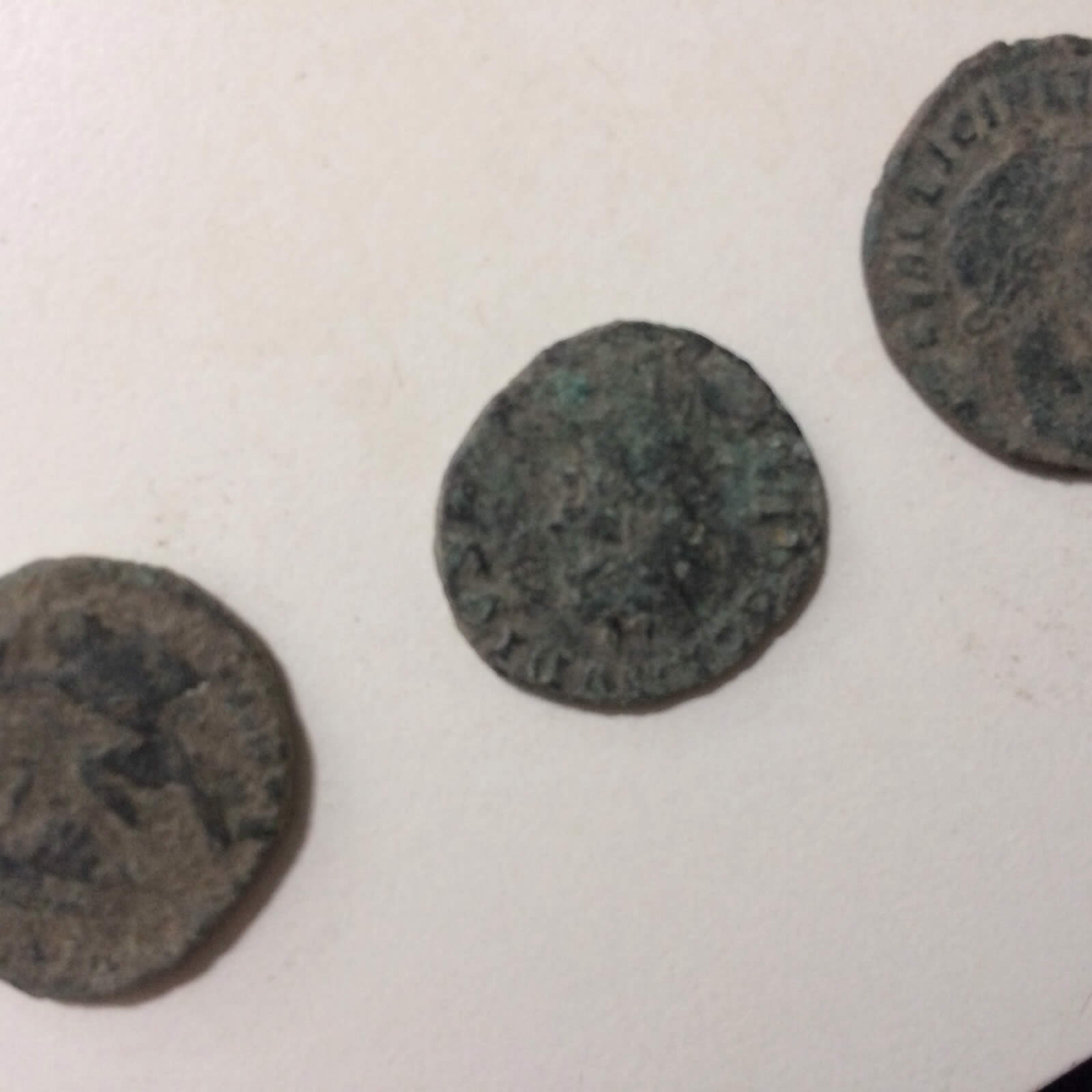
I haven't started to identify this one yet. It started out as a corroded crusty, but electrolysis showed up the nicest bust I've turned up in a long time. Yet the lettering is almost all gone, and the reverse is gone. I'm quite happy with just the portrait!   |
|
|
|
Pillar of the Community
United States
1122 Posts |
Just from the looks of the portrait : Claudius II (Gothicus)
|
|
Valued Member
 United States
224 Posts |
From the lettering that remains, I think I can see IANUS. Would that appear on any Claudius II?
|
|
Pillar of the Community
United States
1122 Posts |
I believe most if not all will read "CLAVDIVS AVG"
|
|
Pillar of the Community
United States
7067 Posts |
Perhaps AVRELIANVS (Aurelian)?
|
|
Pillar of the Community
United States
1122 Posts |
Bob, I think you got it. The legend doesn't match Claudius II. The "O" is prominent on the reverse, which, looking at the examples on Wildwinds is consistent with Victory walking left.
Edited by travelcoin
06/03/2018 8:57 pm
|
|
Valued Member
United States
224 Posts |
Bob, I think you scored again. Looking closer, it's LIANUS on the coin. And I just looked at some Aurelian busts. I think that's the guy. Thanks!
|
|
Moderator
 United States
23731 Posts |
IMO electrolysis is a dangerous and destructive method to clean ancient coins, it will remove the dirt along with the patina and even the metal on the coin. I avoid it like the plague.
|
|
Valued Member
United States
224 Posts |
I only use electrolysis on those that have little hope for cleaning by soaking. Yes, it can remove patina, but I have never seen destruction of metal, even experimenting with up to 30 one hour sessions to see what it would do. No change on the metal.
I use distilled water, washing soda (very dilute) and carbon electrodes. NEVER use a stainless steel electrode like some zappers do!
I use soaking on dirty coins, electrolysis on corroded coins that wouldn't reveal themselves in decades of soaking and brushing.
|
|
Valued Member
France
332 Posts |
It would have been nice to see a picture of the coin before electrolyses... Don't you have one? To assess the quality of the result we need a starting point !
|
|
Valued Member
United States
224 Posts |
|
|
Pillar of the Community
United States
3495 Posts |
It is quite easy to spot the coins that have undergone this procedure.
They have that half dissolved alkaseltzer tablet look about them.
Question .......
If you have been buying I uncleaned coins by the kilo and cleaning them the "old fashioned" way as well as zapping them in your electric barbeque.
How could you have not known this was an Aurelian ?
It took me around 2.5 seconds and started to type the name when you posted it but was overcome with a feeling of nausea by the mere thought of electrolysis.
I decided to delete it
|
|
Valued Member
United States
224 Posts |
I have experimented by taking a copper, pre 1982, penny, and giving it over 30 one- hour sessions of electrolysis. After examining with a jewelers loupe I saw no sign of deterioration of the copper surface. It would appear that the alka seltzer look is the product of over a thousand years of corrosion in the ground, rather than from the electrolysis. Take a penny and try it. I think you'll be surprised.
|
|
Valued Member
United States
224 Posts |
As for Aurelian- most of the coins I've done in the past have not had enough left under the corrosion to identify. I've had only one Aurelian before this one, and not recent. And OMG I've seen a lot of Constan* and downed horsemen being speared. #128561;
|
| |
Replies: 13 / Views: 1,484 |
|





 Posted 06/03/2018 8:26 pm