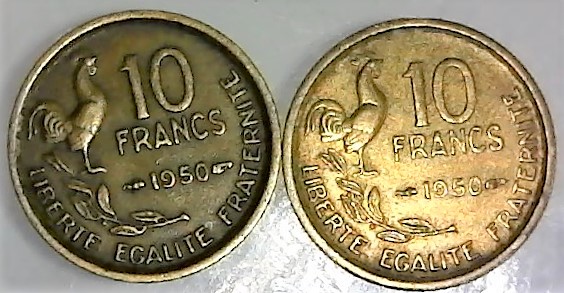
This is actually the semi-key issue for the 1950-1958 10f issues (the key is 1950-B) -- these coins were struck out of a unique alloy of aluminum bronze (i.e. aluminum, copper, nickel) similar to the alloy used on the gold-colored outer ring of modern Canadian bimetallic coins. The alloy forms a natural protective layer of aluminum oxide on the surface of the coin, a barrier against corrosion; if this layer is disturbed (chemical dips, cleaning, etc.) the color will vary quite a bit. Impurities and changes in the alloy's composition will cause different colors naturally.
The US "golden dollar" coins are manganese brass (copper + zinc) clad over a solid copper core. They suffer similar variations in color based on the environment they're exposed to, whether or not they were rinsed off at the Mint, etc. They also oxidize (tarnish) like any other brass-plated item.
Member
ANA - EAC - TNA - SSDC - CCT #890
"Most of the things worth doing in the world had been declared impossible before they were done." -- Louis D. Brandeis










 (Wear) Does anyone see anything or am I going nuts?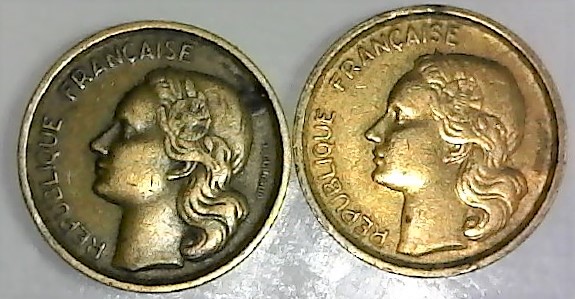


 Posted 11/17/2018 6:48 pm


 with paralyse comment.


