











 to the Community!


 Posted 12/09/2018 06:49 am


While they are all roughly the same shape and design, they are three differnt clases of object. Only one of them is an actual "coin".
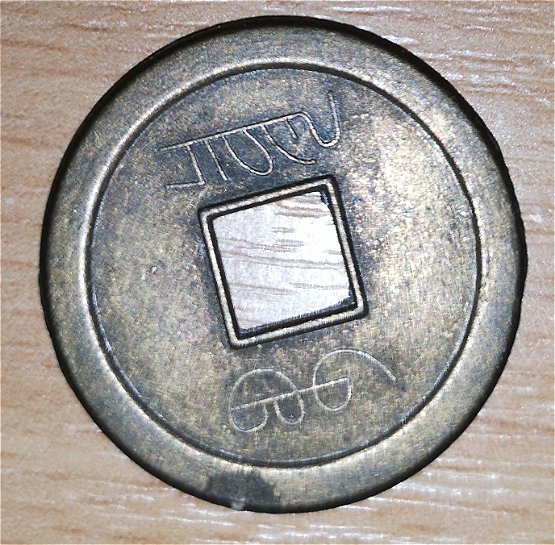
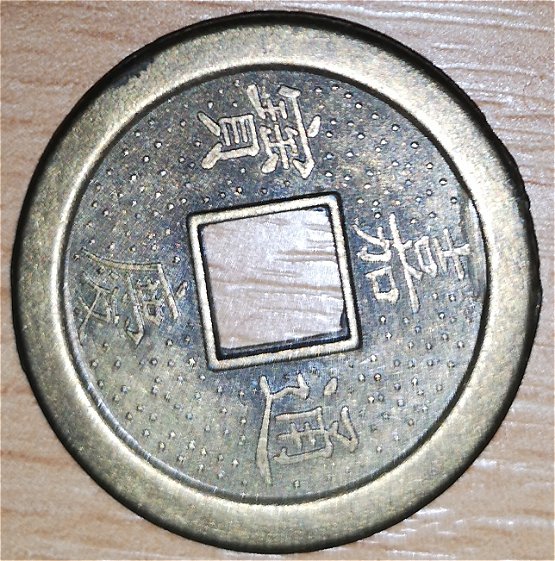
The first item is a "replica", of the type often sold in Feng Shui supplies stores and "Chinese markets" in the West. It roughly copies the design of a Qing Dynasty cash coin, but it is clearly machine-struck, rather than cast - which for most Chinese cash, is a bad thing. See the pattern of "dots" covering the obverse (lower pic)? They were put there to try to imitate the "sand" that normally appears on genuine cast cash coins.
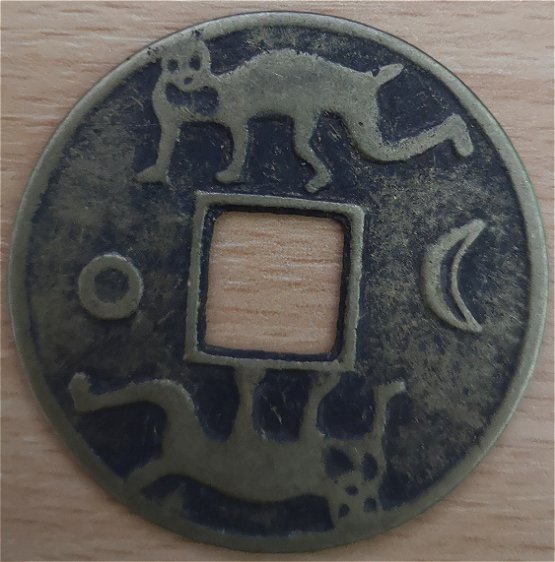
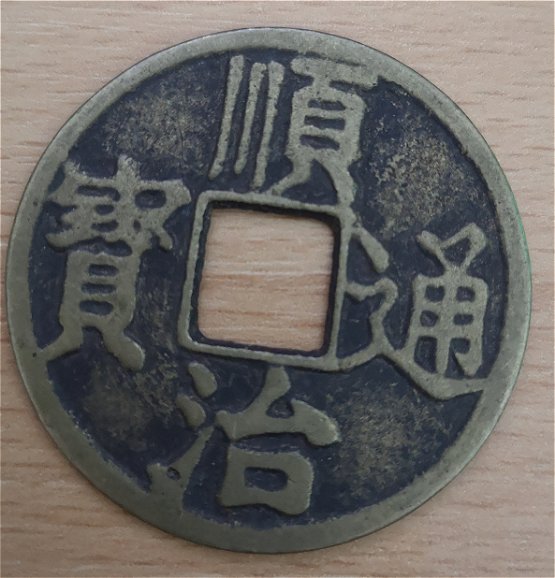
The second object is a "charm". It bears a coin-like inscription on the obverse (the SHun Zhi emperor of the Qing Dyansty, 1638-1661), but the reverse depiction of monkeys, the moon and sun are never found on genuine coins - this is an "astrological" charm, made presumably for someone born in the Year of the Monkey. It was likely made long after the emperor named on the other side had died.
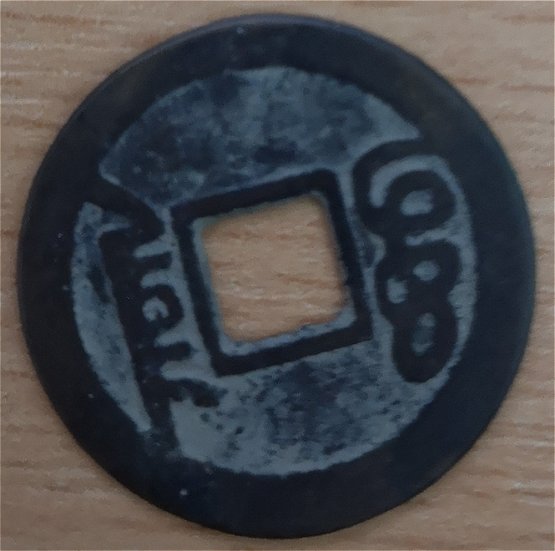
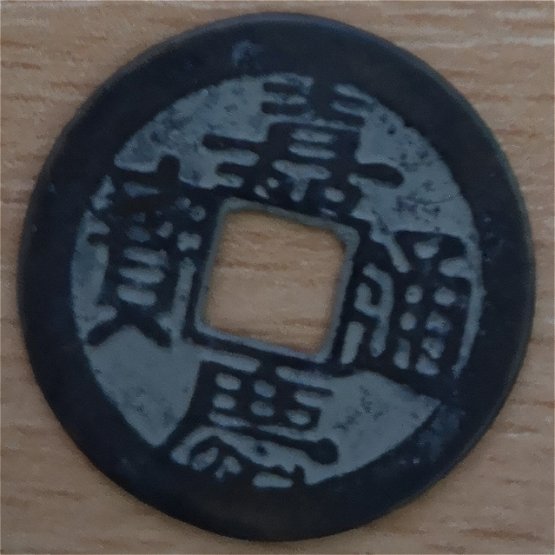
The third object is an actual coin. It is a cash of the Jia Qing emperor, who reigned 1796-1820. It was cast in the Board of Works mint in Beijing. A relatively common type so quite cheap, despite it's age.
The first item is a "replica", of the type often sold in Feng Shui supplies stores and "Chinese markets" in the West. It roughly copies the design of a Qing Dynasty cash coin, but it is clearly machine-struck, rather than cast - which for most Chinese cash, is a bad thing. See the pattern of "dots" covering the obverse (lower pic)? They were put there to try to imitate the "sand" that normally appears on genuine cast cash coins.
The second object is a "charm". It bears a coin-like inscription on the obverse (the SHun Zhi emperor of the Qing Dyansty, 1638-1661), but the reverse depiction of monkeys, the moon and sun are never found on genuine coins - this is an "astrological" charm, made presumably for someone born in the Year of the Monkey. It was likely made long after the emperor named on the other side had died.
The third object is an actual coin. It is a cash of the Jia Qing emperor, who reigned 1796-1820. It was cast in the Board of Works mint in Beijing. A relatively common type so quite cheap, despite it's age.
Don't say "infinitely" when you mean "very"; otherwise, you'll have no word left when you want to talk about something really infinite. - C. S. Lewis


