| Author |
 Replies: 10 / Views: 5,784 Replies: 10 / Views: 5,784 |
|
|
Pillar of the Community
United States
1156 Posts |
Moving my post from the old thread to here with a more descriptive title about the Dutch East India Company countermark for circulation on the island of Java. There are about a dozen examples that I've found, but I've excluded the one's that appear on 1800's or later coins and/or the ones which resemble the counterstamp from the other thread. I've attempted to correct for different image sizes by using the host coin size as a standard reference so all countermarks are scaled to their respective host diameters. I have rotated the countermarks to be in the same orientation.  The image in the lower right is the Arabic script for Java. So my take is that they all are similar, including the size and textured background, but it's hard to say if any are actually identical. I imagine, if the coins were not annealed, then the stamps would wear down rapidly and need to be replaced so perhaps some differences could be explained by punch wear and different punches created from the same matrix. Several similar, but possibly not identical stamps are a potential argument for authenticity as the ones that look fake appear to be nearly identical. Here are the reference coins: 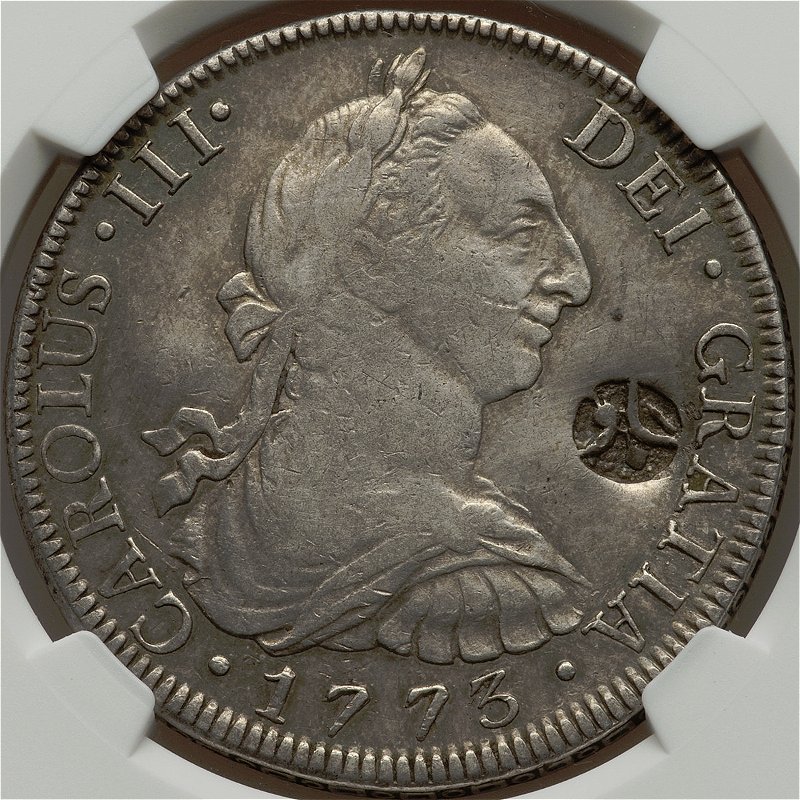 This one is mine from the January 15-16, 2019 auction, image from Heritage Auctions. 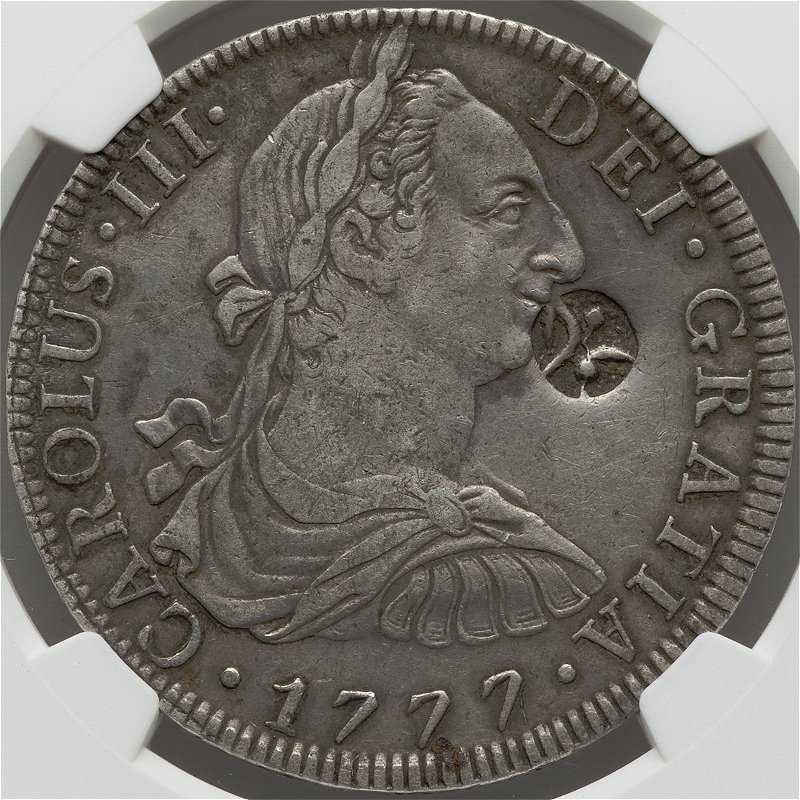 From the from the January 15-16, 2019 auction, image from Heritage Auction 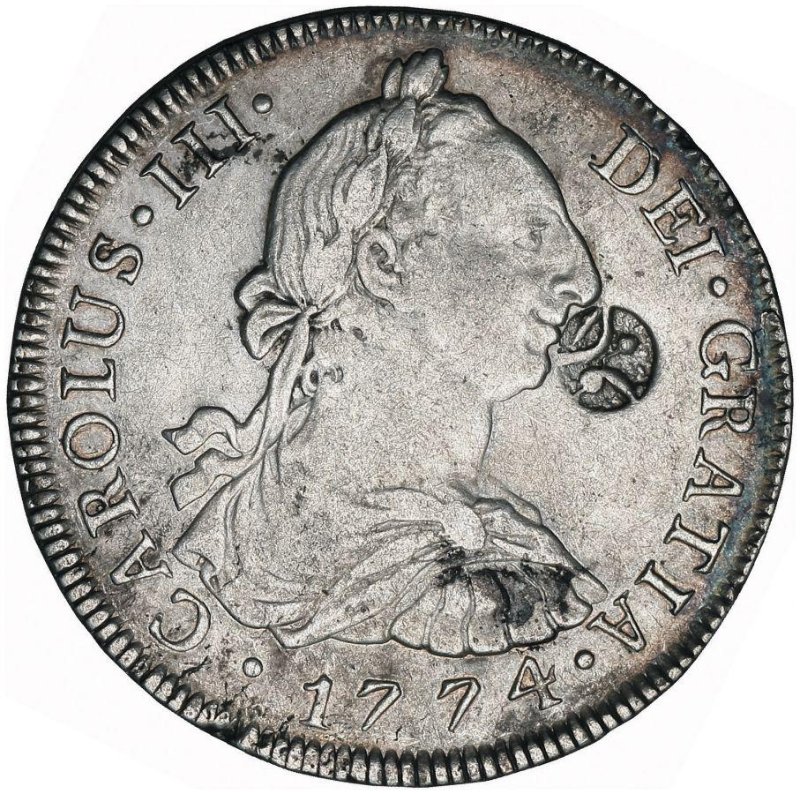 From Jul 21, 2005 auction, image from Stack's Bowers 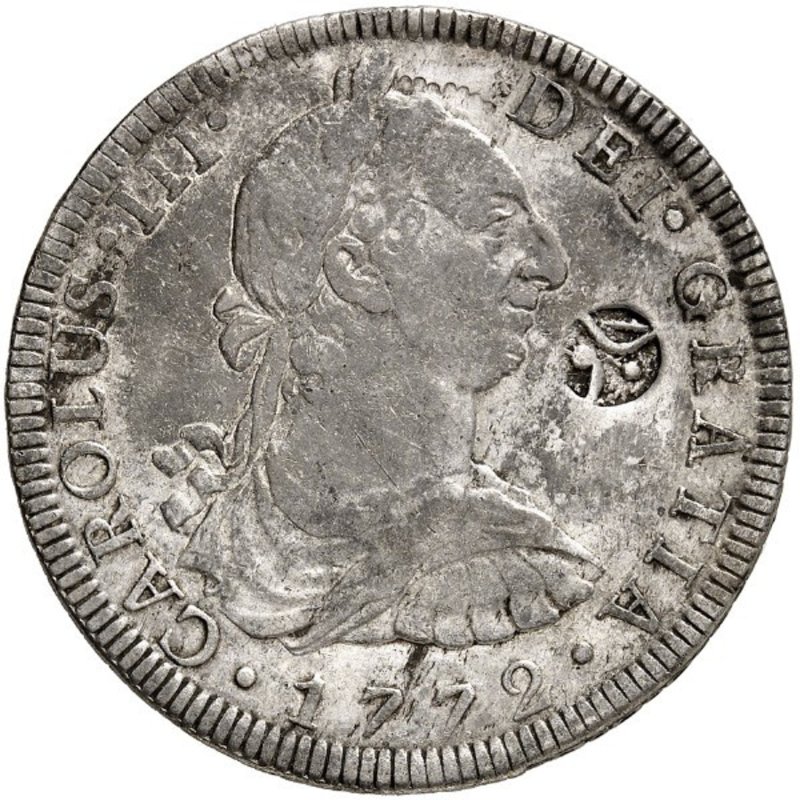 From 2016 auction, image from Heidelberger Münzhandlung Herbert Grün e.K. 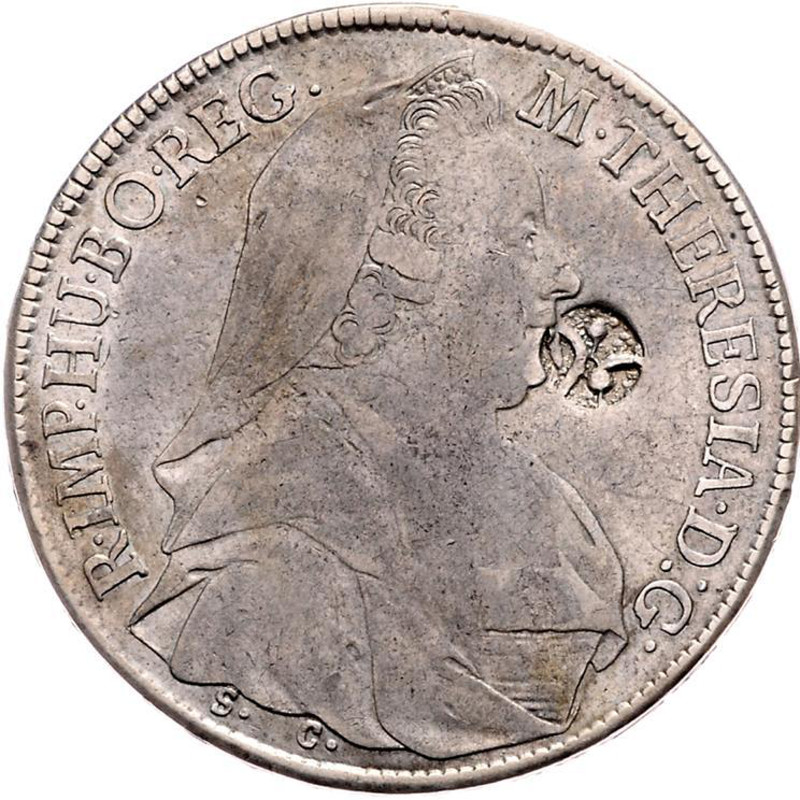 From 2018 auction, image from Frühwald 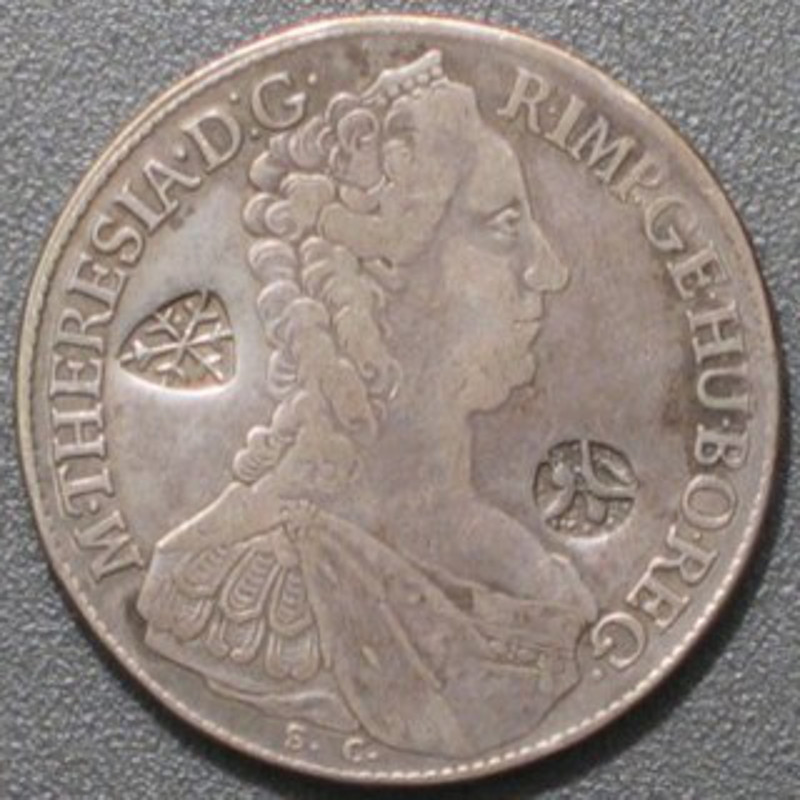 From this site with interesting research on Indonesian counterstamps on MTTs 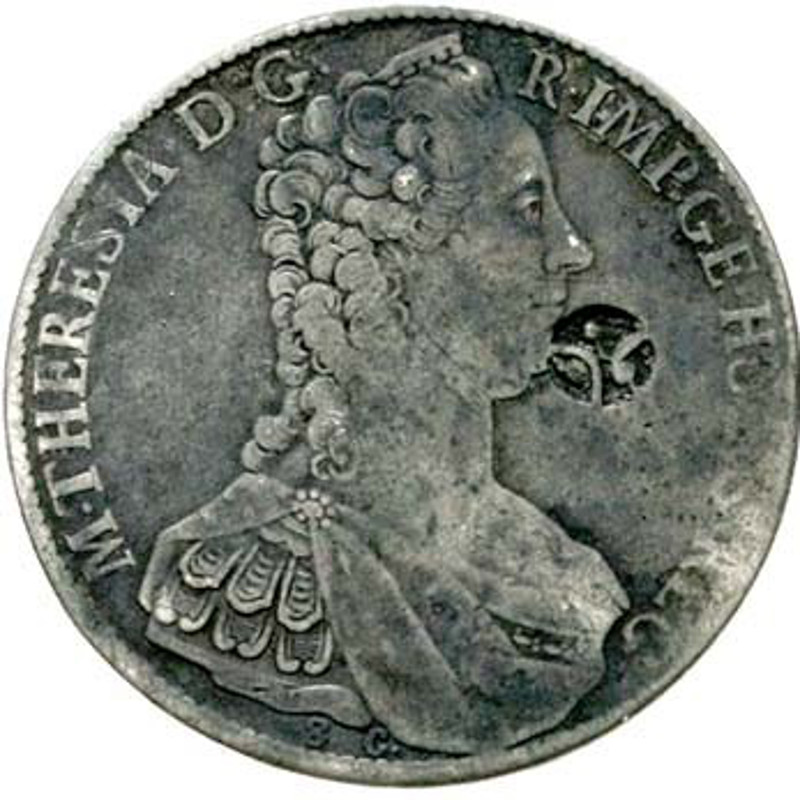 From 2014 auction, image from Teutoburger Münzauktion GmbH edited: to replace one countermark with a cleared host picture Edited by jgenn
03/06/2019 11:53 pm
|
|
|
|
Pillar of the Community
 United States
1156 Posts |
Here are a set of counterexamples for the Java stamp. I think we can clearly call the ones on the 8 reales (top row) as fakes. The ones on the bottom row are from the MTTs -- they lack the textured background and seem a bit too precisely formed, unlike the more calligraphic style of the ones from my first post. 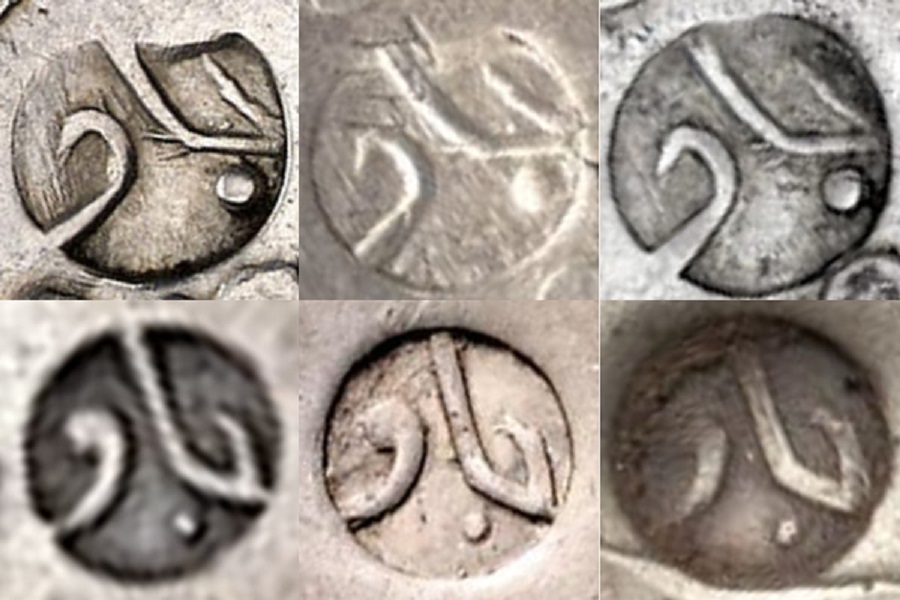 Here are the reference coins: 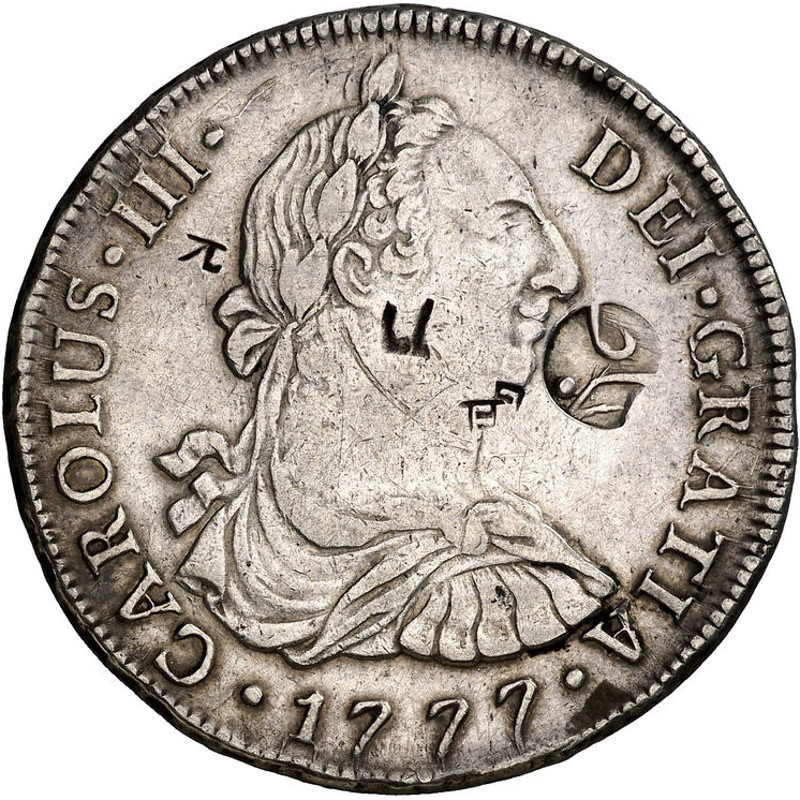 From 2017 and 2019 auctions (where the stamp was called falso), image from Aureo & Calicó 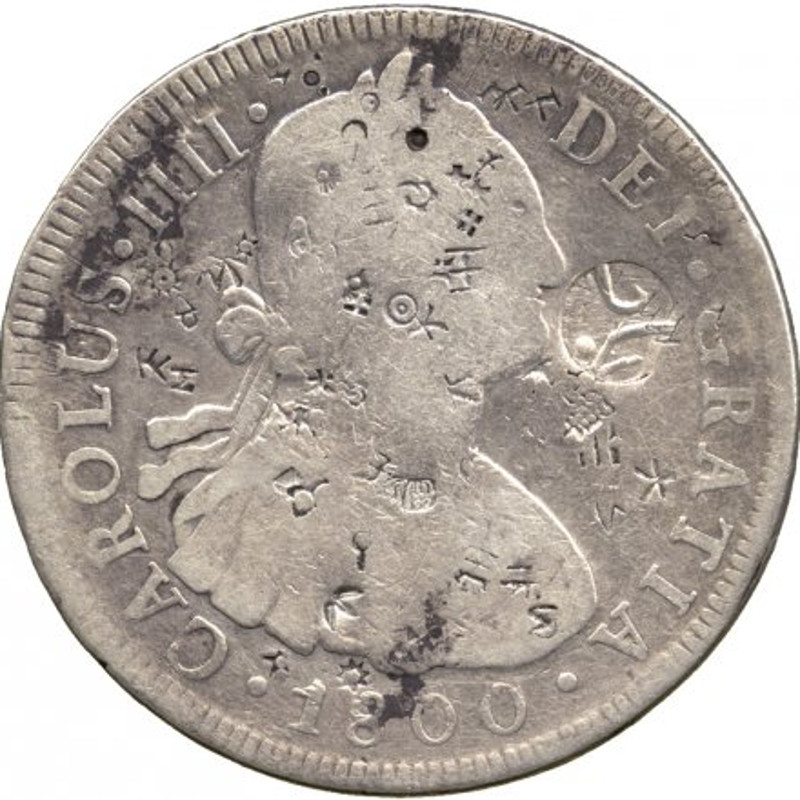 From 2011 auction with pedigree back to 1990, image from Baldwin's 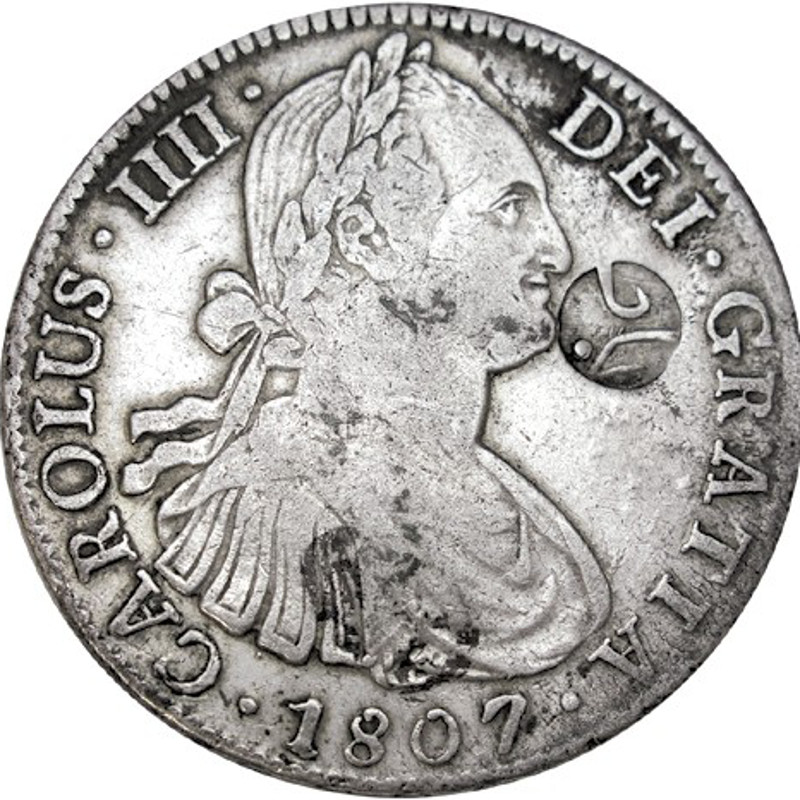 From 2016 auction, image from Jose A. Herrero 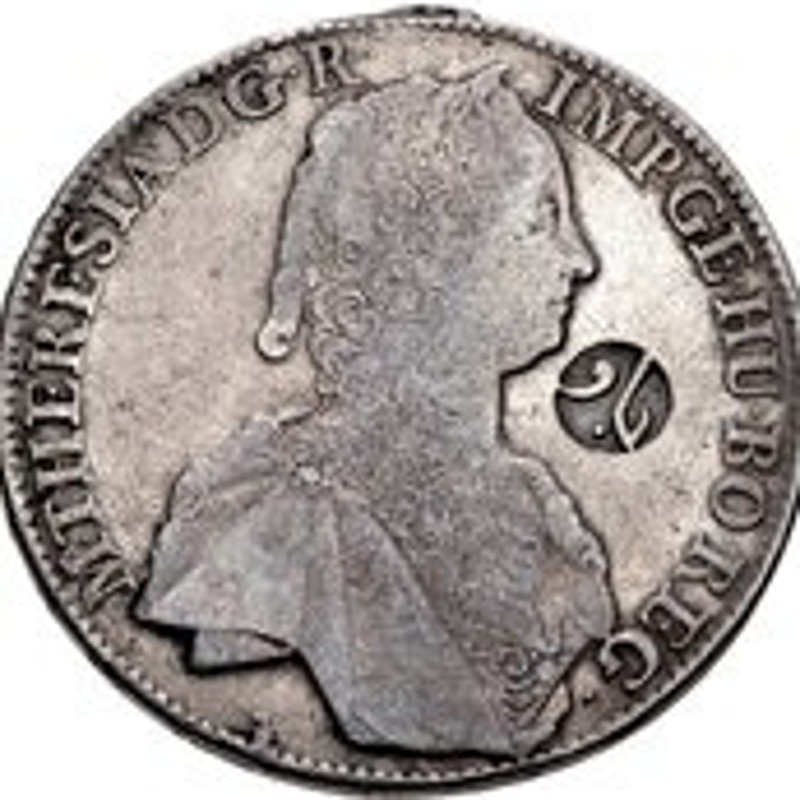 From 2015 auction, image from Classical Numismatic Group 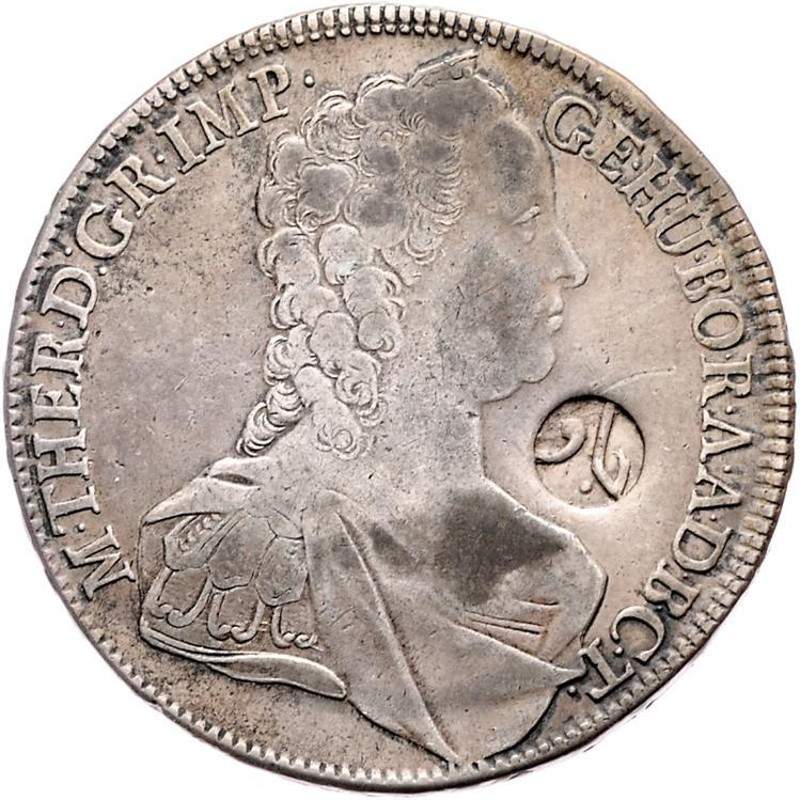 From 2018 auction, image from Frühwald 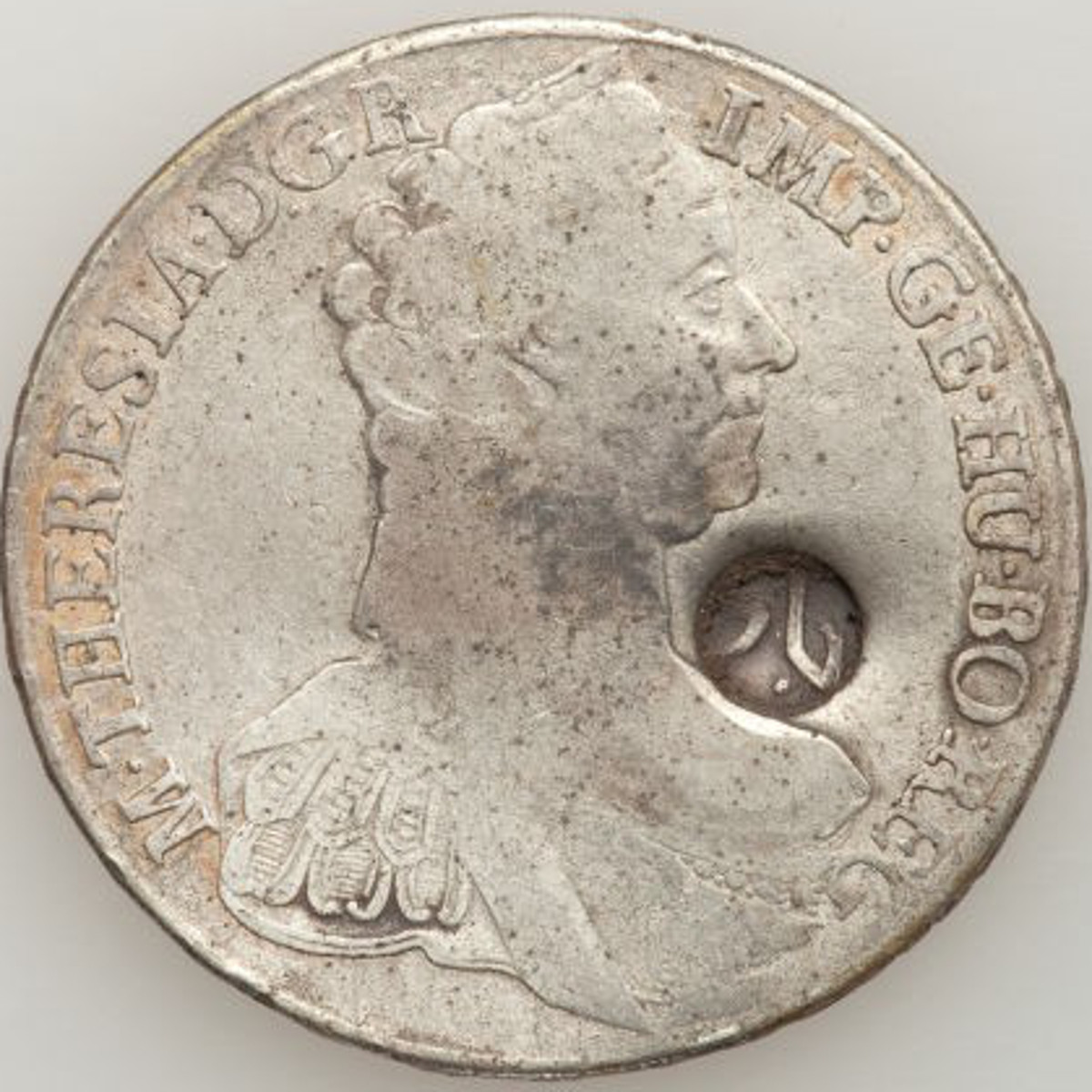 From January 2011 auction, image from Heritage Edited by jgenn
03/06/2019 10:54 pm
|
|
Pillar of the Community
United States
1156 Posts |
Adding two additional examples to the "good" set of Java countermarks ("good" as in likely genuine). The first newly added countermark is from the NGC price guide and the other is from a PowerPoint presentation on countermarks from around the world that has been on the internet since, at least, 2006, and seems to have been pulled together from many different sources but does not have the author's name associated with it. The set of countermark images has been reformatted to a 9x9 block with the newly added countermarks in the center and center-right. Now, the top two rows are examples from 8 reales and the bottom row are from the MTTs. 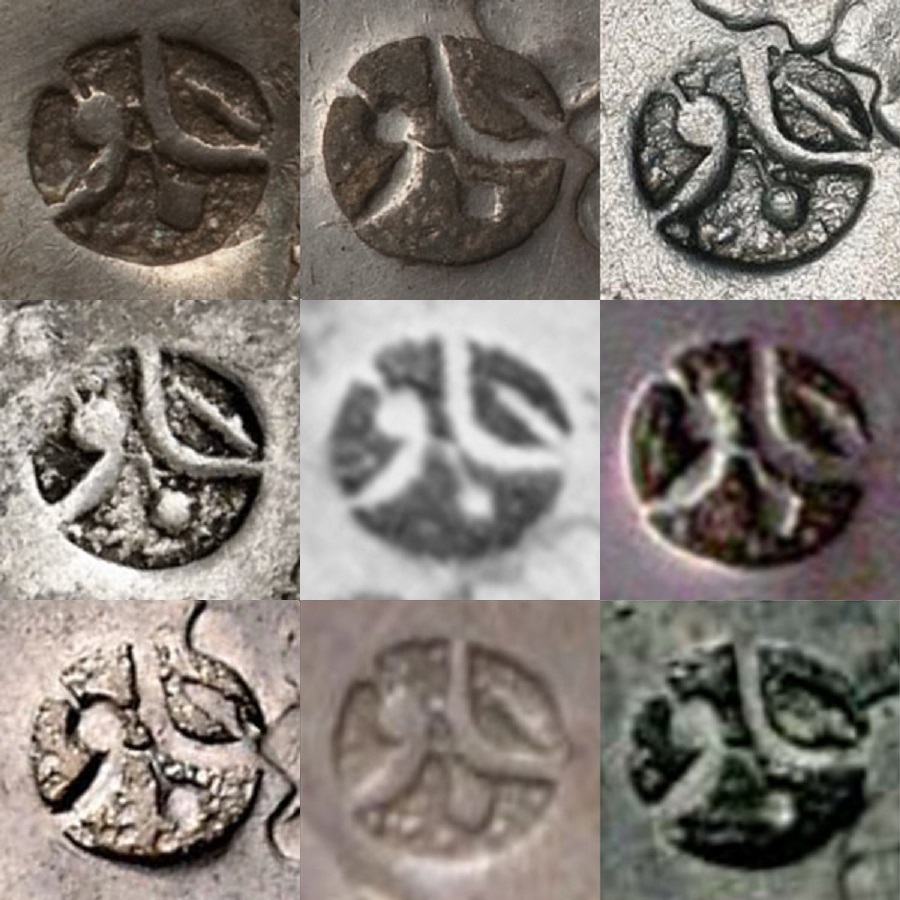 New reference coins (see the first post for the other reference coins): 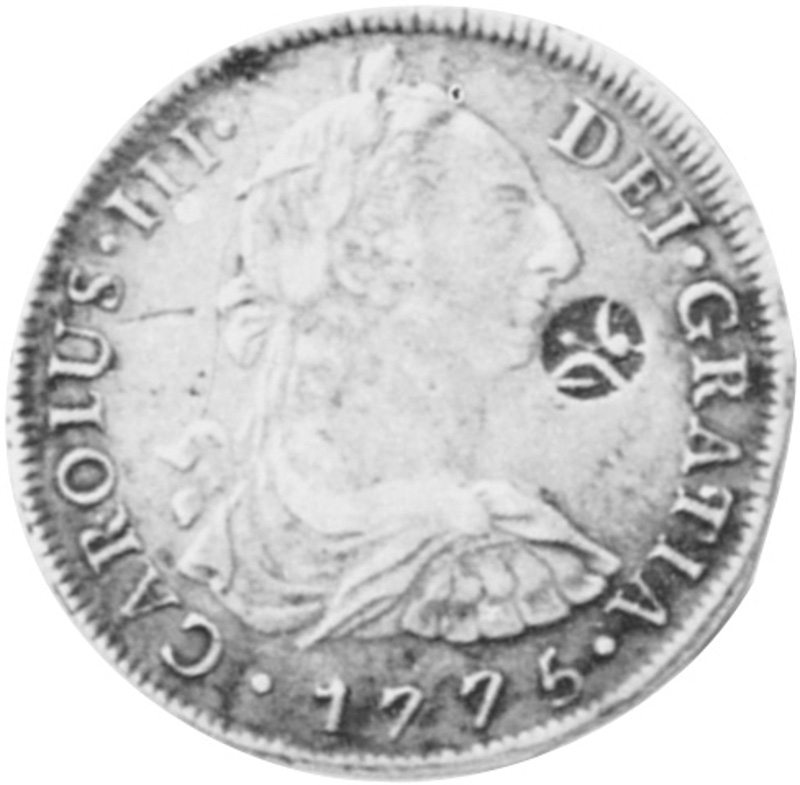 From the NGC price guide for KM 184.1 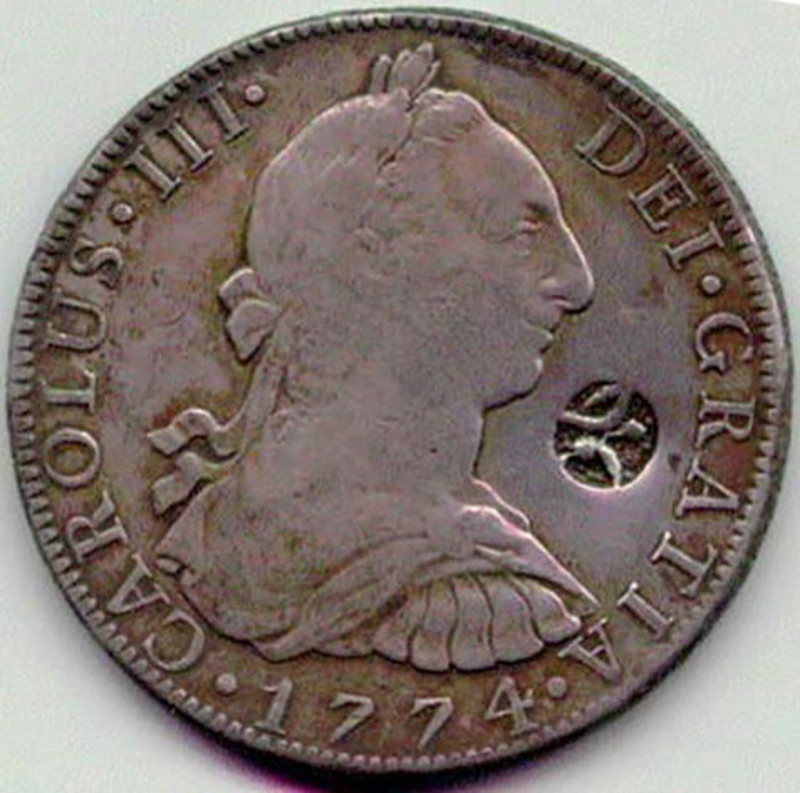 From the Countermarked Coins from Around the World PPT Edited by jgenn
03/12/2019 08:26 am
|
|
Pillar of the Community
United States
1156 Posts |
To follow up on other examples of the Java countermark, here are a few images of the java countermark on Dutch ducats. These have a record of being authorized in 1753 and ending in 1761. The really blurry image is from the NGC price guide. The lower right image is from a Persian rupi and is possibly not to the correct scale. Since these all appear to be different, it's not clear if any are likely to be genuine. They certainly do not match the set of countermarks on 8 reales or MTTs, although that doesn't have any bearing on whether the countermarks on the 8 reales are genuine, either. This is just an exercise to illustrate what's currently available on the internet today and might help someone else with their research. 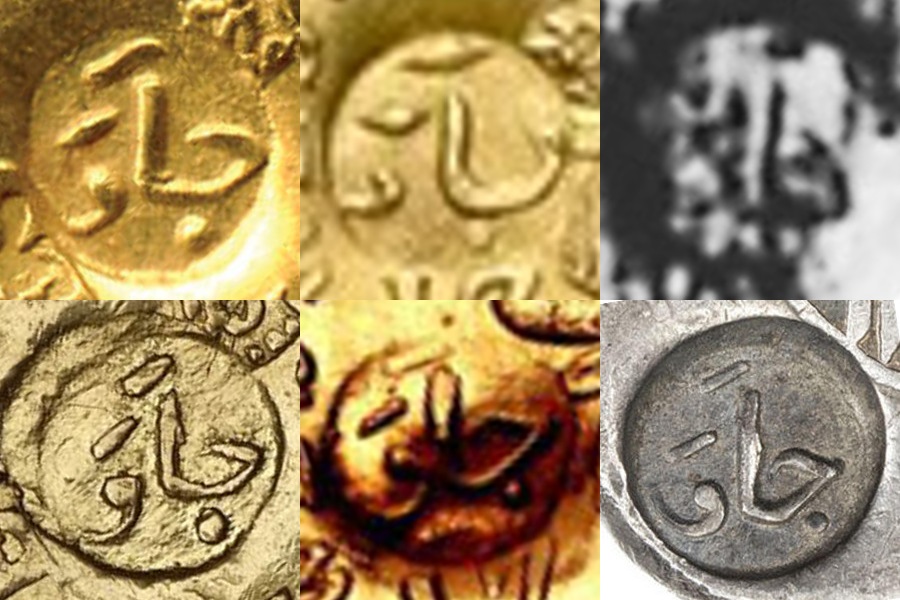 Reference coins: 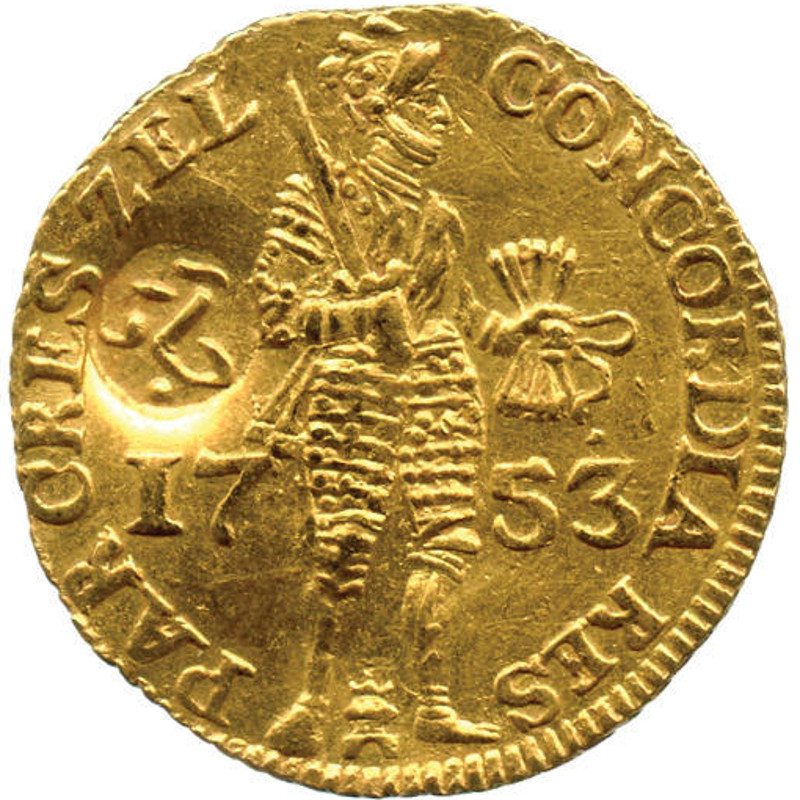 From September 2014 auction, image from Wilkes & Curtis 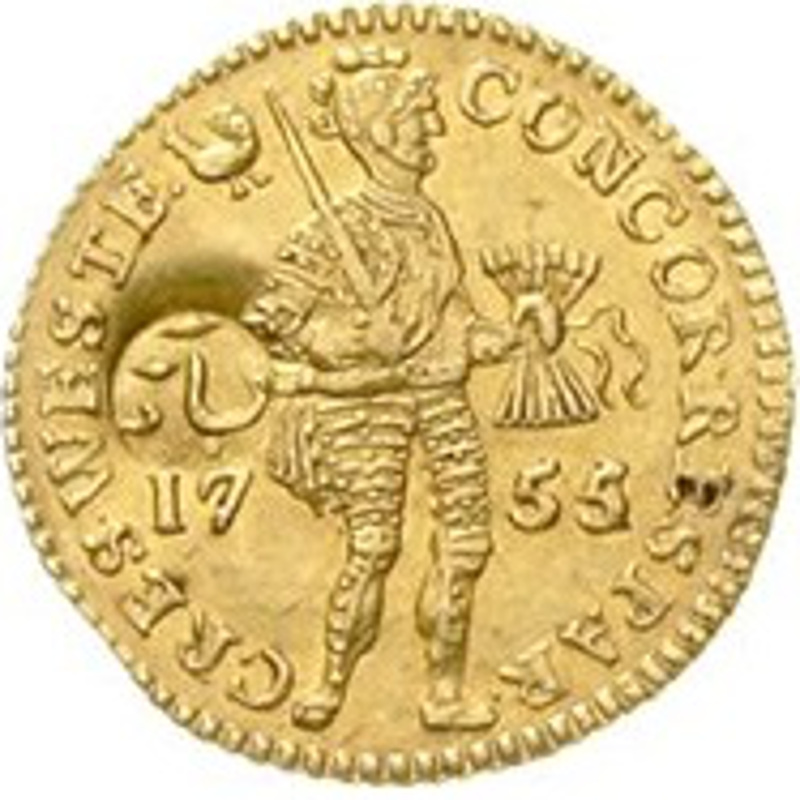 From 2011 auction, image from Teutoburger Münzauktion  From the NGC price guide for KM 188 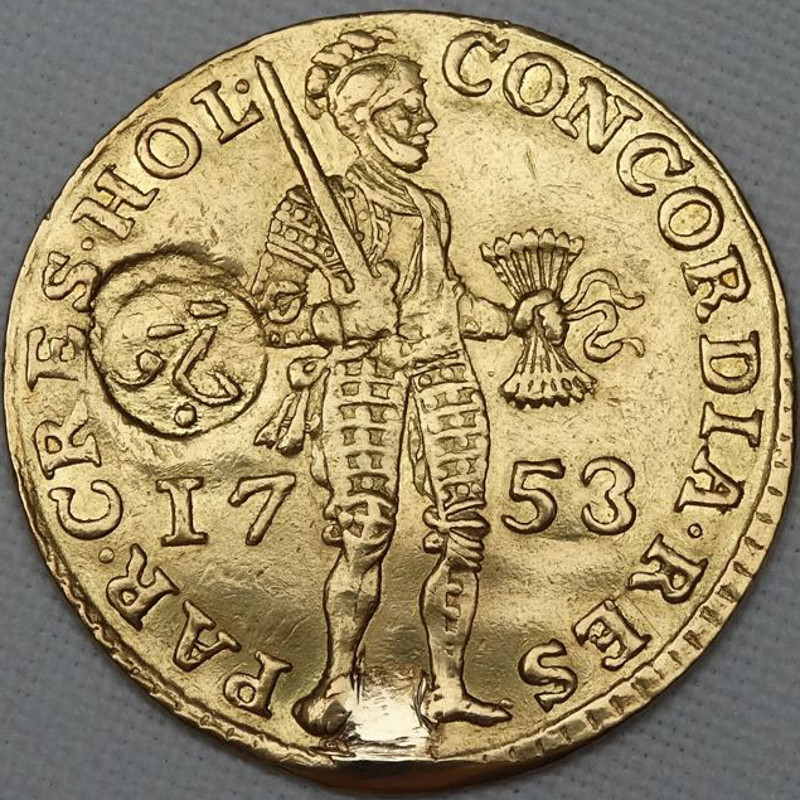 From catawiki auction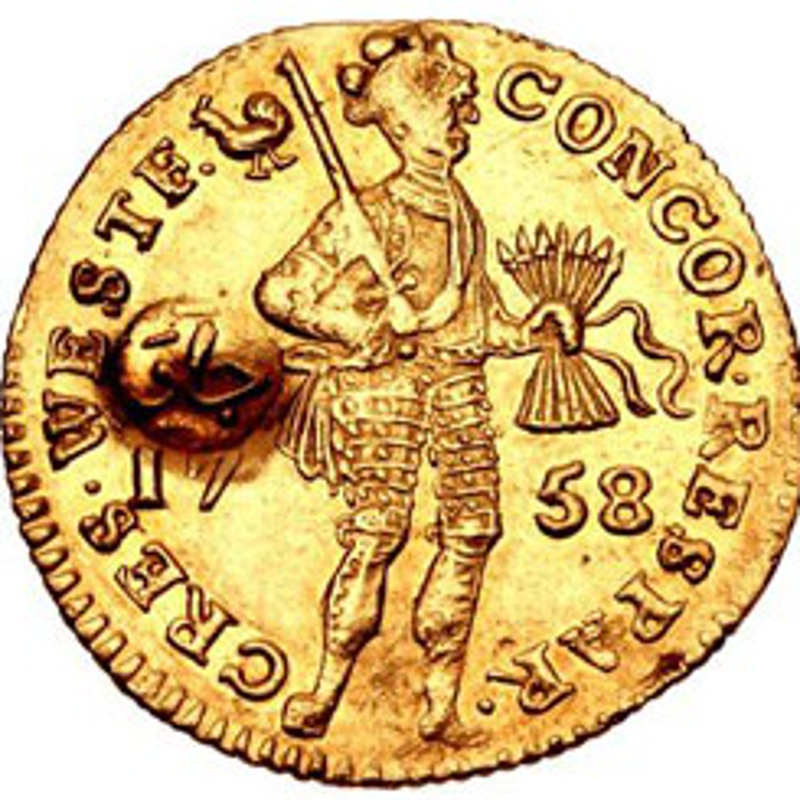 From 2015 auction, image from Classical Numismatic Group 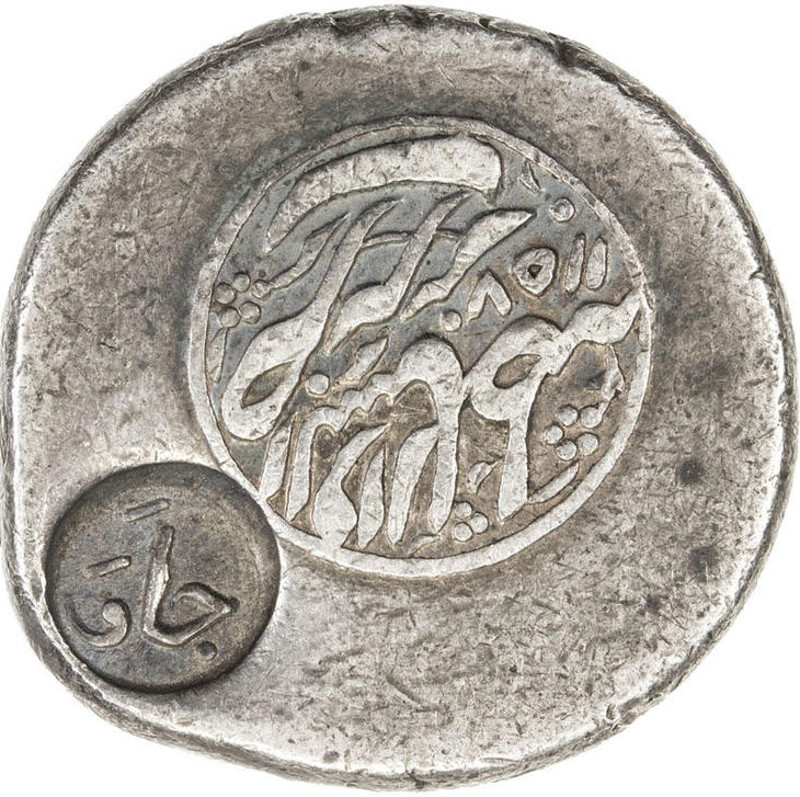 From May 2017 auction, image from Stephen Album |
|
Pillar of the Community
United States
1156 Posts |
Does anyone have a copy of "The Coins of the Dutch East Indies: An Introduction to the Study of the Series" by Sir John A. S. Bucknill? This reference was first published in 1931 and a reprint came out in 2000. The photos from this reference should preclude the most modern of forged counterstamps.
Also, many auction records mention a Scholten number (e.g.Scholten-455B). Does anyone have more information about this reference?
|
|
Pillar of the Community
United States
1156 Posts |
Here's another Java countermark on an 8 reales. This one is of interest in that it comes from the collection at Banco de Mexico. Unfortunately, this example does not have a pedigree associated with it so it's not clear when it was obtained, however some of the donated collections were built in the early 20th century. I've replaced the countermark in the middle of the bottom row with this new one, directly under the NGC example. It is a very good match to rest of the set of these examples and the host coin date fits within the range of the other 8 reales. 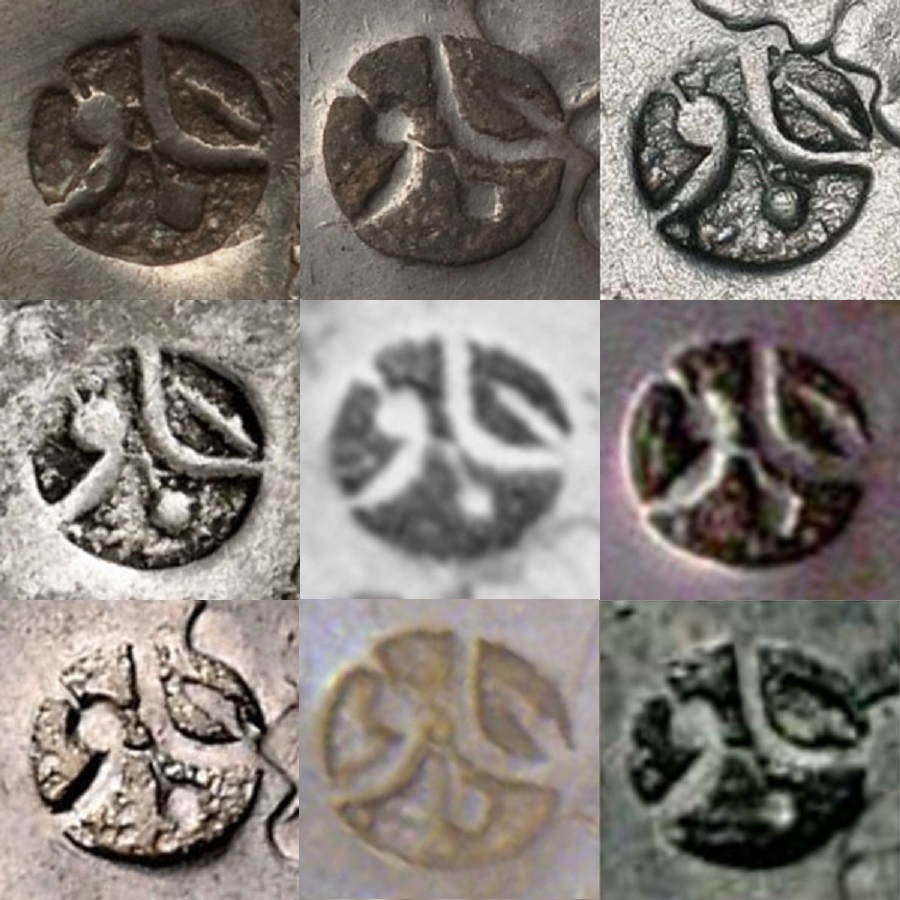 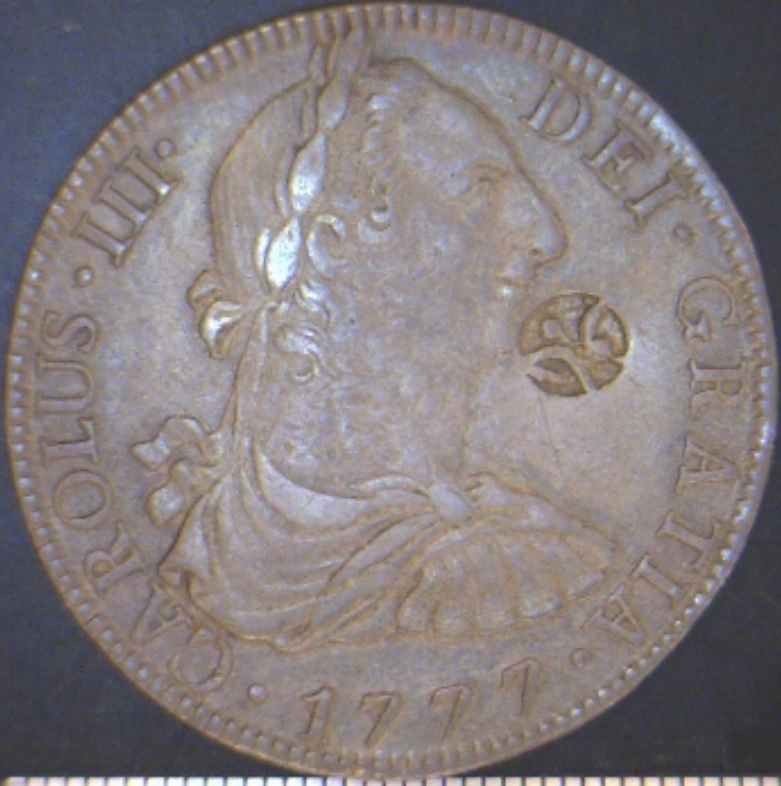 Banco de Mexico example Banco de Mexico exampleEdited by jgenn
03/23/2019 12:53 pm
|
|
Valued Member
United States
264 Posts |
jgenn, thank you so much for posting/moving this thread! Very informative! I had not seen it before. I'll be studying and referencing this for quite some time.  Quote:
Also, many auction records mention a Scholten number (e.g.Scholten-455B). Does anyone have more information about this reference?
I believe the Scholten reference is for this book: Scholten, C. The Coins of the Dutch Overseas Territories 1601-1945. Amsterdam: J. Schulmann, 1953. Hardbound. English. I pulled the copy from my library and 455 is listed in the section "GOLD (1783-1799) AND SILVER (1747-1750) JAVA RUPEES" under the SILVER subsection under another subsection titled "Persian Rupees counterstamped." This subsection lists a number of Islamic issues with counterstamps including 455 which is "Similar coin of Shah Rukh (first period of reign A.D. 1747 - 50)" and further down, still within 455 are A, B, and C. 455A reads: "Surat Rupee with the counterstamp of a horseman (see No. 16c)." 455B reads: "Spanish Real ("Real batu") carelessly struck." (3) 455C reads: "Westfrisian Gulder 1786 with <VoC symbol>"(4) with the (3) footnote reading: "Cat. B.G. p. 78 No 42" and (4) footnote reading: "Cat. B.G. p. 78 No 43." The footnotes go on to say, "No official mention of the coins under B and C has been found. As I have not seen the coin C and as it was struck at least 30 years later than the other coins with this countermark, it is difficult to determine whether the countermark is authentic. I hope this is helpful. Please let me know if I can be of further assistance in any way. I'll continue reviewing this thread to enhance my understanding of this subject and see if I can find the Cat. B.G. references. |
|
Pillar of the Community
United States
1156 Posts |
Thanks for connecting the Scholten number to "The Coins of the Dutch Overseas Territories 1601-1945"
As this thread has become a visual reference to countermarks from photographs of hosts that are available online, I would like to see any relevant photos from the Scholten book.
|
|
Valued Member
United States
264 Posts |
Indeed, that was my first thought as well. Alas, the plates for the book jump from 451 to 457, omitting images for the subject coins. The only Java countermarks images found are for 438. 438a Dutch ducat 1750 Holland with countermark 438d Dutch ducat 1758 Utrecht with countermark (only one side shown) 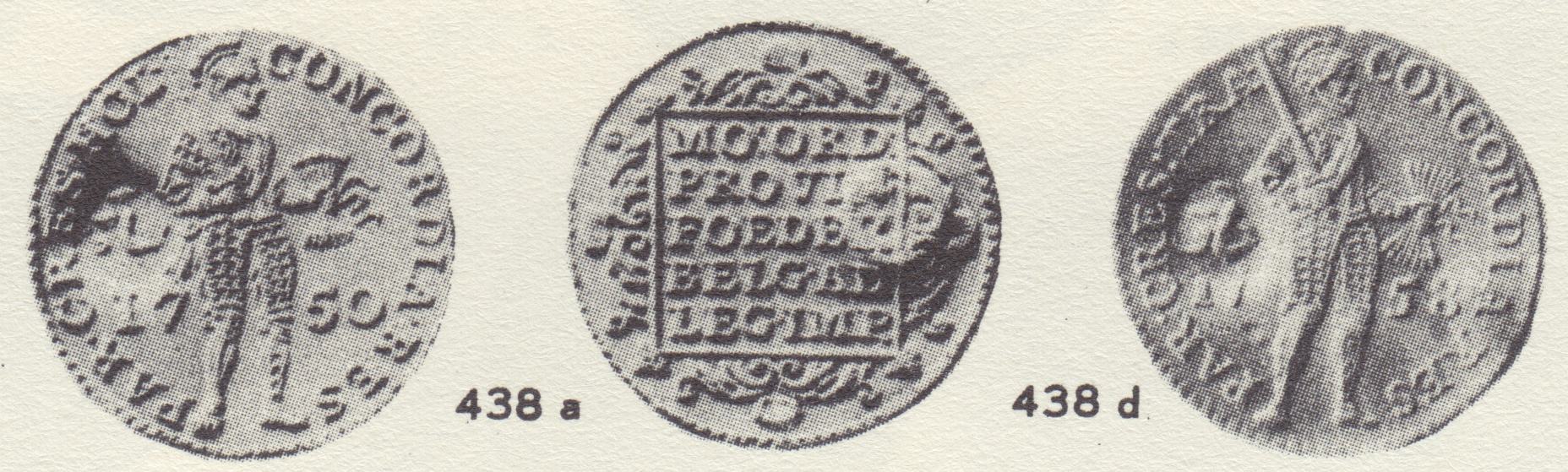  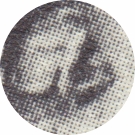 Hope this helps. |
|
Pillar of the Community
United States
1156 Posts |
Thanks for those photos. The countermarks are clearly different from each other and I'm not sure they match any of the others that I have already shown. I'm glad I don't own any of those because I doubt I'd be satisfied with their authenticity.
Edited by jgenn
04/07/2019 5:52 pm
|
|
Pillar of the Community
United States
1156 Posts |
In case anyone is interested, Stephen Album is offering one of the pictured java counterstamp on 8 reales examples in an upcoming auction. It's the third one pictured in the original post. JAVA: AR ducaton (taler, daalder), KM-184, Hafner-J1, countermarked djawa (Java) in Jawi script on Peru 1774-LIMAE 8 reales, assayer MJ, VF. Can anyone shed some light on the Hafner reference? edit to add: this must be the Hafner of the Maria Theresa Thaler reference? edit2: thanks to austrokiwi, I understand this to be an incorrect reference attributed to Hafner. J1 refers to Guenter Roeck's research to which I had already found and linked to in my first post. I have notified the auctioneer of the error. Edited by jgenn
05/16/2019 8:28 pm
|
| |
Replies: 10 / Views: 5,784 |
|










 Posted 03/12/2019 08:24 am


