| Author |
 Replies: 10 / Views: 1,506 Replies: 10 / Views: 1,506 |
|
|
Bedrock of the Community
United States
11964 Posts |
Edited by numismatic student
03/08/2019 7:27 pm
|
|
|
|
Pillar of the Community
 United States
8946 Posts |
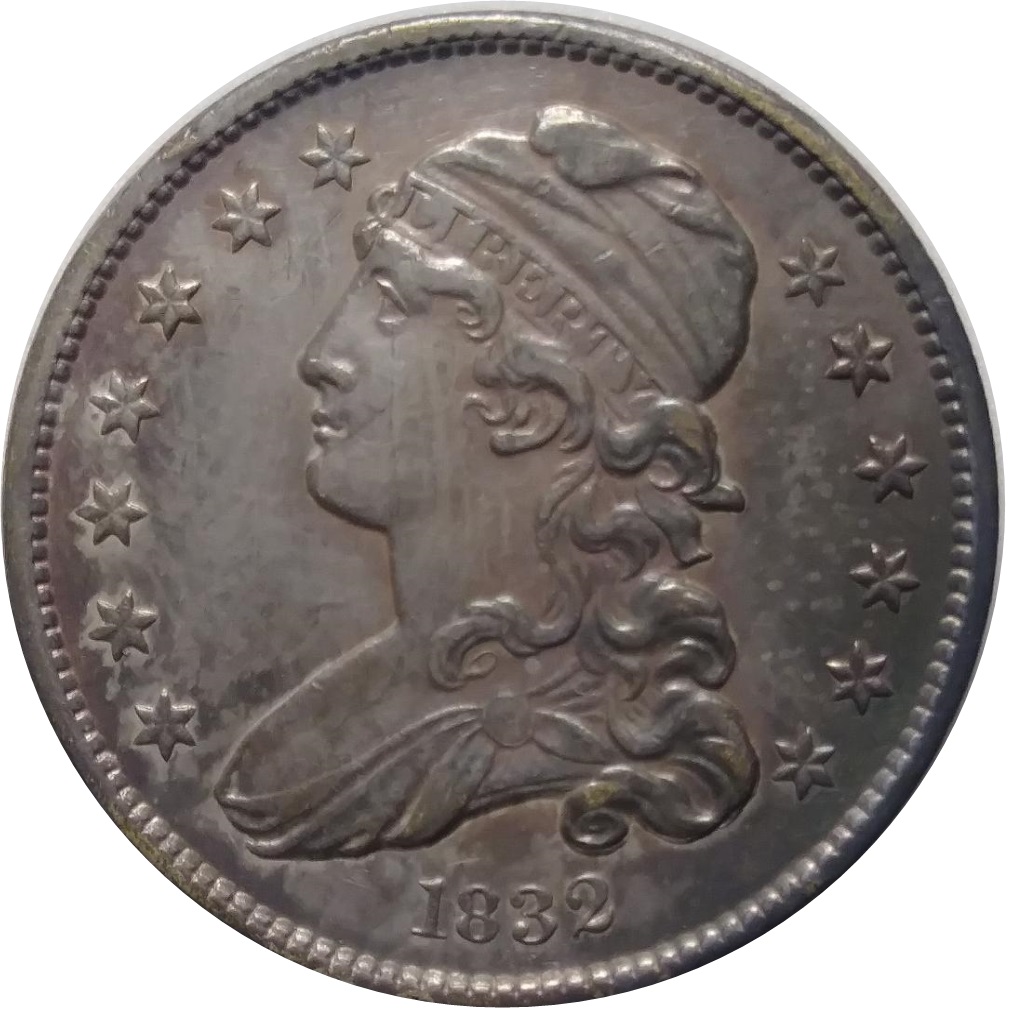
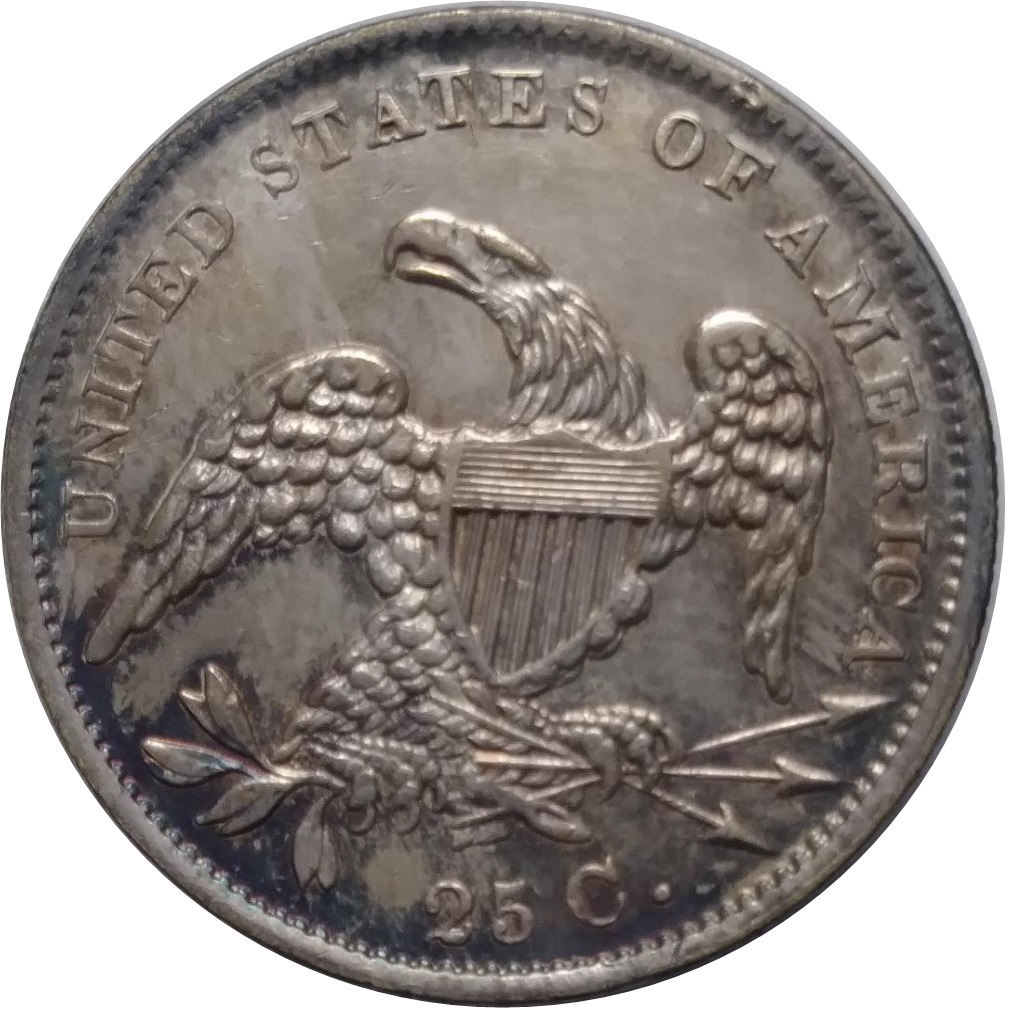
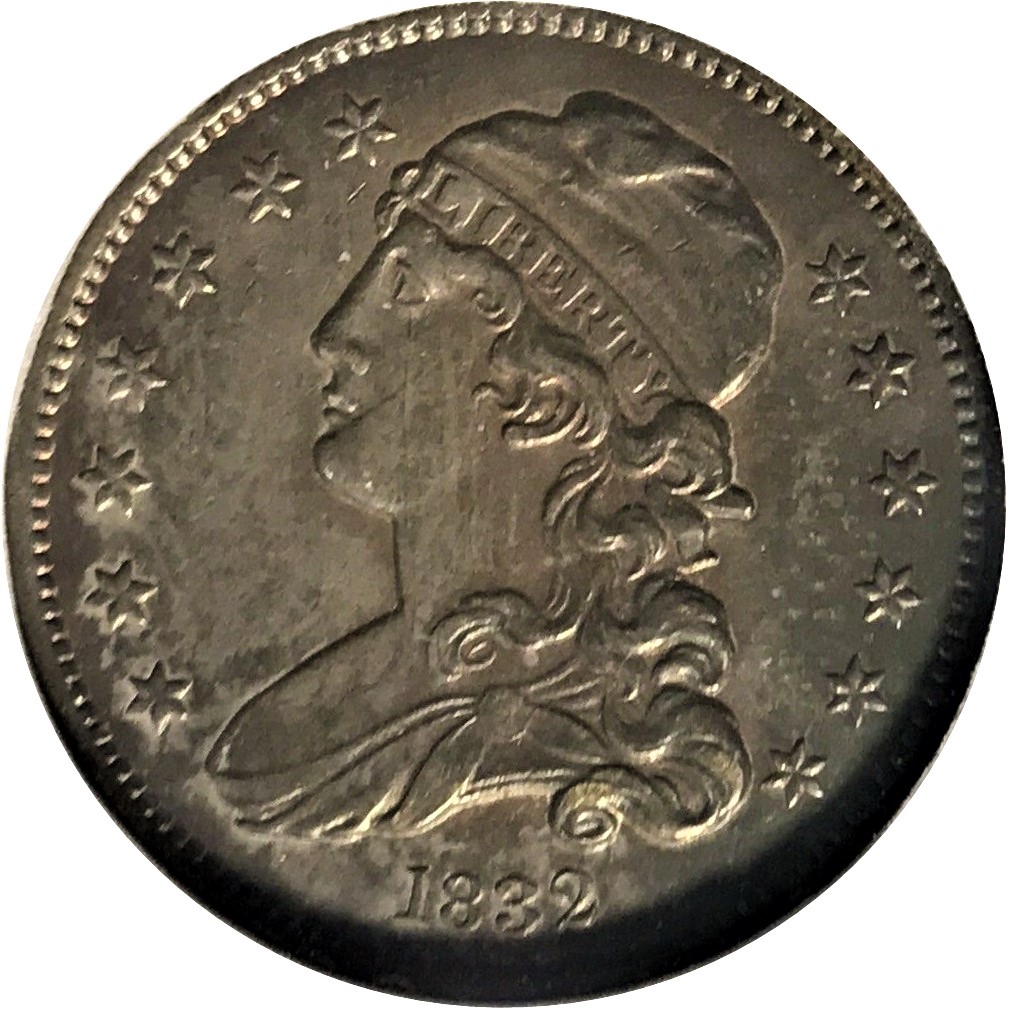
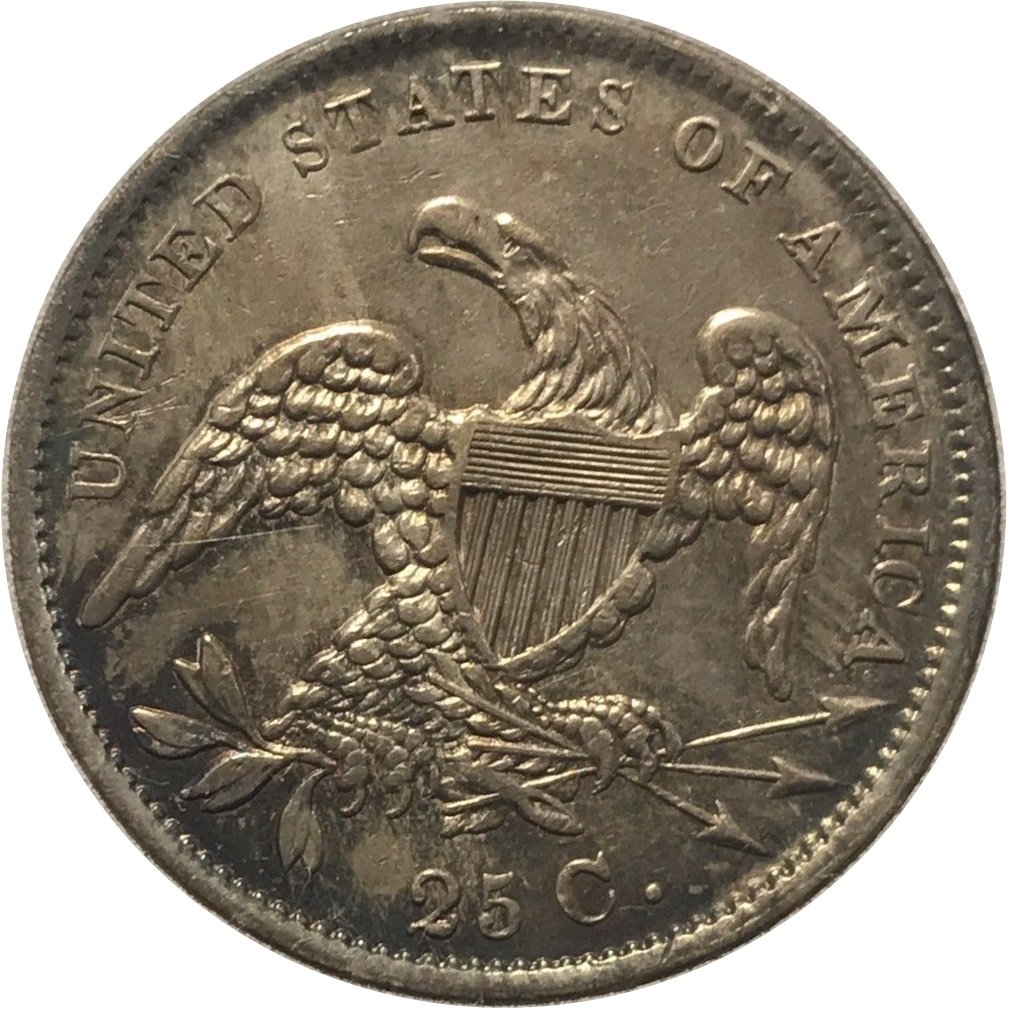
AU Details if that strip is on the reverse
|
|
Pillar of the Community
United States
5825 Posts |
Yours is definitely a Browning-1.
It is a Rarity-1 (Common).
I agree with AU.
A DETAILS designation is a close call.
|
|
Bedrock of the Community
 United States
11964 Posts |
Quote:
It is a Rarity-1 (Common). PCGS estimates that approximately 2,300 examples of the 1832 quarter survive out of a total mintage of 320,000. That would correspond to R4.5 in any grade. PCGS has graded 92 coins in au grades and NGC has graded 53 coins in au grades. ANACS has graded 36 and icg has slabbed another 8. Further assume that these were all different coins ignoring resubmissions. That adds up to 189 coins by the four services. Say maybe another 50 aren't slabbed in au. At about 239 existing pieces at au, this coin would be closer to R6.7 in this grade. At PCGS R1.0 means that over 1 million surviving specimens of a coin exist. This coin had a mintage of just 320,000 in total. Using other rarity scales, 239 coins usually falls between R3 and R5. 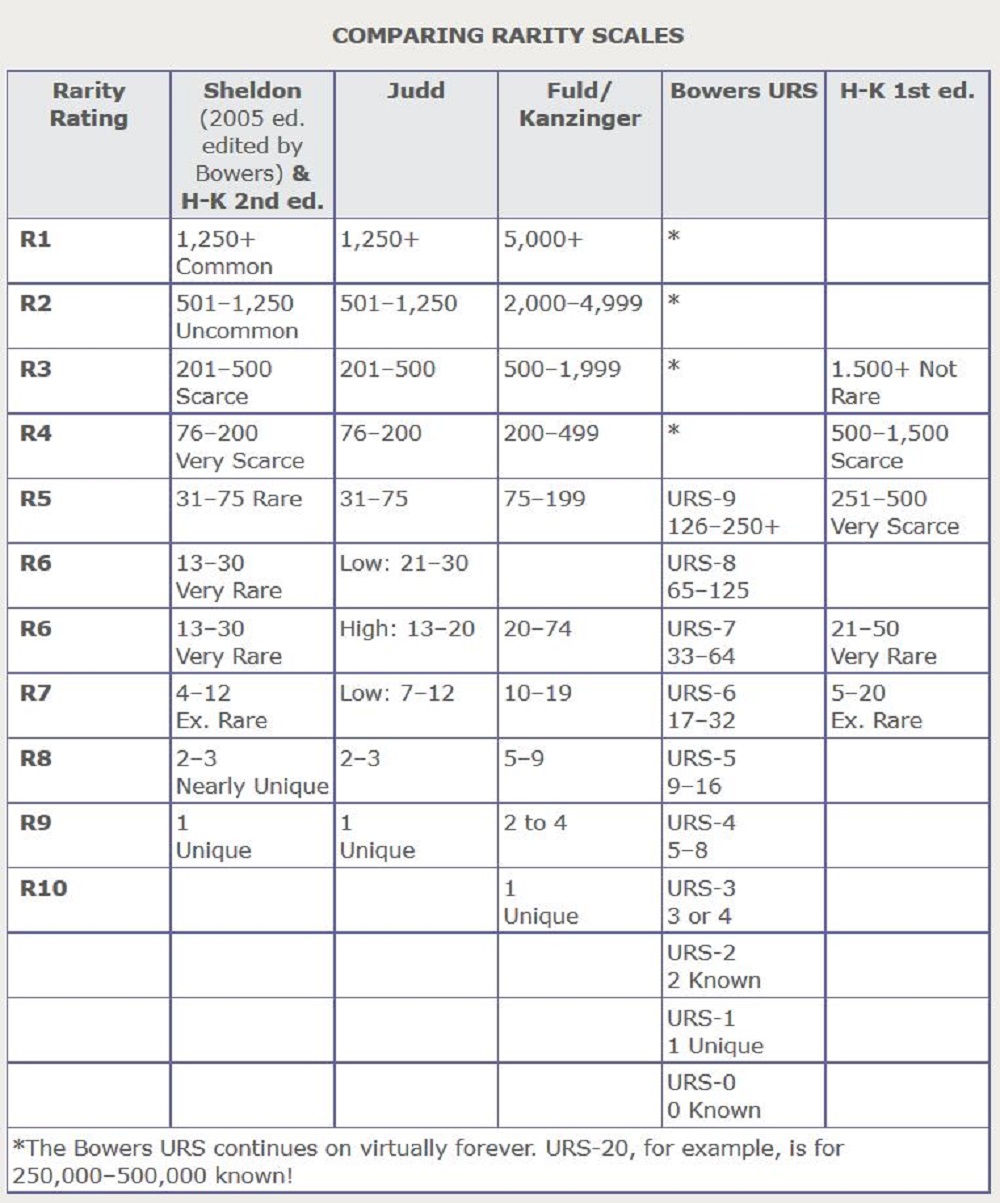 Edited by numismatic student
03/08/2019 10:20 pm
|
|
Bedrock of the Community
Australia
21792 Posts |
AU55.
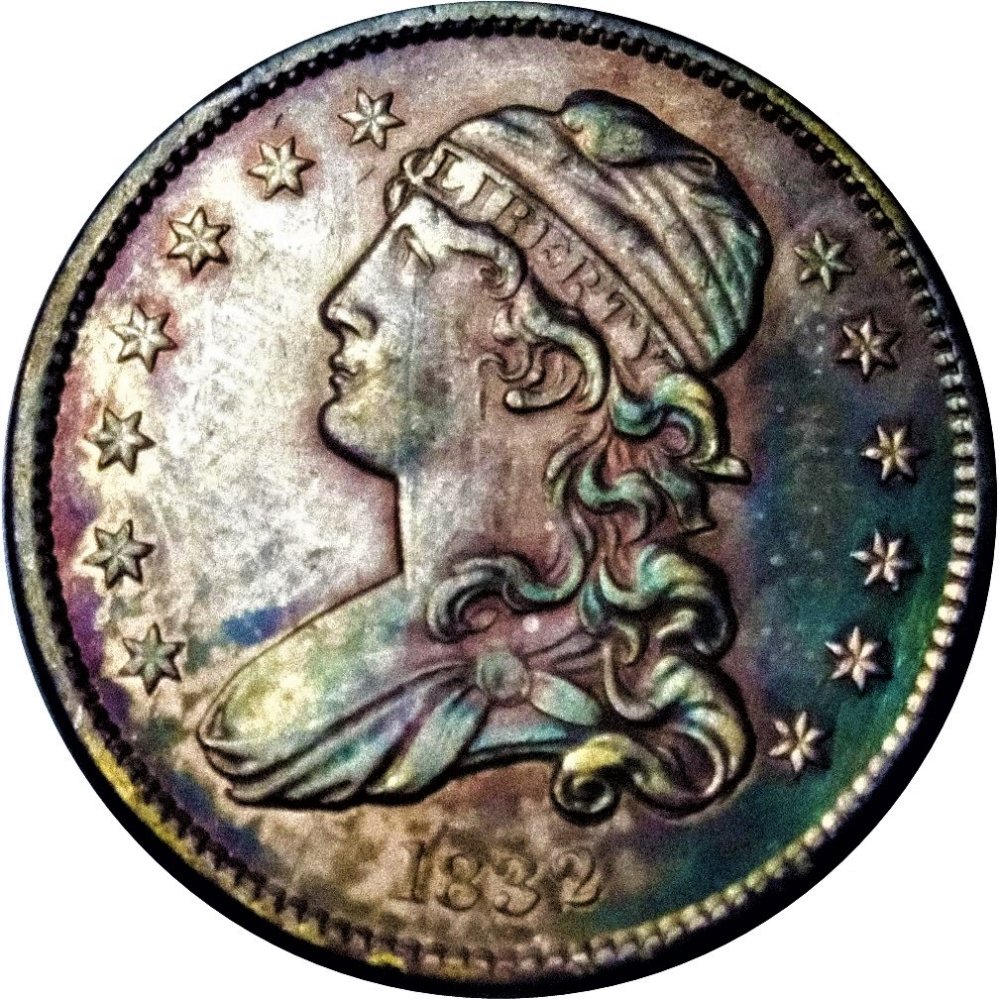
I think the 'details' only apply to the patina.
If sent to a TPGrader, there is a strong chance that the 'details' will not be mentioned.
|
|
Bedrock of the Community
United States
94367 Posts |
|
|
Pillar of the Community
United States
1339 Posts |
That is a nice rare coin! not sure it's a details coin. probably not.IMHO
|
|
Bedrock of the Community
United States
11964 Posts |
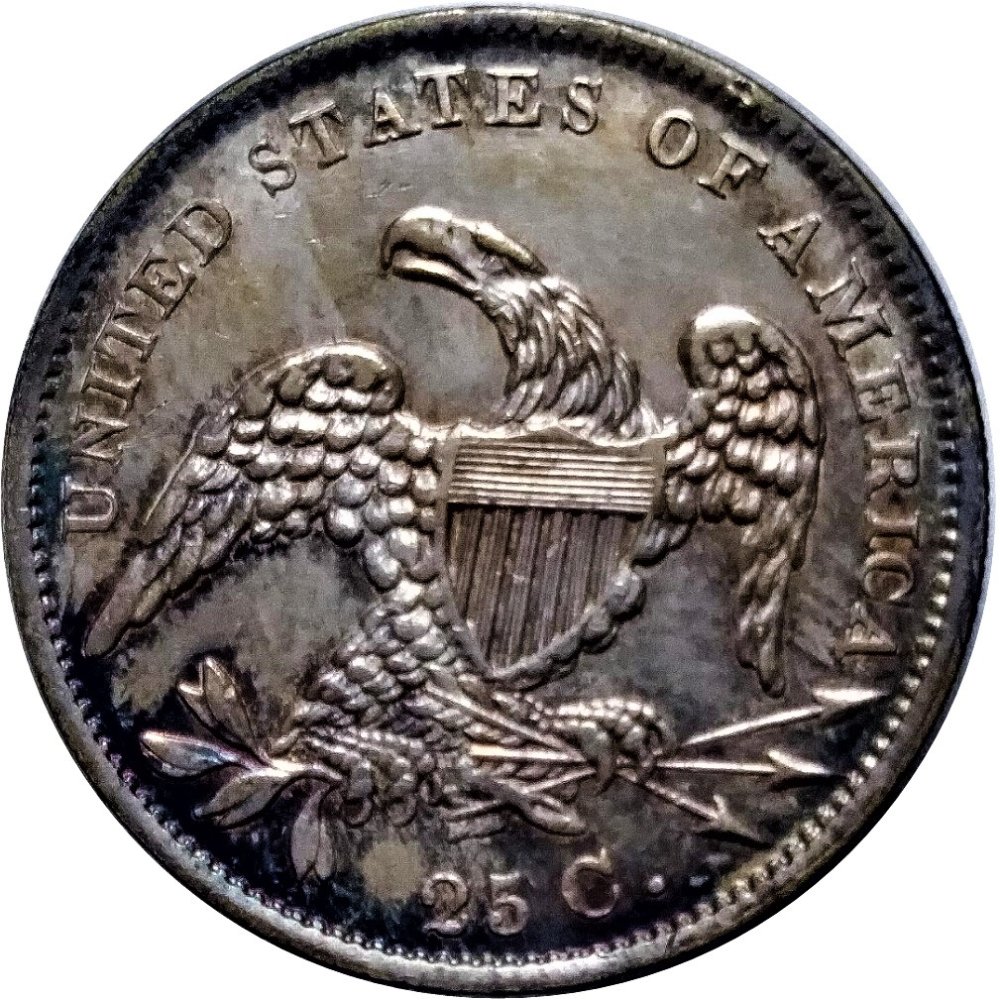
To me it was interesting that according to Joe O'Connor (Is that our Connor on these boards-our resident cbq specialist?), the two reverse dies for this coin were known to have been used to strike the 1831 issue. In spite of that it looks like the strong, sharp reverse strike appears to be the product of a still early die state (EDS) impression. Maybe the reverse dies were still fresh after striking a few 1831 coins and it makes sense that Mint officials would have chosen the best reverse dies remaining from the 1831 run. It appears that dies and hubs were more expensive to produce back then and the Mint tried to save where it could. Given that the obverse die was unique to this date run, I would have expected the obverse strike to be stronger than the reverse strike, but the opposite seems to be true in the case of this coin.
|
|
Pillar of the Community
United States
8715 Posts |
|
|
Bedrock of the Community
United States
37029 Posts |
|
|
Bedrock of the Community
United States
11964 Posts |
|
| |
Replies: 10 / Views: 1,506 |
|








 Posted 03/08/2019 8:51 pm