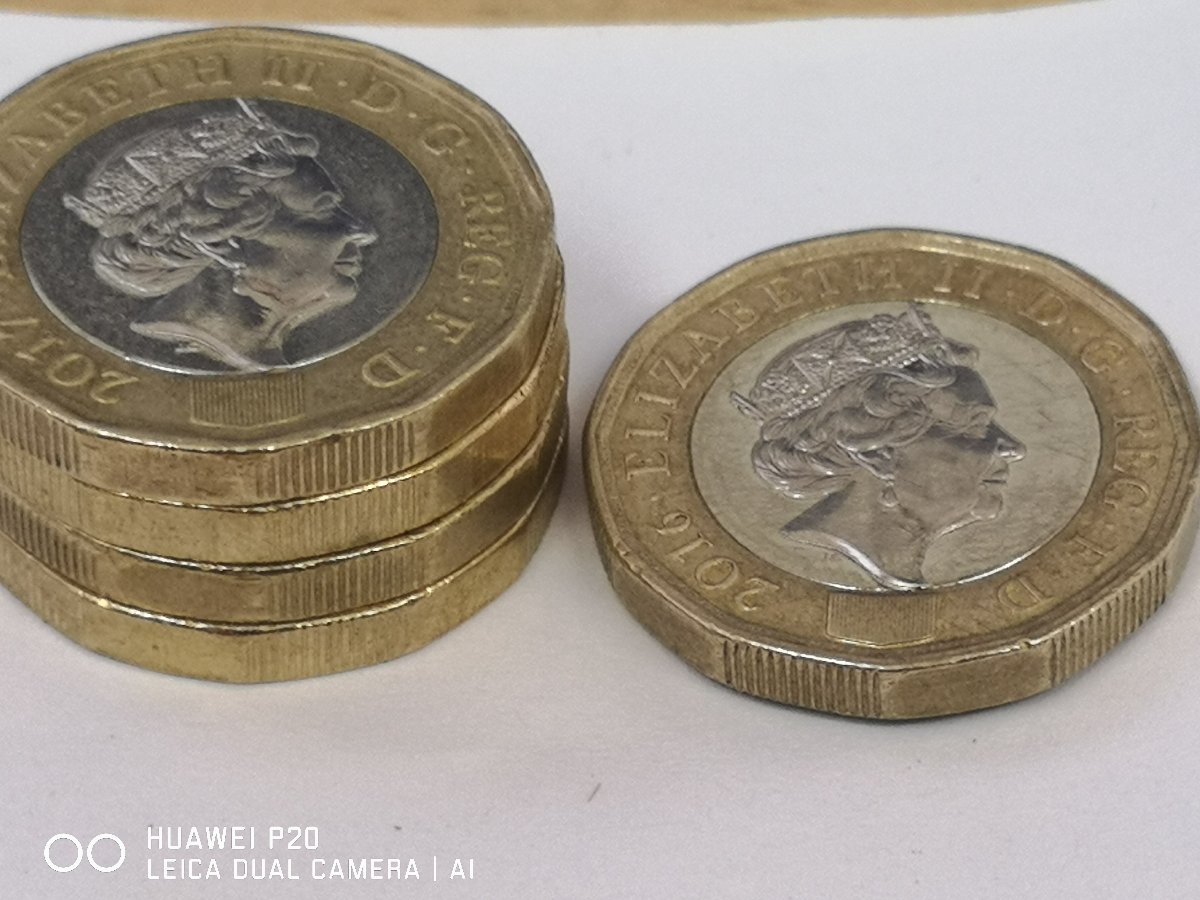
I saw an explanation on another forum. With these coins the obverse, reverse and edge milling are all put on in a single striking, so the much hyped on the £2 coins "upside down edge" is not possible. So the only way this can happen is if a die has been incorrectly set up in the machine.
The Royal Mint wont acknowledge as an error, but I think it must be, and they seem to have fixed the problem as time has gone by. (Around 1 in 20 had this error in 2016, but around 1 in 800 for 2017. Not certain yet if it occurs at all on the 2018 and 2019 coins.)
The link in my post above goes into more detail on this and other errors (real, imagined and manufactured) on these coins.












 Posted 06/06/2019 09:26 am


 to the Community!


 I got about five bags of 2016-dated £1 coins when they first came out and found about 4 like this (out of 80 coins). I haven't found any for any other dates though.


