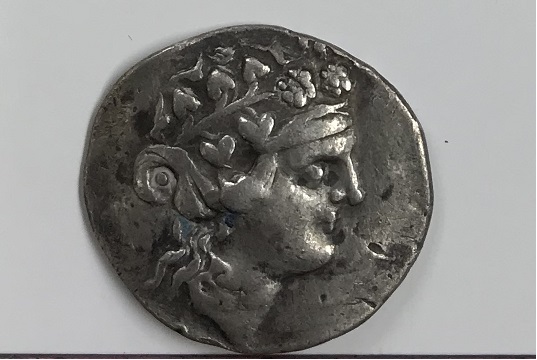
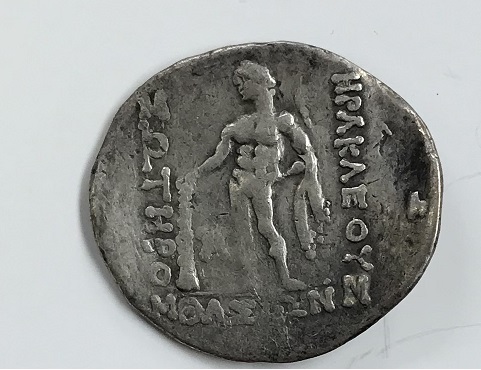
Saw an example with similar style on Google Images:
Thrace,
after 148BCI am happy with the style.

If you do a Google Images search for
'
Danube Celts imitation tetradrachm', the range of die cutting styles is not similar.
I hope that I am wrong, but
I am a little concerned that the coin pictured may not be genuine, because the 'pasty' surface texture often associated with pressure cast fakes may have been polished to remove this diagnostic feature.
XRF testing** needed to prove my suspicion wrong.
On the other hand, it is possible that the reverse has been fine abrasively cleaned after recovery from ground burial, and the coin is genuine.
**The ancients could not refine silver much above 98% pure although sometimes they did tend to add a tiny amount of alloy. What you are looking for with XRF test with ancient coins is wide range of impurities in the small proportion that is not silver. With modern alloys, the alloy mix is much more discreet, with only copper in the alloy.











 Posted 05/20/2020 02:46 am


