











 to the Community!


 Posted 01/01/2021 03:27 am


Hello and welcome. 
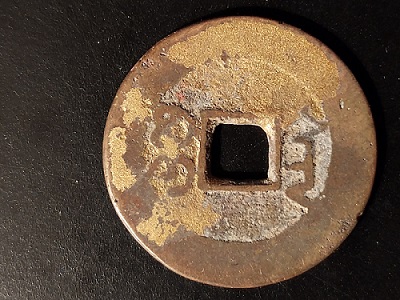
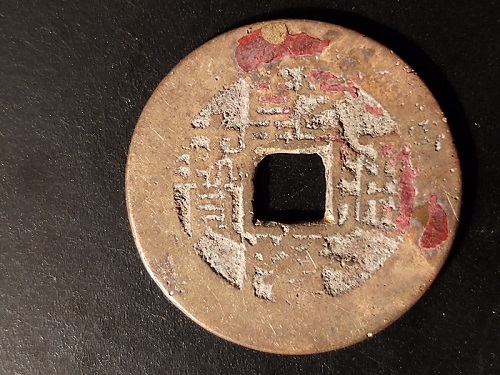
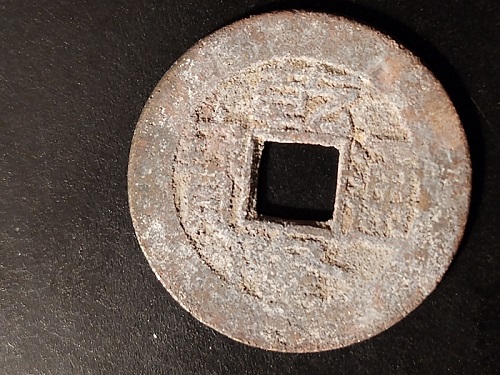
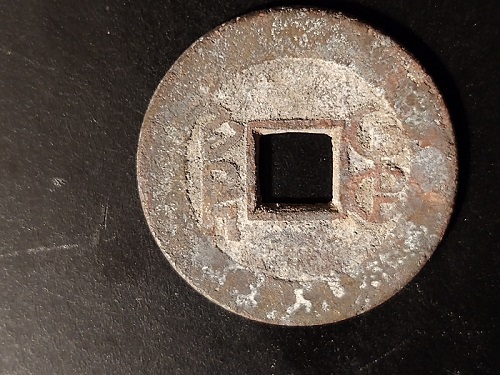
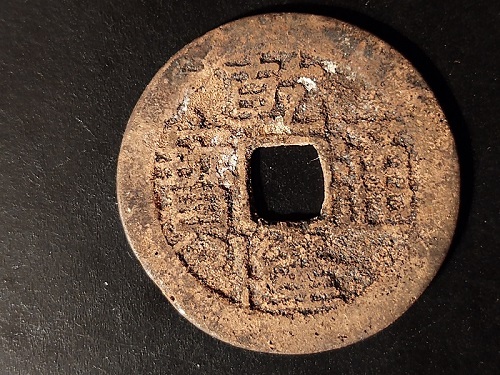
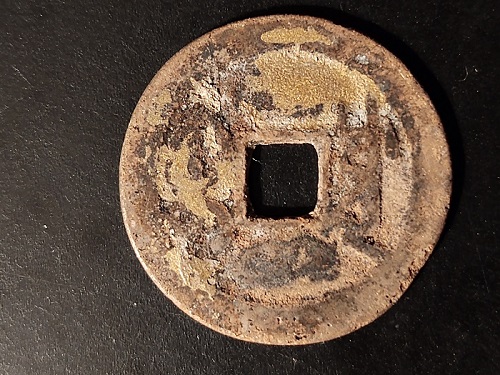
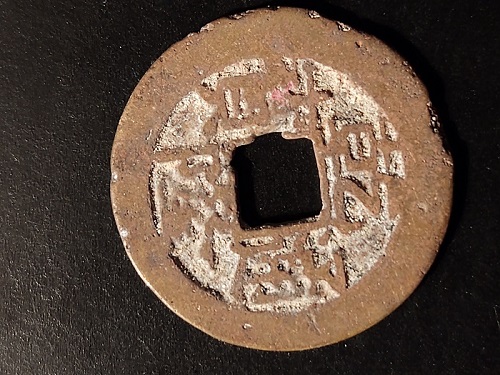
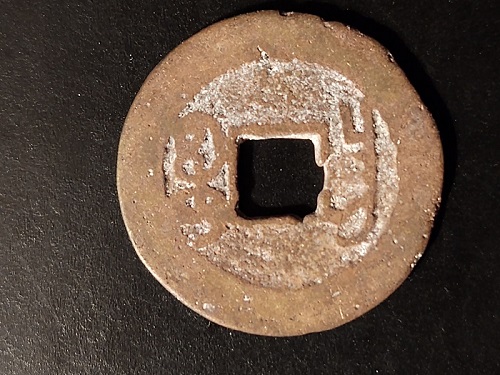
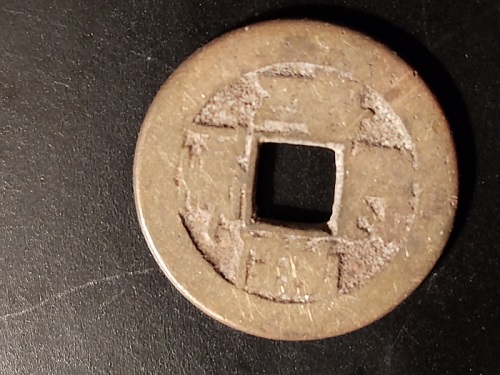
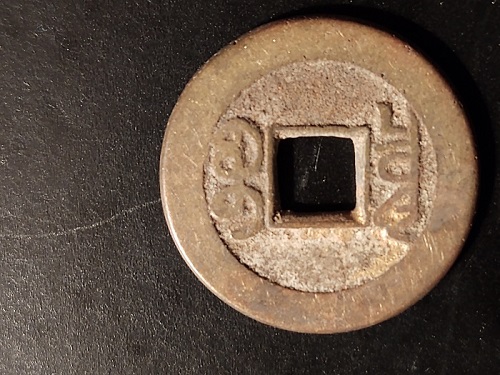
They are all indeed Chinese, and all from the same emperor - the Qian Long emperor, who reigned 1735-1796. Three of them - numbers 2, 3 and 5 - are from the same mint, the Board of Revenue mint in Beijing. Coin #1 is from the mint in Xi'an, capital of Shaanxi province. Coin #4 is from the city of Nanchang, in Jiangxi province.
Note: if you are looking these coins up in Western catalogues (such as Krause), then the spelling of Chinese words may be different. The above spellings are in the "Pinyin" style currently preferred by the mainland regime. Written using Wade-Giles or "old-style", as is still the fashion in Taiwan and Hong Kong, the Emperor's reign-name is Chi'en Lung and the place names are Peking, Sian, Shensi, Nanchang and Kiangsi, respectively.
They are all indeed Chinese, and all from the same emperor - the Qian Long emperor, who reigned 1735-1796. Three of them - numbers 2, 3 and 5 - are from the same mint, the Board of Revenue mint in Beijing. Coin #1 is from the mint in Xi'an, capital of Shaanxi province. Coin #4 is from the city of Nanchang, in Jiangxi province.
Note: if you are looking these coins up in Western catalogues (such as Krause), then the spelling of Chinese words may be different. The above spellings are in the "Pinyin" style currently preferred by the mainland regime. Written using Wade-Giles or "old-style", as is still the fashion in Taiwan and Hong Kong, the Emperor's reign-name is Chi'en Lung and the place names are Peking, Sian, Shensi, Nanchang and Kiangsi, respectively.
Don't say "infinitely" when you mean "very"; otherwise, you'll have no word left when you want to talk about something really infinite. - C. S. Lewis


