










 Posted 02/10/2022 6:13 pm


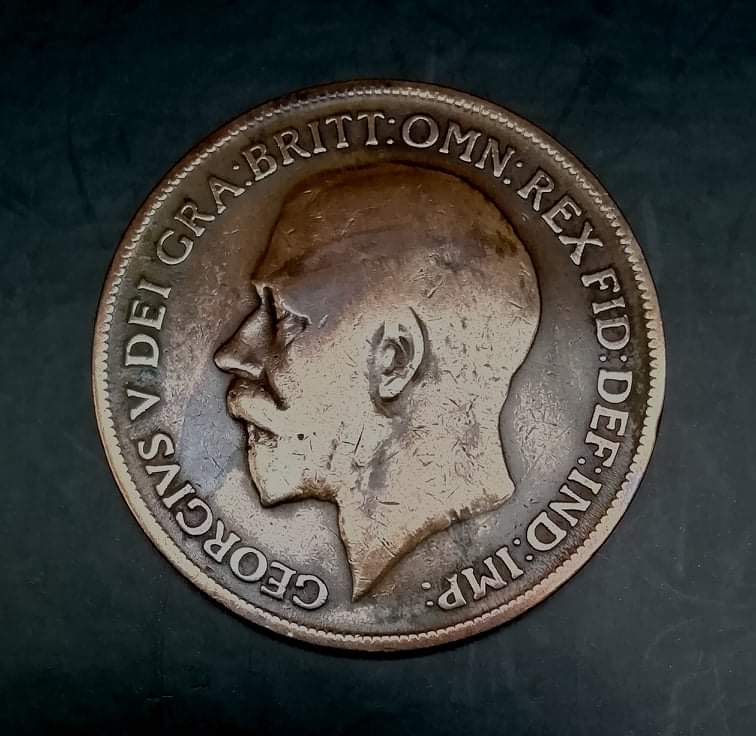
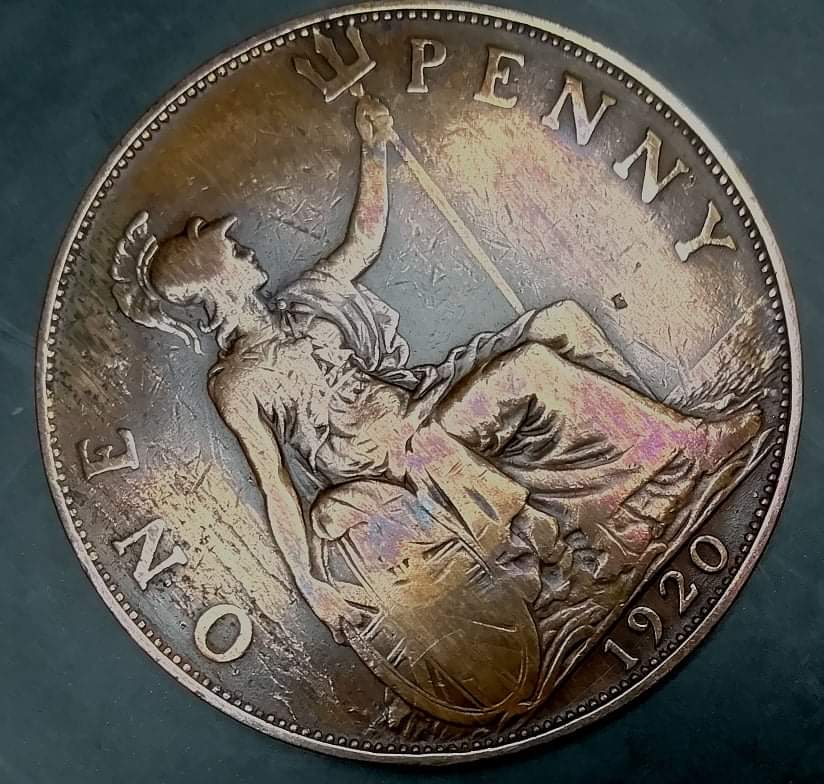
The 1920 has, unfortunately, been cleaned. Perhaps it "needed" to be cleaned, if it were a metal detector find for example, but it is nevertheless a "cleaned coin". Nobody in Britain would want it, as there are plenty of uncleaned examples of this coin to be had, with this same level of wear, for less than a pound. I can;t tell if the hazing over ont he left hand side is a result of removed corrosion, or some kind of minor lamination flaw; either way, it is not worth a premium as an error.
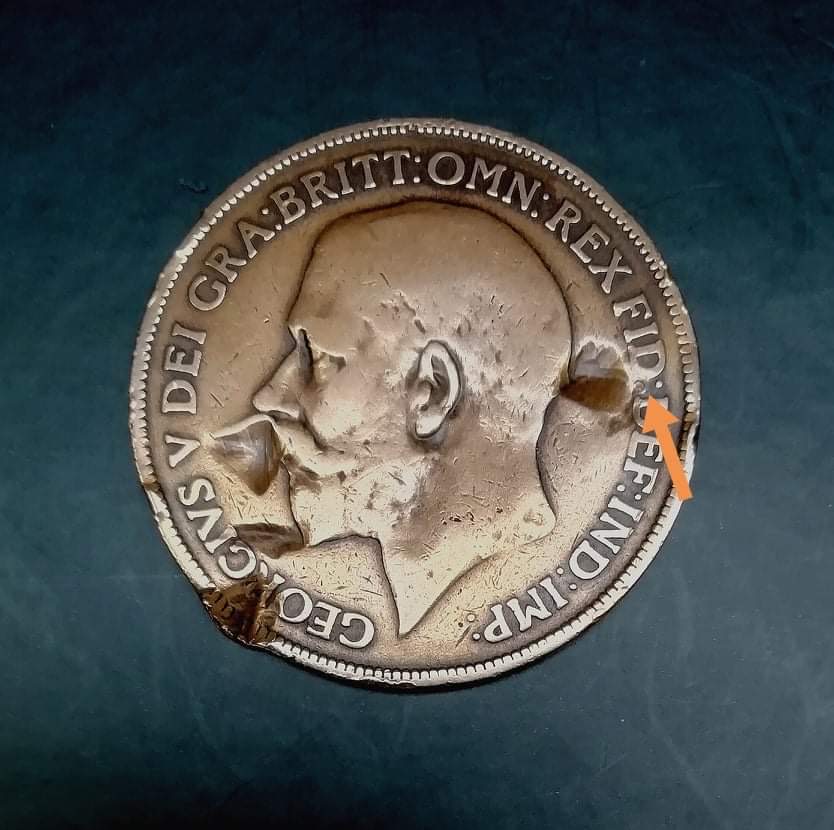
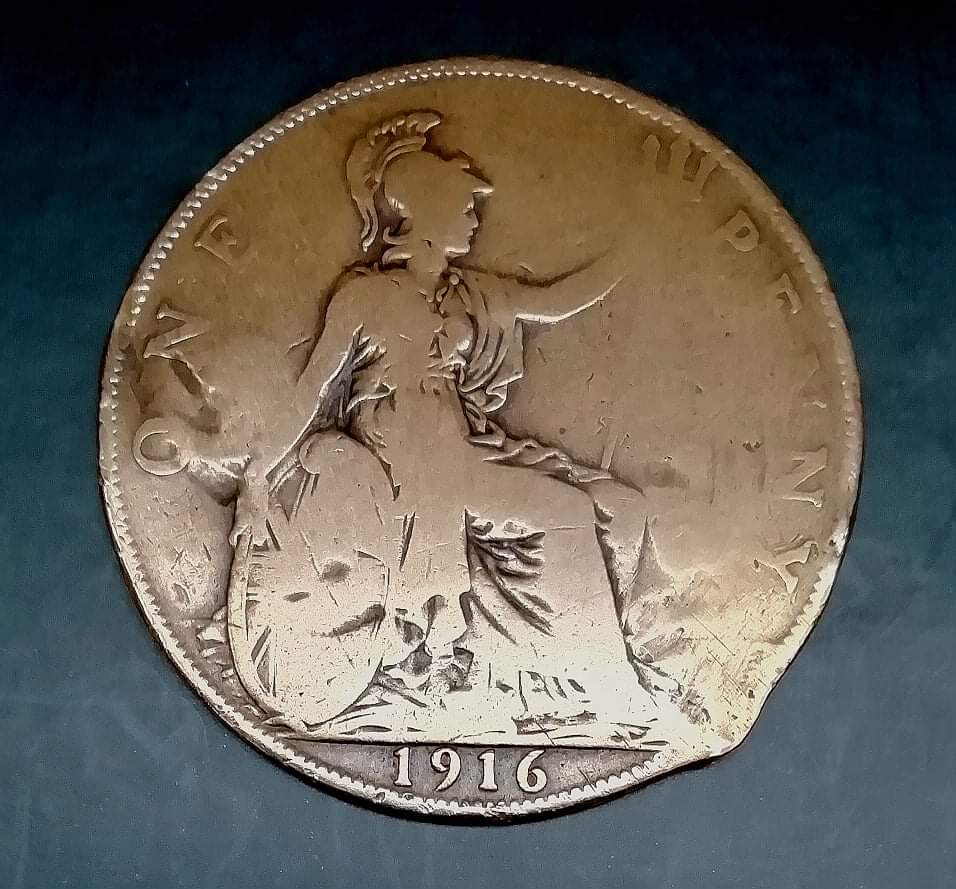
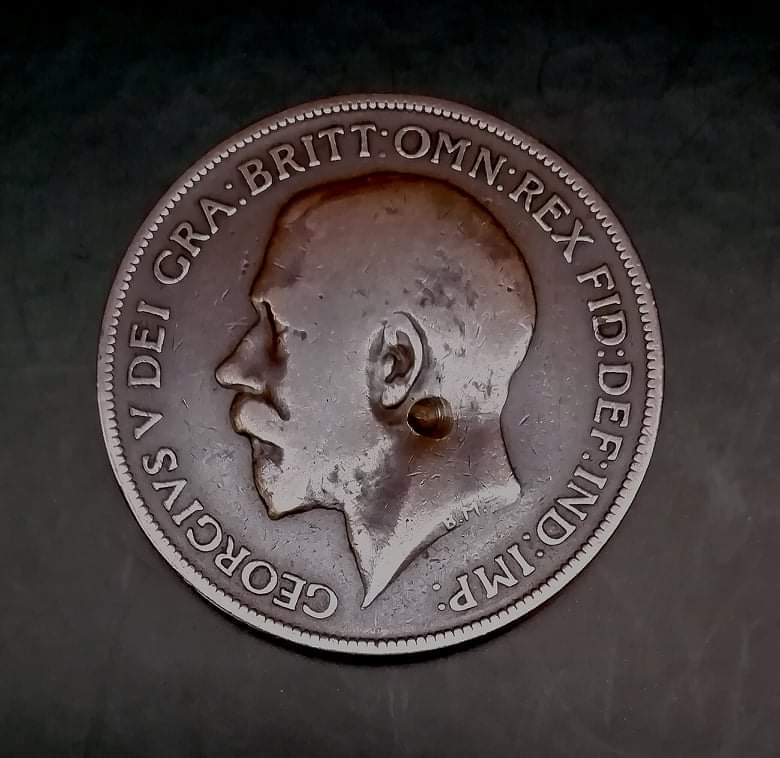
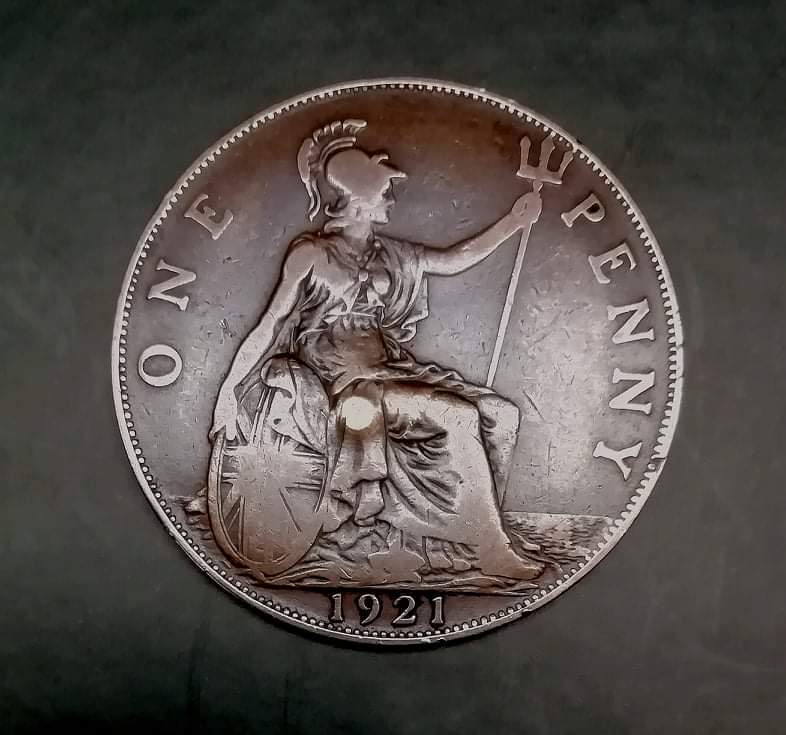
The 1916 and 1921 are just damaged/dented. I mentioned this in an earlier thread of yours; you can see the dent being pushed through to the other side of the coin, raising a lump in that spot. This is indicative that it is just damage, and not a mint error.
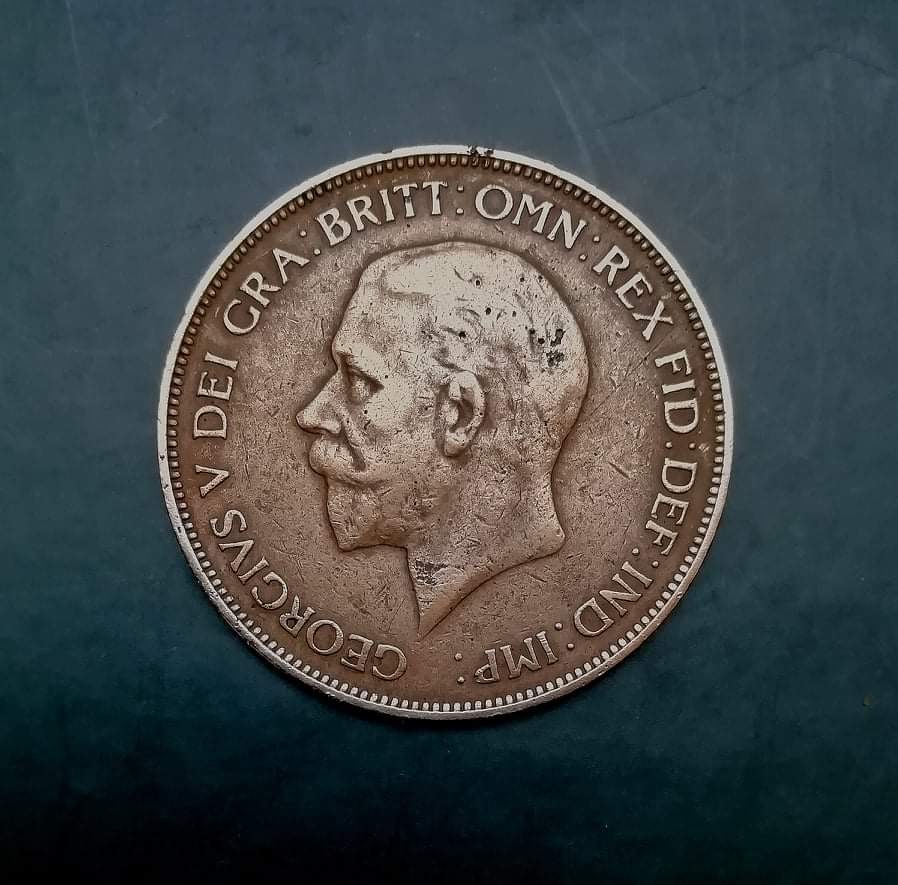
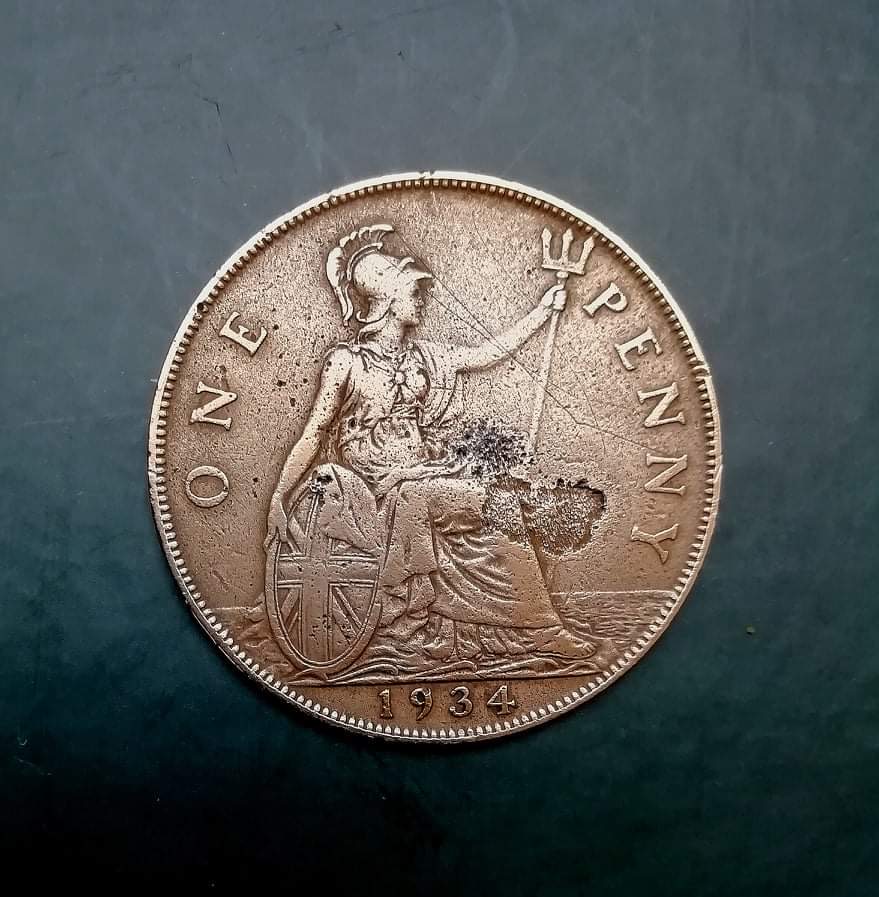
The 1934 was obviously badly corroded, and then cleaned with acid or ammonia to remove the corrosion, leaving an overall porous surface and numerous "craters" where the corrosion went a bit deeper.
The 1916 and 1921 are just damaged/dented. I mentioned this in an earlier thread of yours; you can see the dent being pushed through to the other side of the coin, raising a lump in that spot. This is indicative that it is just damage, and not a mint error.
The 1934 was obviously badly corroded, and then cleaned with acid or ammonia to remove the corrosion, leaving an overall porous surface and numerous "craters" where the corrosion went a bit deeper.
Don't say "infinitely" when you mean "very"; otherwise, you'll have no word left when you want to talk about something really infinite. - C. S. Lewis


 with the above.


