|
This page may contain links that result in small commissions to keep this free site up and running.

Welcome Guest! Registering and/or logging in will remove the anchor (bottom) ads and the security checks. It's Free!
To participate in the forum you must log in or register. | Author |
 Replies: 48 / Views: 4,450 Replies: 48 / Views: 4,450 |
|
|
|
Pillar of the Community
Russian Federation
5186 Posts |
Excellent coins everyone! So much stuff that's far over my budget...
Most of what I would think of as my best purchases of 2022 had really occurred in November-December 2021, before my favorite coin store had apparently closed its doors (or at least I've never seen its doors open any time I visited in 2022).
I'll have to look through my photos to see if I even have enough for a top ten... and it's possible that some of the coins that would have been there will have to remain unposted because I didn't take good pics of them before leaving Moscow.
(I'm also very much looking forward to checking out some Israeli coin shops, though I'm not sure if I'd have any focus on medieval or ancient coins while here... don't want to get in conflict with antiquities laws. Anyone here can recommend good places for coins in Israel, especially up north?)
|
|
Pillar of the Community
  Spain
2752 Posts |
Wonderful line up Mike  You do have a good eye for the portraits.. I assume the 2 not seen here before are #4 Denarius, lovely looking coin with great movement on the reverse and super Roma portrait. I love the way the helmet is decorated with a "griffin". #10 Carthage, what a lovely big bronze, great detail! Congrats on a great 12 months collecting and I look forward to seeing what beauties you pick up in the following year. Thanks for sharing. Ps...If collectors don't have 10 examples you are welcome to post your top5,top3 or only 1..  Edited by Palouche
12/15/2022 06:52 am
|
|
Valued Member
United States
319 Posts |
Paul, the two not-seen-before are: you guessed correctly with #4, the denarius...but the second is #3, the Faustina As. Both are "unique" to the collection. My only denarius, silver, and small variety in the Purpurio... and Faustina is the only Augusta. I plan to create a separate topic for each in the coming weeks. My last two pick-ups of 2022 ended up in my top four. Not bad!
This is a fun Topic, Paul. Thank you for starting it. Great idea!
Edited by circusmax120
12/15/2022 11:18 am
|
|
Pillar of the Community
United States
7067 Posts |
Well, missed out on some items I was really hoping to win here in the last month of the year. Que sera sera. So, I'll get the top ten coins posted here. I'm much more stoked about the antiquities acquisitions this year - and will post that list separately, at some point soon. Probably only purchased about 15 coins this year. Here are ten of them. #'s four and three below are from Parthia. All others are from Elymais. #'s seven and six are sellers' pics since those two coins are en route. 10.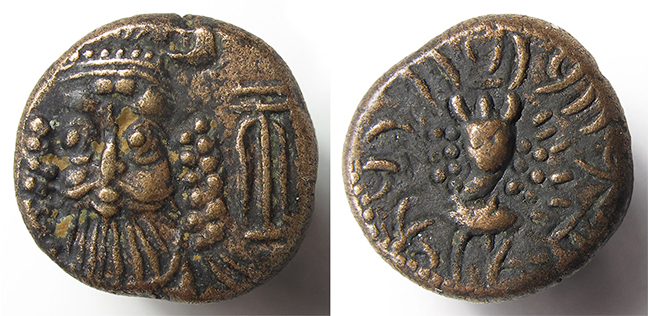 Kamnaskires-Orodes* Kamnaskires-Orodes*AE drachm, early to mid 2nd century AD Van't Haaff type 12.2 *This coin could be a transitional issue, from among the varieties of van't Haaff type 13.1, of Kamnaskires-Orodes' successor, Orodes II. With the reverse legend somewhat unclear and likely corrupted, it may be impossible to determine which of these two rulers actually issued the coin. Both types - VH 12.2 and VH 13.1 - exhibit the abstracted facing Belos on the reverse. 9.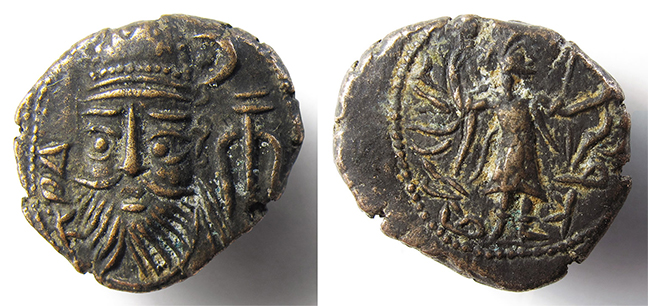 Phraates PhraatesAE drachm, early to mid 2nd century AD Van't Haaff 14.1.1-1C 8.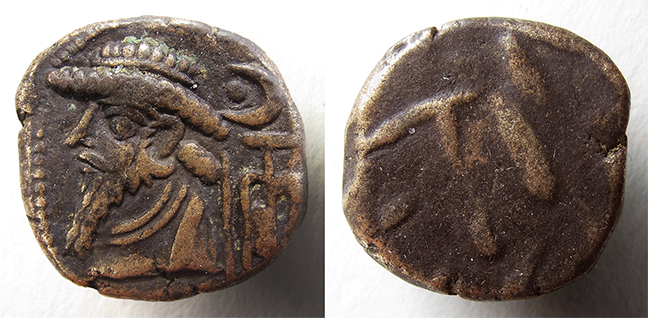 Uncertain Early Arsacid Kings Uncertain Early Arsacid KingsAE drachm, late 1st century BC to early 2nd century AD Van't Haaff 10.3.2-4 7.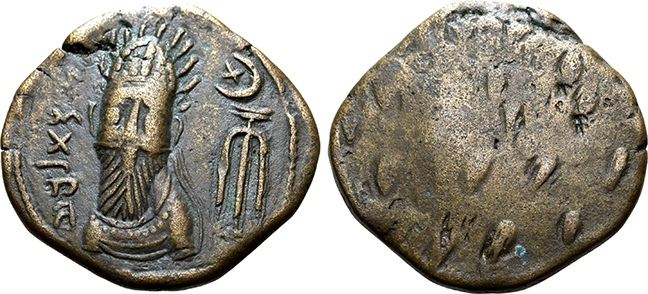 Orodes II Orodes IIAE tetradrachm, early to mid 2nd century AD Van't Haaff 13.3.1-3A 6.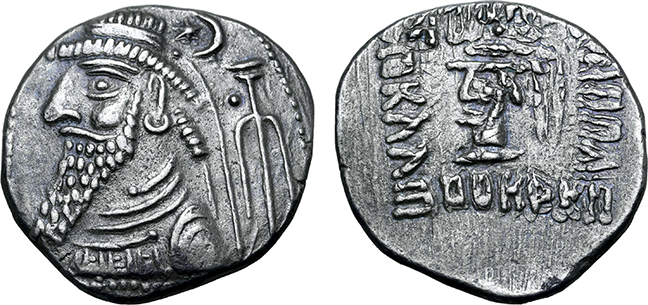 Uncertain Early Arsacid Kings Uncertain Early Arsacid KingsAE tetradrachm, late 1st century BC to early 2nd century AD Van't Haaff 10.3.1-1B 5.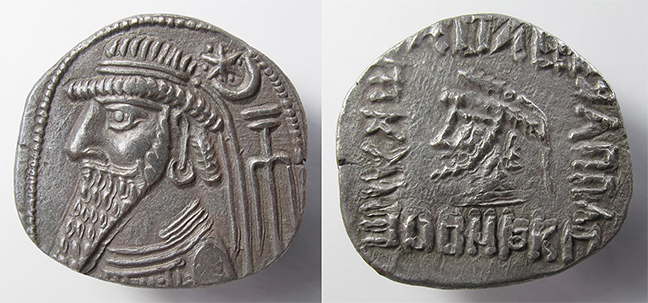 Uncertain Early Arsacid Kings Uncertain Early Arsacid KingsBI (AR?) tetradrachm, late 1st century BC to early 2nd century AD Van't Haaff 10.3.1-1A 4.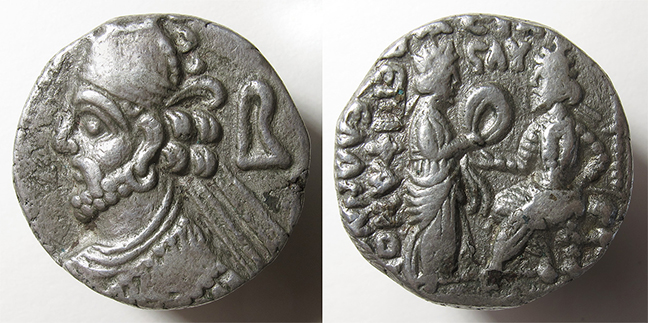 Vologases III Vologases IIItetradrachm, 105 - 147 AD (struck 124 - 125) Sellwood 79.17 3.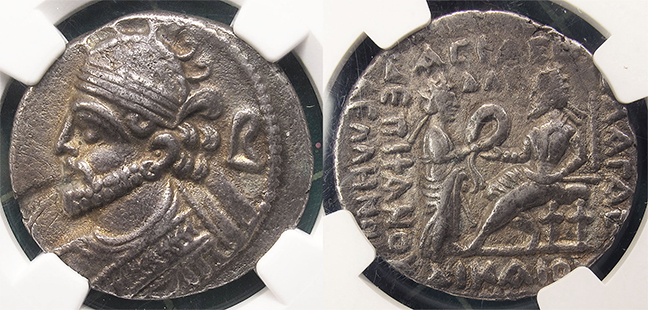 Vologases III Vologases IIItetradrachm, 105 - 147 AD (struck 122 - 123 AD) Sellwood 79.8 or 79.10 2.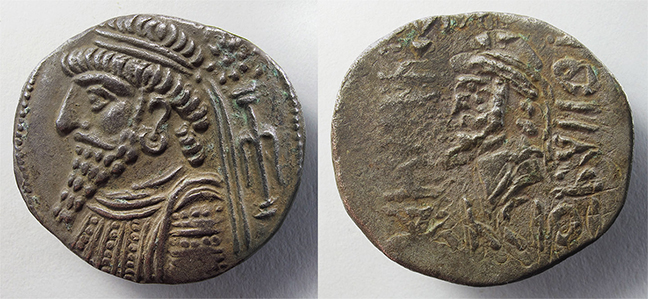 Uncertain Early Arsacid Kings Uncertain Early Arsacid KingsBI tetradrachm, late 1st century BC to early 2nd century AD Van't Haaff 10.1.1-1 variant (no pellet to left of anchor) 1.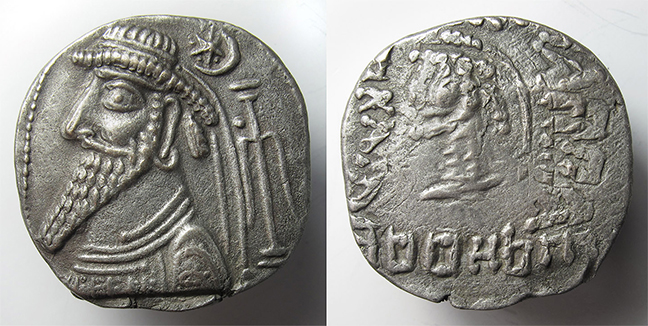 Uncertain Early Arsacid Kings Uncertain Early Arsacid KingsAR tetradrachm, late 1st century BC to early 2nd century AD Van't Haaff 10.3.1-1B |
|
Valued Member
United States
319 Posts |
Woww, Bob...that's a very nice line up! Portrait-wise my eye likes #4. Superb detail! What's the story with the Orodes II (#7)? Very interesting obverse.
|
|
Pillar of the Community
United States
7067 Posts |
Quote:
What's the story with the Orodes II (#7)? Very interesting obverse. Thanks for the comments, Mike. There is no clear "story" with anything related to Elymaean coinage. So much concerning the coinage is speculative. That tet of Orodes II (not to be confused with Orodes II of Parthia) is my tenth coin of this particular king. Among my other coins from his reign are three better tets: https://www.forumancientcoins.com/g...radrachm.jpghttps://www.forumancientcoins.com/g...radrachm.jpghttps://www.forumancientcoins.com/g...radrachm.jpgRegarding the imagery: The Elymaeans of this period - when the Arsacid clan of Parthia took over - seemed to like front-facing busts as much as left-facers. The tiara is, not surprisingly, reminiscent of Parthian tiaras. (Orodes II was likely an Arsacid.) The anchor symbol, seen so often on these coins, may initially been a symbol of the mint at Seleucia on the Hedyphon, but it later became the general symbol of Elymais. The star-in-crescent above the anchor was another popular motif, and likely had some religious significance. However, this is not entirely certain. Elymaean religious thought was syncretic, influenced by Greek, Roman, Semitic, and Zoroastrian sources. Edited by Kamnaskires
12/15/2022 5:44 pm
|
|
Valued Member
United States
319 Posts |
Absolutely fascinating, Bob. That style of portraiture is simply amazing! Even as my eye is drawn to the portraits that are the most realistic (#3 and #4), I cannot help but appreciate the beauty in the stylistic drift demonstrated in your specimens. At some point, I know I will want a Parthia-related coin of this style. I do have a nice Mithradates VI, but the style is much different.
Edited by circusmax120
12/15/2022 8:51 pm
|
|
Pillar of the Community
Spain
2752 Posts |
Hey Bob, lovely 10!.. For the drachms I really like #10 with its nicely centred reverse. For the tets #2 & #3 I find most appealing. But all have their merits.... Nice to see you still collect a few coins each year.. Here's my favourite that you helped me attribute a few years back... 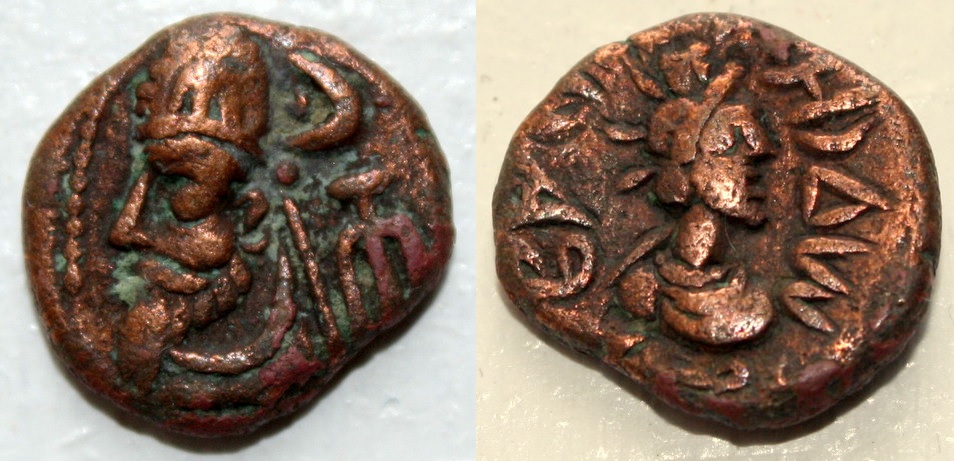 Orodes III, 2nd Century A.D., AE Drachm 3.5 grams Obv: Bearded bust facing left, wearing a diademed tiara ornamented with anchor. Pellet and crescent above an anchor to the right. Rev: Radiate and draped bust of Artemis right. Greek legend around bust retrograde van't Haaff 16.1.1-3A Attributed by BobL |
|
Pillar of the Community
United States
7067 Posts |
Thanks, Paul. Here's my list for the antiquities. 10.I have a real fondness for potsherds. I picked up a couple of groups of sherds this year, but this lot was probably the most interesting: 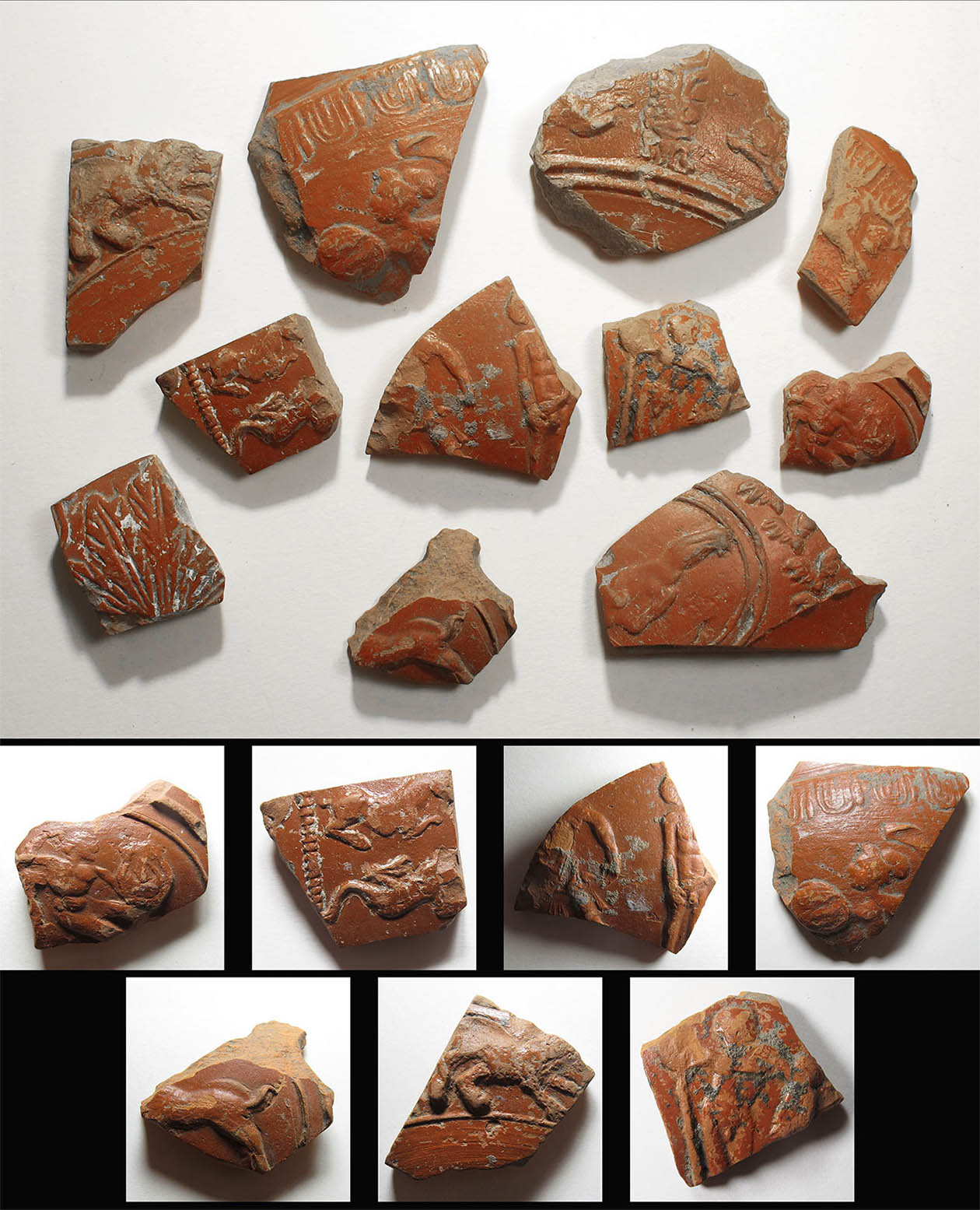 Eleven terra sigillatta fragments Eleven terra sigillatta fragmentsc. 1st - 2nd century AD Largest measures about 67mm (2.6") at widest point Above: Group shot of the eleven. Below: Individual studies of seven of the sherds: - Apollo seated left with kithara; for a very similar but clearer rendition of the scene, see this fragment from the Museen am Donaulimes in Österreich: https://www.donau-limes.at/wp-conte...IMG7573G.jpg- Recumbent animals. - Two figures, including nude male at right. - Helmeted warrior left, holding round shield. - Hindquarters of a dog or boar. - Lion (?) right. - Nude warrior in contrapposto with shield and, perhaps, spear. 9.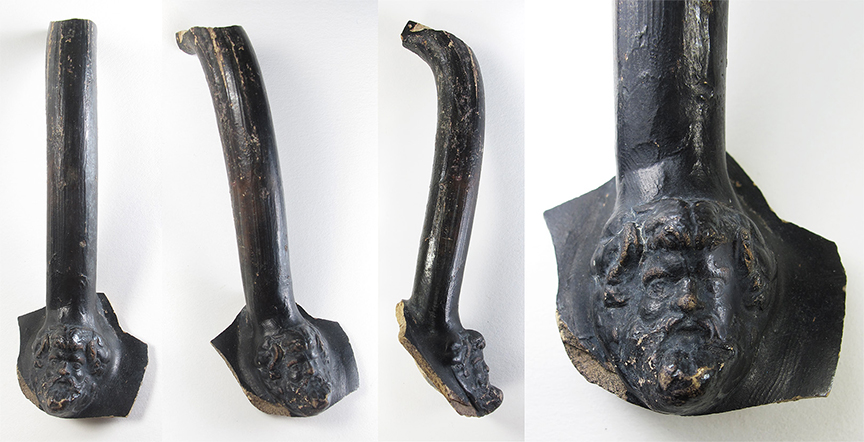 Apulian blackware figural handle from a large jug Apulian blackware figural handle from a large jug, head (of Zeus?) at its base. c. 4th century BC 13.4 cm (h) (5.3") Ex-Private collection from the 1960s 8.I am going to totally cheat with #8. I am declaring it a five-way tie between the following weapons. Each is special in its own way, and they are genuinely on par for me, as far as their merits go. 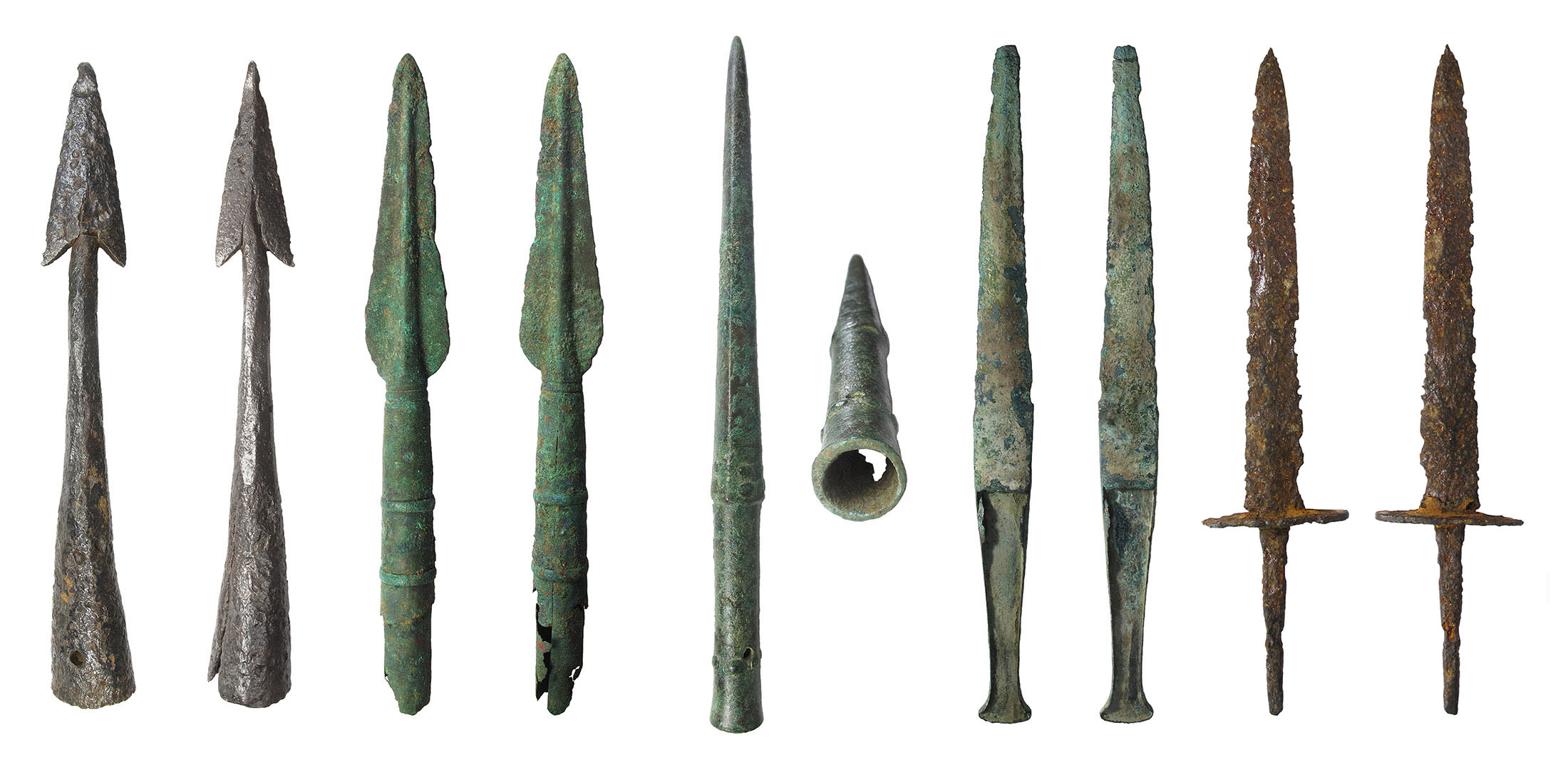 From left to right: Iron spearhead, 18.4 cm, possibly Roman (as it was listed), 1st - 4th century AD, supposedly from the Danubian Limes. (Although such types are indeed cataloged among Roman weapons of Eastern Europe, there were similar spearheads used through the Middle Ages...thus I list this as "possibly" Roman.) I recently started a small collection of European iron weaponry, and I think this is the most interesting piece of that subset so far. Bronze spearhead from northwest Iran, 23 cm, 1200 - 800 BC. A very, very rare type. Bronze spear butt (counterpoise), 22 cm, likely northwest Iran, early first millennium BC. I own five spear butts from this period, but this is the only one that is fully intact. (Other than a corroded-out hole.) The others have broken tips. So, this earned its spot here. Bronze dagger, Western Asia, 31.1 cm, possibly Luristan, 1200 - 800 BC. This is my fifth dagger with a flanged hilt (for bone, wood, or ivory inlay) from this period. While it's the worst of the bunch in terms of its condition, it's the only flanged-hilt dagger I picked up this year, and I'm glad I got it. Iron dagger, 22.86 cm, possibly Parthian or early Sassanian, c. 1st - early 4th century AD? Although this dagger was listed by the seller as Roman, its form closely matches daggers and swords of the late Parthian and early Sassanian periods in Iran (as cataloged by Khorasani, as well as by Farrokh, Harmian, Kiapi, and Lojandi.) 7.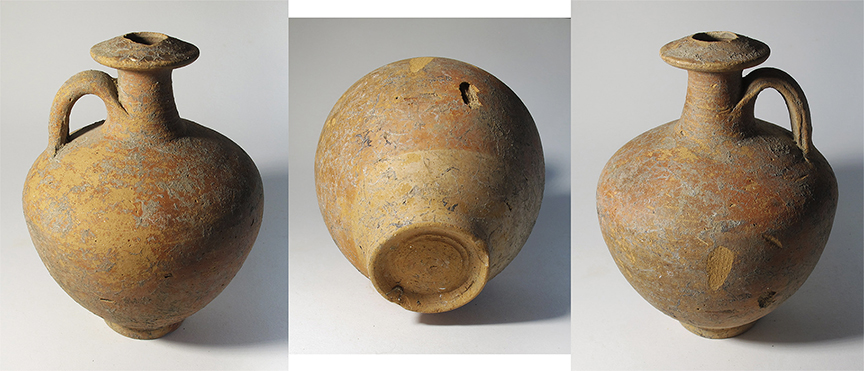 Jug Jug, Roman, c. 3rd century AD, 10.8 cm (w) x 14.6 cm (h). I like the simple form of this one. 6.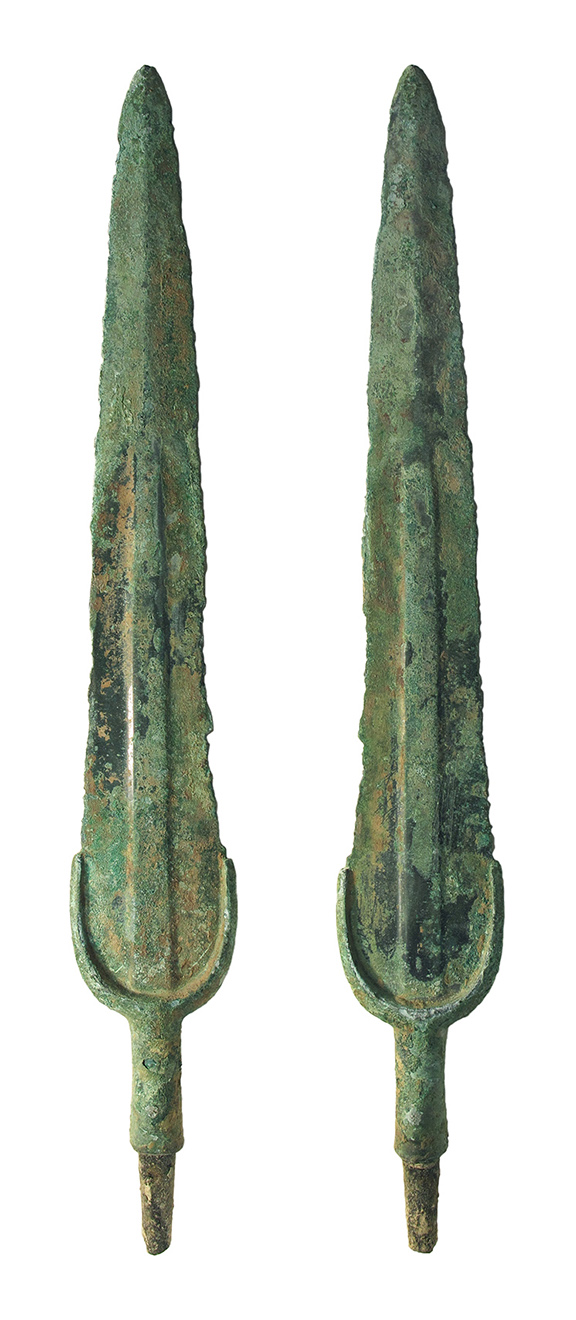 Bronze dagger Bronze dagger, 40.6 cm, northwest Iran, possibly Amlash, 1200 - 800 BC. Crescent-shaped guards were prevalent in daggers and dirks of Early Iron Age Iran. I was pleased to snag this example. 5.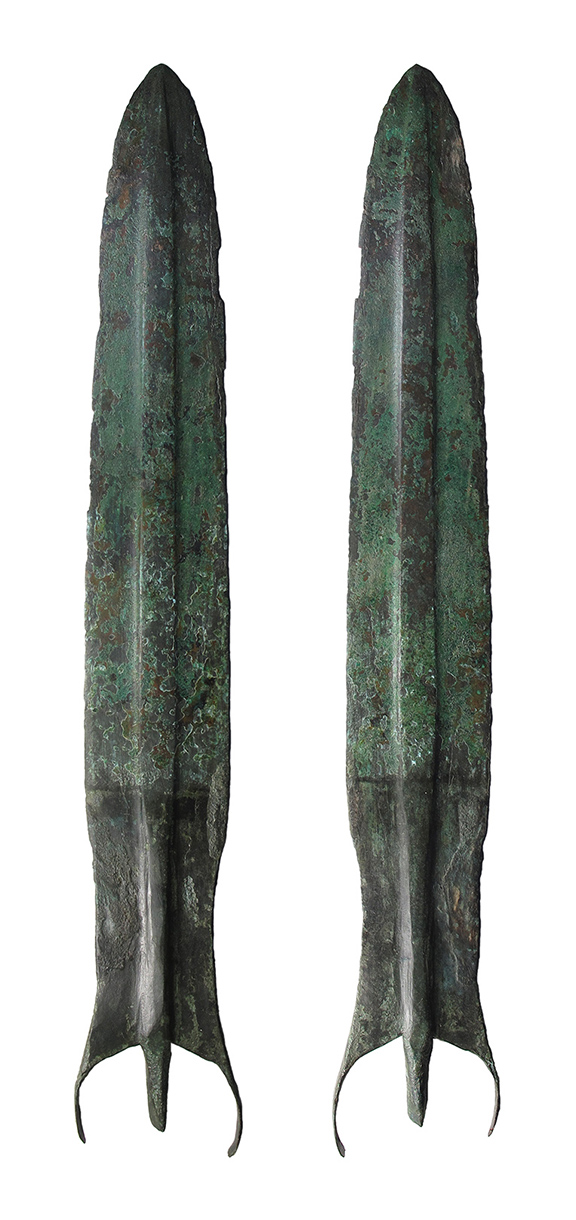 Bronze dagger blade Bronze dagger blade, 39.4 cm, northwest Iran, 9th - 8th century BC. While some sellers have listed this rare type of ancient Iranian blade as a spearhead, specialists/researchers usually call them daggers. This type has been excavated from tombs in and around Amlash in NW Iran, and is datable based on adjacent fibulae. 4.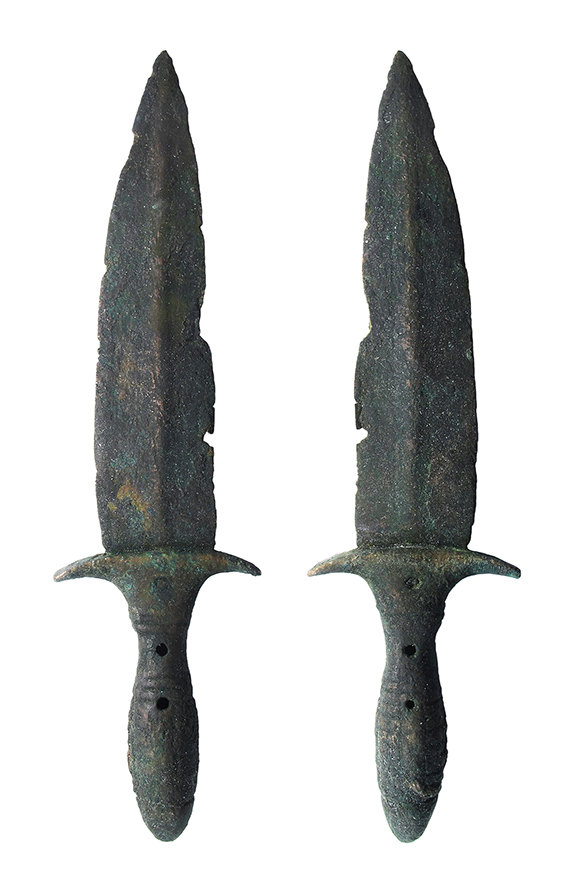 Bronze dagger Bronze dagger, 24 cm, western Iran, late 3rd to 2nd millennium BC. A very rare type, associated with Luristan and Elam. 3.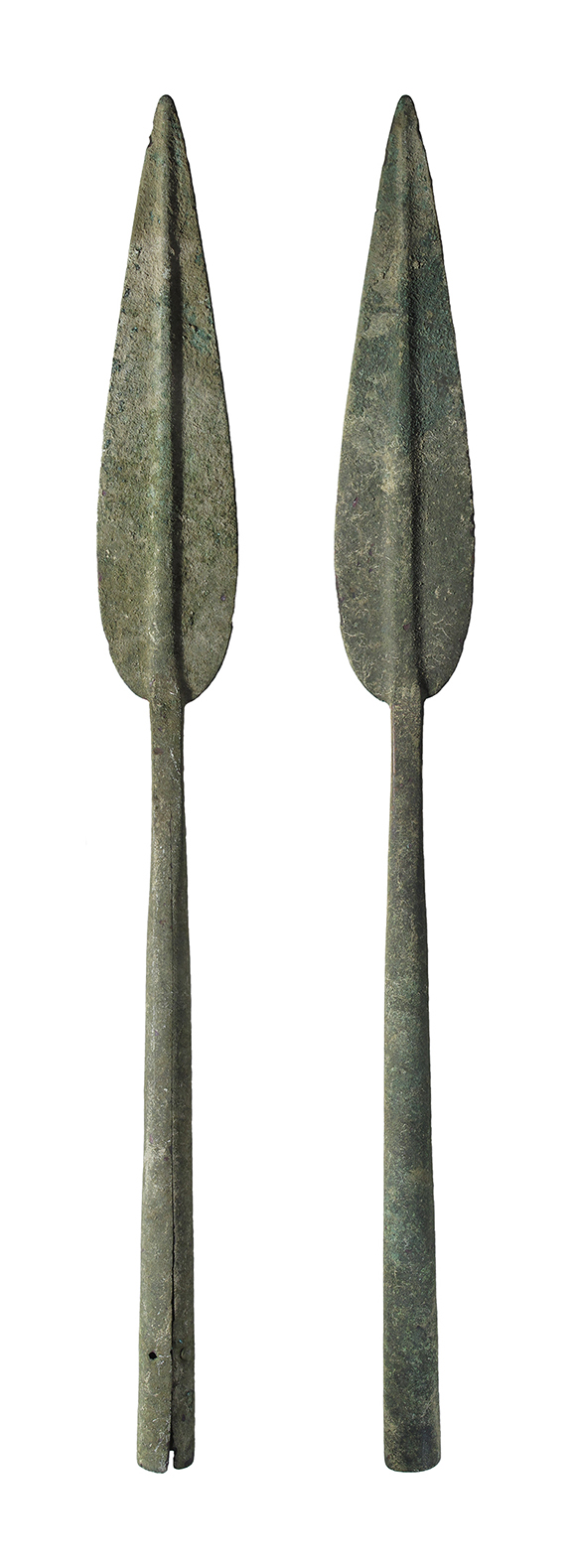 Bronze spearhead Bronze spearhead, northwest Iran, possibly Marlik, 1200 - 800 BC. At 62.5 cm (almost 25") long, the largest piece in my collection. 2.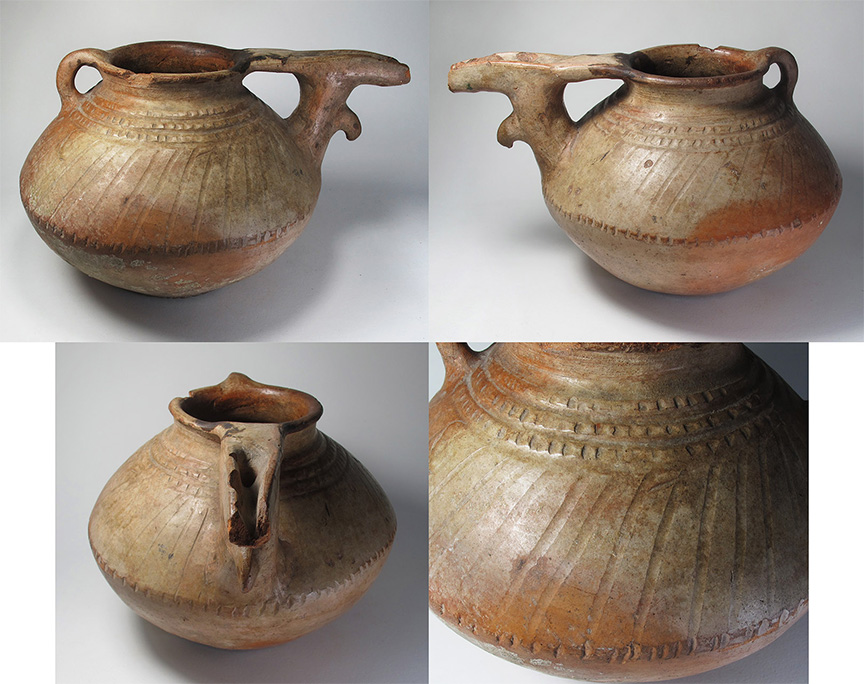 Vessel/Pot Vessel/Pot, western or northwestern Iran, 25.4 cm (w), c. 1000 BC. Beak-spouted vessel with carinated body, decorated with pinched bands and incised lines. Some small losses. The best of my three Early Iron Age Iranian beak-spouted vessels. 1.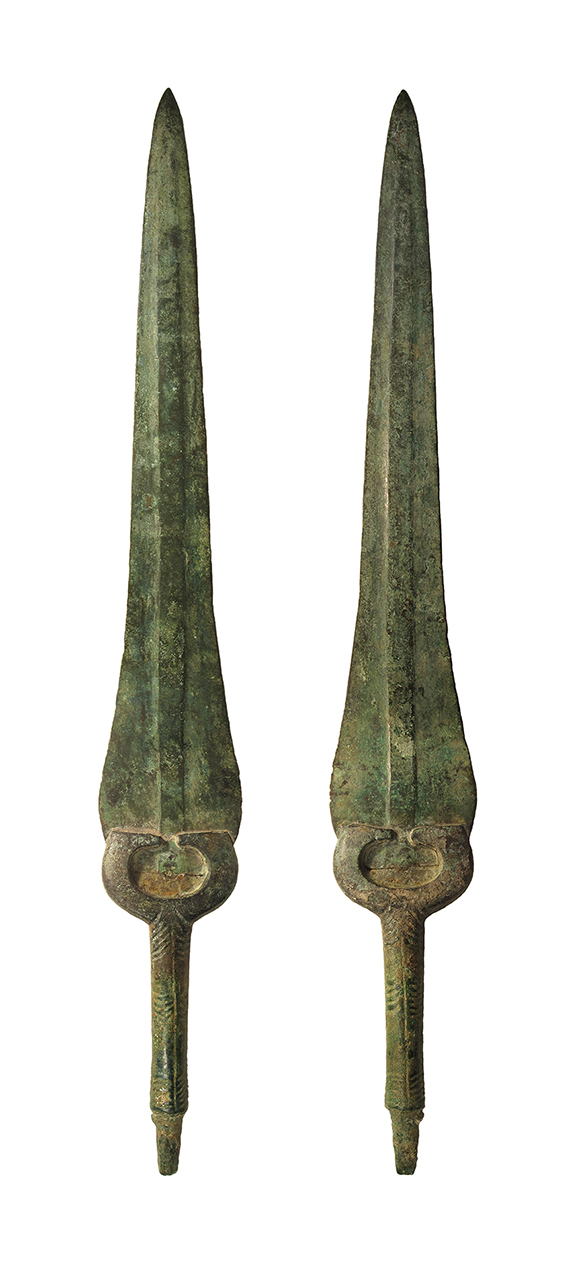 Bronze sword Bronze sword, 51.1 cm, northwestern Iran, Talish area, c 1000 - 800 BC. From a hugely important collection (John F. Piscopo). So pleased with this one! Edited by Kamnaskires
12/16/2022 11:48 am
|
|
Valued Member
United States
319 Posts |
Bob, your #1 ranking of that incredible sword is well deserved. Stunning! Very easy to understand your fascination with all of these artifacts. The Apulian blackware jug handle (#9) is a piece of art in and of itself!
|
|
Pillar of the Community
Spain
2752 Posts |
Beautiful group of weaponry and pottery Bob!  #1 & #3 are wonderful examples in such nice condition with lovely patinas...As you know the bird beak pouring design really appeals a super piece! I must admit though I do find that neat little dagger #4 most attractive!!...But all are stunning museum grade examples...Congrat on an impressive 12 months collecting. Ps....Excellent photography skills there Bob. Pps...What are your collecting goals for the following year? |
|
Pillar of the Community
United States
7067 Posts |
Quote:
What are your collecting goals for the following year? No specific goals for me, Paul. I'll maintain my areas of focus, and just seek material that catches my eye. There are some rarer configurations of daggers and swords from ancient Iran that have eluded me so far. Authentic specimens don't appear on the market very often, and they always get too expensive by the time the bidding-dust settles. I'll keep my eyes open for those types, of course. But I'm not confident I'll be able to snag one. I'll also have to continue carefully tracking my expenditures. Everything I purchased this year and last was done with cash generated from a big sell-off of many of my Parthian coins a couple years ago. With those sales, and with the cash they generated, I made a personal commitment to making the hobby self-sustaining. My wife, ever supportive and patient, wouldn't mind if I drew from our savings for my purchases. However, I truly don't want to touch the nest egg we've worked so hard, so long, to build. Especially as we approach retirement. I am confident the funds from my earlier sales will get me through another year or two of collecting. But, after that, I'll have to sell more to buy more. That might be painful. |
|
Valued Member
United States
319 Posts |
Yeoww, Bob. Selling in order to afford new acquisitions. I know that pain all to well. When I shifted my focus to quality portraits on large variety coins, I knew I would need to let go of the coins in my collection that did not fit that focus. It was the only way I could afford to do that. Inspiration is such a temptress!
|
|
Pillar of the Community
United Kingdom
1168 Posts |
This is turning into a super thread, Paul. There are so many beautiful coins, weapons and pottery items already posted and hopefully there will be many more. 2022 was a good year for me, but looking through the coins I acquired this year I see that a lot of silver has crept into my (mainly) bronze collection. Choosing a top ten was difficult, as each coin was purchased for a reason, usually the history. So many have been left out, but here goes. 10. I like the strong portrait of Alexander the Great and the depiction of him on his horse Bucephalus on this coin. 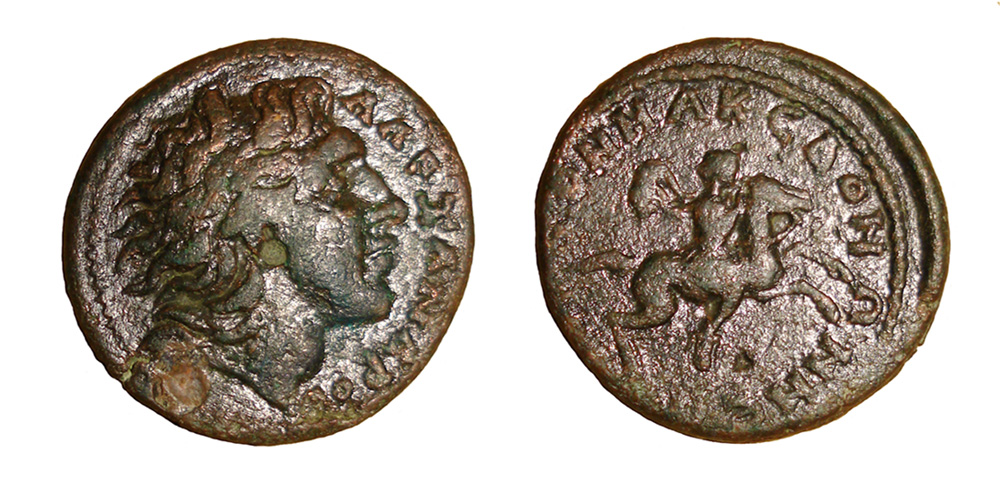 Koinon of Macedon. Autonomous issue of c. A.D. 231-5. Triassarion. Obverse: Diademed head of Alexander the Great. Obverse legend: AΛΕΞΑΝΔΡΟΥ. Reverse: Alexander, cloak flying, riding right on leaping Bucephalus. Reverse legend: KOINON MAKEΔONΩN NEΩ(K). Bronze. Diameter: 27 mm. Weight: 15.34 gr. Reference SGI 4808.2? 9. I was attracted to this coin due to the rather unusual bust of Hadrian. 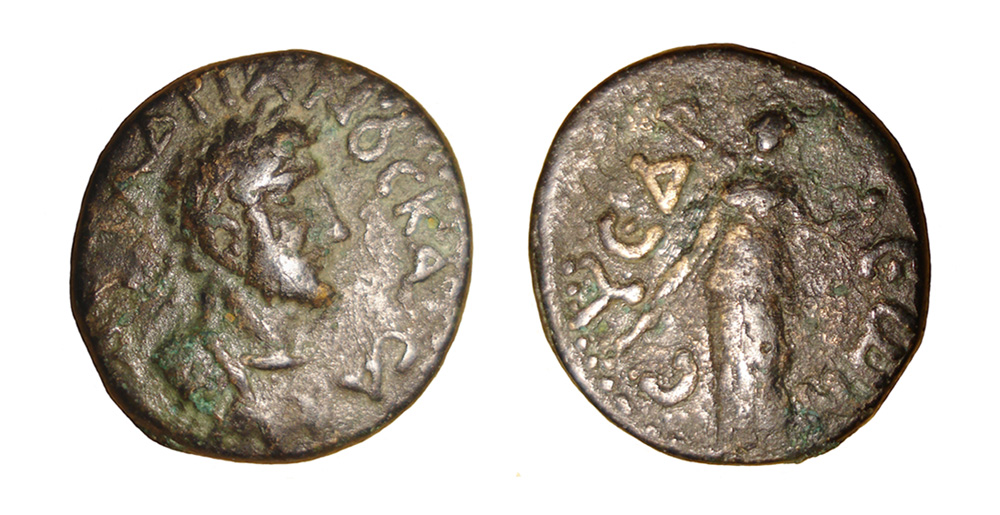 Syedra - Cilicia. Hadrian. 117-138 AD Obverse: Laureate, cuirassed bust right. Obverse Inscription: ΑΥΤ ΑΔΡΙΑΝΟC ΚΑΙCΑ. Reverse: Female deity standing facing, head right, holding palm branch downwards in her right hand, and pomegranate in left. Reverse Inscription: CΥΕΔΡΕωΝ. Bronze. Diameter: 19 mm. Weight: 4.6 gr. Reference: RPC III 2770. 8. I think this is the only bee coin that I have that is not from Ephesos. 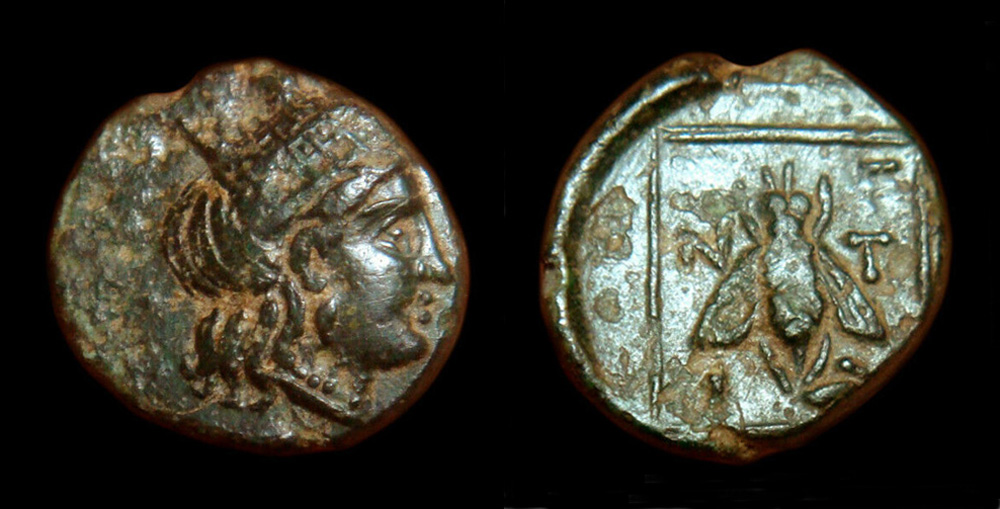 Gentinos - Troas. 3rd-1st centuries BC. Obverse: Turreted female head (Artemis?) right. Reverse: Bee within linear border. Reverse Inscription: Γ - Ε / Ν - Τ / Ι. Metal: Bronze. Weight: 0.9 gr. Diameter: 11 mm. Reference: SNG Cop 336; SNG Ashmolean 1141 7. The griffin attracted me to this coin. 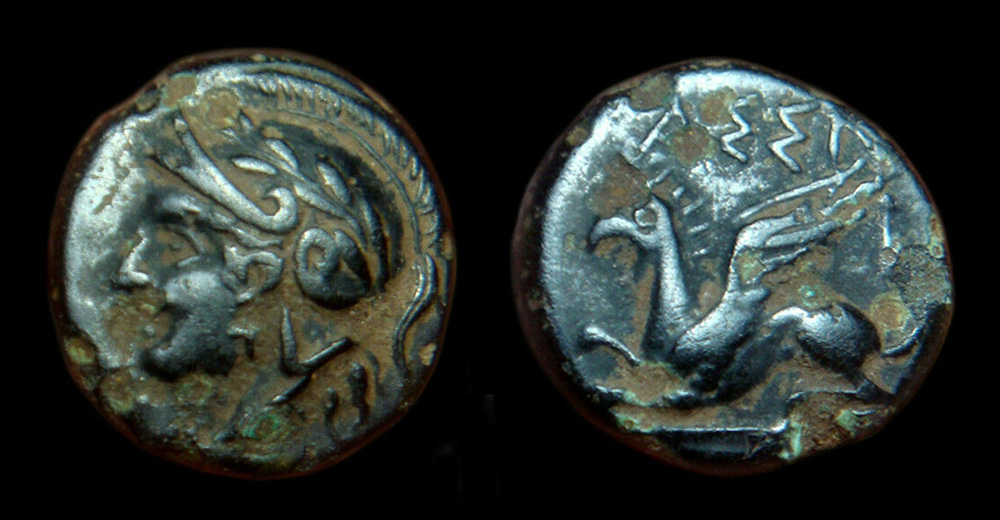 Assos - Troas. 400-241 BC. Obverse: Helmeted and laureate head of Athena, left. Reverse: Griffin recumbent left. Reverse Inscription: AΣΣΙ. Metal: Bronze. Diameter: 11 mm. Weight: 1.4 gr. Reference: BMC 13-14 6. This coin was the only one I had come across with the African head. 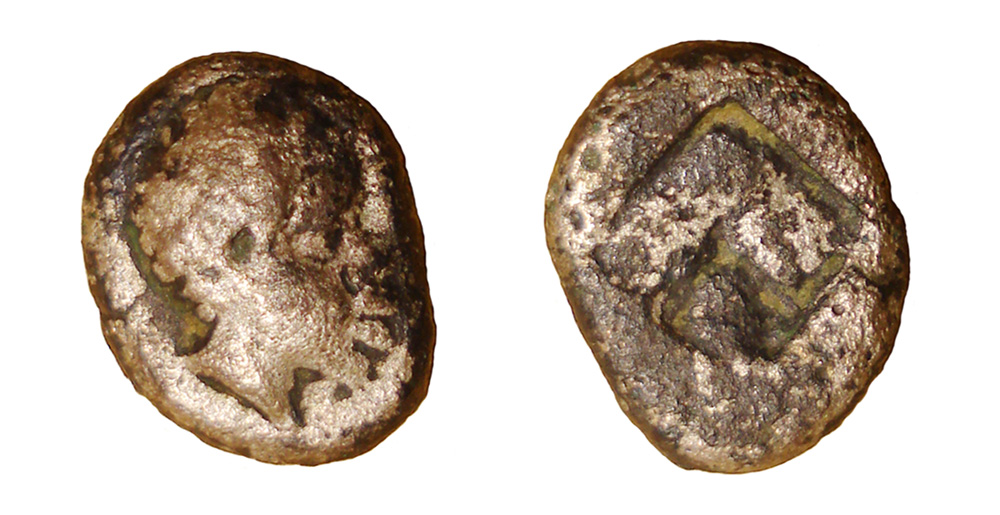 Lesbos: Lesbian Koinòn. c. 510-480 B.C. AR BI Obol (Twelfth-Stater, Sixth-Shekel). Obverse: Head of Nubian African, right. Reverse: Quadripartite incuse square with alternating raised and sunken quarters. Metal: Silver/billon. Diameter: 9-10mm. Weight: 0.89gm. African head in very high relief. Babelon, Traite pl. XV, 7. BMC 43. 5. This one was inexpensive, and I liked the detail of Philip and Otacilia.  Philip I & Otacilia Severa. Tetrassarion of Mesembria in Thrace. Spring of 244 until August 246. Obverse: Confronted busts of Philip I, laureate, draped and cuirassed, right, seen from rear, and Otacilia Severa, diademed and draped, left, wearing stephane. Obverse Inscription: ΑΥΤ Μ ΙΟΥΛ ΦΙΛΙΠΠΟC ΑΥΓ Μ WΤΑΚΙΛ CEΒΗΡΑ CEΒ. Reverse: Demeter standing left, holding grain ears and long torch. Reverse inscription: ΜΕCΑΜΒΡΙΑΝΩΝ. Bronze. Diameter: 27mm. Weight: 9.80gm. Ref: Prieur 461 4. I was rather taken by the portrait of Philip and the beautiful eagle on this coin. 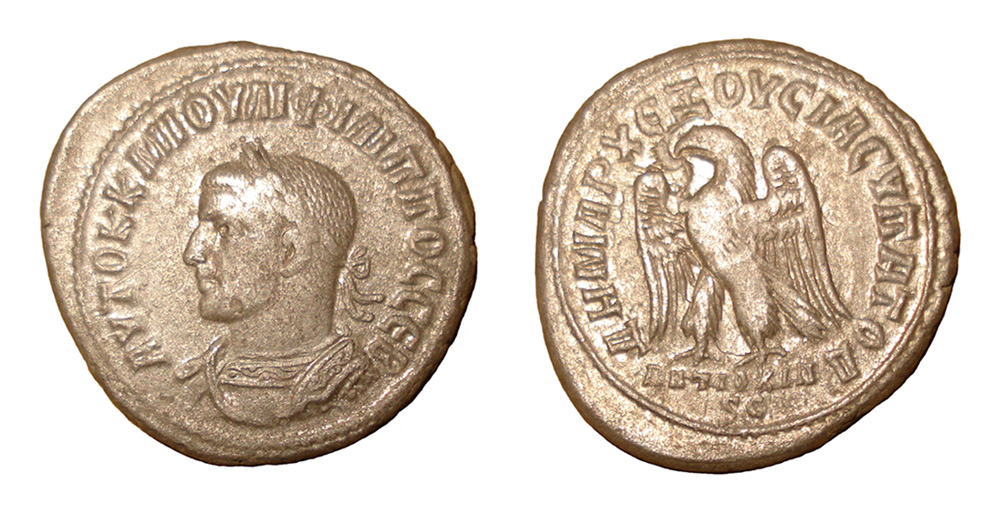 Philip II. BI Tetradrachm of Antioch on the Orontes, AD 249. Obverse: His laureate bust, left, wearing armour with balteus. Inscription: ΑΥΤΟΚ Κ Μ ΙΟΥΛΙ ΦΙΛΙΠΠΟC CEΒ. Reverse: Eagle standing left, wings open, wreath in beak. Inscription: ΔΗΜΑΡΧ EΞΟΥCΙΑC ΥΠΑ ΤΟ Δ; below, ANTIOXIA S C. Silver. Diameter: 27mm. Weight: 12.10gr. Reference: Prieur 461. Previous owners note: A very rare issue with an interesting portrait type. 3, I have always admired the Apollonia Pontica Medusa and Anchor coins, and was delighted to acquire this one. 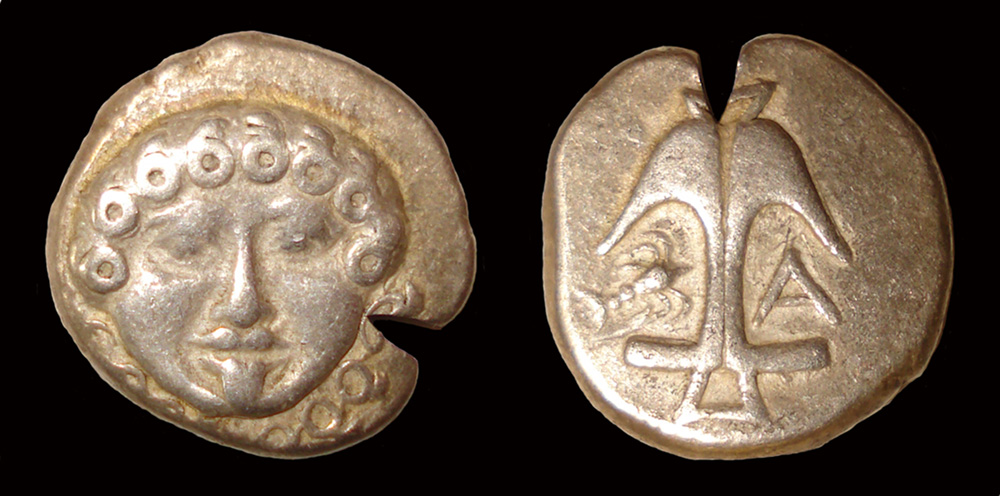 Thrace: Apollonia Pontica, Silver Drachm, c. 390 B.C. Obverse: Head of Medusa facing, hair in ringlets, tongue extended. Reverse: Anchor inverted with crayfish at left. and A (=Apollonia) at right. Silver. Diameter: 12-13mm. Weight: 2.81gm. Note: Ex Professor James Hartley Nichols collection. Very rare variant, unrecorded for this less grotesque portrait and drachm under the Phoenician weight standard of the 4th century. 2. The goat was the main attraction, then the youth dismounting from the horse. A chunky coin, it feels really good in hand. 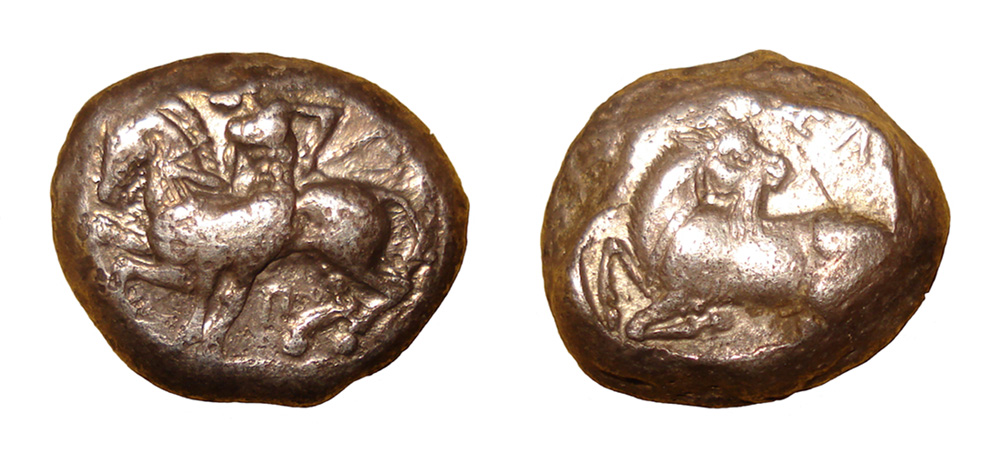 Cilicia, Kelenderis. AR Stater. Circa 430-420 BC. Obverse: Ephebus holding whip, dismounting from horse galloping to left; Π below horse's belly. Reverse: Goat kneeling to left, head to right; KEΛE above. Silver. Diameter: 19 mm. Weight: 10.78 gr. Tentative reference: SNG BnF 52. 1. A bit more than my usual budgeted limit, but the detail on Philip and the magnificent eagle made it worth it.  Marcus Iulius Severus Philippus II Caesar. 248/249 AD Obverse: Draped and cuirassed bust of Philippus II with laurel wreath to the right. Inscription: ΑΥΤΟΚ · Κ · Μ · ΙΟΥΛΙ · ΦΙΛΙΠΠΟC · CEΒ Reverse: Eagle standing facing, head and tail left, with wings spread, holding wreath in beak. Inscription: ΔΗΜΑΡΧ · EΞΟΥCΙΑC · ΥΠΑ · ΤΟ · Δ · ANTIOXIA · S C Billon. Diameter: 27mm. Weight: 11.04g. Mint: Antiochia ad Orontem, Syria Phoenice. Reference: Prieur 473 (98 ex) |
|
Pillar of the Community
United States
8062 Posts |
Quote:
A bit more than my usual budgeted limit, but the detail on Philip and the magnificent eagle made it worth it. Wow! Top of an interesting group, and I am sure it was worth every penny. Gorgeous! |
| |
Replies: 48 / Views: 4,450 |
To participate in the forum you must log in or register.
 
- 1860 Wm Token Miller Ny-491A, George H. Lovett, PCGS MS-64
- 1969 S Lincoln Cent Mint Mark
- 1994-D 1¢ Poorly Aligned Mint Mark
- 1958 Lincoln Cent DDO?
- 1962-Mo Mexico Cinco De Mayo Centennial Gold Medal, PCGS MS-67
- 1952 3 Pence Coin, Or Necklace Charm?
- Commems Collection Classic: 1935-36 California-Pacific International Exposition - Historical Tidbits
- 1817/6 15 Star Large Cent.what?
- 1958 Roosevelt Dime Spike Head Die Crack And Mis-Aligned Die Clash(?)
- Most Humorous Counterfeit 1914-D Lincoln Cent On Ebay This Week
- 1974 Fiji 100 Dollars Gold Proof, King Cakobau, Elizabeth II
- 1961-D Toned Roosevelt Dime Fridb Around Mouth
- 1839 Braided Hair (Booby Head) Large Cent, CAC AU-58BN
- 1918 Illinois Centennial (Lincoln) Half Dollar Commemorative, PCGS MS-68+
- 1950-S Roosevelt Dime RPM
- 1966 Nickel Die Adjustment Strike?
- Will Our Coins Ever Be Valuable?
- 2026 Emerging Liberty Dime Spider Veins?
- Charles I Sixpence - Unattributed Sun Mintmark?
- Error Opinions, 1971-D DDO, 1955-D/S, 1996-P Quarter
Disclaimer: While a tremendous amount of effort goes into ensuring the accuracy of the information contained in this site, Coin Community assumes no liability for errors. Copyright 2005 - 2026 Coin Community Family- all rights reserved worldwide. Use of any images or content on this website without prior written permission of Coin Community or the original lender is strictly prohibited.
Contact Us | Advertise Here | Privacy Policy / Terms of Use
|
| Coin Community Forum |
© 2005 - 2026 Coin Community Forums |
| It took 0.51 seconds to rattle this change. |
 |
|
| |
| |







 First Page


 Posted 12/15/2022 06:51 am


