| Author |
 Replies: 17 / Views: 1,724 Replies: 17 / Views: 1,724 |
|
New Member
United States
3 Posts |
|
|
|
|
Moderator
 United States
196100 Posts |
 to the Community! |
|
New Member
 United States
3 Posts |
|
|
Bedrock of the Community
United States
27514 Posts |
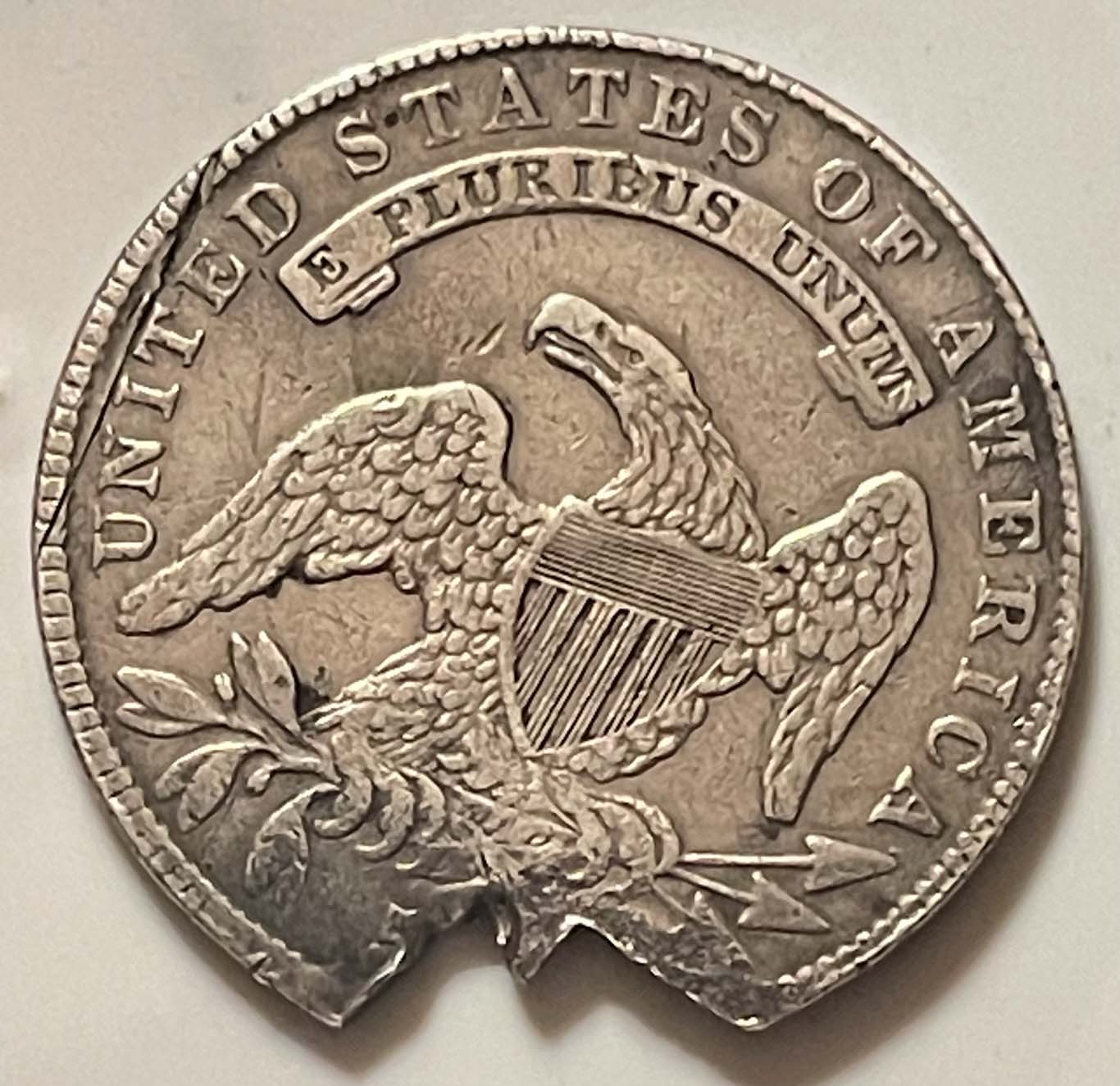
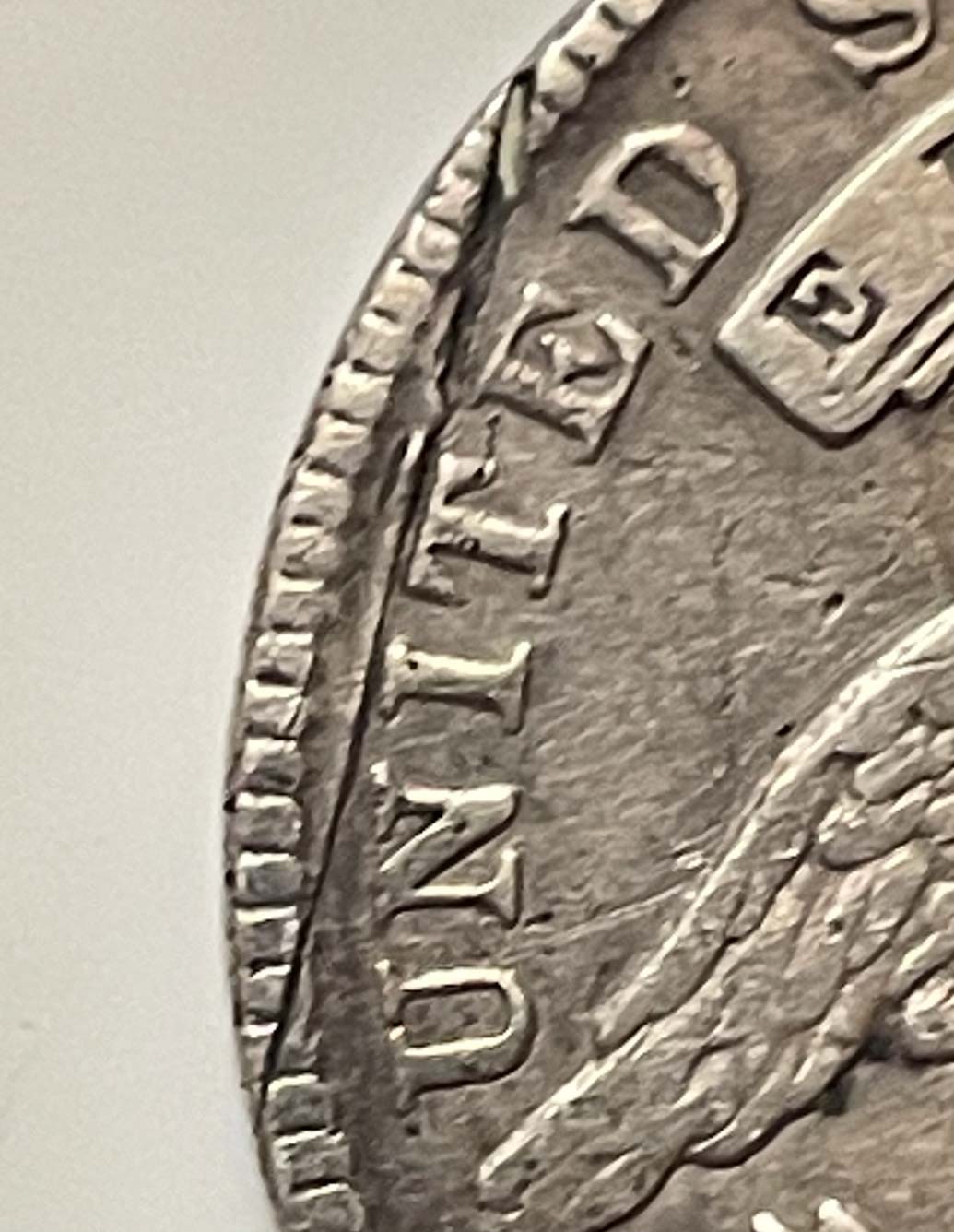
to the CCF, LuckyDuck13! This is not a clipped planchet, it is a damaged coin. Someone cut a chunk out of it. Also, it is not in "immaculate condition - in the XF range. It's worth about melt value. Inordinately fascinated by bits of metal with strange markings and figures
|
|
New Member
United States
3 Posts |
Thanks Hondo!
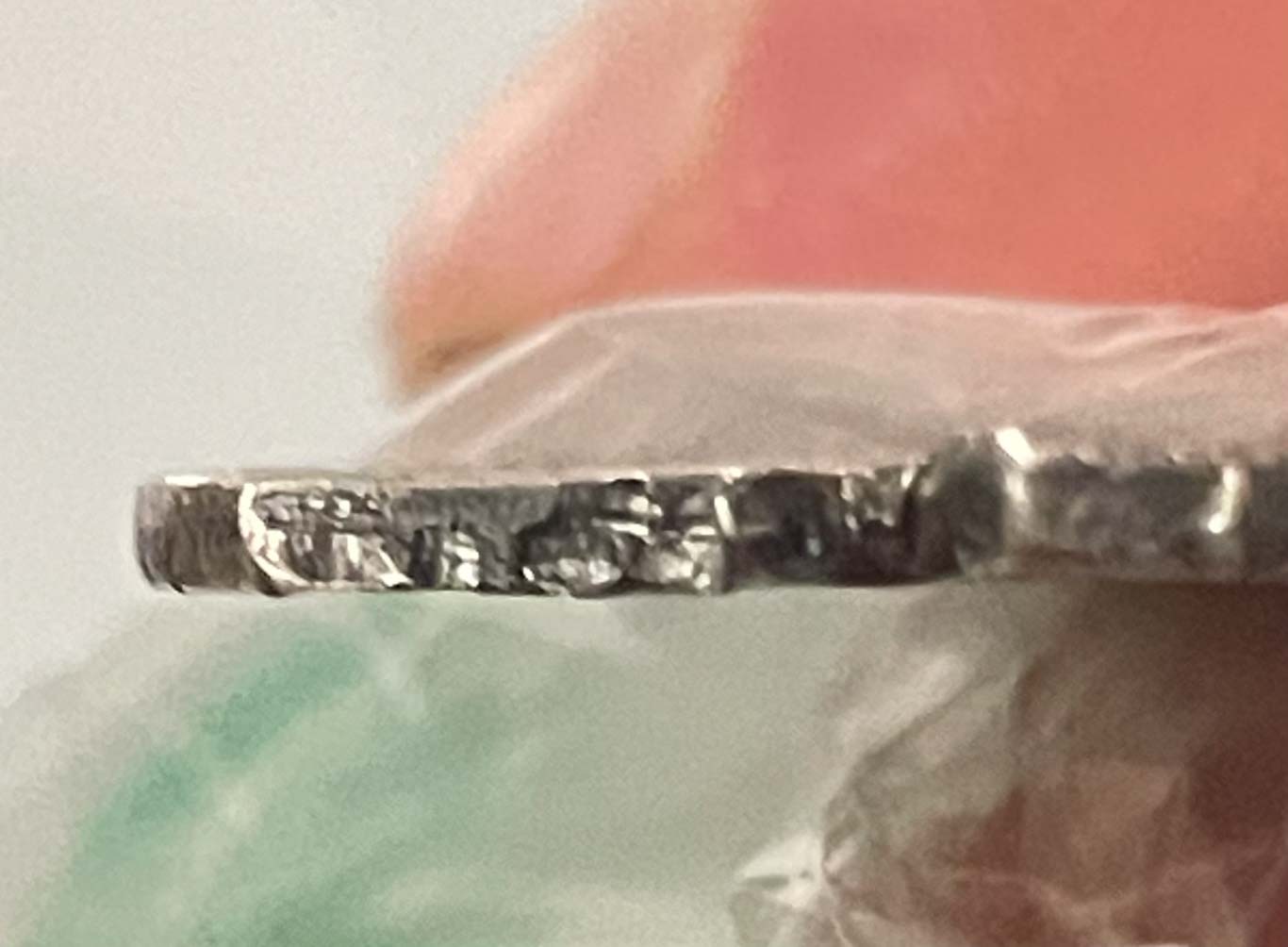
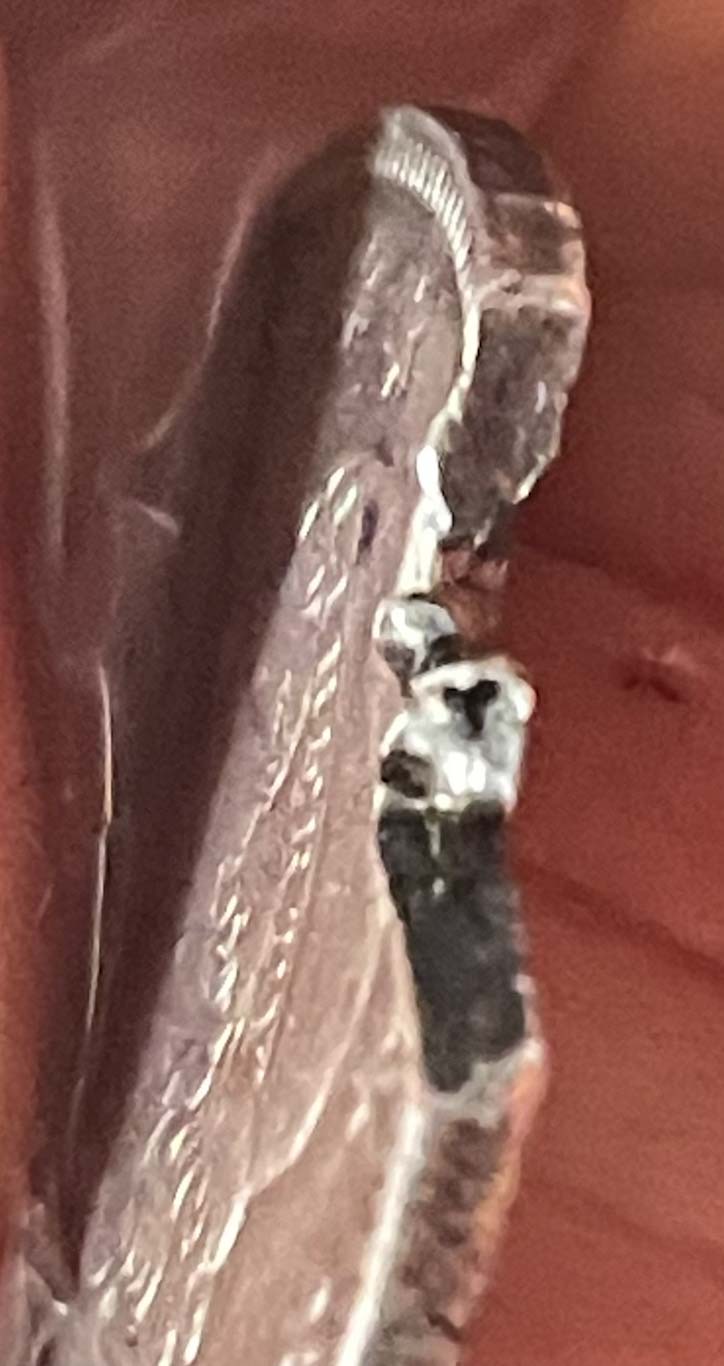
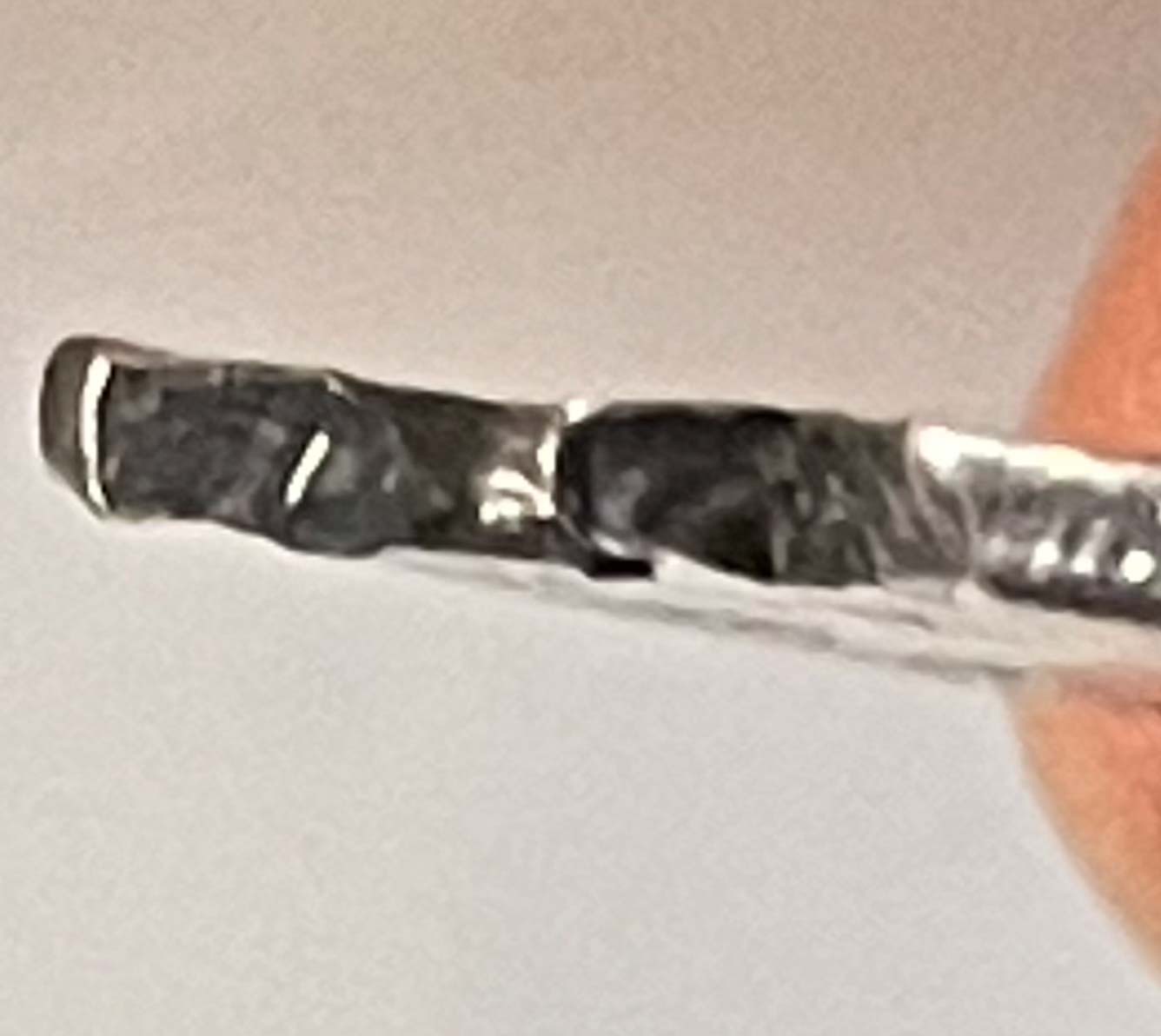
.. Well, ok. If you're correct about that can you please explain why the coin clearly displays the Blakesley Effect, a fade and taper of the rim design, cut and tear texture of the notched edges, plus metal flow near the notch? Aren't those the 4 determining factors to look for when identifying and determining if a clipped/incomplete planchet error is the real deal mint error or a fake? I believe this chunk was notched out at the mint before the coin was struck. Probably when the blank was punched out to be exact, but I'm certainly no expert. However it DOES clearly display all 4 indicators of an actual clipped/incomplete planchet minting error so I'm very eager to hear your opinion about how you believe they all 4 landed on this coin together if someone cut that notch AFTER the coin was minted.
|
|
Bedrock of the Community
United States
27514 Posts |
LuckyDuck, I see no Blakesley Effect on your coin. See the following page which has pictures of it: https://www.error-ref.com/_curved_clips_/Also, there is no way that an M-shaped clip could have occurred at the Mint. There is no fade and taper. The "cut and tear texture" is because whoever chopped up this coin had to really work at it - it's not easy to cut up a half dollar. Any metal flow you're seeing is just more damage. I'm sorry, but this is not an error - just a mangled coin with severe post-mint damage. Also, it is not a proof. Inordinately fascinated by bits of metal with strange markings and figures
Edited by HondoB
07/03/2024 4:09 pm
|
|
Pillar of the Community
 Canada
9903 Posts |
It's out of round and has high areas.
Heavily damaged coin.
"Dipping" is not considered cleaning...
-from PCGS website
|
|
Bedrock of the Community
United States
94367 Posts |
to the CCF! |
|
Pillar of the Community
United States
7174 Posts |
to the CCF and  PMD PMD. The "Blakesley" effect as you call it. is damage from the rim being hit with a hammer and making a flat spot on the edge. No metal flow at all. |
|
Pillar of the Community
United States
4618 Posts |
to the CCF! Whoa! Lots of damage here. Maybe something happened to it at the Battle of the Alamo. Impact damage from an 1812 Tower Flintlock? If you could verify THAT, then you'd have a great coin!  ANA ID: 3203813 - CONECA ID: N-5637 Clean a coin that may be worth collecting? Please DON'T! When in doubt, leave it dirty!! 
|
|
Bedrock of the Community
United States
94367 Posts |
Not seeing the Blakesley effect.
|
|
Bedrock of the Community
United States
79378 Posts |
I agree, just a heavily damaged coin. PMD, not an error. Errers and Varietys.
|
|
Pillar of the Community
United States
3848 Posts |
Hey Lucky Duck! Collector of unique Capped Bust half dollars here.  If you can give a reasonable piece of mint production equipment that could create a jagged cut, that would be fantastic. P.S. I am sure the cookie monster was not involved. Garbage disposals were not in use either in 1836. Genuine clips happen pre-striking of the coin. This is clearly post strike as the edges of the cut are sharp and jagged. If it was cut and struck after, the metal would flow and create natural rounded edges. For example, take a look at the rim of a genuine clipped planchet. The metal does not flow into the rim entirely, but instead tapers off into the cut area. Quote:DDO and DDR visible under magnification There is no existing DDO on any bust half, and the only DDR is on the 1820 O-108. Nice try! Quote:
I have an ungraded1936 There were no bust halves minted in 1936 silly goose! Quote:
The Blakesley Effect is easily noticed No Blakesley effect, only a large rim ding opposite of the cookie monster bite. Suffering from bust half fever. Want to learn how to attribute early half dollars by die variety? Click Here: http://goccf.com/t/434955Shoot me a PM if you are looking to sell bust halves. |
|
Moderator
Australia
17005 Posts |
People are mentioning the "rim dint" near the date, that the OP is mistaking for the Blakesley Effect. You'll notice the discolouration spot just above the "dent", to the left of the "1". To me, this looks suspiciously like a removed mount mark.
So here's my explanation of what's happened to this poor coin. Someone long ago, probably at a time much closer to 1836 than today, turned it into a brooch, or similar piece of jewellery, with a pin mount attached at top and bottom. Someone much, much later decides to try to remove the mount using brute force, with perhaps some heat given the black colouration around the damaged area. The pin breaks off cleanly at the bottom, but the pin is attached at the top much more strongly than the pin-remover expects; instead of snapping off the pin, a large chunk of the coin itself snaps off instead.
The pattern of damage on this coin is entirely consistent with this sort of history, and entirely inconsistent with it being a mint error. The probability that this coin left the mint looking like this is zero.
Don't say "infinitely" when you mean "very"; otherwise, you'll have no word left when you want to talk about something really infinite. - C. S. Lewis
|
|
Rest in Peace
United States
632 Posts |
quick note: when you see the upturned edges at what is thought to be a "ragged clip": can't be struck like that...
|
|
Pillar of the Community
United States
6904 Posts |
This is what happens when you can't resist throwing in your two bits, but you don't have any change.
|
| |
Replies: 17 / Views: 1,724 |










 Posted 07/03/2024 2:05 pm





