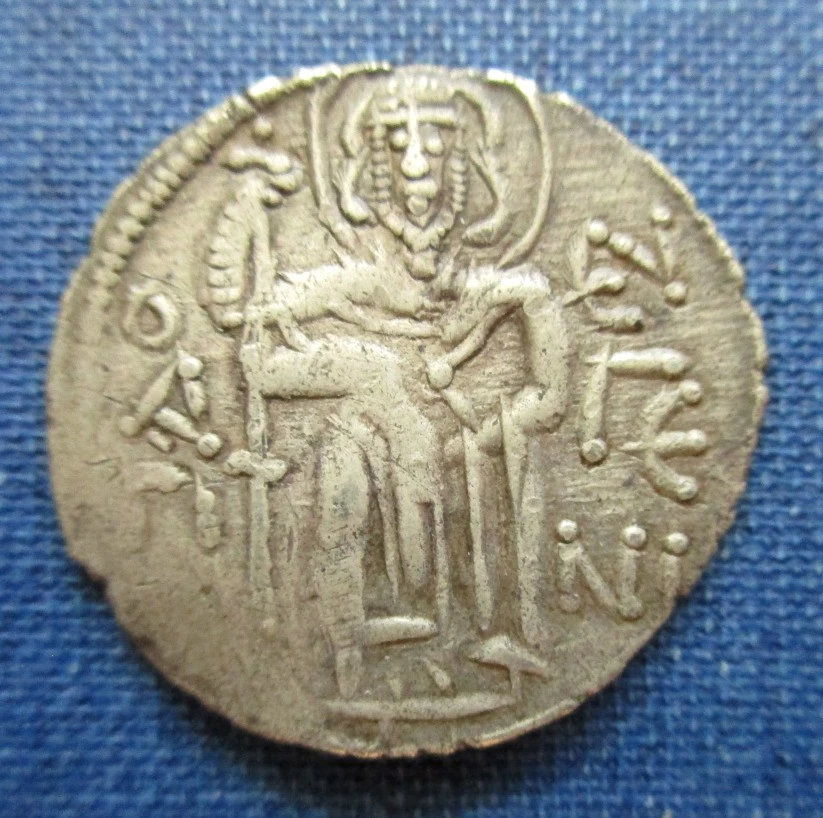
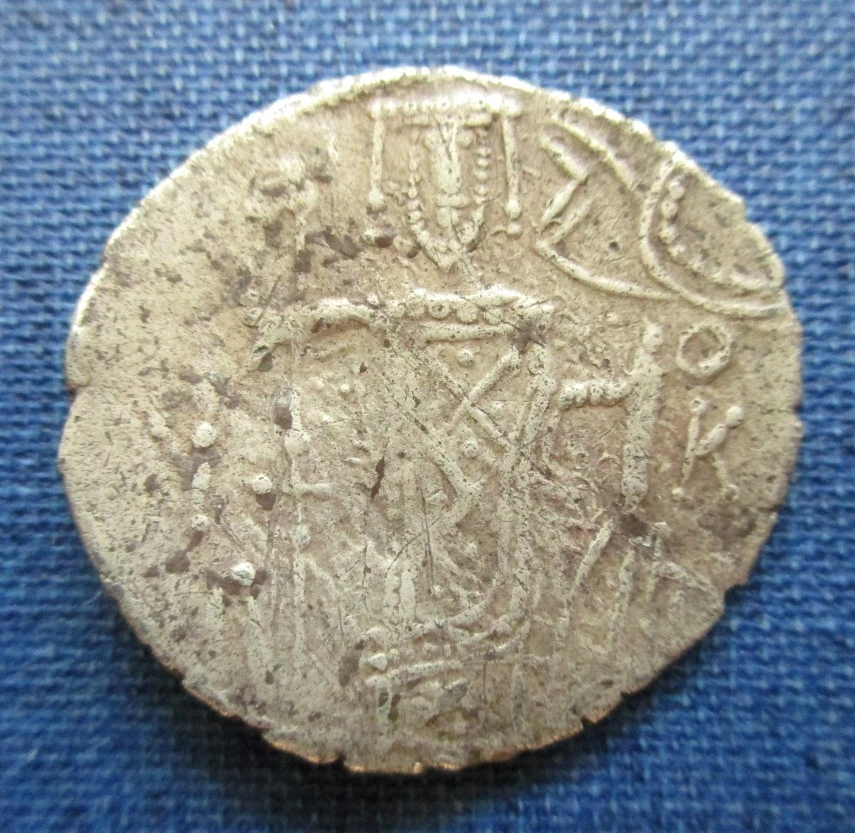
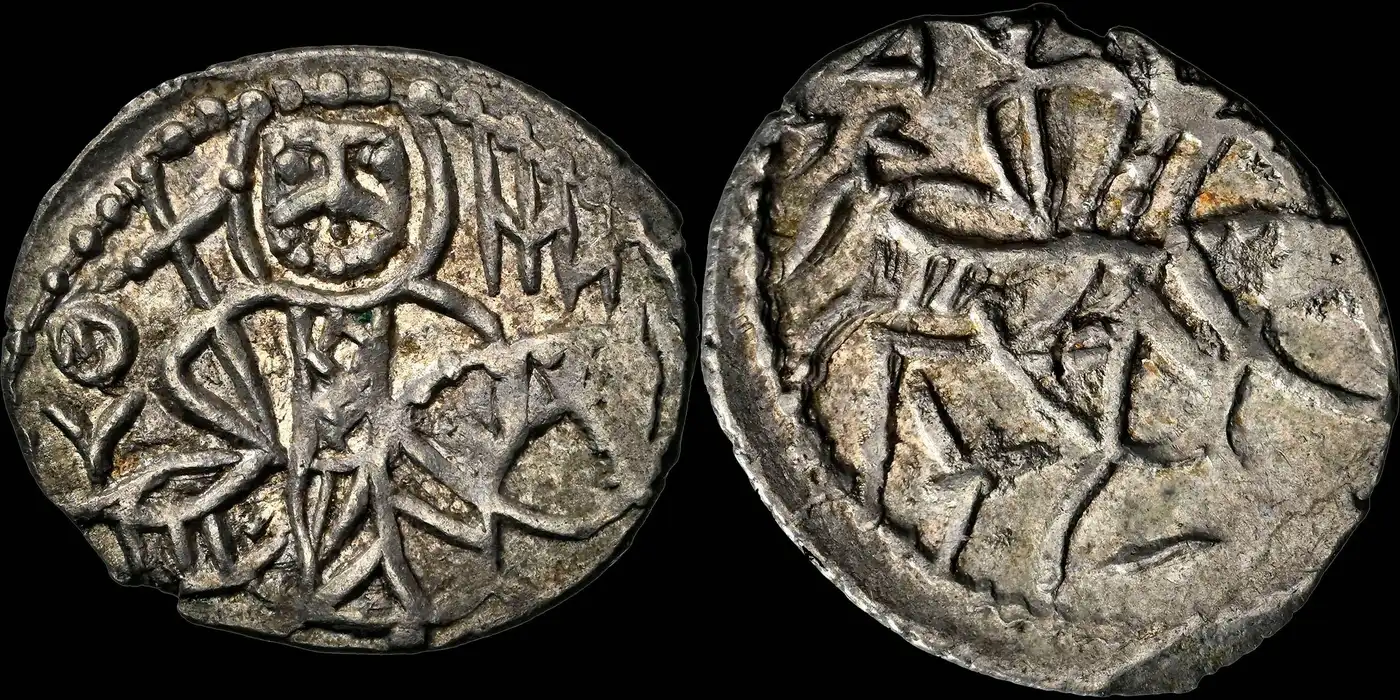
I well remember getting my first Trapezintine coin back in the mid 1990s. This was before the Internet was really a thing. I bought it as an "unidentified Byzantine coin", and was my first ever "Byzantine coin"; the only things written on the 2x2 were "Byzantine Trebizond Aspen".
So I bought myself a second-hand 1970 edition Sear Byzantine catalogue, read all the way through it, and couldn't find my coin; turns out that Trebizond coins aren't listed in that version of Sear (I believe they are now in the latest versions).
No Internet as I mentioned to do further research with. The Encyclopedia Britannica had like a five-line entry for Trebizond and didn't mention any emperor's names. A country that had been around and independent for as long as the United States has been around today, and it had been reduced to a barely visible blip in history. Their coins are just about their only surviving historical record.
I was working part-time at the University at the time, and spent many lunch hours over in the Humanities library looking up their coin catalogues. They had a full set of the British Museum ancient Greek and Roman catalogues, but no mention of Trebizond. Finally I found one obscure book about the history of Trebizond, which gave me a list of possible emperors.
Unlike the coin in the OP, my coin actually had quite a bit more legible Greek writing on it: O AGIO EVGENIO and IW O KMNNOC:
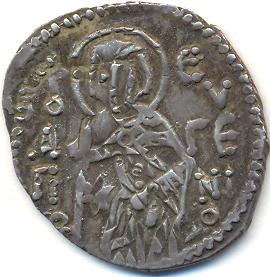
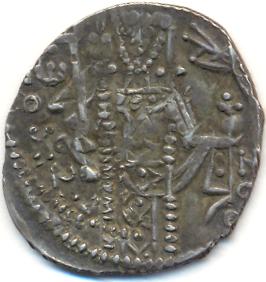
I was able to discern form my one reference book that Saint Eugenius was the patron saint of the country, and that they had several emperors (or "Grand Comneni" as they preferred to call themselves) named John (which is IWANN" in Greek). And my book also told me their silver coins were called "aspers" (not "aspens"). So I was pretty sure I now knew I had a Trebizond asper of Grand Comnenus John I (or maybe John II), sometime in the 1200s AD.
I was quite pleased with myself at having done considerable actual research, and found an acceptable answer. But it took weeks.
Nowadays, you can just type "List of Trapezuntine emperors" into Wikipedia, and
right there is a list of all the emperors, along with illustrations of their coins. And there's a coin looking identical to my coin, filed under John I. Takes, like, 15 seconds. I can also do a Google image search for "Trebizond asper" and find an identical-looking coin within the top 5 hits.
The kids these days don't know how fortunate they are.
A year or two later I bought myself my first actual Byzantine coin.
Don't say "infinitely" when you mean "very"; otherwise, you'll have no word left when you want to talk about something really infinite. - C. S. Lewis









 Posted 03/06/2026 10:28 am