| Author |
 Replies: 9 / Views: 1,001 Replies: 9 / Views: 1,001 |
|
|
Valued Member
Canada
101 Posts |
|
|
|
|
Pillar of the Community
Canada
1636 Posts |
That's great!
How did you manage that?
|
|
Pillar of the Community
Canada
2653 Posts |
Quote:
I came across the one from the same set that my 1973 $1 came from, specimen set #311. I decided to reunite them That's a very fortunate coincidence! Good for you! I had a similar experience after I bought a solid radar $1.00 from New Zealand (111111) & 2-3 years later blindly bought the same series from Allen's Coins (who provides reference pictures). It turned out (once I got the note) to be the exact same prefix & one note away (111110). I feel such fortunate coincidences are much more likely to happen when you keep your "nose to the ground" in the pursuit of certain series, as you have done before. Thanks for sharing!   |
|
Valued Member
 Canada
101 Posts |
Quote:
That's great!
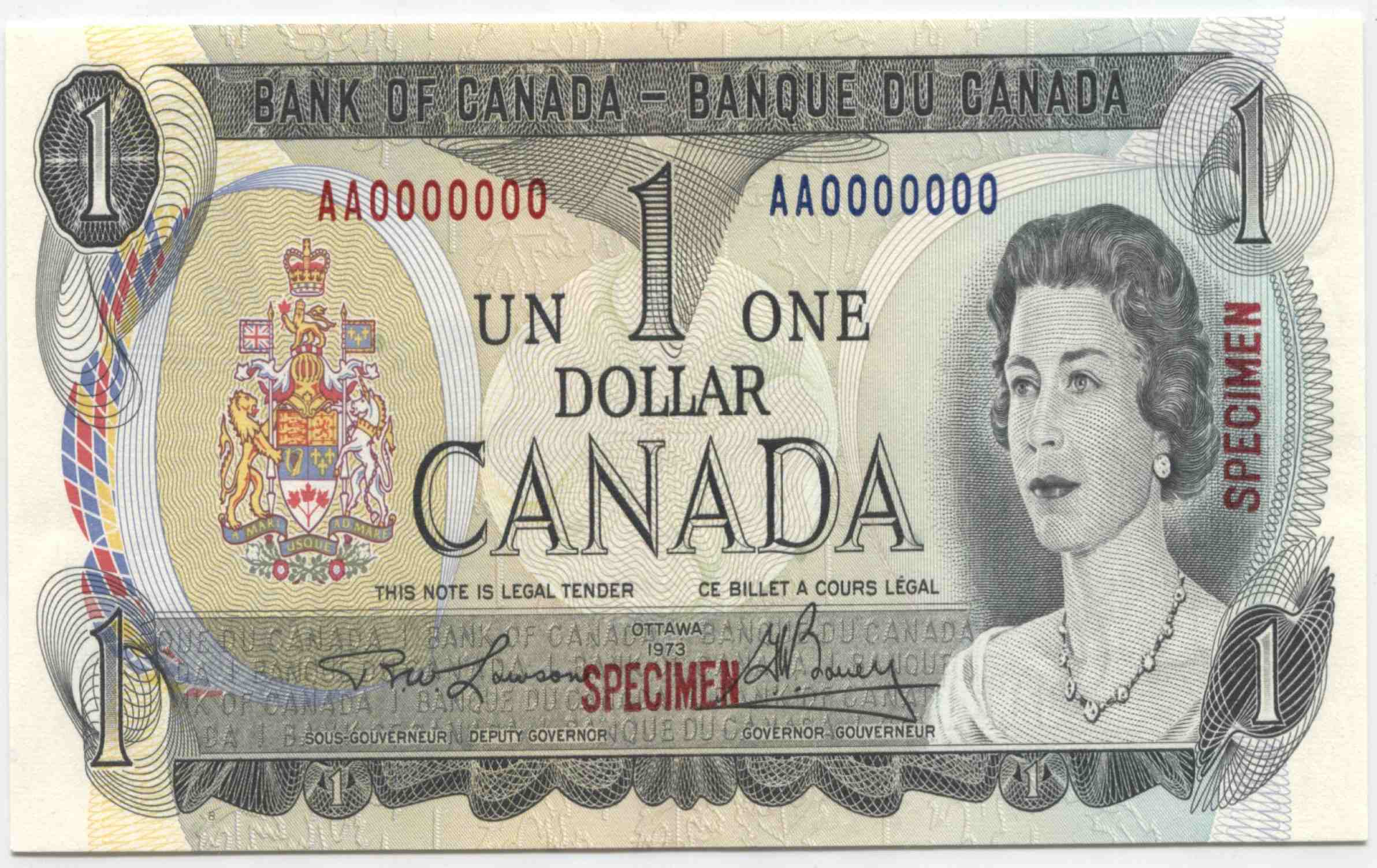
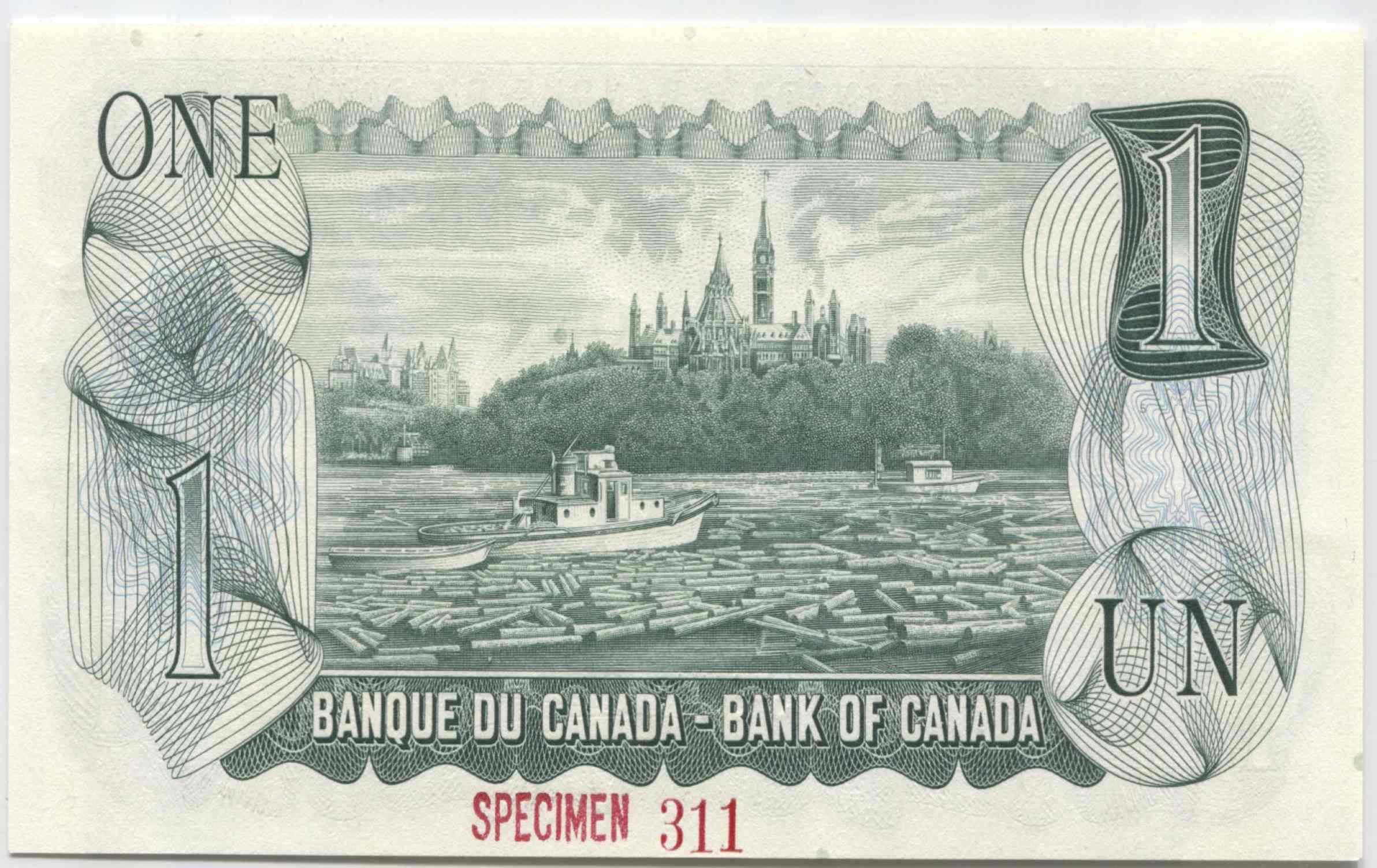
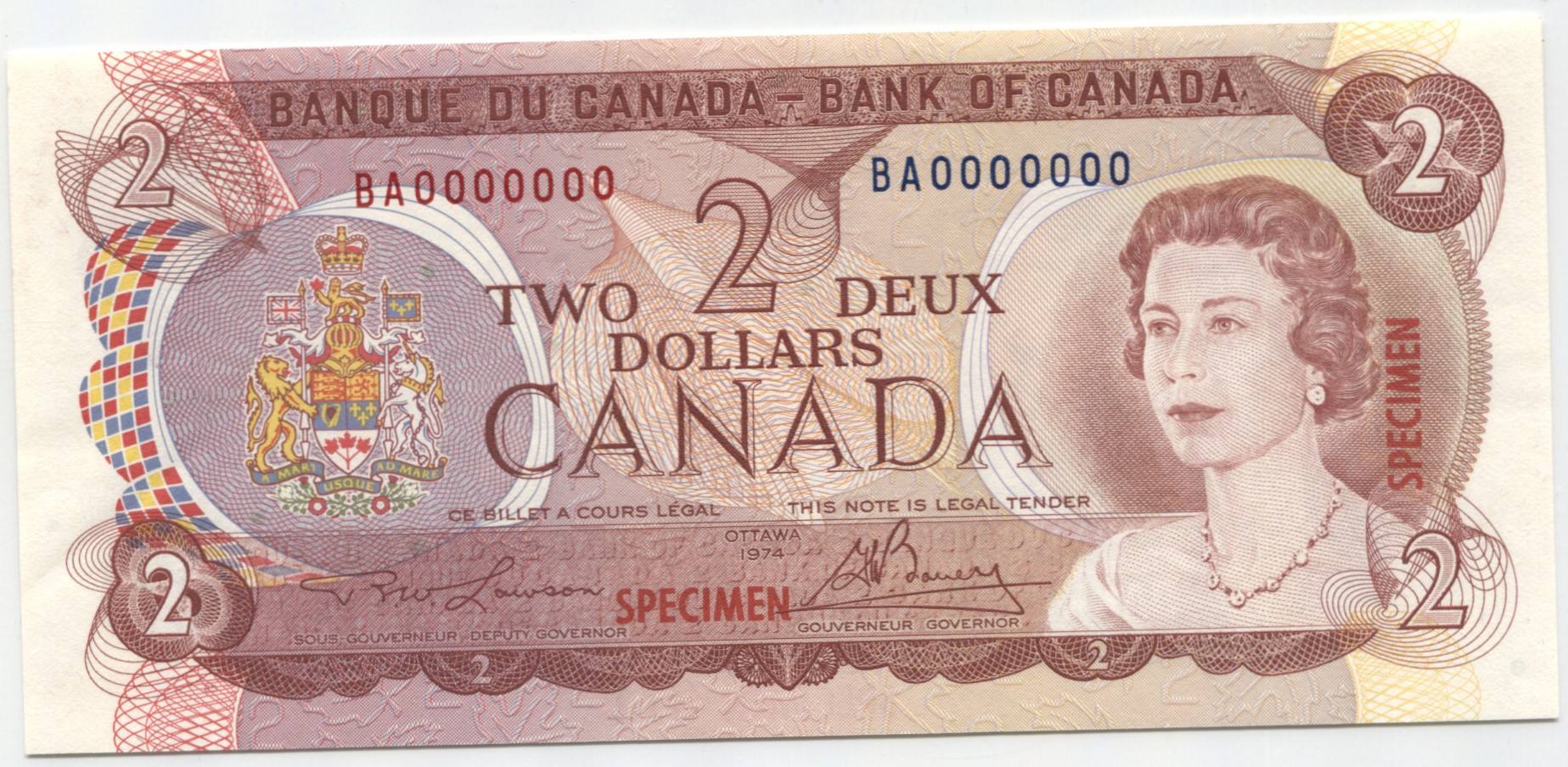
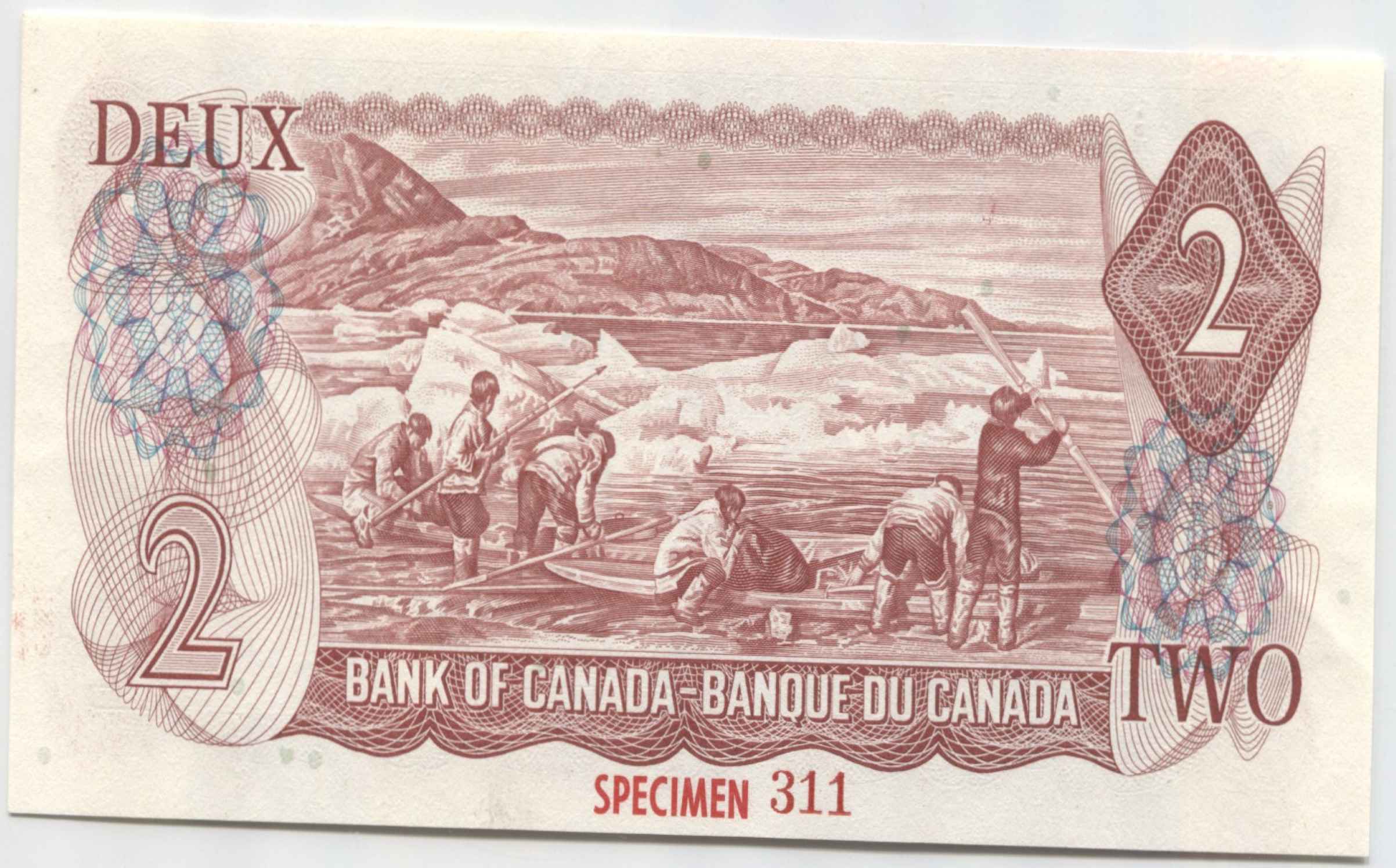
How did you manage that? Thanks! I had been searching auctions, dealer websites, and ebay for an example that would suit my collection and the set number on this one seemed very familiar. Turned out to be a match! I paid a little more than I wanted to but I figured it was worth it as I love consistency in my collection. Quote:
That's a very fortunate coincidence! Good for you! Thanks! Quote:
I had a similar experience after I bought a solid radar $1.00 from New Zealand (111111) & 2-3 years later blindly bought the same series from Allen's Coins (who provides reference pictures). It turned out (once I got the note) to be the exact same prefix & one note away (111110). That's crazy! I wonder what the odds of that happening are? Quote:
I feel such fortunate coincidences are much more likely to happen when you keep your "nose to the ground" in the pursuit of certain series, as you have done before. I agree! |
|
Pillar of the Community
 Canada
9910 Posts |
"Dipping" is not considered cleaning...
-from PCGS website
|
|
Pillar of the Community
Canada
2653 Posts |
Quote:
That's crazy! I wonder what the odds of that happening are? The odds are anybody's guess but I figured this was how it happened. When it comes to notes from the 1960's to 1990's there aren't too many that are tough to buy. And they often were set aside in groups of consecutive runs (in people's SDB or Safe Deposit Boxes). So, later, after the person passes on (or just decides to sell) they usually don't check the # and just get a price from their LCS. They then get sold to other dealers, one of which discovered there was a solid radar. He/she probably sent the radar off to PMG but sold the other consec # notes to another dealer. I've heard (& believe) that successful coin/paper money dealers have more transactions between other dealers then they do with customers. I believe that- so the notes got sold & that's how I got the 2 notes reunited & sold to me by 2 different dealers (the first I won from auction- but who is essentially a dealer). Somewhere along the line of transactions, the notes ended up in the USA (but they could have been brought there by someone who emigrated from NZ). I just noticed that if I wanted to buy a less expensive 10 Pound from NZ (or any country), then to wait till a large run shows up at auction. They're usually auctioned only 2-3 at a time but I considered that a flag to wait & that has usually paid off. The collectors of NZ notes (or the other country) get their fill so that by the 3rd or 4th time they're offered, the hammer doesn't go so high. Less popular TPG's like PCGS can sell for bargain prices (like Gem 65's). The TPG note I ended up with has often been part of a large run of notes & I usually ended up with a price that was much less than what the ungraded "UNC" version listed on ebay. But the big difference is- I am fairly confident my note is UNC or near the grade posted on the holder. I figure if you're actually actively searching for things like you & I are, then synchronicity (or a happy coincidence) is more likely to happen. |
|
Pillar of the Community
Canada
1636 Posts |
How hard is the *MD note to find?
|
|
Pillar of the Community
Canada
5346 Posts |
The replacement MD rarely comes up for auction at wicked prices
|
|
Valued Member
Canada
101 Posts |
Quote:
I figure if you're actually actively searching for things like you & I are, then synchronicity (or a happy coincidence) is more likely to happen. You're probably correct! The more you search, the better chance of happy coincidences. Quote:
How hard is the *MD note to find? As John stated, they are rarely offered. My guess would be that only one full sheet (40 notes) was ever issued. Of that, coinsandcanada.com lists 7 known to exist. The last one sold was in September 2020. |
|
Moderator
 United States
197600 Posts |
Excellent! |
| |
Replies: 9 / Views: 1,001 |
|









 Posted 10/13/2024 09:26 am


