












 Posted 05/06/2010 10:59 am


OK, let's see what we've got, here.
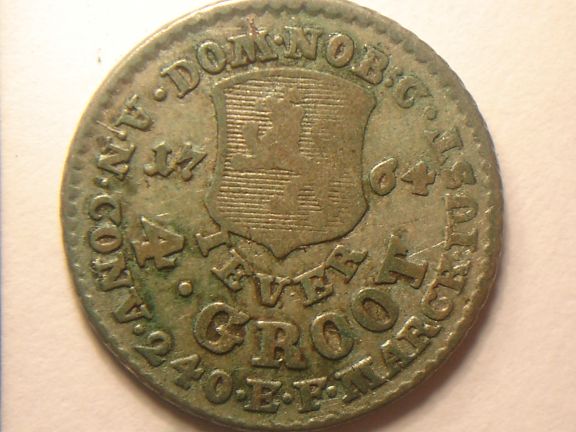
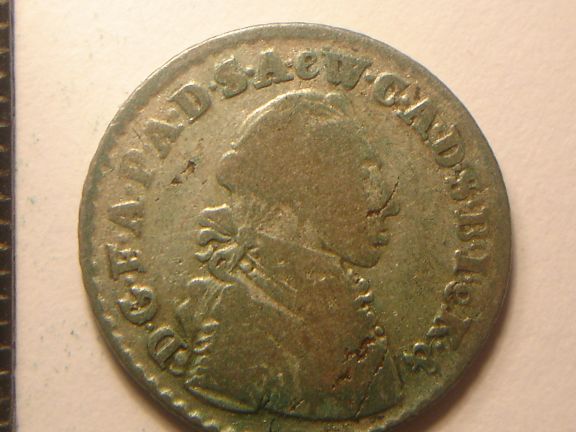
#1: German states, duchy of Jever, 4 grote 1764. A one-year-type, KM# 99. .400 fine silver. My old Krause lists it at $50 in VF. A scarce piece from a hard-to-find state.
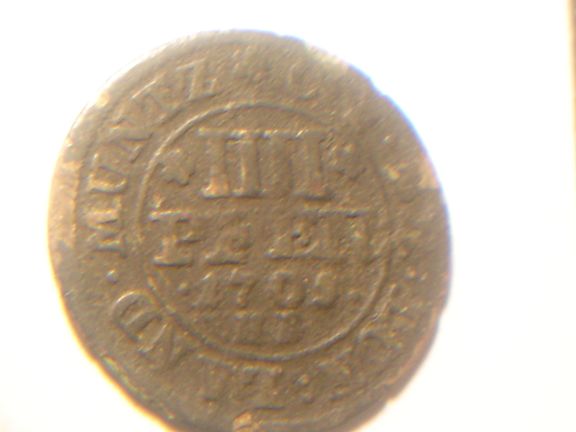
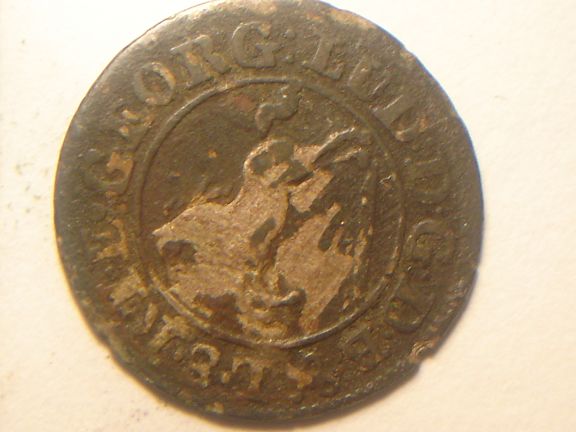
#2: Now this is a nice one - it's from the Duchy of Brunswick-Luneberg, 4 pfennig, appears to be dated 1705. If you rotate the bottom pic 90 degrees clockwise, you'll see the distinctive leaping horse of the house of Hanover. Georg Ludwig, the duke named on the coin, went on to become King George I of England in 1714. KM# 45, $15 in Fine.
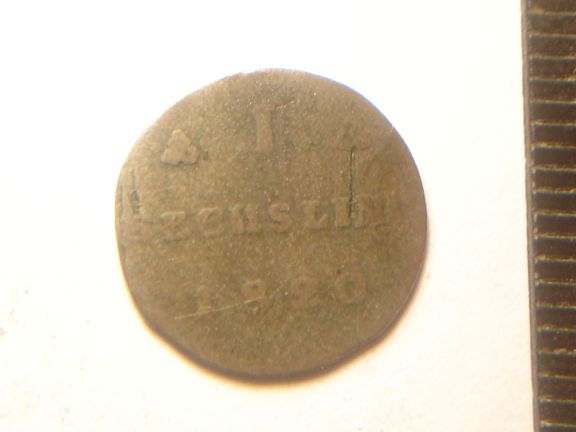
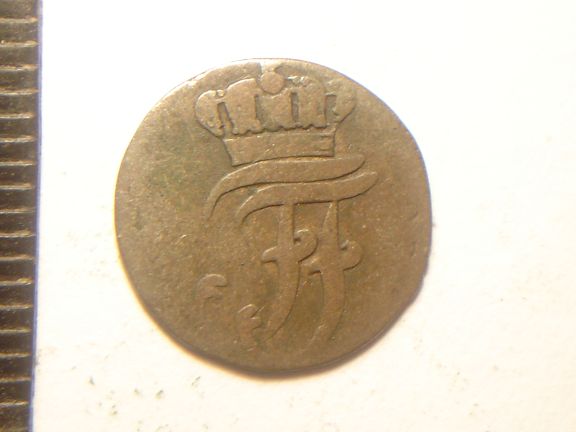
#3: The "sechsling" was a denomination only used by the German states on the Danish frontier, particularly Schleswig-Holstein. This one actually comes from it's neighbour, Mecklenberg-Schwerin. Dated 1820 (KM# 260), this tiny coin may not look like it, but it's silver - .250 fine. Lists at $3 in Fine.
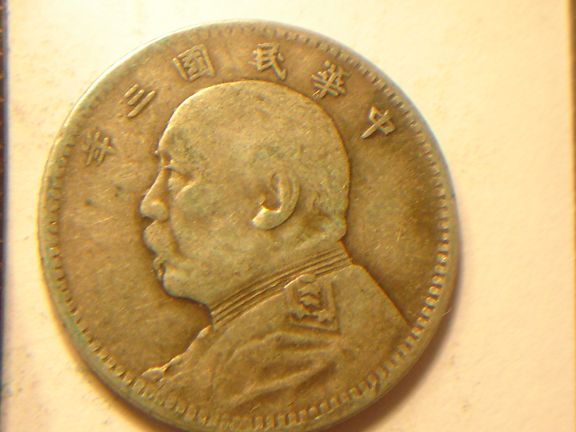
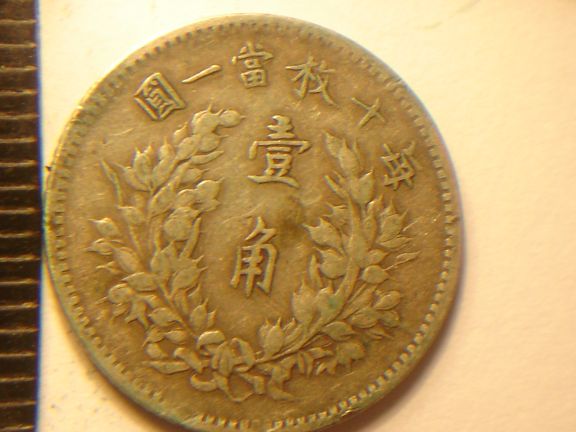
#4: China, 10 cents dated Year 3 of the Republic (= 1914 AD). KM/Y# 326, .700 fine silver, $5 in Fine.
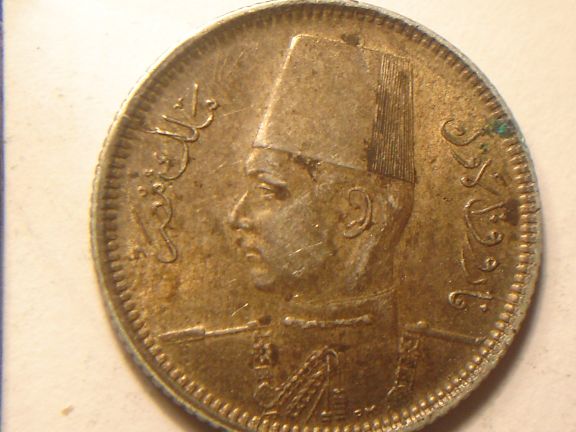
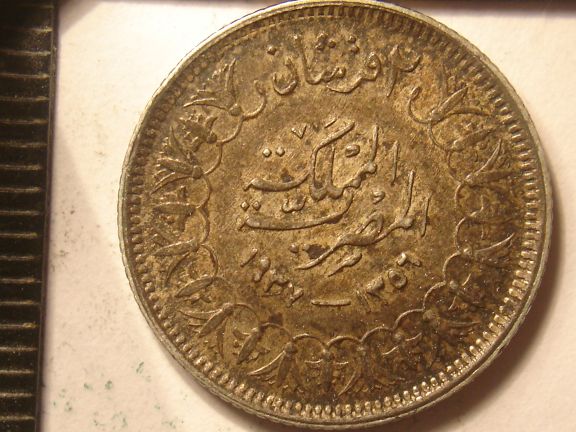
#5: Egypt, 2 piastres 1937. KM# 365, .833 silver, $8 in Unc.
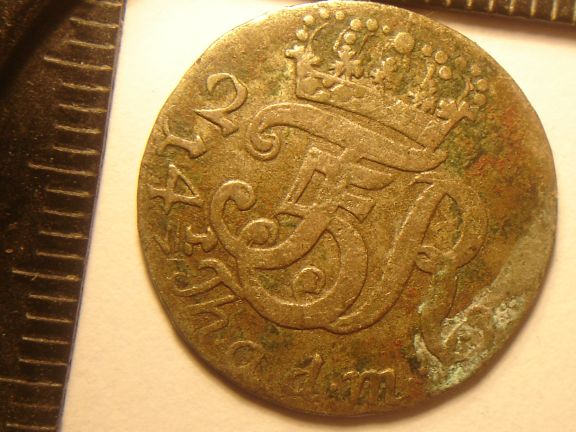
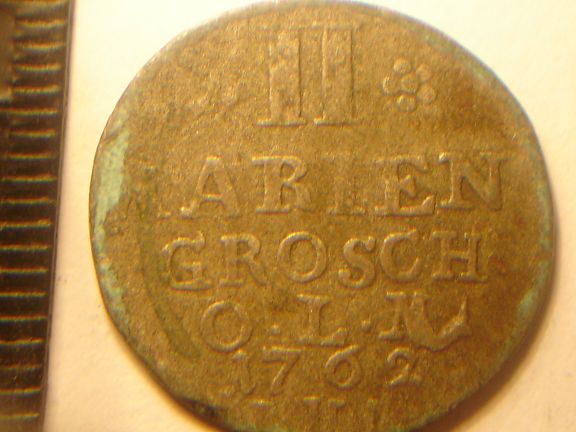
#6: German states, Oldenburg, in the name of King Frederick V of Denmark. 2 mariengroschen 1762, KM# 127, .375 fine silver, quite a scarce type, though the variety without the "2" to the left of the monogram is scarcer. $42.50 in Fine. This one has a bit of corrosion, but it's also got an interesting mis-carving of the "M" above the date, which I don;t think is supposed to be like that.
#1: German states, duchy of Jever, 4 grote 1764. A one-year-type, KM# 99. .400 fine silver. My old Krause lists it at $50 in VF. A scarce piece from a hard-to-find state.
#2: Now this is a nice one - it's from the Duchy of Brunswick-Luneberg, 4 pfennig, appears to be dated 1705. If you rotate the bottom pic 90 degrees clockwise, you'll see the distinctive leaping horse of the house of Hanover. Georg Ludwig, the duke named on the coin, went on to become King George I of England in 1714. KM# 45, $15 in Fine.
#3: The "sechsling" was a denomination only used by the German states on the Danish frontier, particularly Schleswig-Holstein. This one actually comes from it's neighbour, Mecklenberg-Schwerin. Dated 1820 (KM# 260), this tiny coin may not look like it, but it's silver - .250 fine. Lists at $3 in Fine.
#4: China, 10 cents dated Year 3 of the Republic (= 1914 AD). KM/Y# 326, .700 fine silver, $5 in Fine.
#5: Egypt, 2 piastres 1937. KM# 365, .833 silver, $8 in Unc.
#6: German states, Oldenburg, in the name of King Frederick V of Denmark. 2 mariengroschen 1762, KM# 127, .375 fine silver, quite a scarce type, though the variety without the "2" to the left of the monogram is scarcer. $42.50 in Fine. This one has a bit of corrosion, but it's also got an interesting mis-carving of the "M" above the date, which I don;t think is supposed to be like that.
Don't say "infinitely" when you mean "very"; otherwise, you'll have no word left when you want to talk about something really infinite. - C. S. Lewis


