It is called Longacre because it first showed up, and mainly shows up, on coins designed by
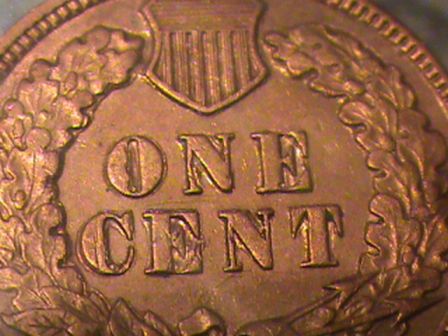
James Longacre. Longacre got his position as Chief Engraver at the mint through political pull and not by expereance and reputation. Yes he was an engraver, but he was a flat plate engraver such as for certificates or banknotes, he was not a diesinker used to working in three dimentions. He did not know how to judge the depth restriction for cutting into or punching into the die to keep the relief from being too high or too shallow. This didn't cause a problem until 1849 when he had to engrave designs for two new denominations and that was when the Longacre doubling started showing up. I believe he had special new punches made up that had the outline around the letters or devices so that hen they were punched into the die you knew they were deep enough when the outlines started showing up. Then when you basined the dies after hardening, when the outlines disappeared you knew the die was basined correctly and the lettering and devices were at just the right depth. Not too shallow, not too deep. In short he had a built in guide to make sure he got it right. The problem was the mint was often short on dies and they didn't bother to basin away all the outlines. This is especially true once the coppernickel coins began and the number of dies needed exploded. (Before the coppernickel coins the die shops had to produce a few hundred die pairs per year. The
Shield nickels required over 1500 die pairs per year for them alone. And if you look at the
Shield nickels closely they show the result of the rush treatment.) After Longacre died the Longacre doubling starts disappearing. New designs or modified designs don't have it and as master dies and hubs wear out and are replaced it disappears. Eventually it only shows up on a few coins whose dies came from masters that haven't been replaced yet. The late
Indian Head cent reverses are the last place that Longacre doubling is seen.









 Posted 03/28/2011 12:50 pm


