

 Posted 07/31/2011 02:06 am


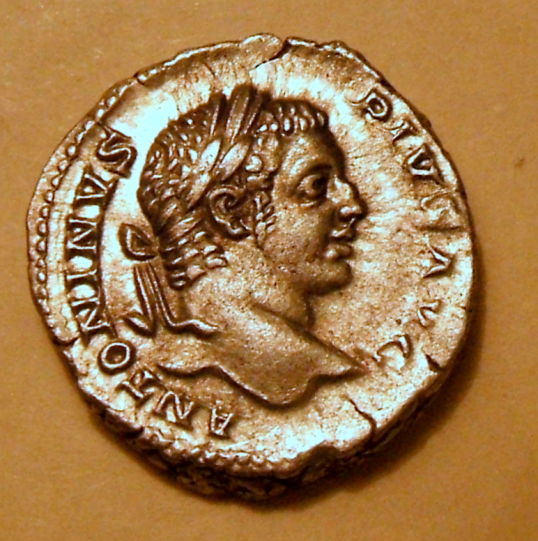
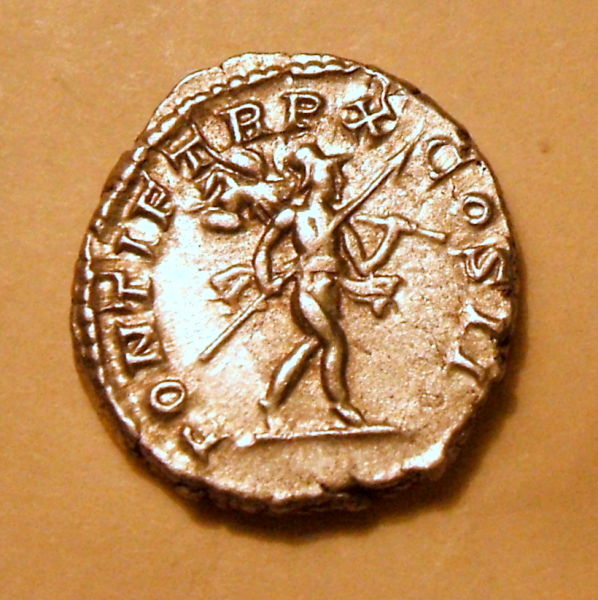
It is a nice looking coin; I would be glad to own it myself, as presented from these pictures.
My only advice to me in buying ancients is that I must personally see it myself, unless I am buying from a dealer whose reputation is beyond reproach, especially for big ticket items.
My very first ancient was an Antoninus Pius denarius, modius and corn ears, in about the same condition as this one. I bought it for $4.50, in 1967.
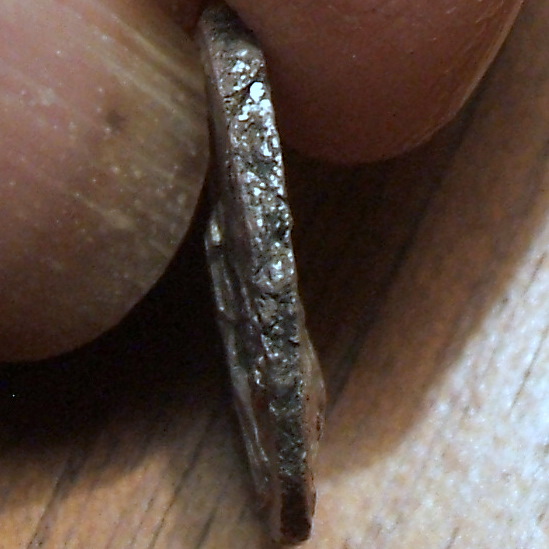
I agree with Sap. I have quite a few 'silver' ancients of varying silver purity. The edge has a lot to do with the paste range of the alloy, where some metals that make up the alloy are not melted and other metals have melted, depending on their melt temperatures. Ancient coins were often heated to their paste range to lessen the effort needed to strike the coin, and to bring up the image clearly.
The result is what you see on the edge of this coin.
My only advice to me in buying ancients is that I must personally see it myself, unless I am buying from a dealer whose reputation is beyond reproach, especially for big ticket items.
My very first ancient was an Antoninus Pius denarius, modius and corn ears, in about the same condition as this one. I bought it for $4.50, in 1967.
I agree with Sap. I have quite a few 'silver' ancients of varying silver purity. The edge has a lot to do with the paste range of the alloy, where some metals that make up the alloy are not melted and other metals have melted, depending on their melt temperatures. Ancient coins were often heated to their paste range to lessen the effort needed to strike the coin, and to bring up the image clearly.
The result is what you see on the edge of this coin.