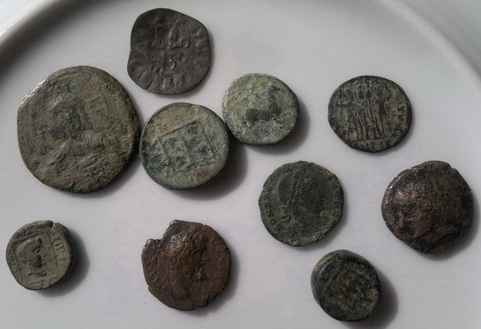
Numbering from the top:
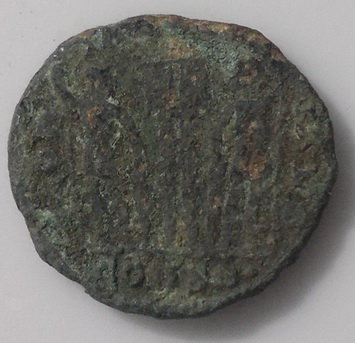
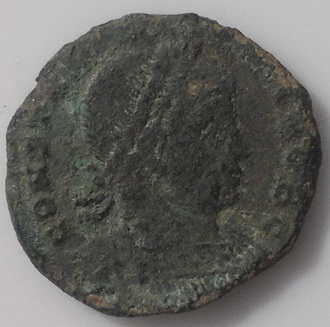
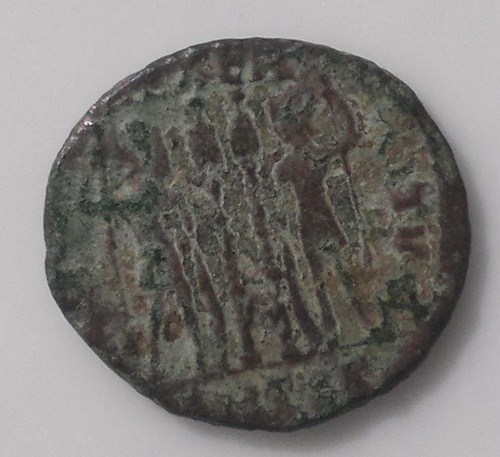
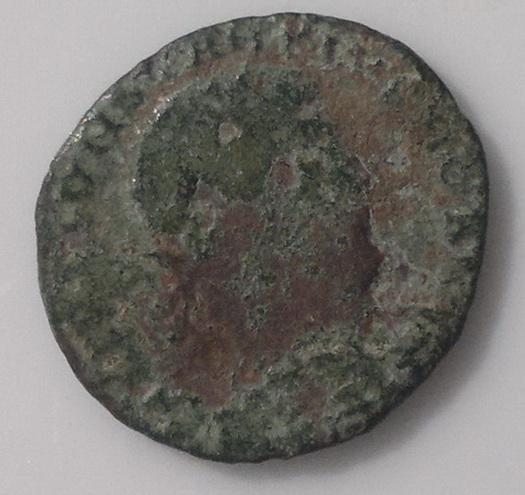
#1: Roman. Late bronze of caesar Constantine II, reverse two soldiers and two standards, GLORIA EXERCITVS, Constantinople mint.
Wildwinds example. Only worth a few dollars in this condition.
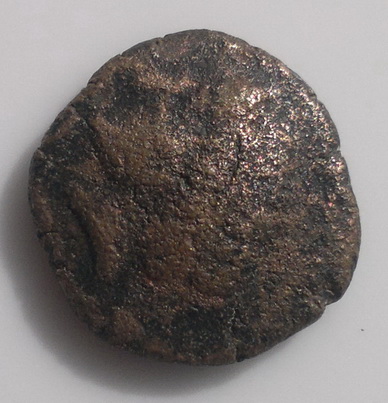
#2: Greek, but no idea beyond that.
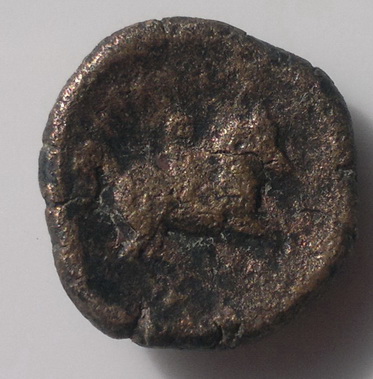
#3: Greek, no idea on this one either. Best guess, a Macedonian copper, given the horse-and-rider motif.
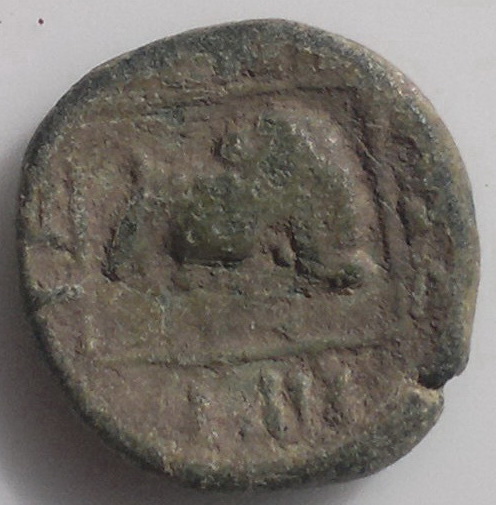
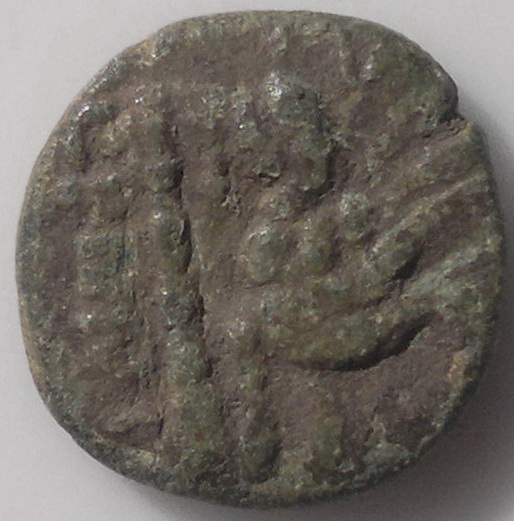
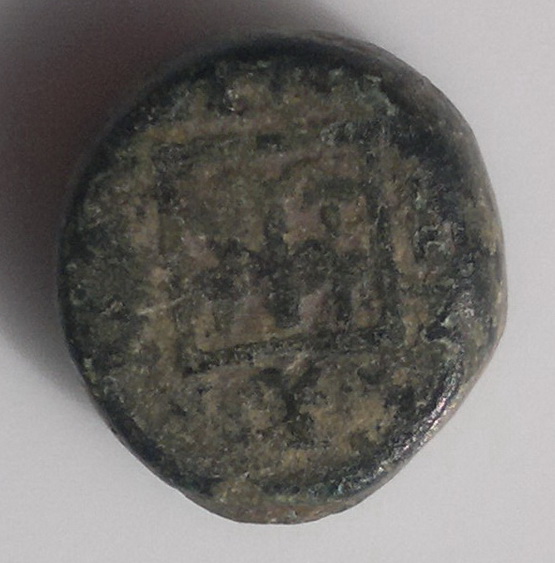
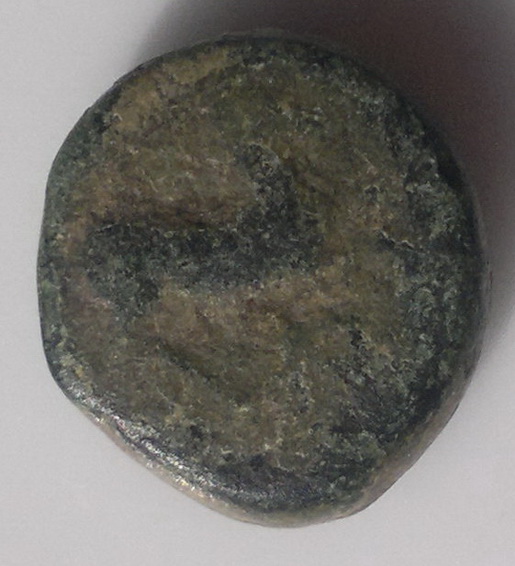
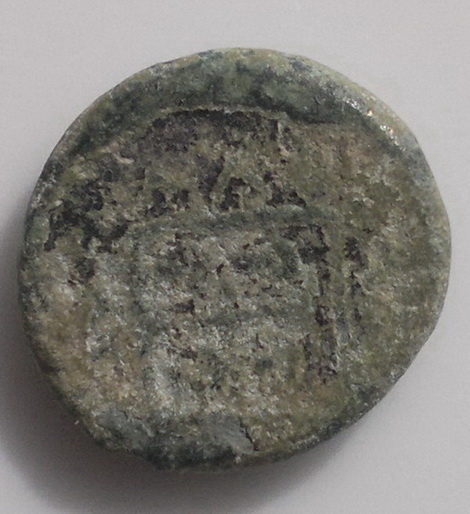
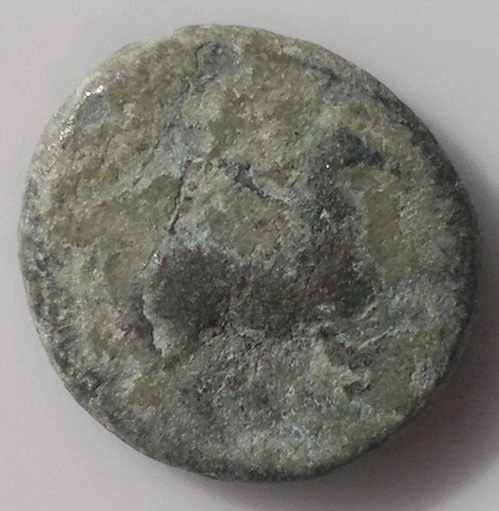
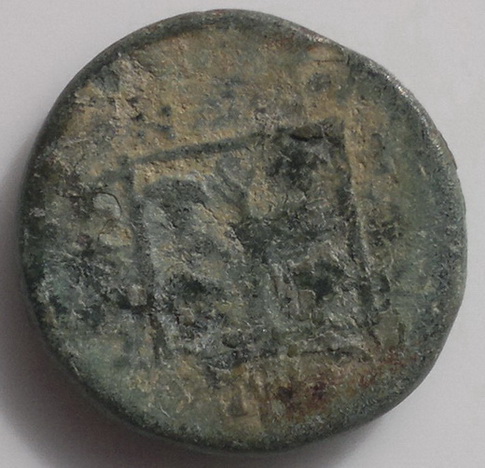
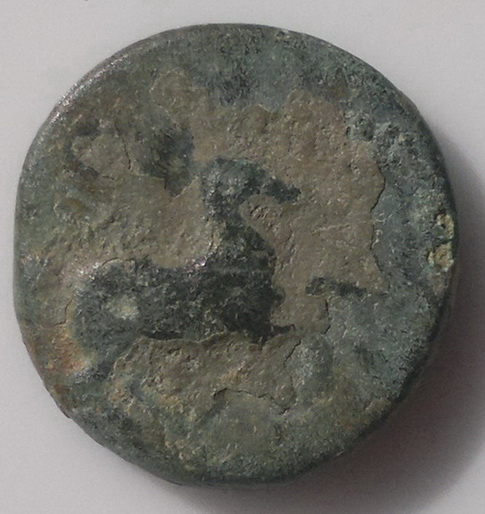
#4: Greek, no idea on this one either, except that coins #9 and #10 appear to be identical to it.
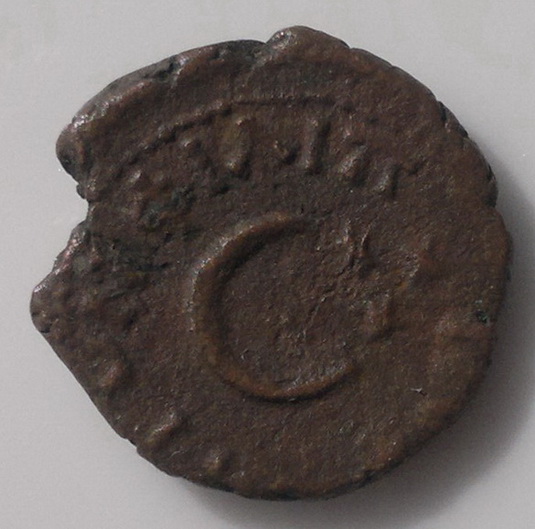
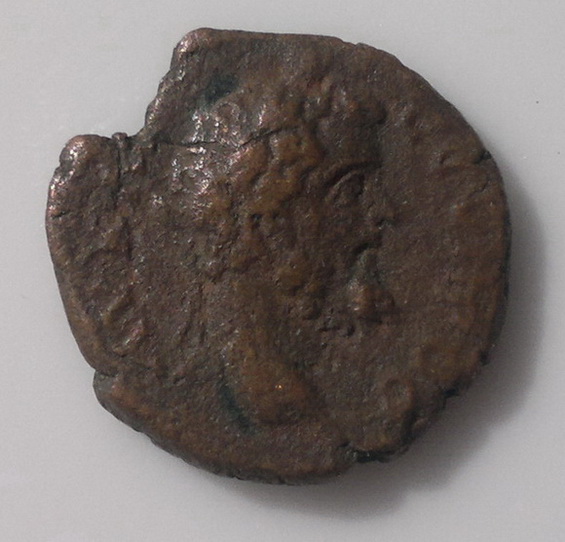
#5: Roman Provincial, city of Philippopolis in Thrace (now known as Plovdiv, Bulgaria), reverse crescent and four stars. I can;t read the emperor's name bu tthe portrait looks like Septimus Severus.
Wildwinds example. Not sure on value, maybe somewhere around $20.
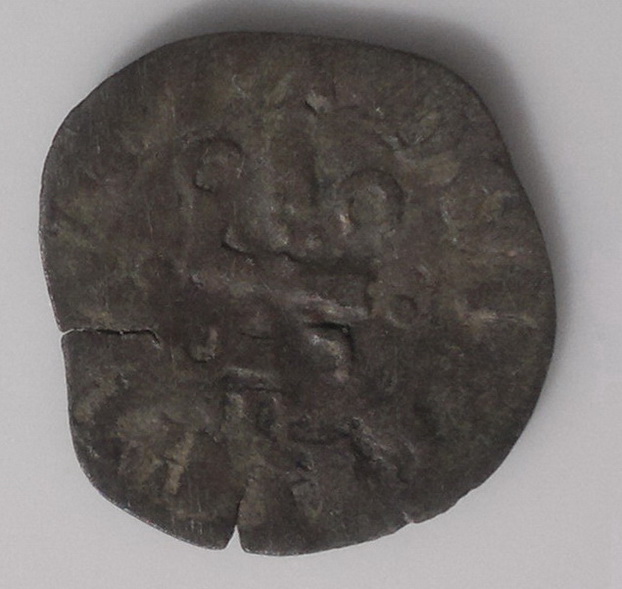
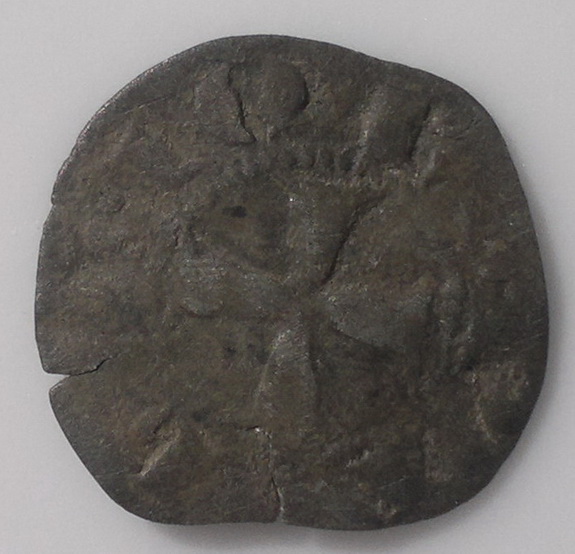
#6: Not ancient. This is a mediaeval silver denier from the Greek Crusader States period. The obverse is the cross-side; the spaceship-looking thing on the other side is the "Tornese castle", copied off of mediaeval French feudal coinage. The principality of Achaia and the Duchy of Athens were the two most prolific denier-issuing states. I believe I can read "IOh" in the top pic - that would most likely be Prince John of Achaia (1318-1333 AD). Crusader deniers seem to be selling for $10 to $40 on
ebay right now.
#7: similar to coin #1, though not certain of the mint or emperor.
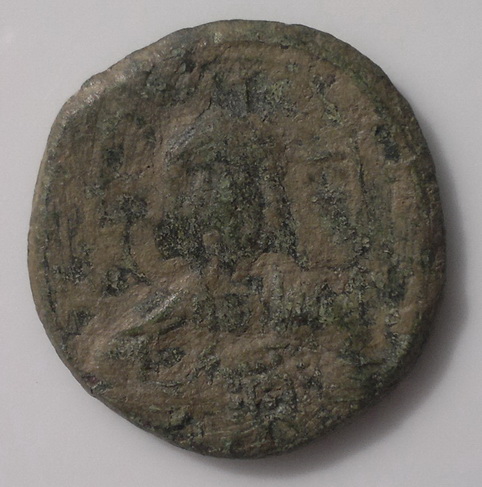
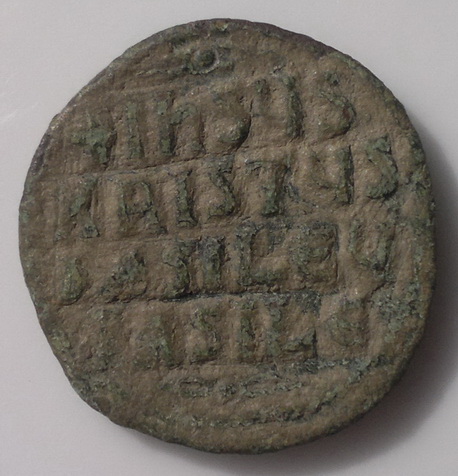
#8: Byzantine, anonymous follis, Class A2, attributed to the period 989-1030 AD. Obverse Christ holding a Gospel, reverse "Jesus Christ King of Kings" in Greek, in four lines. Like all anonymous folles, not particularly rare or valuable. It also appears to have been somewhat crudely cleaned with a sharp implement, which will lower the value.
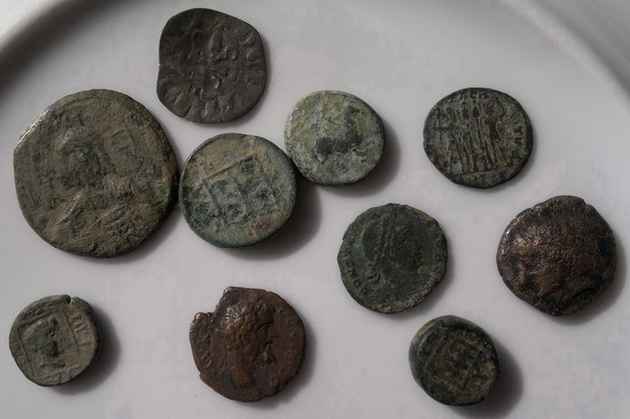
#9 and #10 both appear to be identical to #4, though judging by the scaled pics at the bottom, #4 is a smaller denomination.
Don't say "infinitely" when you mean "very"; otherwise, you'll have no word left when you want to talk about something really infinite. - C. S. Lewis









 Posted 08/14/2011 08:13 am





