sap...taking your translation of CAMBRII to Exchange I have found some very interesting information worth while mentioning should any one know about the early money transactions and/or the church.
instrumentum cambii (also known as an "Avisa") was a "Bill Of Exchange" Here is what I have found online.
History
From 1316 to 1342, the Avignon popes relied on the exchange services of three large Florentine banking houses--the Bardi, Peruzzi, and Acciaioli--all of whom failed in 1342, bringing down the entire papal transfer system with them.[5]
From 1342 to 1362, the Apostolic Camera was required to use the services of several smaller and weaker firms from Asti (especially Malabayla), Lucca, and Pistoia; the Camera was unsuccessful in trying to build up the capacity of each of these bankers.[5]
However, in 1362, the papacy was able to employ the services of the Alberti antichi banking house in Florence, which had recently risen to prominence.[5] The papacy did not use the mechanism of the bill of exchange (which had been common since the 13th century), but rather employed a unique procedure which required a receipt in notarial form for all transfers to Avignon called the instrumentum cambii; this instrument--always made out in duplicate or triplicate--specified the amount received by the banker and proxy and recorded a promise to transmit to Avignon and pay to the pope or his agent a certain amount.[5] One copy of the instrument was sent to Avignon by the papal carrier which enabled the Avignon administration to obtain payment from either the banker or their Avignon representative.[5] The use of written documents was considered "not businesslike" by contemporaries as it required the constant "intervention of notaries".[5]
The instrumentum cambii (also known as an "Avisa") did not eliminate the possibility of fraud, but rather created different possibilities for misdealings, as seen with a 1359 exchange between Venice and Avignon
The bill obligatory was similar to the instrumentum ex causa cambii (proven to have existed in England since the end of the 12th century). It was rather a payment promise than an obligatory request for payment and met the needs of the traveling merchants visiting fairs in the Netherlands until the 17th century. There were only two or three people involved in such deals: first, the merchant who borrowed the money and wanted to pay it back at the next fair, second, the merchant who lent the money and wanted to get it back at the next fair in person or via an agent, third, possibly the lenders's epresentative who would collect the payment.
The instrumentum ex causa cambii is undoubtedly the prototype of the bill of exchange, for it fulfilled exactly the same function. True, the instrumentum took the form of a promise to pay, whereas the bill of exchange is an order to pay, but this distinction, being purely formal, is more superficial than real.
Maybe this is heading in the right direction...
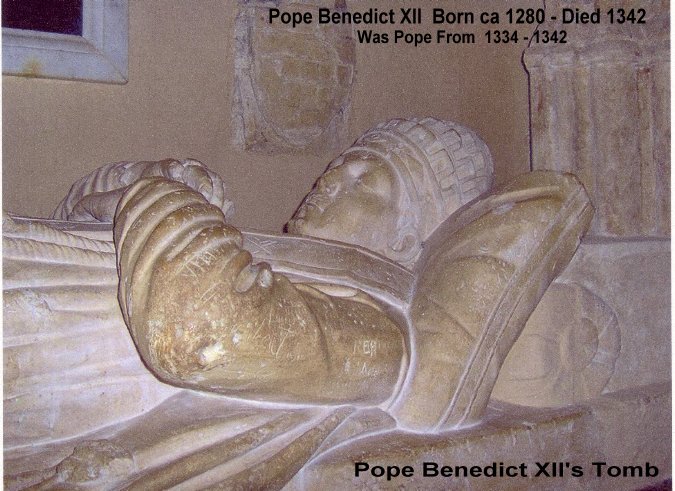
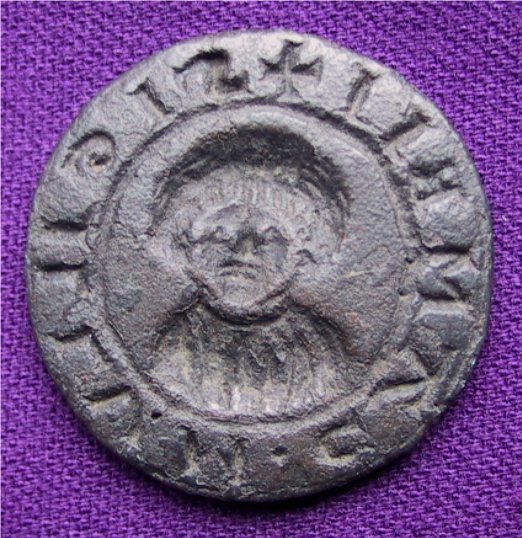
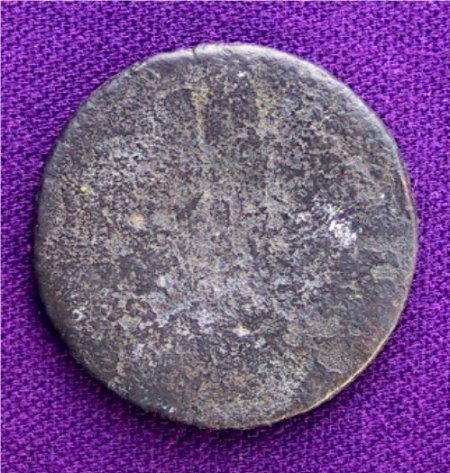
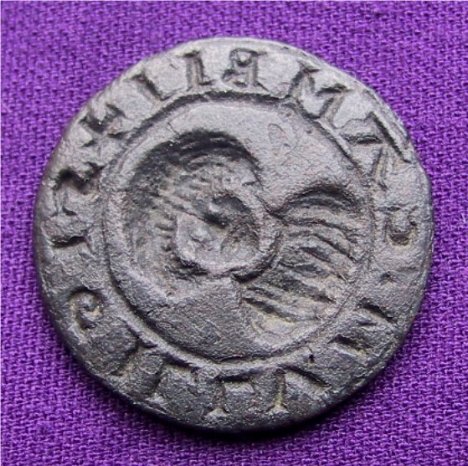
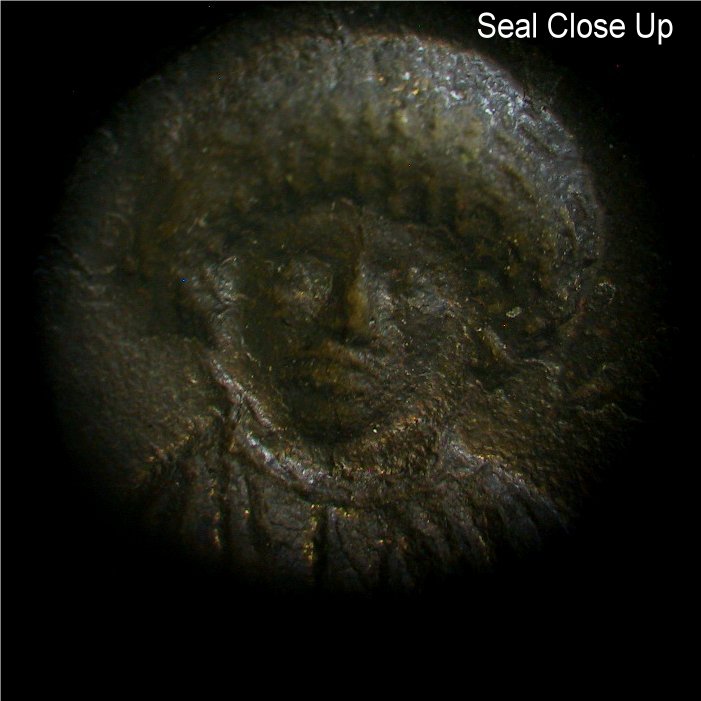
My first impression of the seal was that of a deceased person. I just found this picture which explains better than words..












 Posted 09/22/2011 10:40 am


