| Author |
 Replies: 21 / Views: 9,300 Replies: 21 / Views: 9,300 |
Page 2 of 2
|
|
|
|
Bedrock of the Community
Australia
21789 Posts |
Most of the mules of this coin in magazine articles I have read prove them with X - ray analysis.
|
|
Moderator
 Australia
16946 Posts |
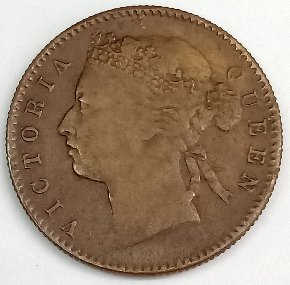
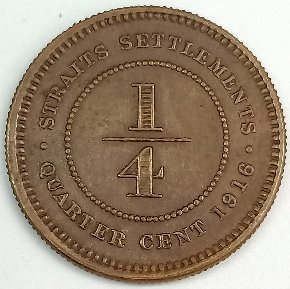
We'd have to see the other side.
Don't say "infinitely" when you mean "very"; otherwise, you'll have no word left when you want to talk about something really infinite. - C. S. Lewis
|
|
Pillar of the Community
Australia
2180 Posts |
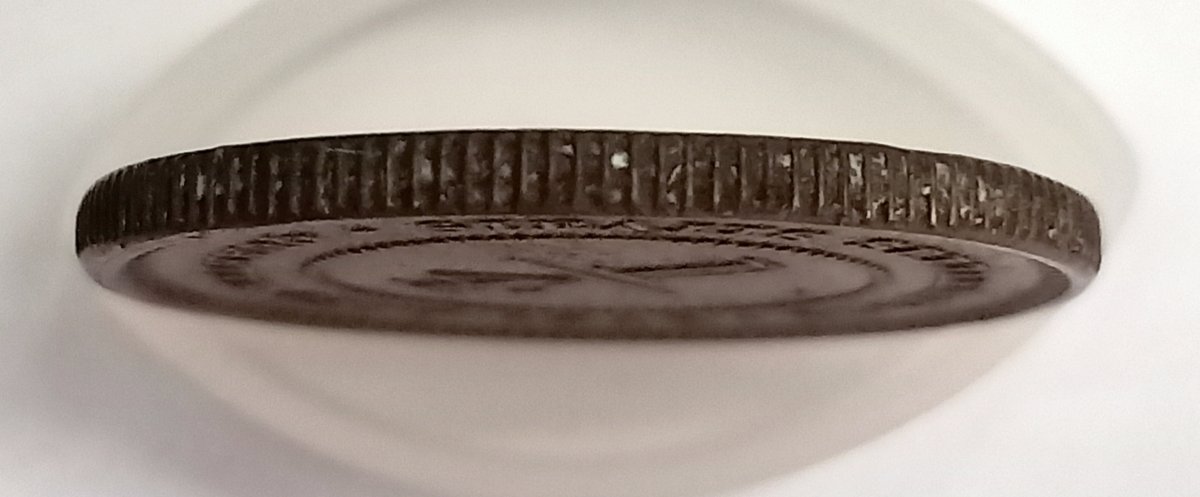
Post a picture of the rim too.
|
|
Pillar of the Community
Australia
852 Posts |
There is another possibility for making the 1916 mule. The Indians restruck a number of coins in the 1960s for collectors using old dies (such as the pennies and halfpennies from WW2). So that means that not only did they retain old dies but they saw the money making potential.
For all we know an enterprising mint curator (a David Gee wannabe?) could find the old dies (unless they were destroyed) and make a few more mules, maybe even make mules that never existed such as Raj era dies paired to Republic of India dies.
|
|
Pillar of the Community
Australia
2180 Posts |
I have considered that but my conclusion was only 'maybe'. The 1916 halfpennies were struck at Calcutta I believe while most of the restrikes were done at Bombay (maybe at Calcutta too, I haven't fully investigated this). I don't know what happened to the Calcutta Mint's dies when it closed in 1952 though.
edit: apparently the Calcutta Mint moved in 1952 and at some point it transferred its dies to the Bombay Mint to make restrikes.
Edited by Mr T
07/13/2013 07:21 am
|
|
Bedrock of the Community
Australia
21789 Posts |
A two half, joined - together fake mule could be easily revealed by ring tone.
|
|
Pillar of the Community
Australia
852 Posts |
Mr T
Is there any info available about which coins were restrikes in the 1960s besides the penny and halfpenny?
IIRC the Indian mints struck coins for many countries and I did read once that there were restrikes done to collector orders where they requested mismatched dies (mules)and those were struck.
|
|
Pillar of the Community
Australia
852 Posts |
UPDATE
Mr Ts references to the Calcutta mint closing and transferring dies got my brain trying to remember details about the Mint.
I keep an extensive cross referenced book of references (and again I admit to being anal). Found a reference to the Calcutta mint in the Australian Coin Review (Jan 1968 pages 5-6).
It was a first person account of Allan Gally and his report first appeared in The Canadian Numismatic Journal. He toured the Indian mints and noted that Calcutta mint had 50 presses and Bombay 40 and they use 120,000 dies a year.
There seems to be errors in the article as it references the old building being built in 1824 (and the Calcutta Mint website confirms it closed in 1952 and a new mint opened nearby in Alipore).
The interesting part was this paragraph:
"A section of the Calcutta Mint is
put aside for the striking of
'genuine' coins for anyone ordering
them. Working punches and dies
of coins that have ever been struck
by the Indian Mints are stored
there and, for a price, anyone can
have a rare coin. These restrikes
are sent all over the world to any
collector requesting them. At one
time, the Mint struck early Aus-
tralian coins (they originally struck
these for the Australian Govern-
ment, hence the dies were on file),
but the australian Government
raised such strong protests that
India returned the dies to Aus-
tralia."
Then the article goes on about the problem of counterfeiting in India. Then another interesting paragraph.
"A quantity of the counterfeit
coins have seemingly been struck
from original dies that must have
been smuggled out of the Mint at
one time or another. A display
cabinet contains over 200 pairs of
dies that have been confiscated
from counterfeiters."
As the article references the return of dies to Australia (and that was in the 1960s) then if only the 1942-43 dies were returned what happened to the 1916-18 dies? and if they still existed in the early 1960s (when the restrikes happened) then why didn't a collector request restrikes of them as well?
So did nobody think to request them, or had they been misplaced (easy with that volume of dies over many years).
Perhaps someone in Canada might have access to the original CNJ article to see if the ACR editor added erroneous details?
|
|
Pillar of the Community
Australia
2180 Posts |
nealeffendi, I don't know all the details of the restrikes but I have a book on Indian coins that says the Bombay Mint restruck (or could have restruck) most coins made in India's mints. Lots of Indian restrikes were made, the 1942 and 1942 Australian coppers were restruck and someone on this forum posted a Straits Settlements mule which I assume was a restrike.
I also happened across that article you mentioned yesterday and I think it was the Bombay Mint, not the Calcutta Mint that was doing restrikes based on what I have read elsewhere.
I assume the 1916 to 1918 dies were either misplaced or sent to Australia (I think some 1920 pennies were struck with dies sent from India).
|
|
Bedrock of the Community
Australia
21789 Posts |
An interesting thought came to mind:
Dies are made out of hardened steel.
If not stored properly, rust MAY have been able to gain a slight start.
I might be worth examining latter day restrikes for any sign of rust impressions on those restrikes.
Just a thought.
|
|
Pillar of the Community
Australia
2180 Posts |
The article in McDonald's says that all the Australian restrikes showed die polish lines. I don't know if they had rust impressions but I believe at least some of the Bombay restrikes have rust impressions.
|
|
Valued Member
Australia
222 Posts |
These mules were (most likely) not restruck. If they were, we'd know about them. More importantly, they'd be brand spanking new and not worn.
Edited by Eric
04/29/2014 01:49 am
|
|
Pillar of the Community
778 Posts |
Edited by BillSnyder
05/05/2014 6:36 pm
|
|
New Member
Malaysia
13 Posts |
|
|
Bedrock of the Community
Australia
21789 Posts |
Although this post is slightly aside,
it is possible that chang's coin is not a forgery or a mule.
I have seen a square Straits Settlements 1/3 Cent, dated 1816, with an obverse image of Victoria,
and also a
round Straits Settlements 3/4 Cent, dated 1820, with an obverse image of Victoria,
both of which seem be be very obviously privately made fantasy coins.
Chang's coin needs further investigation; it may? have the same source of manufacture
|
|
Page 2 of 2
|
Replies: 21 / Views: 9,300 |
Page 2 of 2
|







 First Page


 Posted 06/06/2013 04:27 am