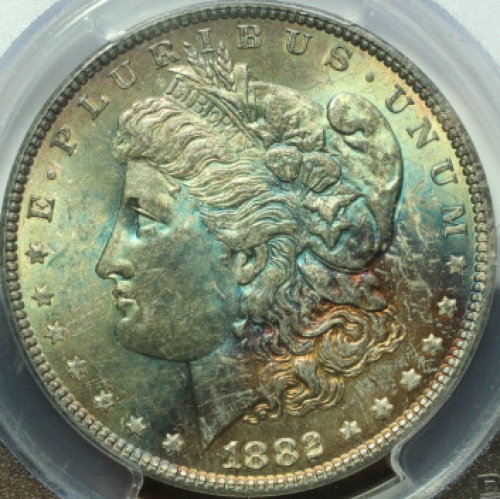
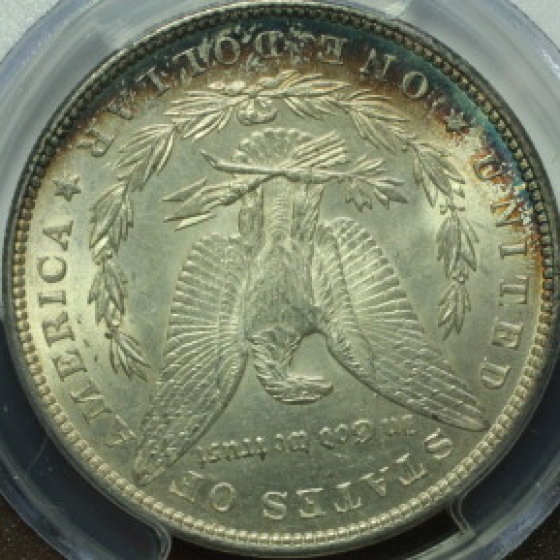
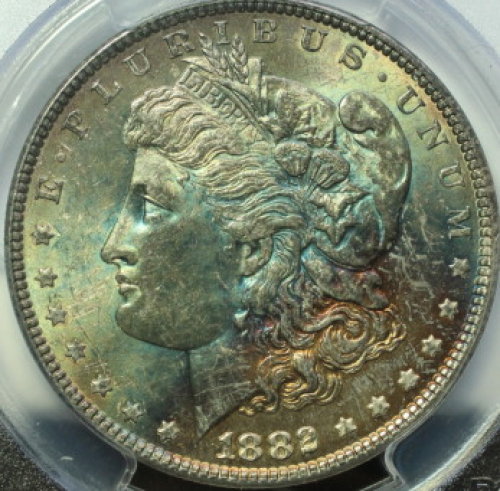
First Page


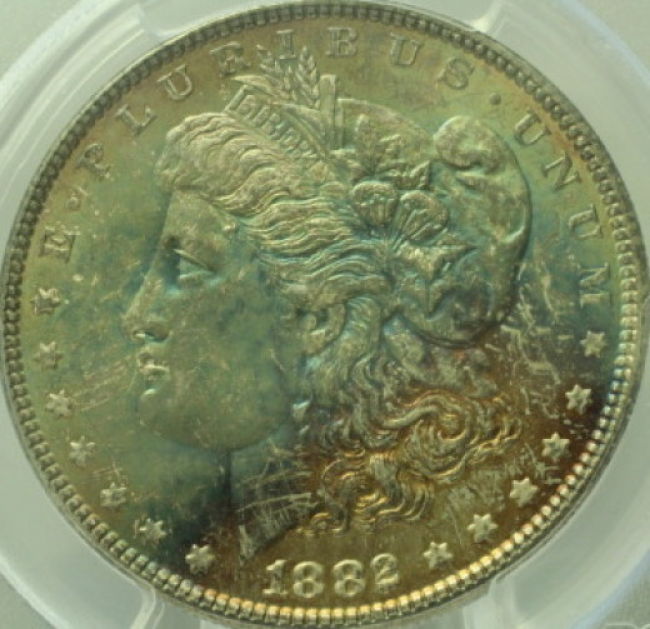


 Posted 08/22/2013 11:06 am


OK, today's topics:
1) Concentrate on getting that EXIF data, so we can tell what your aperture, exposure and ISO settings were. If you're familiar with Windows file management, all you have to do is right-click on the image file, choose "Properties" and then "Details" from that context menu, and that gives you the EXIF data.
2) Until we go fully Manual in operation, use Av Mode, set the Aperture at f/8, and leave it there. This aperture is (generally) the best setting to offer enough depth of field without getting into diffraction (worry about that term later). A larger (numerically smaller) aperture will let more light in, allowing lower ISO and faster exposures (both of which are good things), but at the cost of depth of field so the whole surface of the coin might not be in focus. Use a 2-second delay for your shooting, so you aren't physically contacting the camera when it snaps the shot.
3) Learn how to do a custom White Balance setting with your camera. This will involve taking a picture of (this is the way I do it, there are other ways) a stack of printer paper, and then essentially telling the camera, "this is white, correct things so this looks white to you." That setting is unique to the specific lighting you're using at the moment, and if you change any of the lighting you have to change the White Balance.
4) Post what you're using for lighting. Here at CCF, we're big fans of the Jansjo LED gooseneck lamp sold at Ikea for $10; we generally use them in pairs, set at 10:00 and 2:00 and shining as directly downward on the coin as possible. We like them because they're cheap and infinitely adjustable.
5) Get these and the vertical setup configured before we worry about making any other adjustments, and consider trying manual focus with the coin on the camera's rear screen.
I'm available until about 4PM today. At that point, I'm headed for work and will be spending 37-1/2 of the next 64 hours on the clock with 4 hours' sleep between shifts. No telling if I'll be capable of posting Sunday after the dust settles, without sleep, so don't be worried if I don't show up until Sunday night. There are others following the thread who will likely be helping in my absence.
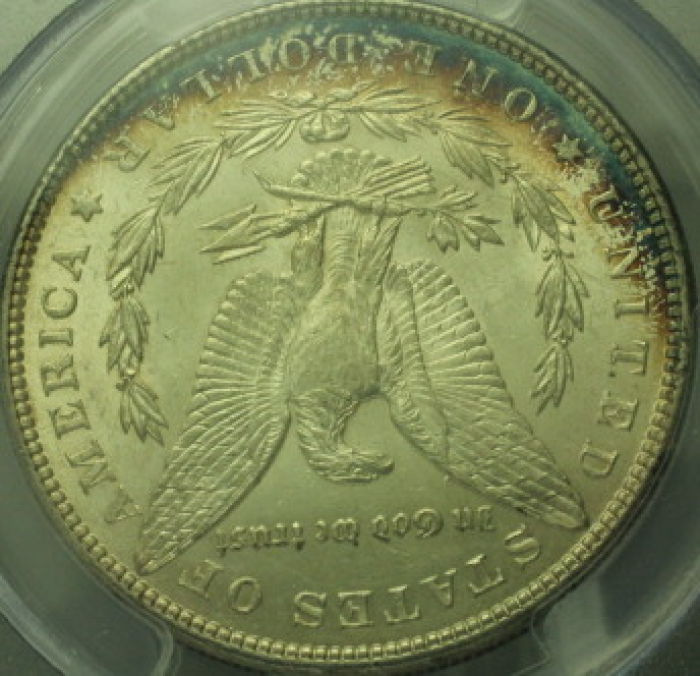
Oh, one more thing: always orient the coin vertically to the camera, so whatever face you're shooting is straight up and down.
1) Concentrate on getting that EXIF data, so we can tell what your aperture, exposure and ISO settings were. If you're familiar with Windows file management, all you have to do is right-click on the image file, choose "Properties" and then "Details" from that context menu, and that gives you the EXIF data.
2) Until we go fully Manual in operation, use Av Mode, set the Aperture at f/8, and leave it there. This aperture is (generally) the best setting to offer enough depth of field without getting into diffraction (worry about that term later). A larger (numerically smaller) aperture will let more light in, allowing lower ISO and faster exposures (both of which are good things), but at the cost of depth of field so the whole surface of the coin might not be in focus. Use a 2-second delay for your shooting, so you aren't physically contacting the camera when it snaps the shot.
3) Learn how to do a custom White Balance setting with your camera. This will involve taking a picture of (this is the way I do it, there are other ways) a stack of printer paper, and then essentially telling the camera, "this is white, correct things so this looks white to you." That setting is unique to the specific lighting you're using at the moment, and if you change any of the lighting you have to change the White Balance.
4) Post what you're using for lighting. Here at CCF, we're big fans of the Jansjo LED gooseneck lamp sold at Ikea for $10; we generally use them in pairs, set at 10:00 and 2:00 and shining as directly downward on the coin as possible. We like them because they're cheap and infinitely adjustable.
5) Get these and the vertical setup configured before we worry about making any other adjustments, and consider trying manual focus with the coin on the camera's rear screen.
I'm available until about 4PM today. At that point, I'm headed for work and will be spending 37-1/2 of the next 64 hours on the clock with 4 hours' sleep between shifts. No telling if I'll be capable of posting Sunday after the dust settles, without sleep, so don't be worried if I don't show up until Sunday night. There are others following the thread who will likely be helping in my absence.
Oh, one more thing: always orient the coin vertically to the camera, so whatever face you're shooting is straight up and down.