| Author |
 Replies: 18 / Views: 5,166 Replies: 18 / Views: 5,166 |
Page 2 of 2
|
|
|
|
Moderator
 United States
23522 Posts |
Quote:
That is crazy, even check out the weakness on the bottom of the wreath!
Interesting. I can't wait to see the obverse. |
|
Bedrock of the Community
United States
10045 Posts |
I don't usually go for cracks, but I really like this coin.  So I'm guessing the only reason this die held together that long was because it was the anvil w/ a collar around it?  |
|
Pillar of the Community
 United States
2760 Posts |
Seller's pic of obverse. 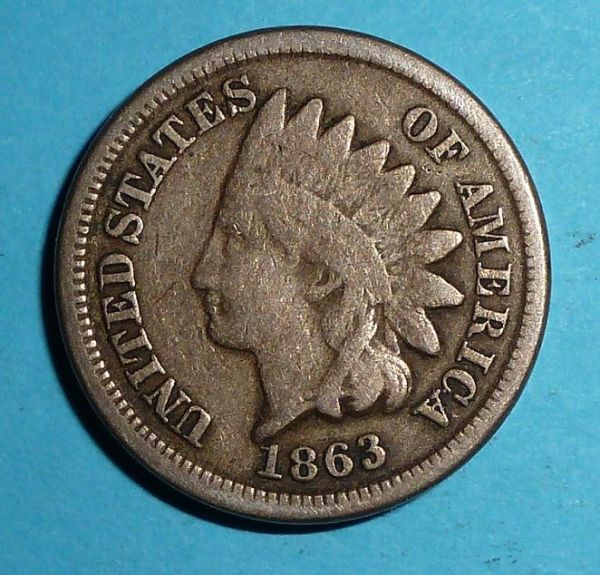 |
|
Pillar of the Community
United States
2760 Posts |
the reverse of these copper nickel cents is often found misaligned, so I think the reverse die was the hammer die. Do I have the logic of that right?
|
|
Pillar of the Community
United States
865 Posts |
That's amazing. Cracks all over the place on that coin.
|
|
Bedrock of the Community
United States
10045 Posts |
I recall that for FE cents, the hammer die was the reverse--but I thought that was switched for IHCs? |
|
Pillar of the Community
United States
8537 Posts |
Oregon coin geek.....*** GO BEAVS ! ! ! ***
|
|
Pillar of the Community
United States
2760 Posts |
good sleuthing 52Raymo - that coin is from the same die! And a bit overpriced at $85 in that condition cleaned.
|
|
Pillar of the Community
United States
716 Posts |
On FE cents, the anvil die was the obverse, but when IHC were minted the hammer die became the obverse which I believe is more typical of most coins. I believe I read this on the Heritage auction site where they were quoting Snow. I cannot find the article now. I believe the reasoning for making the obverse the anvil die on FE was to increase striking pressure on the obverse in an attempt to correct some of the striking issues that plagued the FE cents. |
|
Rest in Peace
United States
10625 Posts |
Man, I love coins struck from terminal dies and this one qualifies big time. Nice pick! |
|
Pillar of the Community
United States
2760 Posts |
Beatlybailey, I believe the FE and copper-nickel cents were struck similarly, then they reversed the hammer/anvil dies when the composition was switched to bronze in 1864.
|
|
Pillar of the Community
United States
716 Posts |
Robbudo, I am not going to disagree with you because what you are saying makes a lot of sense-that they did not reverse the dies until the metal composition was changed on the IHC. However, I am pretty sure the article stated that the switch was made in 1859. Its not a big deal but it bugs the heck out of me when I know I read something but can't locate the article. |
|
Pillar of the Community
743 Posts |
Do you guys think the obverse die might have been swapped out after a major clashing incident and the reverse left in for a while? I have always thoguht that die clashes cause these types of die breaks.
|
|
Pillar of the Community
United States
9811 Posts |
Very cool cracked coin! I love these types of varieties/errors.
"Buy the Book Before You Buy the Coin" - Aaron R. Feldman - "And read it" - Me 2013! ANA Life Member #3288 in good standing since 1981, ANS, Early American Coppers Member (EAC), Colonial Coin Collectors Club member (C4), Conder Token Collector Club member (CTCC), Civil War Token Society (CWTS) member, Liberty Seated Collectors Club (LSCC) & Numismatic Bibliomania Society member (NBS), USMex, Member in good standing, 2¢ variety collector. See my want page: http://goccf.com/t/140440 |
|
Valued Member
United States
70 Posts |
|
|
Page 2 of 2
|
Replies: 18 / Views: 5,166 |
Page 2 of 2
|





 First Page


 Posted 01/23/2014 1:56 pm


