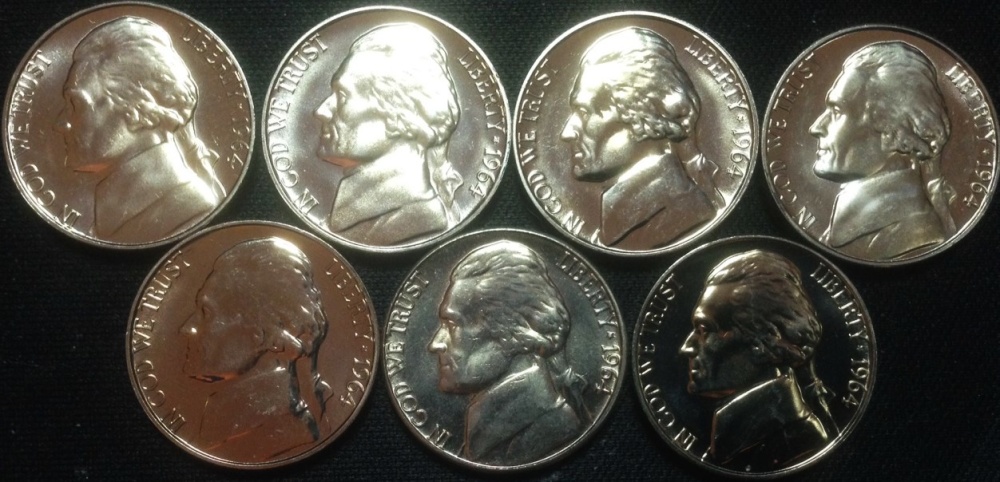
First Page
 Previous Page


 Posted 12/09/2015 11:21 am


Modern proofs are usually easier to tell, since they will usually have *some* of the shine left in the fields, especially between letters. It also takes a decent amount of circulation to wear away the "frosted" effect.
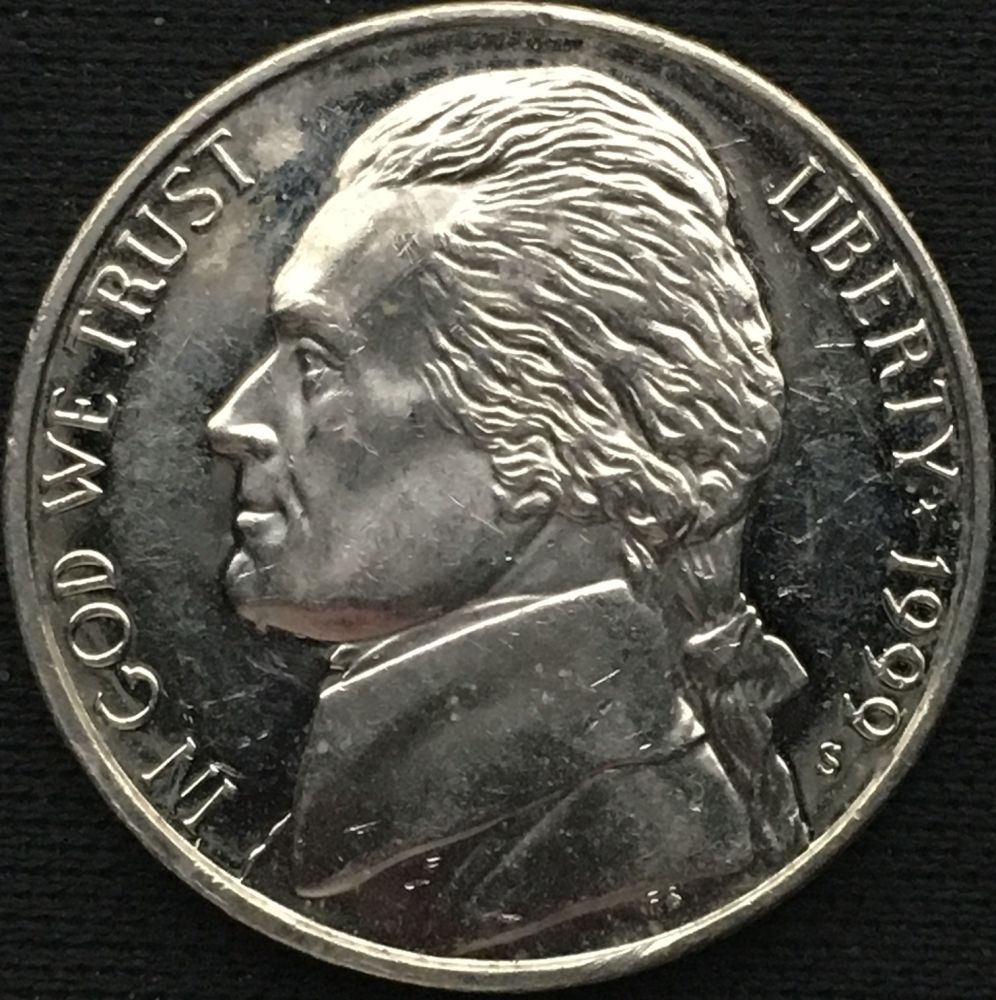
Before the cameo proofs became a thing, it could be a lot harder, maybe even impossible. There are sometimes die markers on proof coins (for example, every 1895 Philly Morgan dollar has been definitively identified as a proof, even the circulated ones), but if a proof from the 60s or earlier hits circulation and is not rescued immediately, it may reach the point of being indistinguishable from a well-struck business strike. I have a 1969-S nickel that I posted here a long time ago, and I still to this day do not know if it is a proof.
Before the cameo proofs became a thing, it could be a lot harder, maybe even impossible. There are sometimes die markers on proof coins (for example, every 1895 Philly Morgan dollar has been definitively identified as a proof, even the circulated ones), but if a proof from the 60s or earlier hits circulation and is not rescued immediately, it may reach the point of being indistinguishable from a well-struck business strike. I have a 1969-S nickel that I posted here a long time ago, and I still to this day do not know if it is a proof.