First Page


 Posted 02/11/2016 2:28 pm


I agree that ebay will return your money - just make sure you ask for not only original postage charges but also return postage charges. Check the rate yourself on USPS so that if the seller is in China (for the sake of argument) that you can include tracking and return receipt. Many times (especially when the seller is an outright fraud) they will say keep the coin rather than pay return shipping which is more than the item is worth. Then you have a teaching example of a fraud for future reference.
Relying on slabs as a guarantee of authenticity has been a problem for a long time. Not only do fakes and counterfeits find their way into legitimate slabs but several scams are run with fake slabs.
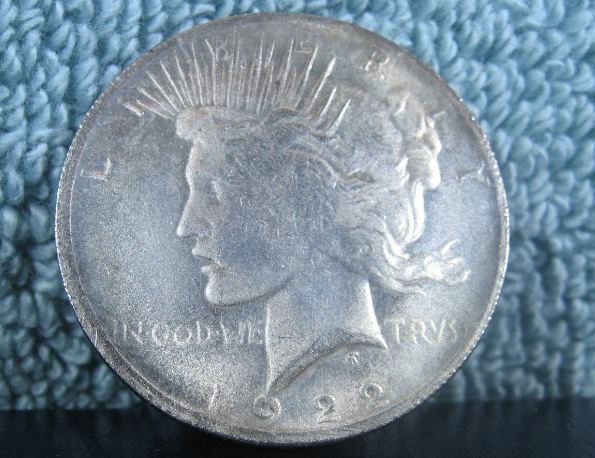
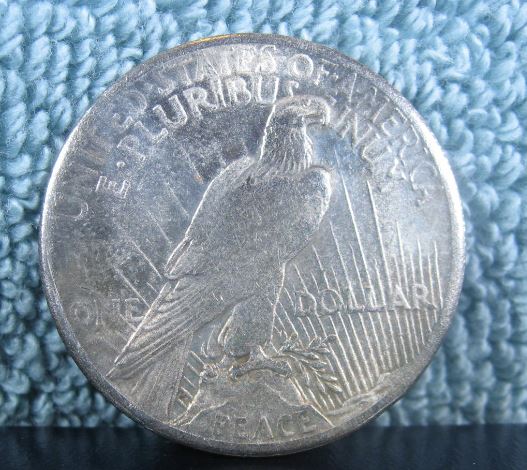
The picture in the auction may well be a legitimate genuine coin in a genuine holder (these are captured from many sources). However, the seller never owned the coin and sends a forgery. In most cases, it is obvious so make sure you file for a refund.
There are actually statistics I compiled that show over half of coin buyers who purchase forgeries NEVER file a case.
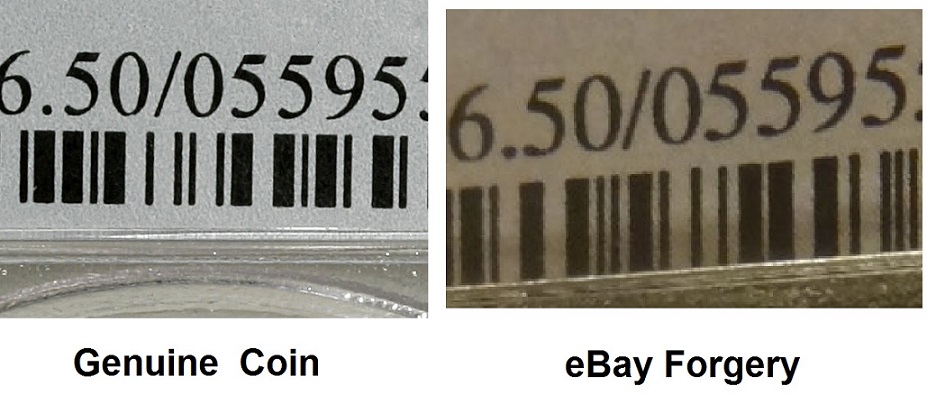
So after arrival check everything about the coin and the holder. Post strike scratches, toning are good for the coin itself but do not miss looking for scratches on the holder, extra glue and casting features in the plastic slab and positions of the printed elements on the identification paper.
I recall one nearly perfect slab that I caught only by matching the position of one of the numerals with the bar code strip. They did not line up identically. The coin received was a fake in a fake slab. However the forger did a great job with that fake down to scratches and even a toning spot. I had to prove to the ebay manager the slab was bad before they terminated the auction. Others including a couple of the committee thought it was genuine because the ID matched and the coin looked like a match.
If I can find the pictures I saved of that auction I will post them. My ebay referral file is over 20,000 items long and I saved only 13 months worth. A file for all 7 years the committee operated would likely exceed millions of coins. I just wish I now had access to all of the past data - it would be a valuable search resource.
Relying on slabs as a guarantee of authenticity has been a problem for a long time. Not only do fakes and counterfeits find their way into legitimate slabs but several scams are run with fake slabs.
The picture in the auction may well be a legitimate genuine coin in a genuine holder (these are captured from many sources). However, the seller never owned the coin and sends a forgery. In most cases, it is obvious so make sure you file for a refund.
There are actually statistics I compiled that show over half of coin buyers who purchase forgeries NEVER file a case.
So after arrival check everything about the coin and the holder. Post strike scratches, toning are good for the coin itself but do not miss looking for scratches on the holder, extra glue and casting features in the plastic slab and positions of the printed elements on the identification paper.
I recall one nearly perfect slab that I caught only by matching the position of one of the numerals with the bar code strip. They did not line up identically. The coin received was a fake in a fake slab. However the forger did a great job with that fake down to scratches and even a toning spot. I had to prove to the ebay manager the slab was bad before they terminated the auction. Others including a couple of the committee thought it was genuine because the ID matched and the coin looked like a match.
If I can find the pictures I saved of that auction I will post them. My ebay referral file is over 20,000 items long and I saved only 13 months worth. A file for all 7 years the committee operated would likely exceed millions of coins. I just wish I now had access to all of the past data - it would be a valuable search resource.