| Author |
 Replies: 20 / Views: 1,678 Replies: 20 / Views: 1,678 |
Page 2 of 2
|
|
|
|
Moderator
 United States
56855 Posts |
 Very nice find. Needs a 100% pure acetone bath. Not standard nail polish remover. John1  |
|
Pillar of the Community
United States
7174 Posts |
to the CCF and  very nice find A real nice find for being your first. |
|
Valued Member
 United States
169 Posts |
WooHoo! I would it be worth grading? What will an acetone dip do, and how long should it be submerged?
|
|
Pillar of the Community
United States
592 Posts |
Congratulations on your excellent find!
Acetone is one of the few chemicals that is completely safe and acceptable to use on coins because it is totally non-reactive. (The others are water and xylene).
As a solvent it will dissolve and remove organic material (and most non-organic material) that has been deposited on the coin's surface over time. That acts to stop the corrosion process, which is what turns a beautiful lustrous copper cents into dull brown cents. It won't make your coin shiny and new (nothing can do that) but it will conserve and help to preserve your find.
There's also a product called Verdi-Care that's available that when applied will arrest some of the virulent forms corrosion (such as that dark spot at the bottom of the bust). Again, it won't "clean" your coin and make it look new, but it can prevent problems from getting worse.
As to time, in pure acetone 2 - 8 hours depending on the amount of material to be dissolved and then a soft cotton q-tip to remove any residue.
|
|
Moderator
United States
56855 Posts |
I personally do not recommend the qtip.Cotton is not as soft as most think it is.Not worth grading,IMHO. John1 Edited by John1
08/24/2022 5:03 pm
|
|
Bedrock of the Community
United States
62064 Posts |
|
|
Valued Member
United States
299 Posts |
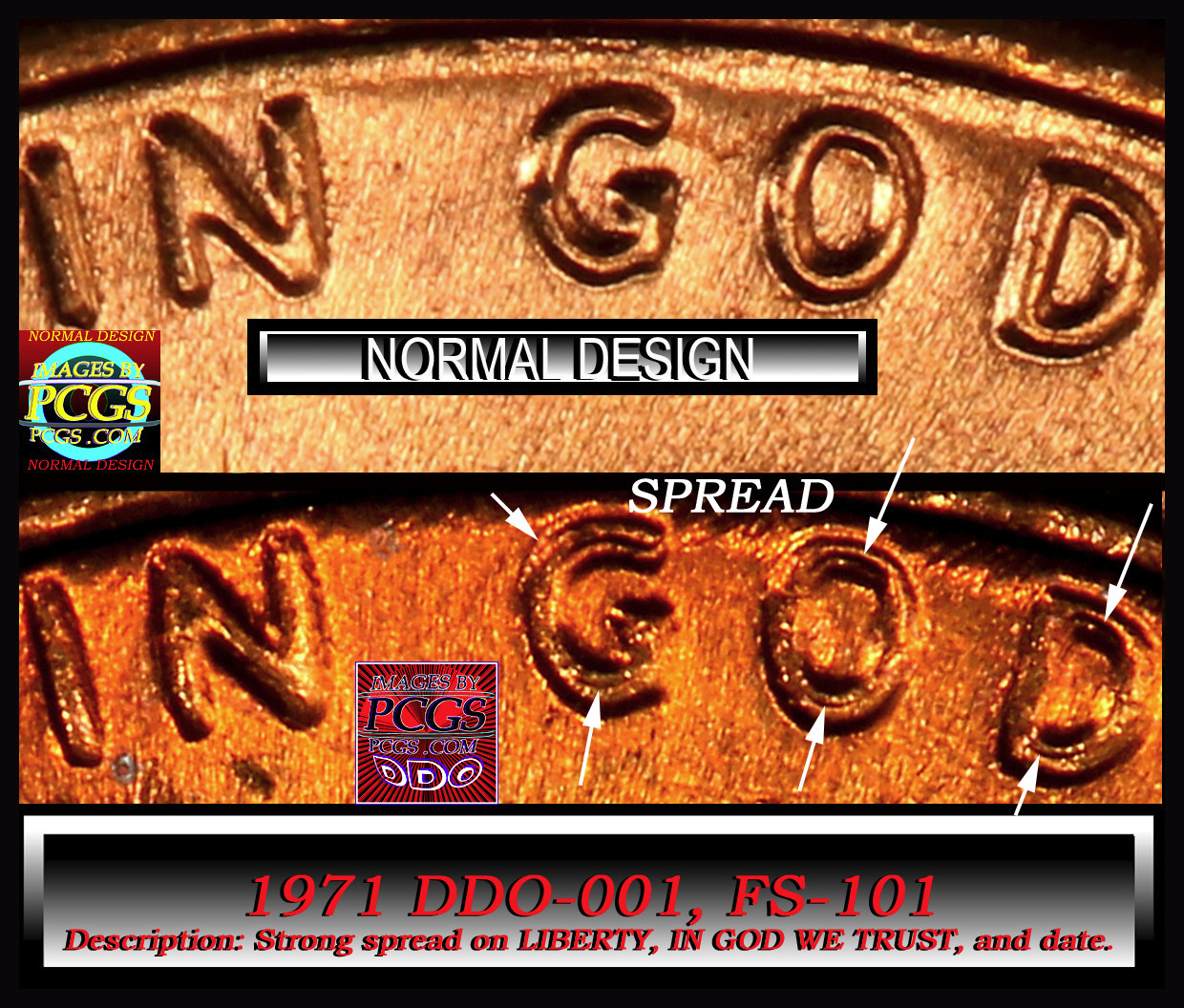
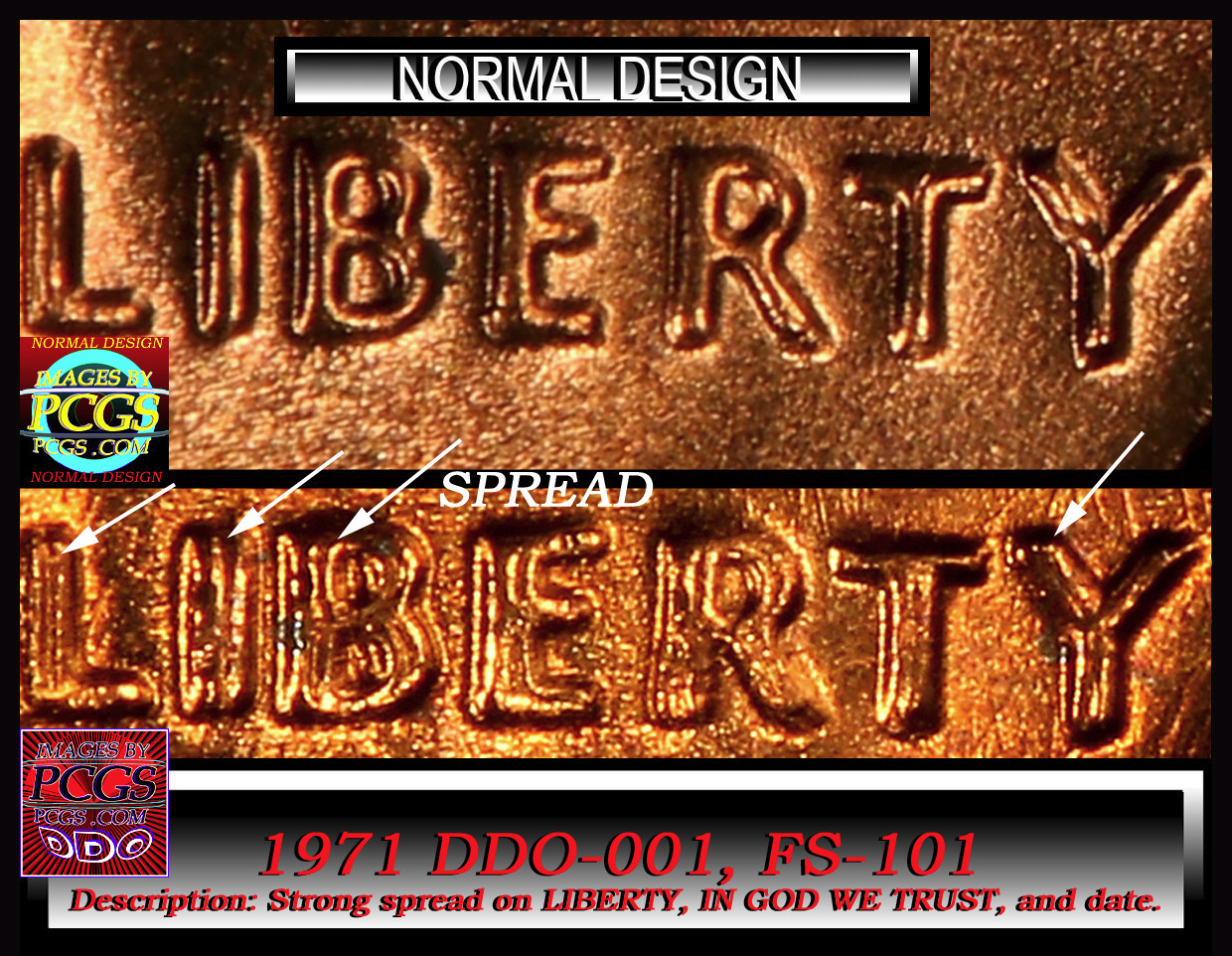
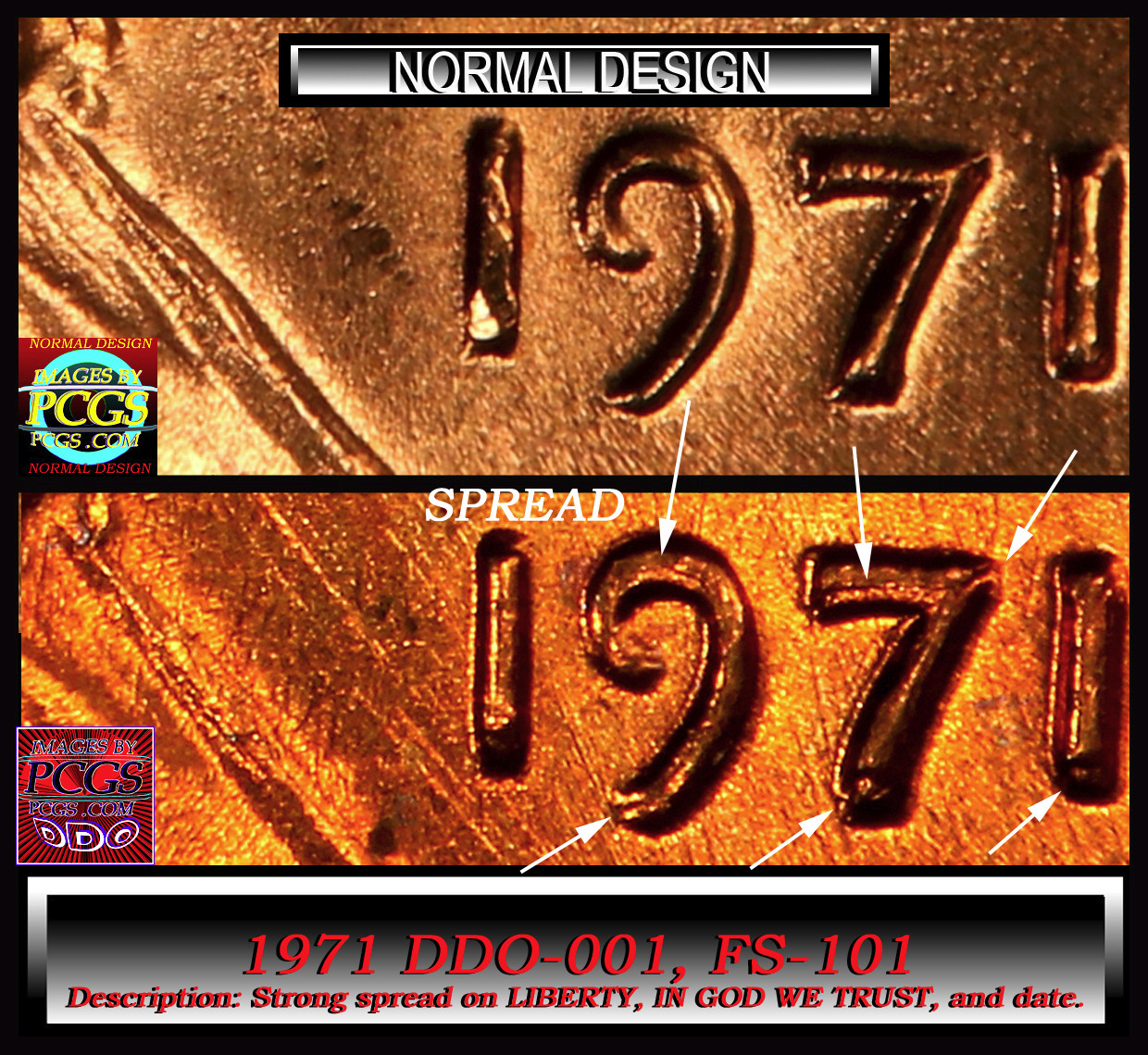
On surface's coin it was the 'L' and 'I' that gave it away? Can it also be seen on 'GOD?' Great find! Congrats!
|
|
Pillar of the Community
United States
7174 Posts |
The black spots on both the obv. and rev. are carbon, they will just keep getting bigger. I don't recommend grading. I think you would get a details grade from the carbon spots. A detail grade is the death on a coin.
|
|
Valued Member
United States
169 Posts |
Thanks to all, do think xylene would be a better solvent to use, less toxic ? Should I rinse wit distilled water after? BTW that Coop guy has awesome knowledge and images. I am going to read PCGS grading images as I would like to get an idea where this well used coins falls.
|
|
Pillar of the Community
United States
5902 Posts |
Congrats on a great variety for your first DDO. Words of encouragement are one of the major food groups.
We need to consume them regularly to thrive and grow.
|
|
Pillar of the Community
 United States
9022 Posts |
Fantastic first DDO, congrats! Not the best at grading but would think somewhere in the extra fine level. It has a nice strike but has done it's job, being in circulation, over time, with normal use. -makecents-
|
|
Pillar of the Community
United States
592 Posts |
Both are safe to handle in small quantities, especially in the quantities we're talking about here, although Xylene does have a slightly more toxic long term exposure profile.
Acetone is less expensive and easier to find and my wife says it smells far less bad than Xylene so I use it in small quantities in the house rather than Xylene.
|
|
Moderator
United States
56855 Posts |
Xylen is a lot harsher on your skin and smells worse.You might want to get some Verdi-Care since it is your first DDO. John1 |
|
Bedrock of the Community
United States
62064 Posts |
Carbon spots can not be removed! They are below the surface of the coin. Thus they get worse with age. I'd leave it alone.
|
|
Pillar of the Community
United States
592 Posts |
Quote:
Carbon spots can not be removed! They are below the surface of the coin. Thus they get worse with age. I'd leave it alone. At the risk of hijacking the OP's thread, allow me to just respond briefly. I never said they could be and in fact specifically said nothing could make the coin shiny and new. However, the black spots are not "carbon spots" but are instead most likely the result of contact with some substance that contained sulfur. The reaction between copper and sulfur produces copper sulfate which is black in color. The Brits used sulfur to intentionally darken their farthings about 120 years ago for instance because they were being confused for more valuable coins. Once the sulfur is used up in the chemical reaction that caused the spot to develop it will not grow any larger, but using something like Verdi-Care to arrest the corrosion will help stop the reaction and prevent it from growing further (assuming the reaction is still ongoing). Again, agree that cleaning coins is bad, but conserving/preserving them is essential to the hobby and knowing the difference between the two processes is critical. |
|
Page 2 of 2
|
Replies: 20 / Views: 1,678 |
Page 2 of 2
|






 First Page


 Posted 08/24/2022 3:14 pm