| Author |
 Replies: 26 / Views: 1,540 Replies: 26 / Views: 1,540 |
Page 2 of 2
|
|
|
|
Valued Member
 United States
137 Posts |
Whoops, not sure how I forgot a rev pic. Here it is at its best as it's now in a flip and the lights on my scope would make it impossible to see it clearly. 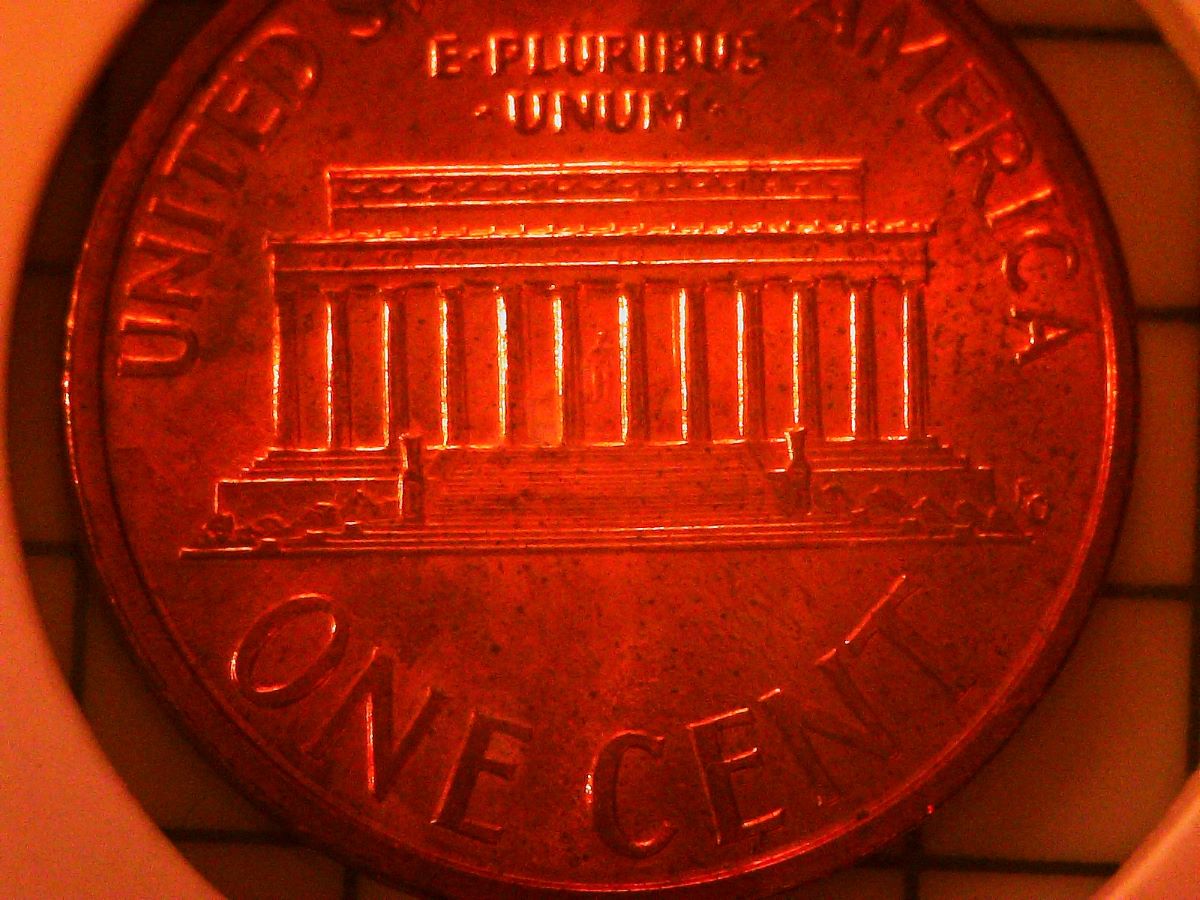 |
|
Pillar of the Community
 United States
1503 Posts |
|
|
Pillar of the Community
Canada
9909 Posts |
 Nice find! "Dipping" is not considered cleaning...
-from PCGS website
|
|
Moderator
 United States
196946 Posts |
Nice find! |
|
Bedrock of the Community
United States
10065 Posts |
Nice find! Some help for next time: 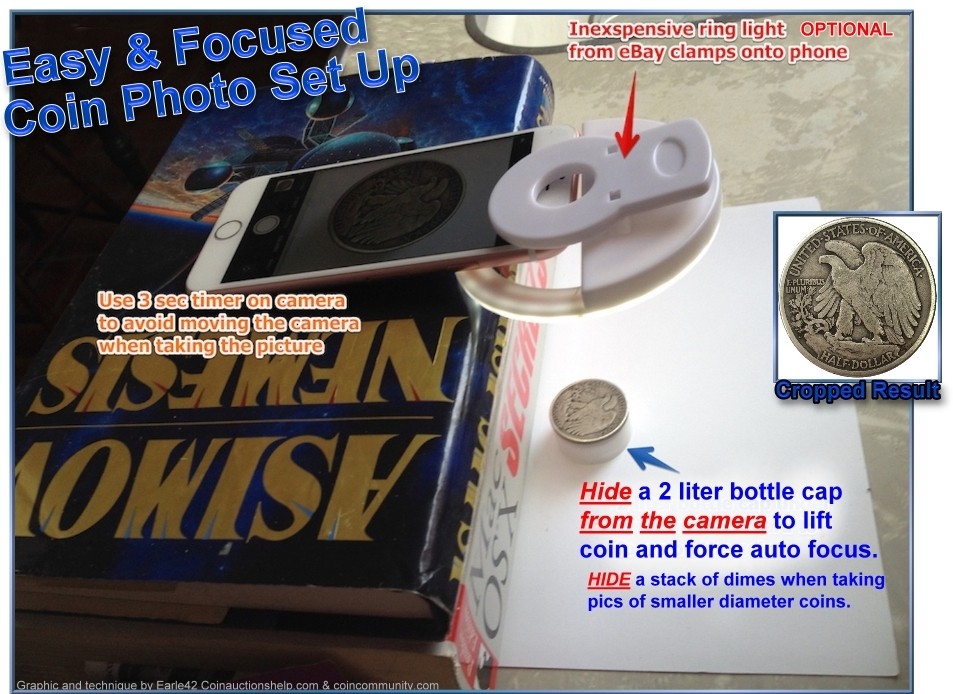 |
|
Bedrock of the Community
United States
94367 Posts |
|
|
Moderator
United States
108732 Posts |
|
|
Pillar of the Community
United States
6928 Posts |
Congrats, that's a pretty cool mint error. =)
|
|
Pillar of the Community
Canada
6244 Posts |
Quote:
@silviosi, this is not a 'capped die error'—rather it's struck through a die cap, If it stuck trough a Die Cap will not be an Capped Die Error? How we can name in this case?!!!!!! Sorry maybe I am ignorant on those denominations. |
|
Pillar of the Community
United States
593 Posts |
Sil,
A capped die error refers to the coin/planchet that actually adheres to the die and strikes other planchets. They eventually come off, sometimes after a few strikes, sometimes after many, many strikes.
A struck through a capped die error refers to the planchet that is struck by a die that is already capped by an earlier planchet, just the same way that a planchet can be said to be struck through debris, or foil, or any other foreign material or object.
|
|
Pillar of the Community
United States
7174 Posts |
Quote:
If it stuck trough a Die Cap will not be an Capped Die Error? How we can name in this case? Silvio, Sometimes descriptions get a little fuzzy. A capped die is when the planchet sticks to the die. That becomes the one and only planchet that keeps striking all the planchets after that, until it falls off. Struck through a capped die are all the planchets that that capped die struck. You can have maybe a 100 struck through that capped die, but there will be only one original that stuck to the die. So a capped die error is more rare than struck through capped die error. I type slow. Edited by Cujohn
01/12/2024 7:26 pm
|
|
Pillar of the Community
Canada
6244 Posts |
Thanks HGK3 and Cujohn
Thank for well explain of how we look at this.
I see two definitions on same Mint effect. I do not deny, but how we can determinate which it is because in fact it is same racines on Mint chain.
So this it is my cloud, how determinate those. Mike S and Ken told me on this subject that collectors look differen for different stages.
It is this what I do not catch? Learning it is an mind gold achievement.
|
|
Pillar of the Community
United States
7174 Posts |
Quote:
I see two definitions on same Mint effect. I do not deny, but how we can determinate which it is because in fact it is same racines on Mint The struck through capped die will have ether the obverse or the reverse normal, or close to normal. The capped die error will have both the obverse and reverse damaged. Some capped dies look like a sewing thimble, They are so cupped. And as far as stages on a struck through capped die, an early stage will not have as much detail as a late stage. The more strikes that are made, the thinner the cap becomes, so more of the die can get through the thinner cap. |
|
Valued Member
United States
137 Posts |
Would this possibly be a brockage error? I talked to some people up at the Carson City location for NNC and they suggested that's what it was.
|
|
Pillar of the Community
United States
7174 Posts |
I don't think this is a brockage. I think a brockage would show a full reverse on the obverse, only backwards. Wait for others to comment.
|
|
Page 2 of 2
|
Replies: 26 / Views: 1,540 |
Page 2 of 2
|




 First Page


 Posted 01/12/2024 10:25 am





