









 2a.jpg
 2b.jpg


 Posted 08/22/2007 08:58 am


As for the second part of your question, the Greek alphabet hasn't changed much in the last 2300 years, though on some coins earlier than this some different letters can be found, and some other letters can take on different shapes.
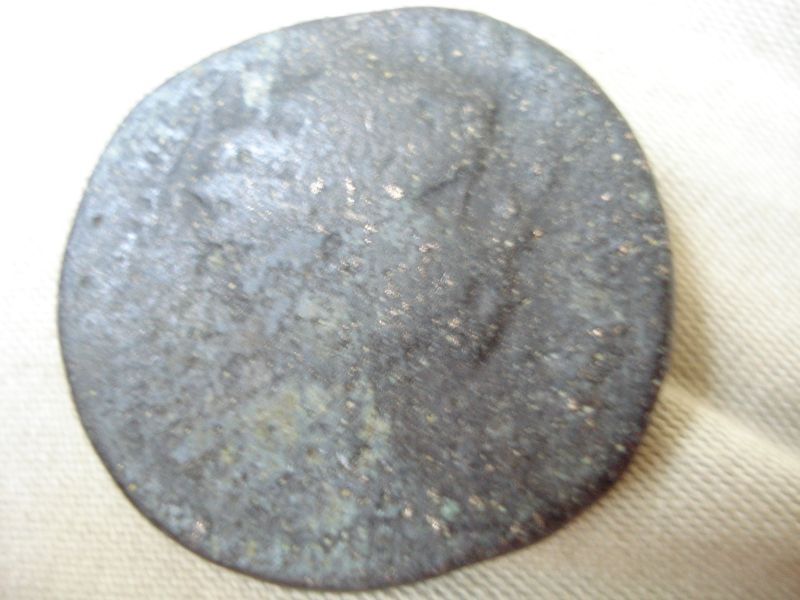
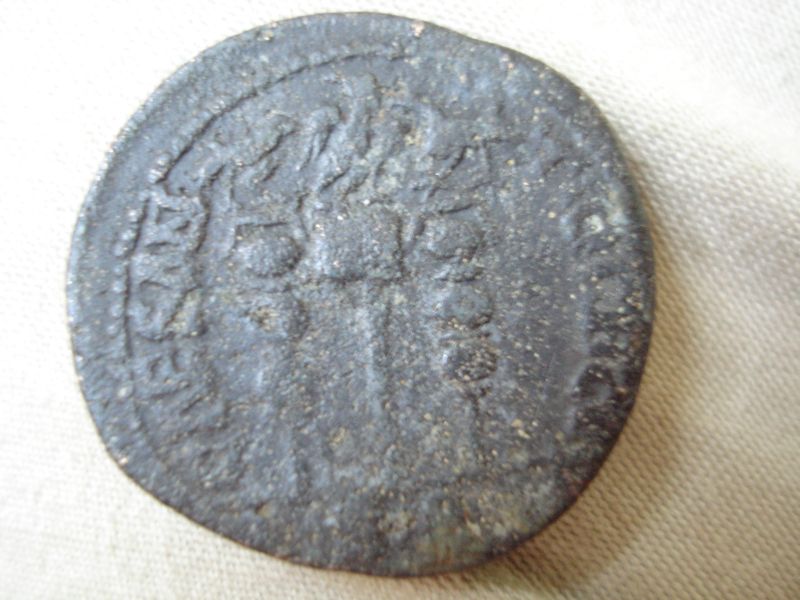
The main problem in translating characters on coins (in any alphabet) is where a coin is so worn or corroded the characters are blurred, or where the original die engraver was so clumsy, lazy or illiterate that the letters were confused and ambiguous to start with. For instance, on these coins of Pisidian Antioch (both yours and the one from Wildwinds I showed above), the die engraver lazily forgot to put the cross-strokes in the "A"s, making them look like upside-down "V"s or lambdas (Greek "L"s).
The best way to learn is experience - look at lots and lots of nice, clear pictures of uncorroded, nicely-struck coins, so you know what the lettering is "supposed to look like" for a particular time and place. The Sear catalogues are excellent for this purpose, providing an overview of the sorts off lettering and inscriptions that ought to appear on Greek, Roman and Roman Provincial coins.
The main problem in translating characters on coins (in any alphabet) is where a coin is so worn or corroded the characters are blurred, or where the original die engraver was so clumsy, lazy or illiterate that the letters were confused and ambiguous to start with. For instance, on these coins of Pisidian Antioch (both yours and the one from Wildwinds I showed above), the die engraver lazily forgot to put the cross-strokes in the "A"s, making them look like upside-down "V"s or lambdas (Greek "L"s).
The best way to learn is experience - look at lots and lots of nice, clear pictures of uncorroded, nicely-struck coins, so you know what the lettering is "supposed to look like" for a particular time and place. The Sear catalogues are excellent for this purpose, providing an overview of the sorts off lettering and inscriptions that ought to appear on Greek, Roman and Roman Provincial coins.
Don't say "infinitely" when you mean "very"; otherwise, you'll have no word left when you want to talk about something really infinite. - C. S. Lewis


