| Author |
 Replies: 117 / Views: 15,492 Replies: 117 / Views: 15,492 |
|
|
|
Pillar of the Community
Canada
5293 Posts |
@gramps76, I can assure you that someone with honest motives (like you) has nothing to be concerned about even though maybe we are the strange Amazon tribe. Since no offense intended was intended, no offense will be taken. All of us are just trying to help you avoid a costly mistake with some potentially valuable coins. |
|
Pillar of the Community
United States
8715 Posts |
oriole is correct. All of us are just trying to help. You have some coins that are potentially valuable if conserved in the correct way. If improperly cleaned, however, the value may go down significantly. We are trying to help you avoid a costly mistake.
|
|
New Member
 United States
46 Posts |
Thank you for the support and honest opinions. I'll ask for another honest opinion now. In a previous post it was discussed that it was too bad I didn't have a before and after photo of a coin I tried to remove a portion of the black (tarnish?) from. I decided to do one more and take a before and after photo. I did basically the same sort of thing, took me about 2 hours of time and a stiff neck. To me this coin is enjoyable to me now where as it wasn't before. I only worked around the problem areas and didn't dip or anything like that. I checked as I went and was as gentle as could be. So honestly, have I ruined this coin anymore than it was ruined before? I magnified it pretty good and I don't see any new lines. I don't know how there could be as I wasn't rubbing. To me it's more pleasing to my eye. The tarnish is still there but I can live with it at this level where as before it bothered me to no end. Thanks in advance for your opinions. 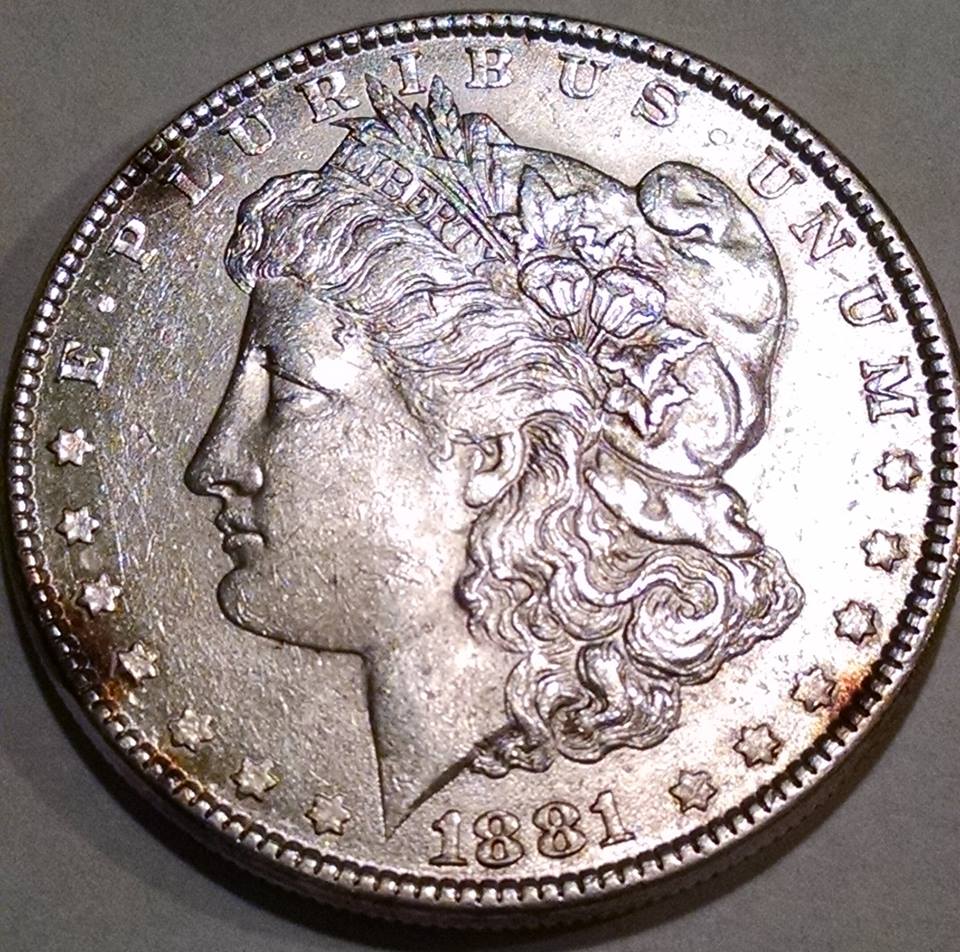 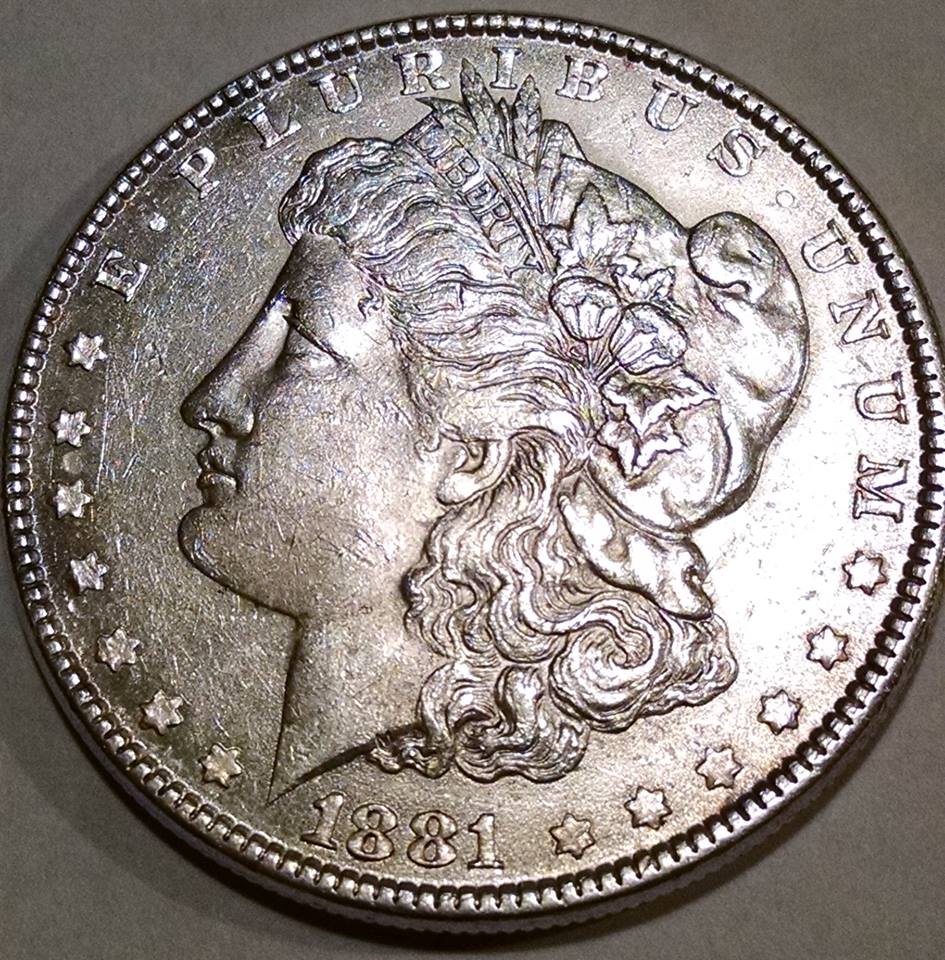 |
|
Pillar of the Community
Canada
5293 Posts |
Can you tell us exactly what you did to that coin? That is, what substances did you use, was it rubbed or dipped, what else did you use? I am honestly puzzled as to why it would take you 2 hours and give you a stiff neck.
From the pictures it does not look like you harmed it, but sometimes damage can be subtle.
|
|
Bedrock of the Community
13014 Posts |
The only way for someone to really know if it's alright or not is to see it in person. A lot of things can look good in a picture. Really what needs to be done is the coin put under light and rotated around where changed will jump out.
|
|
Pillar of the Community
United States
8534 Posts |
That looks pretty good brocephus. Thanks for the before and after. I can't see any scratches and silver is pretty unforgiving.
Oregon coin geek.....*** GO BEAVS ! ! ! ***
|
|
Valued Member
Canada
97 Posts |
You're right, the cents do look great! I guess it would be alright if you left them in the same holder, but personally I don't think I would even take the chance. PLus, they might still look better in fresh slips. Although I can understand that you may still want the original handwriting on it because of it's sentimental value.
|
|
New Member
United States
46 Posts |
Well probably the reason I had a stiff neck is because I'm not that young anymore and staying in one position for extended periods will do that. I was holding that coin while looking through a jewelers visor for a long time. Let me preface telling you what I did by stating I wish I knew what the proper chemicals/tools/ procedure is for just dealing with a few spots but I haven't been able to find that out. Most all of what I see deals with dipping in harsh solutions. I didn't want any part of putting something on the coin that was harsh and that I would need to rush to rinse off.
You will probably find it ridiculous how I did it but being I don't know how it's done I improvised. The vast majority was a lot of blotting and tickling. I now know that Never Dull is not an option, as is rubbing. I did however find that whatever chemical is used to treat the cotton wadding in Never Dull is not very harsh.but it does loosen up the black spots. So I wondered how I could get that chemical onto the coin without having the wadding come with it. I took a bunch of the wadding and squeezed it inside a small piece of soft microfiber. I kept doing this until the cloth had absorbed enough that I thought I could transfer it onto the coin in the spots I wanted it. It takes a lot of time to get the cloth damp! Mind you I'm doing this all under magnification so I could make sure no stray fibers from the cotton wadding were on the microfiber.
Once I had the microfiber slightly damp I would squeeze the spot on the coin without moving the microfiber in any direction. I would blot it and the squeeze it....many times. I also was using a really soft small artist paint brush with that same chemical to tickle around where I wanted the spots gone. If it were a spot not on the face of the coin but on the rim I would transfer the chemical onto a soft eraser and lightly, and I mean lightly tickle the rim with it. I WASN'T erasing but it seemed like the rim could stand something a little more solid to apply the chemical on than the face. Plus the rim is where I find the color is blackest. I restricted this to the rim only. I kept checking what I was doing under magnification often, this is why it took so long.
When I removed as much as I was comfortable with I rinsed the coin and blotted it with distilled water and another microfiber. After it dried I rinsed it in Acetone to make sure nothing remained on the coin.
I'll probably get flack for what I did or laughed at but as you can see the coin was not a perfect coin by any stretch to begin with. I looked at it before, during, and after and I don't see any scratches that I put on it. Could there be some that I don't see, sure, but I did the best I could with what I had.
I would love to find out how it's supposed to be done and what's actually supposed to be used but so far I only see people talking about dipping the whole coin. Maybe one day I'll find that specific chemical/tools/process discussed somewhere for spots but so far I haven't been able to.
I'm not doing this to all my coins, I'm not doing this to all my coins!! I just wanted to experiment. I think if I had the correct information I could be successful with some practice. All I can say is the coin is easier for me to look at than before and it's not the caliber of coin that I think trying this on would be considered a travesty. So that's how I did it and why it took so long. But I am retired and curious so I don't consider it wasted time. Thanks.
|
|
Bedrock of the Community
13014 Posts |
Quote:
I think if I had the correct information I could be successful with some practice. Which is why it's so hard to get information beyond the basic level. They're all trade secrets from people and companies that have built careers and businesses off their inside information with it. Usually the best you can hope for from people who know if for them to lead you in the right direction but even that can be overwhelming as they have a wide range of tools from various chemicals to ultra sonic cleaners. Most people have to experiment to learn what they do. If you really want to learn get some spotted silver like what youre trying to remove and practice on that first. There is a lot of it you can but right around melt prices and can do whatever you want to it experimenting and learning |
|
New Member
United States
46 Posts |
The biggest issue for me is getting the right chemical and getting it in a form that can be easily applied to whatever it is you're going to be using to contact the coin. Most of my time was wasted trying to get enough of whatever is on that wadding onto the coin. If it were in liquid form much more time could be devoted to actually manipulating the instrument of your choice on the coin. I'm sure it must be a delicate balance though, probably too much of anything at once could have bad ramifications.
|
|
Bedrock of the Community
United States
12477 Posts |
There is a product called MS70 Industrial Strength Coin Brightener that is advertised to remove unsightly tarnish as you have. I have some and did test it, following the instructions, and saw a minor improvement. I must say that this coin was less than .900 fine silver and had extensive tarnish, so I was treating the entire coin. It helped a bit and maybe would have done more if I had treated it again. That's the only time I've used it. Your method seemed to work pretty well.  I don't know off-hand what MS70 contains, but it is supposed to be acid-free. Being a liquid, it may help expedite the process and be useful for spot treating. I think it's worth a shot. In Memory of Crazyb0 12-26-1951 to 7-27-2020
In Memory of Tootallious 3-31-1964 to 4-15-2020
In Memory of T-BOP 10-12-1949 to 1-19-2024
Edited by spru
02/04/2018 01:18 am
|
|
New Member
United States
46 Posts |
I have quite a few rolls of just plain old silver coins. I think I'll try and experiment with some of these products on them. The method I used is very time consuming and wasteful. I have a lot to do just in transferring my coins to new holders. While I'm at that I'll try and find some products in liquid form and experiment on my old rolls of coins and see if any show promise.
|
|
Bedrock of the Community
13014 Posts |
Ms70 is pretty weak despite what anyone says about the chemical makeup. I personally wouldn't worry about it destroying any silver, clad or gold coin. I'm sure it could maybe destroy a coin but you'd probably have to try too from what I've seen with it. The problem with it is that it's just usually not strong enough for a lot of things. Stains, haze, dirt, surface contamination it's good with, toning and things like that usually not but it would be work a try and see if it helps on certain things.
Edited by basebal21
02/04/2018 01:47 am
|
|
New Member
United States
46 Posts |
I have another question if you don't mind. When transferring the coins from old to new holders what type of gloves are safe to handle them with? I have blue nitrile but I have read that cotton is preferred by some. Are nitrile gloves fine? Also is removing one staple and letting the coin slide into your gloved hand by the force of gravity OK, or should I be removing all the staples and just touching the coin on its edges? Thanks.
|
|
Moderator
 United States
195823 Posts |
I do not normally use gloves because they reduce sensitivity and I am clumsy.  Handle the coins by their edge and you should be fine. Remove them from their holders over a clean towel in case you drop any. |
| |
Replies: 117 / Views: 15,492 |








 First Page
 Previous Page


 Posted 02/03/2018 6:03 pm


