As I was going through the authorizing legislation for the coins of the classic US commemorative series recently, I became curious about something - I wondered "Was there any one day that was 'busiest' in terms of approving US commemorative coin legislation?"
It turns out, the largest number of classic commemorative coin programs to be authorized on a single day was three - such a feat was accomplished on four different days between 1925 and 1936.
The first time was on February 24, 1925. On that day, the Sesquicentennial of the Battle of Bennington and Vermont Independence half dollar, the California 75th Anniversary of Statehood half dollar and the 100th Anniversary of Fort Vancouver half dollar were all authorized. I consider this one a bit of a "cheat," however, as all three coins were included in the same bill and were thus signed into law simultaneously. You couldn't get one without getting all three!
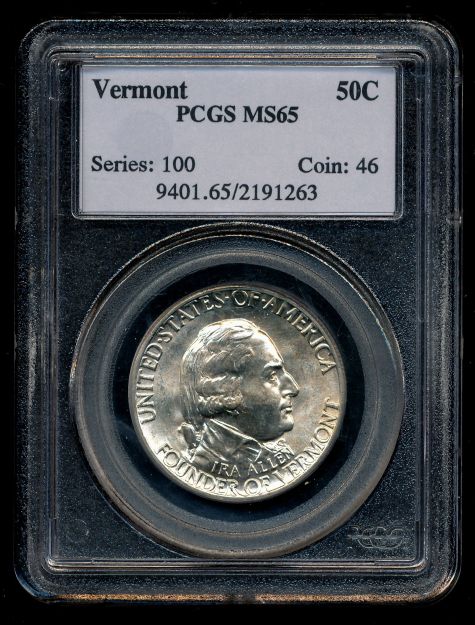
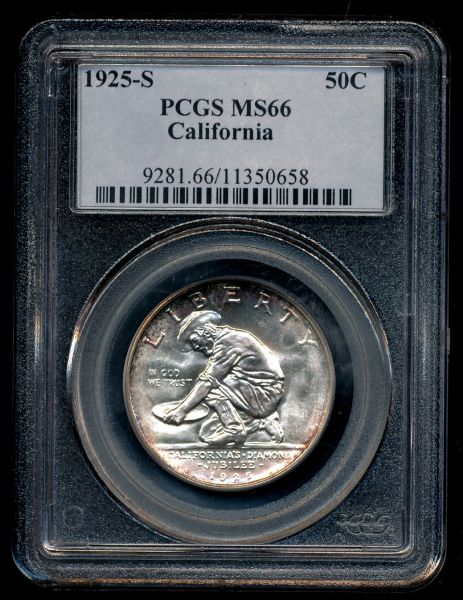
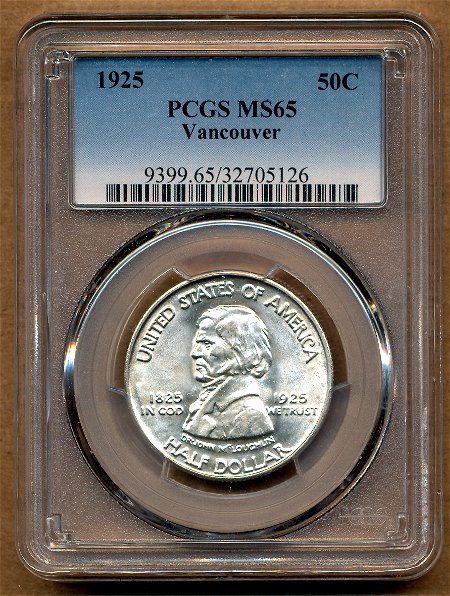
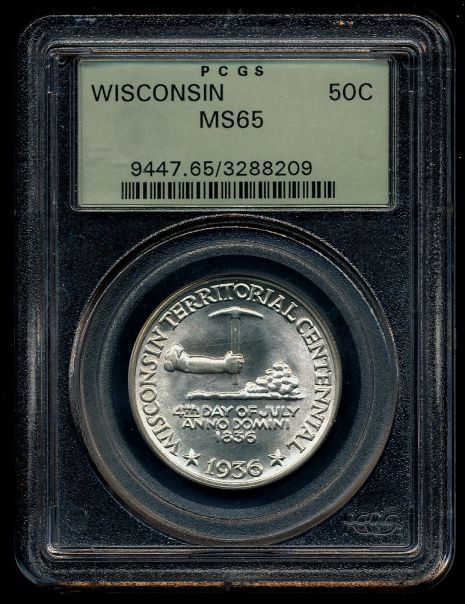
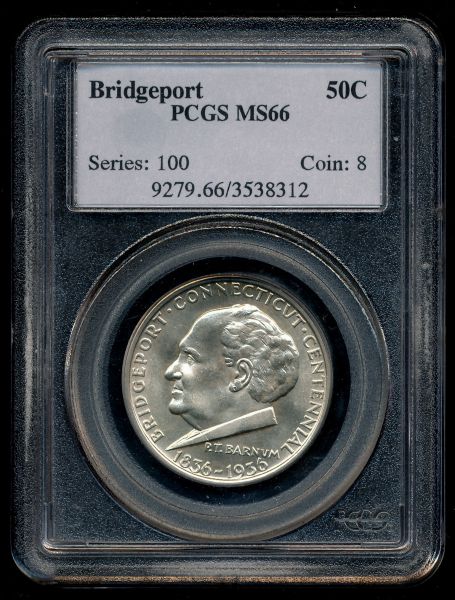
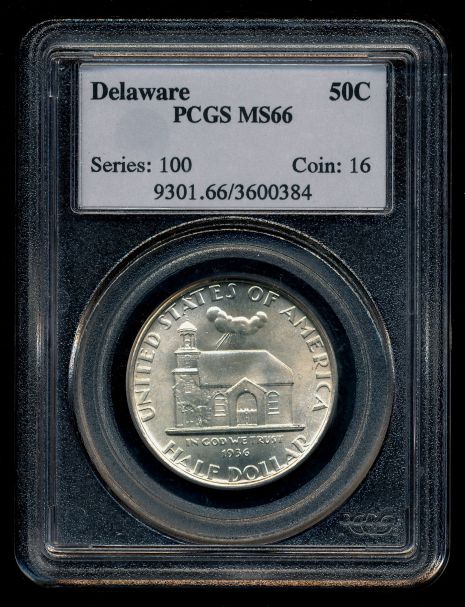
More than 11 years later, on May 15, 1936, we encounter the first day on which three distinct commemorative coin bills were signed into law. On this day, the bills for the Wisconsin Territorial Centennial half dollar, the Bridgeport, CT Centennial half dollar and the 300th Anniversary of the Swedes in Delaware half dollar were all approved by President Franklin Delano Roosevelt.
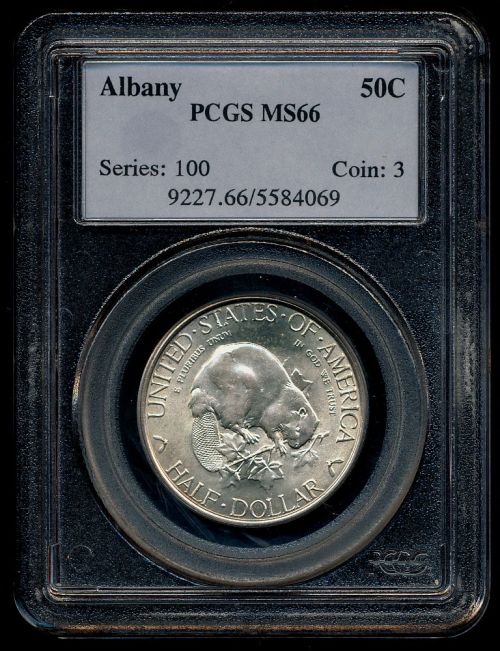
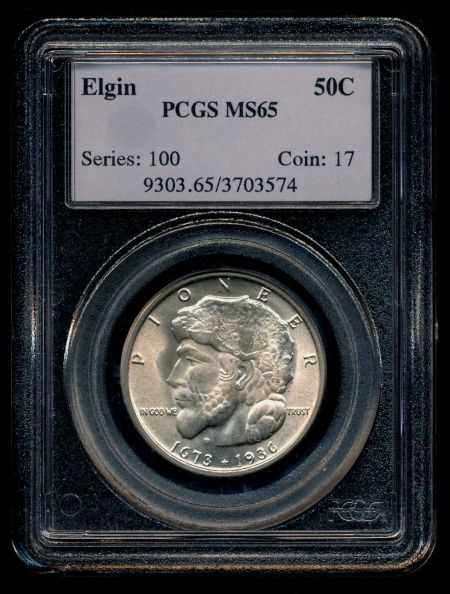
About a month after that, on June 16, 1936, FDR had his pen at the ready again and signed the bills authorizing the 250th Anniversary of Albany's Charter half dollar, the Elgin, IL Centennial half dollar and the 75th Anniversary of the Battle of Gettysburg half dollar.
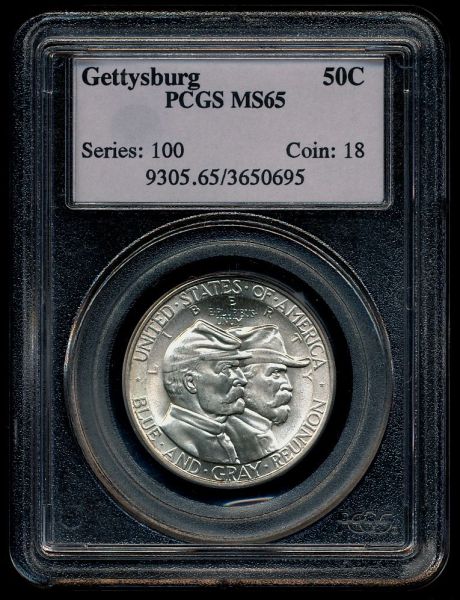
I put the next (and last) time the triple play was accomplished in the classic series in the category of "True, but with a caveat." On June 26, 1936, FDR was again presented with multiple commemorative coin bills. This time around, the bills were for the Opening of the San Francisco-Oakland Bay Bridge half dollar, the 300th Anniversary of York County, ME half dollar and another Arkansas 100th Anniversary of Statehood half dollar. The caveat to be noted is that the bill that authorized what would become the Robinson/Arkansas Statehood half dollar was an add-on to legislation already on the books for the existing Arkansas Statehood half dollar. The bill created a new version of an already-issued coin rather than an entirely new coin program; the original Arkansas Statehood half dollar was approved on May 15, 1934. The new coin did not replace the original Arkansas coin, it supplemented it in 1936 (only 1936) and shares the reverse of the original Arkansas coin. So, while three new coins were, technically, approved on June 26, 1936 - I tend to view it as a 2.5 coin day!
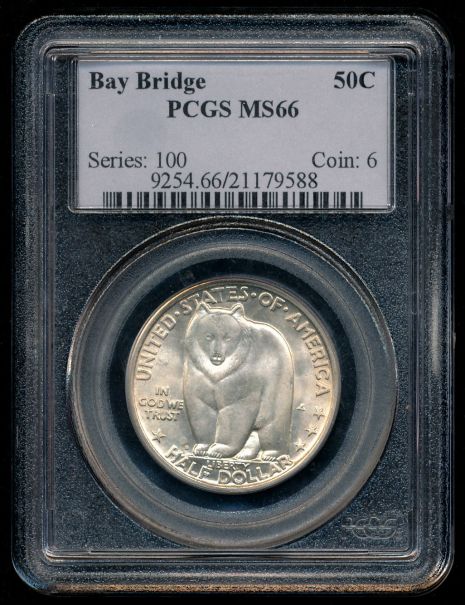
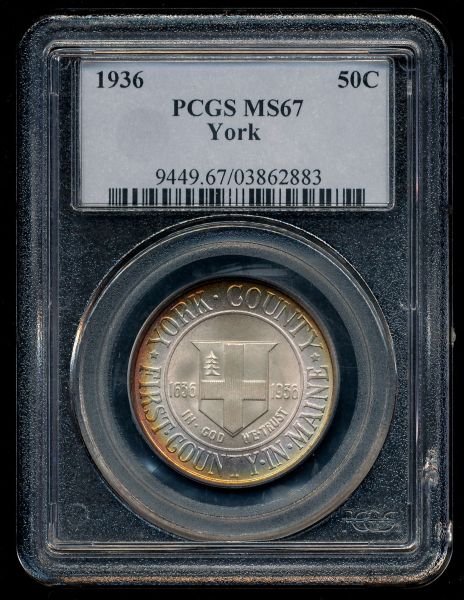
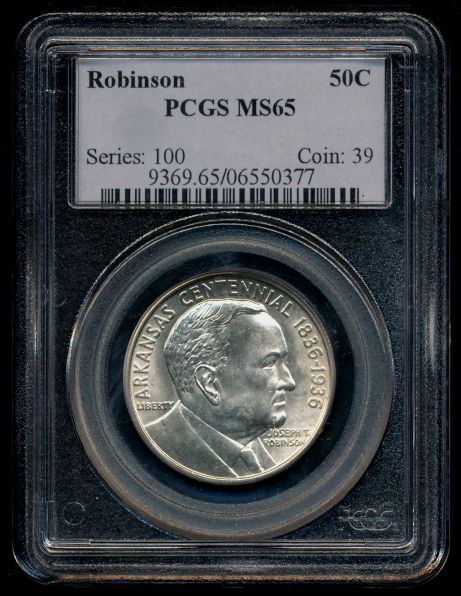
And that's it - four days, 12 silver half dollars! That represents 25% of the design types within the classic half dollar series approved via presidential signature on just four individual days - and nine of the twelve were signed into law by FDR!
Note: Within the modern US commemorative series, there have been times when one bill has incorporated several commemorative coin bills and exceeded the three-coin mark discussed above with just one signature on a single day, but the focus of this post was on the classic series. A modern example, however, would be the "US Commemorative Coin Act of 1996" from the 104th Congress. It authorized the Dolley Madison silver dollar, the George Washington gold half eagle ($5), the Black Revolutionary War Patriots silver dollar, the Franklin Delano Roosevelt gold half eagle, the Yellowstone National Park silver dollar, the National Law Enforcement Officers Memorial silver dollar and the Jackie Robinson gold half eagle and silver dollar program. A total of seven coin programs (eight coins!) in one bill! It was approved by President Bill Clinton on October 20, 1996.Hope you enjoyed the read!










 Posted 08/18/2020 10:53 am


