By the mid-1930s, Congress had begun to more fully understand the commemorative coin "problem" that it had created by approving such a large number of issues - especially considering how many of them were of only local interest. Of course, the Treasury Department had been voicing its opposition to the souvenir coins since the mid-1920s, but Congress was finally coming around.
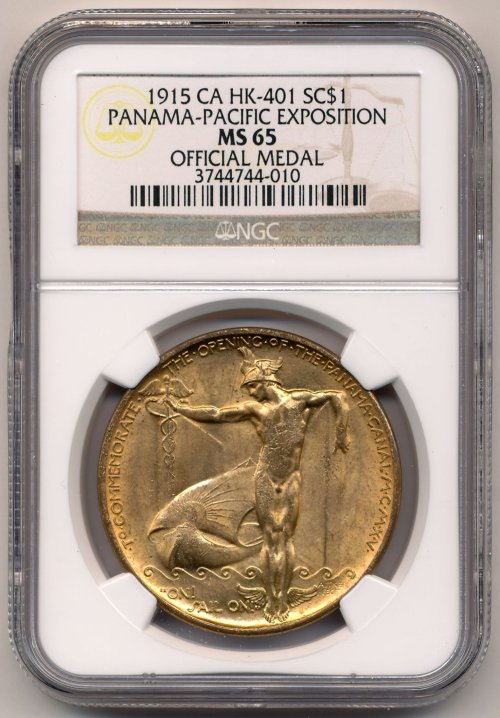
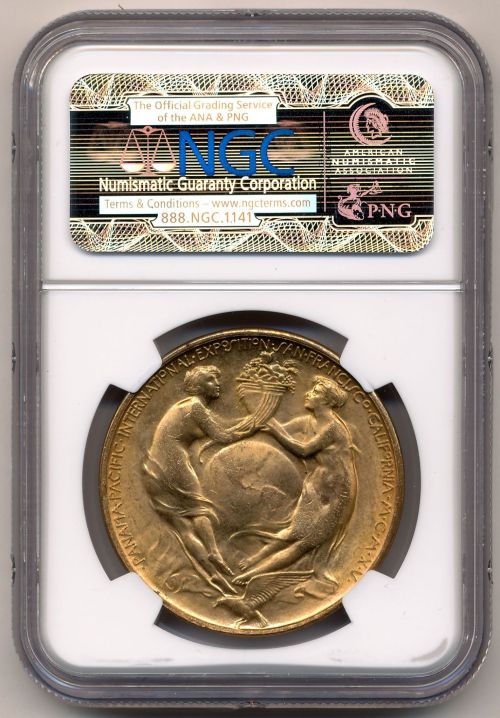
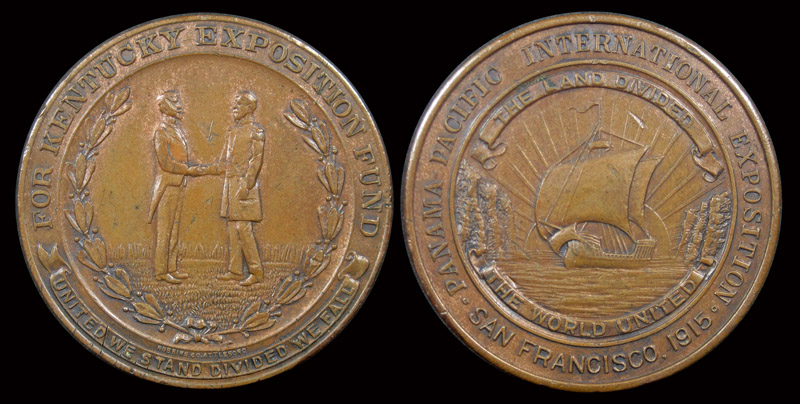
In 1935, bills were introduced in each chamber of Congress that called for a cessation of the striking of new commemorative coins and the striking of commemorative medals instead. From the Senate version of the bill:
Be it enacted, etc., That in order to promote uniformity In the designs of the various coins of the United States, to facilitate their proper use as circulating media, to enable counterfeit pieces to be readily detected, and to avoid the confusion which arises from special issues of commemorative coins, it is declared to be the policy of the United States to authorize the striking of commemorative medals in lieu of commemorative coins and to discontinue the striking of such coins.
If the bill's language sounds familiar, it's because the bill was written by the Treasury Department and I've previously discussed the reasons for its objections to commemorative coins. The negative issues it often voiced were turned to positive, proactive steps for the purpose of the bills.
The bill introduced in each chamber was referred to its pertinent committee. In the House of Representatives, the measure was referred to the Committee on Coinage, Weights, and Measures. In the Senate, the bill was sent to the Committee on Banking and Currency.
The Senate was in favor of the proposed legislation, while the House was not very supportive. After its referral to committee, the House bill was never heard from again. The Senate bill was reported out favorably, and was passed by the full Senate. The bill was then sent to the House where it was referred to committee and died for lack of action.
So, what could have been a positive step for the US commemorative program - and a boon for medal collectors - was brushed aside by the House Committee on Coinage, Weights, and Measures. Thus, commemorative coinage continued - with 1936 proving to be the busiest year on record for new issues. Finally, in 1939, new legislation was passed by Congress and approved by President Roosevelt. The new Act did not replace commemorative coins with medals. but it did at least put an end to all multi-year programs that were in place (it did not impact future multi-year issues).
For more on this 1939 Act, see:
-
Regulating US Commemorative CoinsFor other of my posts about commemorative coins and medals, check out:
Commems Collection.









 Posted 12/07/2021 1:58 pm