Many collectors of the US classic commemorative series of coins are familiar with the 1925 Norse-American Centennial medals that were struck in silver, gold and bronze. The legislation for the medal (instead of a coin) came at a time when the US Treasury Department was pushing back hard on Congress over the increasing number of commemorative coins being introduced and approved. (See Norse-American link below for more.)
The bill calling for commemorative coins to mark the 150th Anniversary of the Battle of Bennington and the Independence of Vermont was introduced in the Senate by Frank Lester Greene (R-VT) in January 1925 - it sought the mintage of a gold $1.00 coin and a silver 50-cent piece. The bill was referred to the Senate Committee on Banking and Currency, which reported it favorably but with recommended amendments. The amendments removed the gold $1.00 coin and upped the mintage of the silver half dollar from 20,000 to 40,000.
The Senate passed the bill with the recommended amendments and sent it to the House of Representatives for its consideration. Upon its receipt in the House, the bill was referred to the House Committee on Coinage, Weights, and Measures. The Committee called a Hearing for the bill, during which the bill was challenged by representatives of the Treasury Department, as well as some Committee members.
The Treasury/Mint opened its comments regarding its opposition to the coin bill by reviewing the history of US commemorative coinage and by discussing the preponderance of issues that had resulted in unsold coins being returned to the Mint to be melted. It argued that a commemorative medal would serve perfectly well as a souvenir for the event, and that a coin was not needed for the purpose.
Mr. Garrard B. Winston, Assistant to Undersecretary of the Treasury, stated "If they want us to make a medal, it would be all right to make that at their cost, but to use coinage made for all the people simply for the purpose of promoting these organizations, permitting them to make a profit, is not good government business, it does not seem to me."
Representative Frederick Gleed Fleetwood (R-VT) pushed back, stressing that the Battle of Bennington and the birth of an independent Vermont were events of national, not local interest and were deserving of a coin rather than a medal. He also commented, "In regard to the thought expressed, that these coins would be returned, I do not know anything about the general practice, but I doubt very much if any of these coins would be returned by their purchasers. Vermonters seldom return anything they have once purchased; they keep them as treasures of life."
Mr. Winston seized upon this comment later in the Hearing, declaring "Mr. Fleetwood says that the people in Vermont would always hang onto the coins, and I suggest that they do not need money, but the medal." Representative Fleetwood disagreed with this assessment and continued to press for the coin.
Owing to his strong connection to Bennington, Morton Denison Hull (R-IL) attended the Hearing to address the Committee and express his support for the bill. Committee Chairman Albert Henry Vestal (R-IN) asked Hull about his thoughts on the striking of a commemorative medal for the events in question and their potential for equal profitability vs. a coin. Hull responded by commenting that, while he understood the Treasury's position, he believed the local community would prefer the security of a coin over a piece without a face value (i.e., a medal).
Though discussions of a potential medal continued, the Hearing adjourned without the Committee making a final decision. In private session, the Committee obviously decided to move forward with a coin proposal rather than switch it to a medal and reported the coin bill out without amendment. (See the links to the Origin Story posts for the California Statehood and Fort Vancouver Centennial half dollars for the details on what happened after the Bennington-Vermont bill was reported out of Committee.)
Had the Committee been of a different mind, the Bennington-Vermont commemorative piece could easily have been a medal vs. a half dollar. IMO, the precedent that would have been set by swapping a medal in for the proposed Bennington-Vermont coin would also have dramatically changed the future of the US commemorative coin series and resulted in many more medals being struck. (At least until collectors expressed their standing preference and "demanded" coins!)
1927 Battle of Bennington-Vermont Independence Sesquicentennial Half Dollar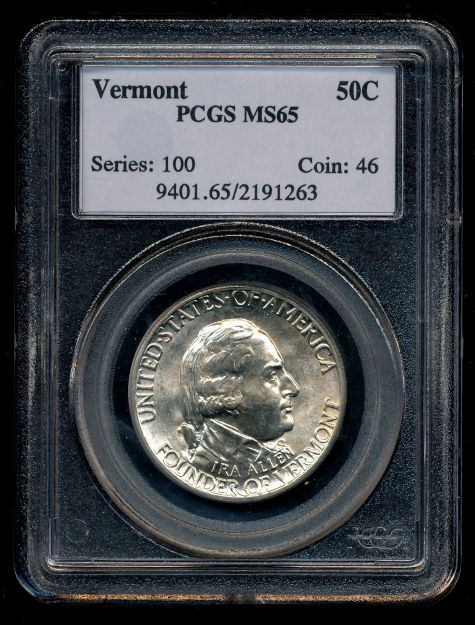
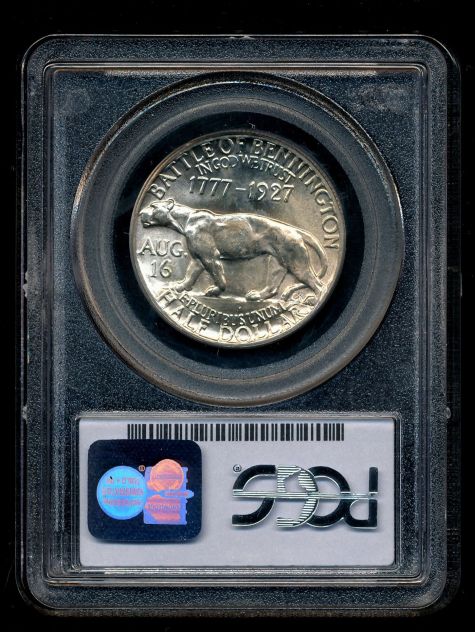
For more about the Battle of Bennington-Vermont Independence Sesquicentennial half dollar, see:
-
1927 Battle of Bennington-Vermont Independence Sesquicentennial-
1927 Battle of Bennington-Vermont Independence Sesquicentennial - Cousin-
1927 Battle of Bennington-Vermont Independence Sesquicentennial - Recall Story-
1927 Battle of Bennington-Vermont Independence Sesquicentennial - Gold $1For more about the Norse-American Centennial medals, see:
-
1925 Norse-American Centennial MedalsFor the Origin Stories referenced above, see:
-
1925 California Statehood 75th Anniversary - Origin Story-
1925 Fort Vancouver Centennial - Origin StoryFor more of my posts about commemorative coins and medals, check out:
Commems Collection.






 Posted 03/29/2022 09:36 am





