| Author |
 Replies: 5 / Views: 4,837 Replies: 5 / Views: 4,837 |
|
|
Pillar of the Community
Australia
585 Posts |
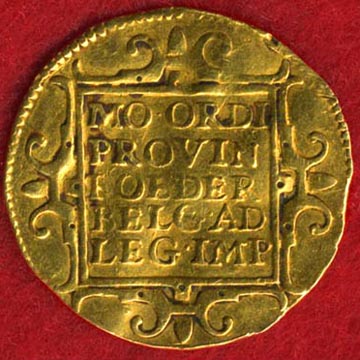
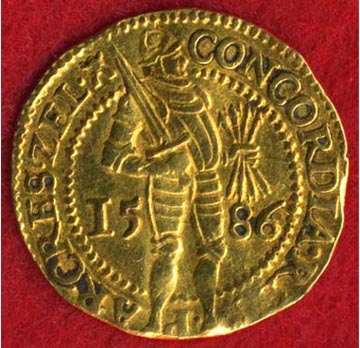
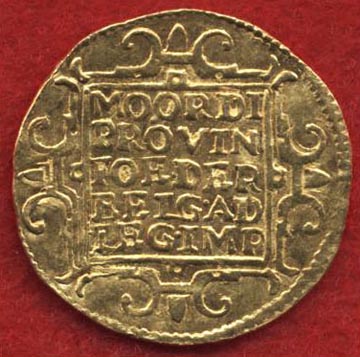
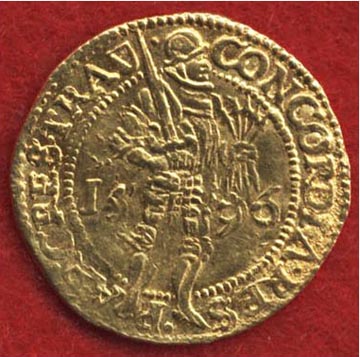
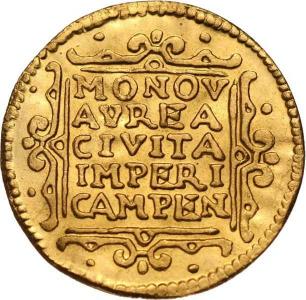
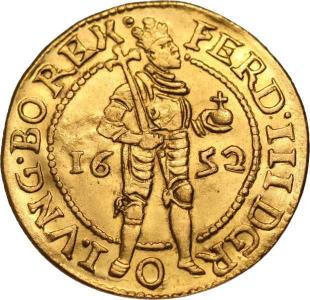
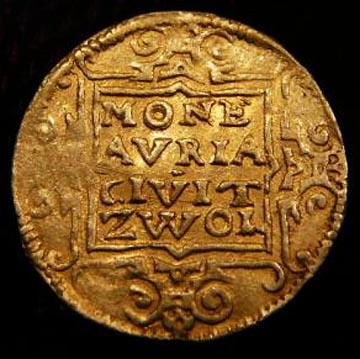
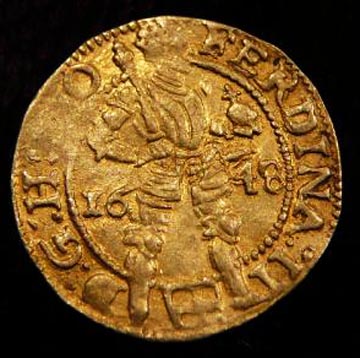
The Dutch Republic -- officially known as the Republic of the Seven United Netherlands has minted the famous classical Dutch ducats since 1586. Why were the ducats from Kampen and Zwolle minted with different design and names of Fredrich or Rudolf II ? Wasn't province of Overijssel part of Dutch republic?  |
|
|
|
Pillar of the Community
Netherlands
626 Posts |
Interesting question...we have many County's and Provinces that shifted over the years from one owner to another. I know that alot of the Southern and Eastern Parts of The Netherlands were often under the influence of for example German States. I found a few maps of that period, here is an example (more are in the link)  http://www.albertburger.com/dutch%20republic.htm THE DUTCH REPUBLIC http://www.albertburger.com/dutch%20republic.htm THE DUTCH REPUBLIC
Its Rise, Greatness, and Fall 1477-1806And Io don't know much about ducats in general, but what period of years are different? I will check back tomorrow, maybe with some answers.... to late now  |
|
Pillar of the Community
 Australia
585 Posts |
|
|
Moderator
 Australia
17002 Posts |
Overyssel (or Overijssel) was indeed one of the Seven Provinces. Kampen and Zwolle, however, liked to pretend that they weren't part of Overijssel.
Kampen, Zwolle and Deventer were old members of the Hanseatic League, a mediaeval federation of trading cities nominally under the direct protection of the Holy Roman Emperor. These cities tried to remain neutral when the Dutch provinces seceded from Spain, but in 1572, Kampen was conquered by the Spanish. In 1578 the forces of the Dutch Republic re-liberated it.
Apparently, the good citizens of Kampen interpreted the removal of the Spanish as de jure restoration of their Imperial City status; the Kampen coin certainly proclaims itself as being struck in the name of the CIVITA.IMPERI.CAMPEN. The city of Deventer likewise claimed reversion to Imperial City status on their coins. In between them, Zwolle, while a former member of the Hanse, never had Imperial City status, so couldn't claim it on their coins. The Emperor was from a rival branch of the Hapsburg family to their former Spanish overlords, so would have been seen as "neutral" in the war between Spain and her rebellious Dutch provinces.
Invoking the authority of the Emperor living in faraway Austria doesn't seem to have been in contradiction to the republican ideals of the Dutch, since even the Dutch Republic ducats from Zeeland and Utrecht claim to have been struck "AD.LEG.IMP" - by Imperial decree. Given the remoteness and relative powerlessness of the Emperor at the time, it was a safe bet that the Emperor would never actually show up and start throwing his weight around.
In 1713, however, the Emperor did do just that, when after the War of the Spanish Succession he acquired the southern Netherlands from Spain, which became the "Austrian Netherlands". By that time, however, the autonomous coinage of the former Hanseatic cities in the Netherlands had ceased as their power and wealth had derived from the now-vanished Hanseatic trading links. Kampen became the mint city for the province of Overijssel.
Don't say "infinitely" when you mean "very"; otherwise, you'll have no word left when you want to talk about something really infinite. - C. S. Lewis
|
|
Pillar of the Community
Australia
585 Posts |
|
|
Pillar of the Community
Netherlands
626 Posts |
Wow Sap, that is some pretty solid info on this subject, I know some basic stuff about the period... but that is just PRO!
|
| |
Replies: 5 / Views: 4,837 |
|










 Posted 12/12/2010 01:27 am