







 First Page
 Previous Page


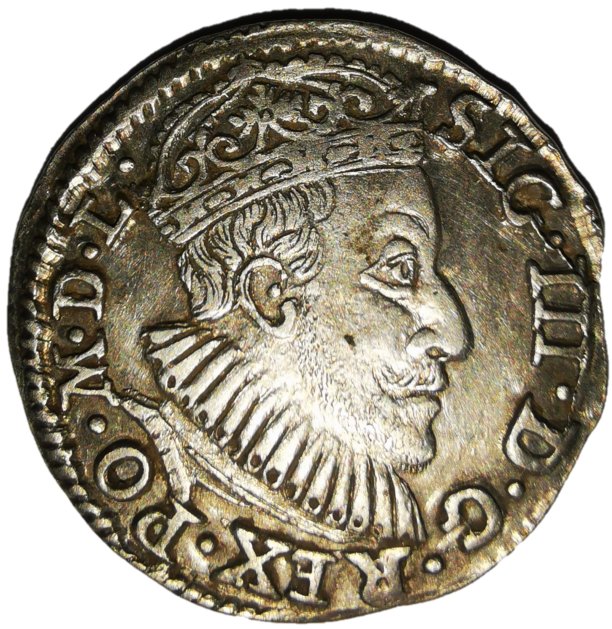
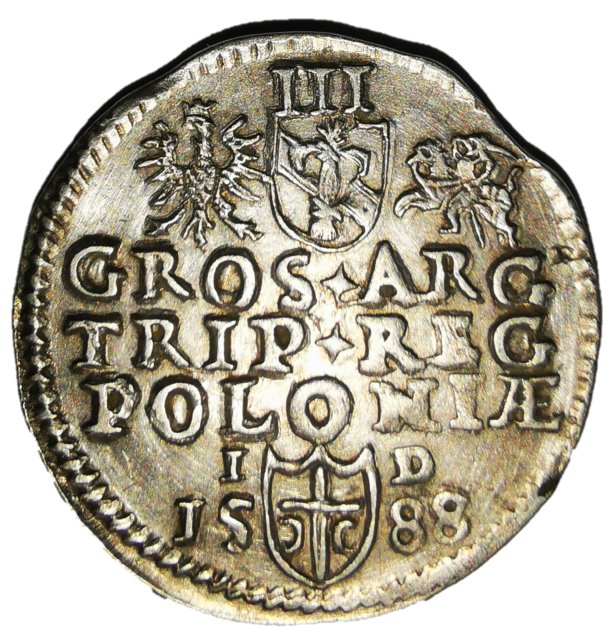


 Posted 04/15/2021 10:16 am


(Response to @coinshouse is here: http://goccf.com/t/396545)
Since starting this thread, I embarked on a Kingdom of Poland OFEY, 1507-1795. I recently picked up a "last" and a "next-to-last" for this collection.
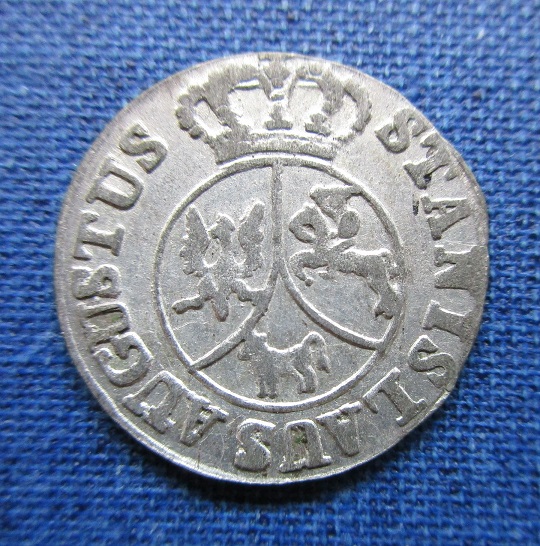
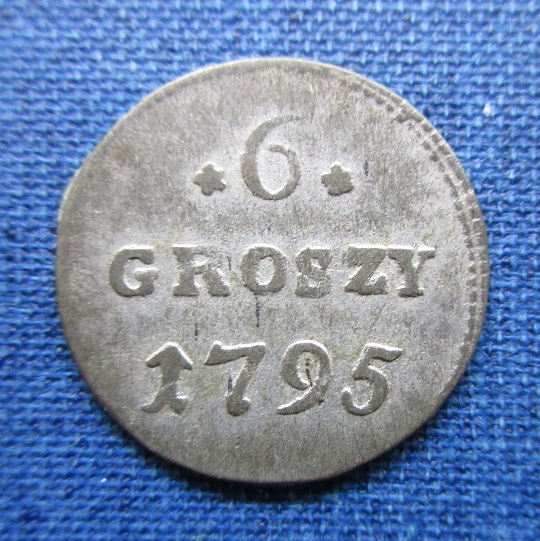
Here is the "last", the last date in the series, 1795 6 groszy, Warsaw mint. The Poland-Lithuania Commonwealth (as it was known since around 1570) ceased to exist in 1795 when the partitioning of this previous state to Prussia, Russia and Austia-Hungary was completed. The only 1795 coins commonly seen for sale are expensive thalers, and this more modest coin (about the size of a U.S. nickel).
The "next-to-last" is for dates in the 17th century. The target list of dates was:
Sigismund III 1601-1627 (27 years)
Swedish Occupation of Elbing 1628-1635 (8 years)
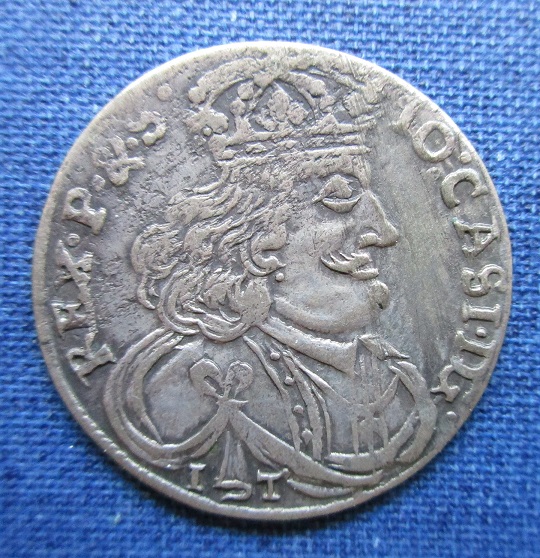
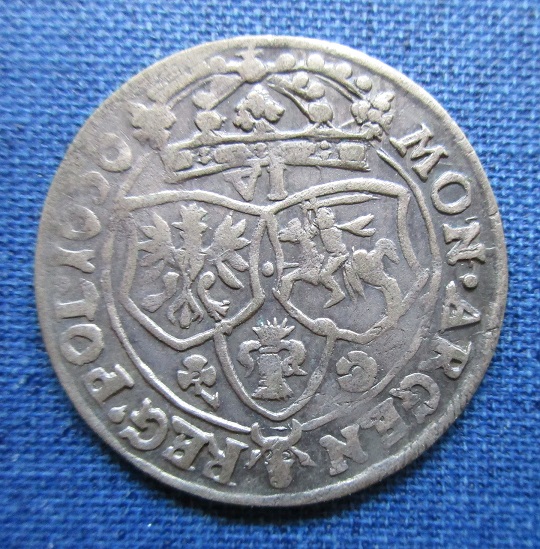
Jan Casimir 1650-1668 (19 years)
Michael Korybut 1670-73 (4 years)
Jan Sobieski 1677-1685, 1688 (10 years)
With the acquisition of this 1656 szostak, I have only one remaining date in the 1600s.
Since starting this thread, I embarked on a Kingdom of Poland OFEY, 1507-1795. I recently picked up a "last" and a "next-to-last" for this collection.
Here is the "last", the last date in the series, 1795 6 groszy, Warsaw mint. The Poland-Lithuania Commonwealth (as it was known since around 1570) ceased to exist in 1795 when the partitioning of this previous state to Prussia, Russia and Austia-Hungary was completed. The only 1795 coins commonly seen for sale are expensive thalers, and this more modest coin (about the size of a U.S. nickel).
The "next-to-last" is for dates in the 17th century. The target list of dates was:
Sigismund III 1601-1627 (27 years)
Swedish Occupation of Elbing 1628-1635 (8 years)
Jan Casimir 1650-1668 (19 years)
Michael Korybut 1670-73 (4 years)
Jan Sobieski 1677-1685, 1688 (10 years)
With the acquisition of this 1656 szostak, I have only one remaining date in the 1600s.


