| Author |
 Replies: 17 / Views: 2,876 Replies: 17 / Views: 2,876 |
|
Pillar of the Community
United States
1721 Posts |
Edited by mds308
02/04/2013 9:37 pm
|
|
|
|
Pillar of the Community
United States
8534 Posts |
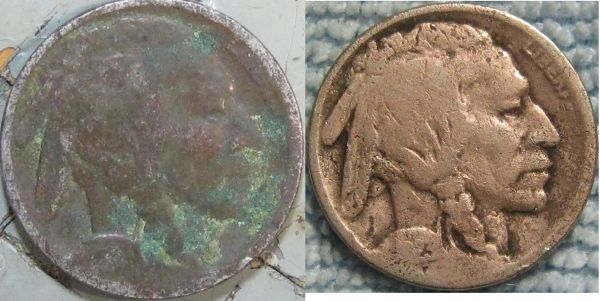
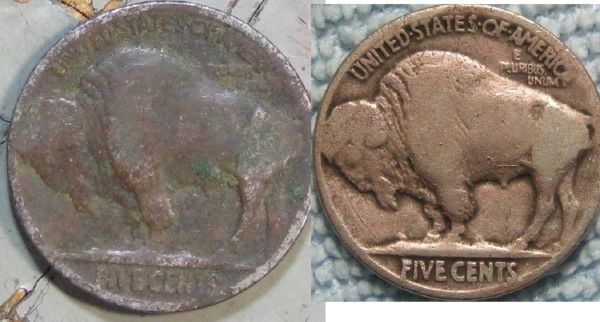
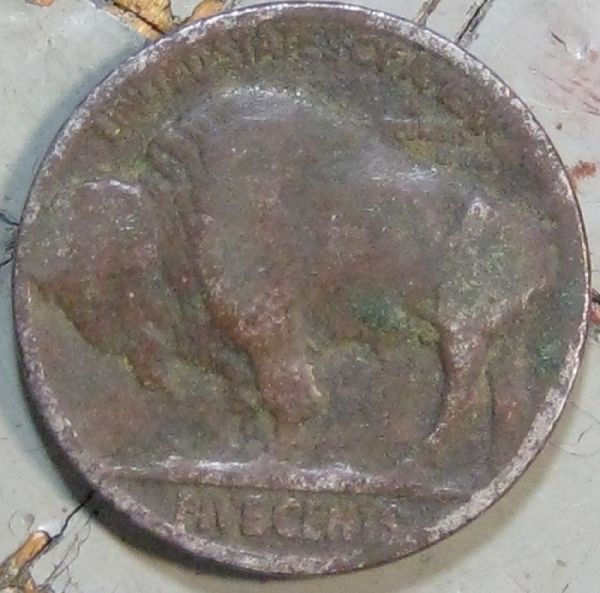
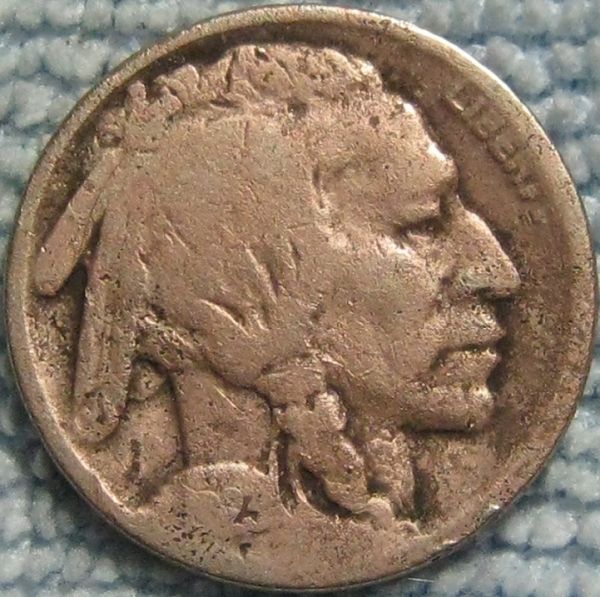
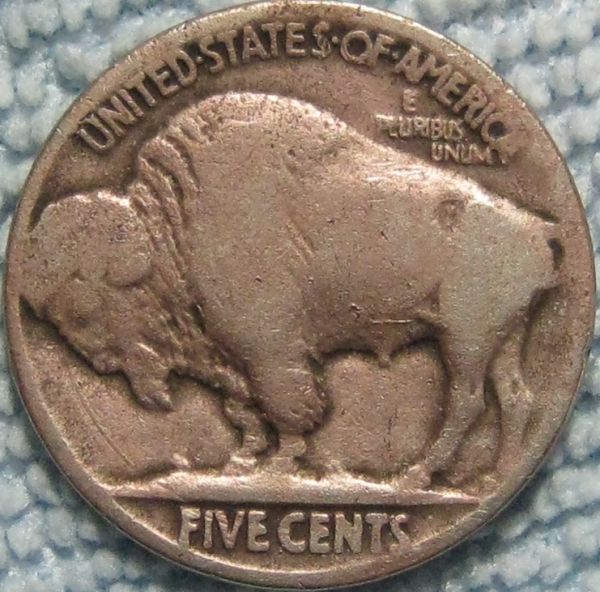
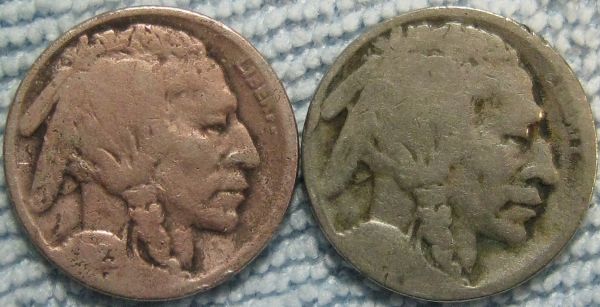
Wow, what did you soak it in ?
Oregon coin geek.....*** GO BEAVS ! ! ! ***
|
|
Pillar of the Community
 United States
1721 Posts |
I forgot to mention this was an electrolysis process.
Edited by mds308
02/04/2013 9:31 pm
|
|
Pillar of the Community
United States
8534 Posts |
Incredible transformation !
Oregon coin geek.....*** GO BEAVS ! ! ! ***
|
|
Pillar of the Community
Canada
3167 Posts |
|
|
Moderator
 United States
23522 Posts |
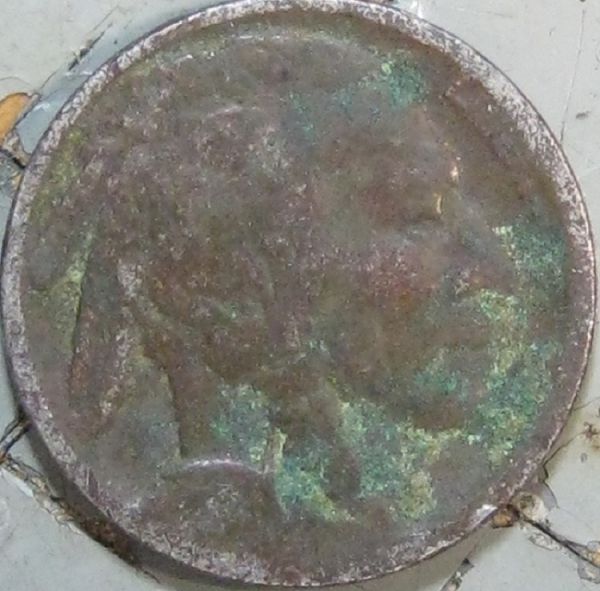
The color is a known artifact of using electrolysis on nickels; copper molecules are separated from the alloy and redeposited on the surface. Your only recourse is to make it a pocket piece or tumble it.
|
|
Bedrock of the Community
United States
17884 Posts |
What solution did you use for the electrolyte?
|
|
Pillar of the Community
United States
1291 Posts |
The color "pink" beats the heck out of the color "gunky looking", IMO!!
|
|
Pillar of the Community
United States
1721 Posts |
Conder101,
I have been using the electrolysis process for cleaning relics since 1989. I have restored over 100 items maybe 200. It's funny but I never knew the powdered chemical I was adding to the water. I got this chemical when I first started and it has always been in a clear plastic bag. I always joked that if the cops found it, I'd go to jail until they proved it wasn't cocaine. The chemical added to the water is called Soda Crystals or Sodium Carbonate (Na2CO3). This makes the solution alkaline and I believe more conductive. I add just enough so I don't go beyond total saturation. About one small teaspoon into approximately 12-14 ounces of tap water in a glass Mason jar. Maybe distilled water would be better? Never tried it. Something else I never tried, but you can reverse this process and plate an item with gold or silver.
|
|
Pillar of the Community
United States
1291 Posts |
I wonder if K2CO3 would also work? I ask because I have access to some of THAT stuff. Okay - now I have to admit and show how UN-knowledgeable I am about what we're talking about and what you're doing: Are you actually passing an electric current through the coin (or maybe through the solution)? If so, how much current?
|
|
Pillar of the Community
United States
1721 Posts |
weerdsteev, Voltage and current are low. Voltage is around 10V but there is a potentiometer to adjust power output. Current is low too. Not enough to hurt you. The DC power supply is nothing more than a voltage converter (A/C to D/C) with a pot. 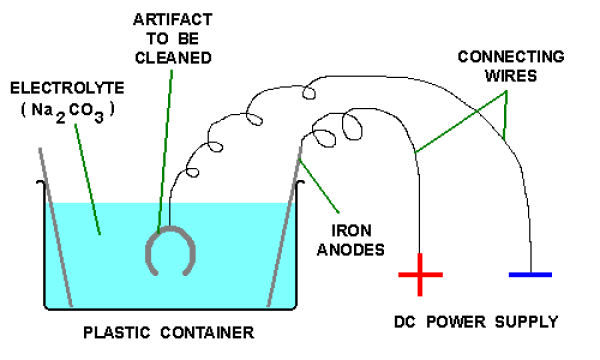 |
|
Bedrock of the Community
United States
17884 Posts |
Quote:
I wonder if K2CO3 would also work? Yes it would. Any ionic compound that dissolves in water creating positive and negative ions in solution will work. The ions allow the water to more easily conduct the electric current. (Water is actually not a very good conductor of electricity.) The reason I asked about the solution was because of the comments that the coin came out a little pink and it was wondered if the surface of the coin might have been slightly enriched with copper. If you use and electrolyte that contains ions of the metal you are trying to clean the process will go a little faster and a little more selectively. If you were to take these "pink" coins and briefly do the electrolysis using a solution with copper ions (Such as copper sulfate) the copper atoms on the surface of the nickel will more selectively come off the coin and should reduce the pink color. Also are you sure you have the polarity correct on that diagram? It seems to me that arrangement would result in the "object to be cleaned" being plated with iron. Electrons would be leaving the object and positive Fe+ ions would be leaving the anode and traveling through the solution to the cathode. It wouldn't plate quickly because the Fe ions would have to travel all the way through the solution. If the solution had Fe ions in solution every time an ion came off the anode one would come out of solution and plate onto the object. |
|
Pillar of the Community
United States
1721 Posts |
Conder101,
My machine is set up to use the negative lead connected to the relic.
Copper sulfate? I can always try it. I have cleaned numerous dug nickels and they always come out reddish brown or pink. The electrolyte I have been using is Sodium Carbonate (soda crystals).
|
|
Pillar of the Community
United States
1227 Posts |
Just want to say that you turned a dateless into a partial date. I can clearly make out a 23, and since the 19 is a given, you have dated this coin.
|
|
Pillar of the Community
Canada
993 Posts |
|
|
Pillar of the Community
United Arab Emirates
557 Posts |
|
| |
Replies: 17 / Views: 2,876 |









 Posted 02/04/2013 9:30 pm





