











 Posted 09/13/2014 1:00 pm


mikehy Hello and welcome
For starters all 8 reales are worth something to the right people. Even counterfeits are valuable - some far more than others.
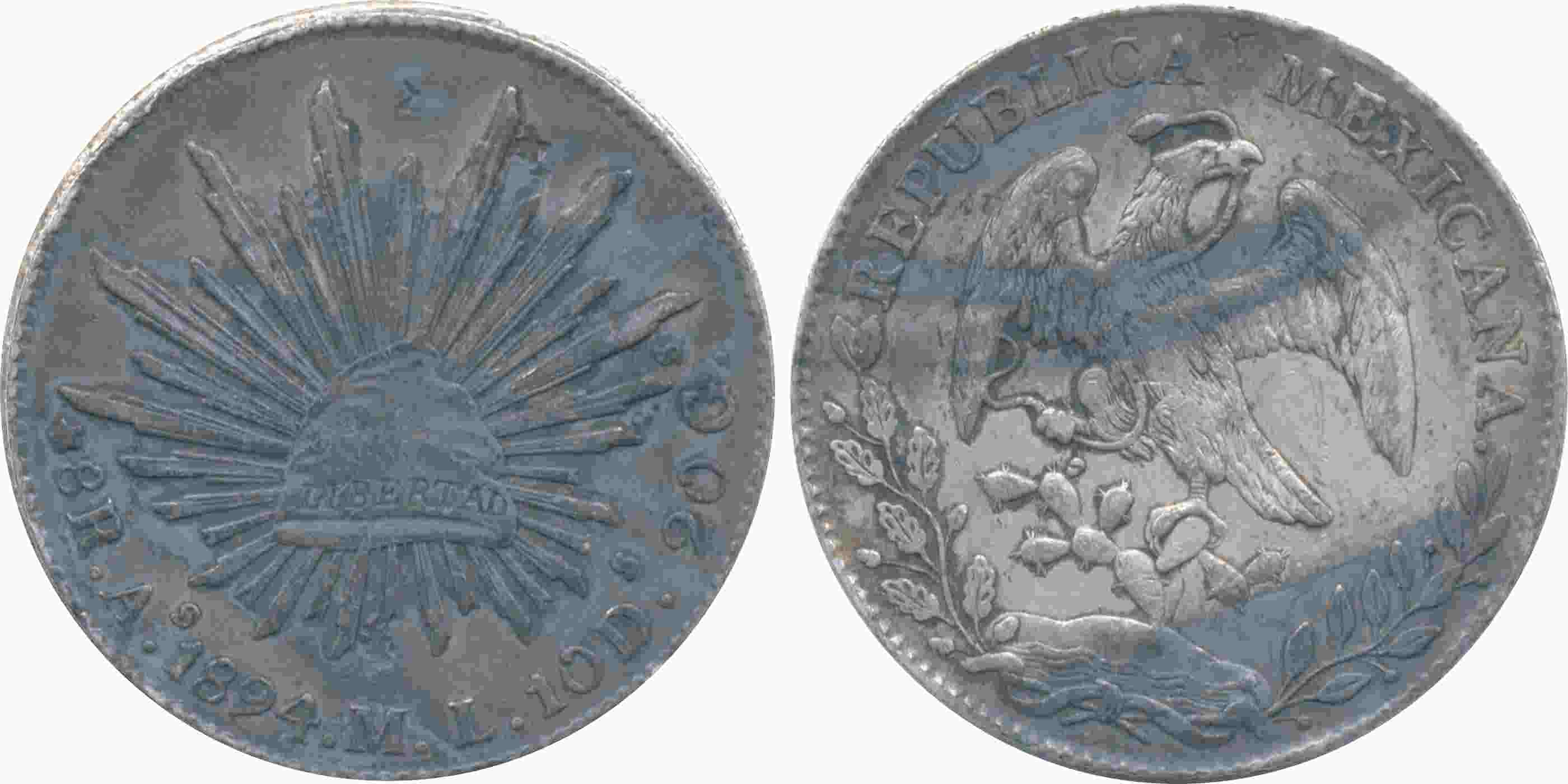
Starting with the easier coin first the Alamos 8R appears to be genuine. It has "dragon's teeth" on the base of the cap and the other design features are all correct. You were right NOT to attempt to clean it. The coin is common but worth about $50 retail. The chops are a detriment but not serious.
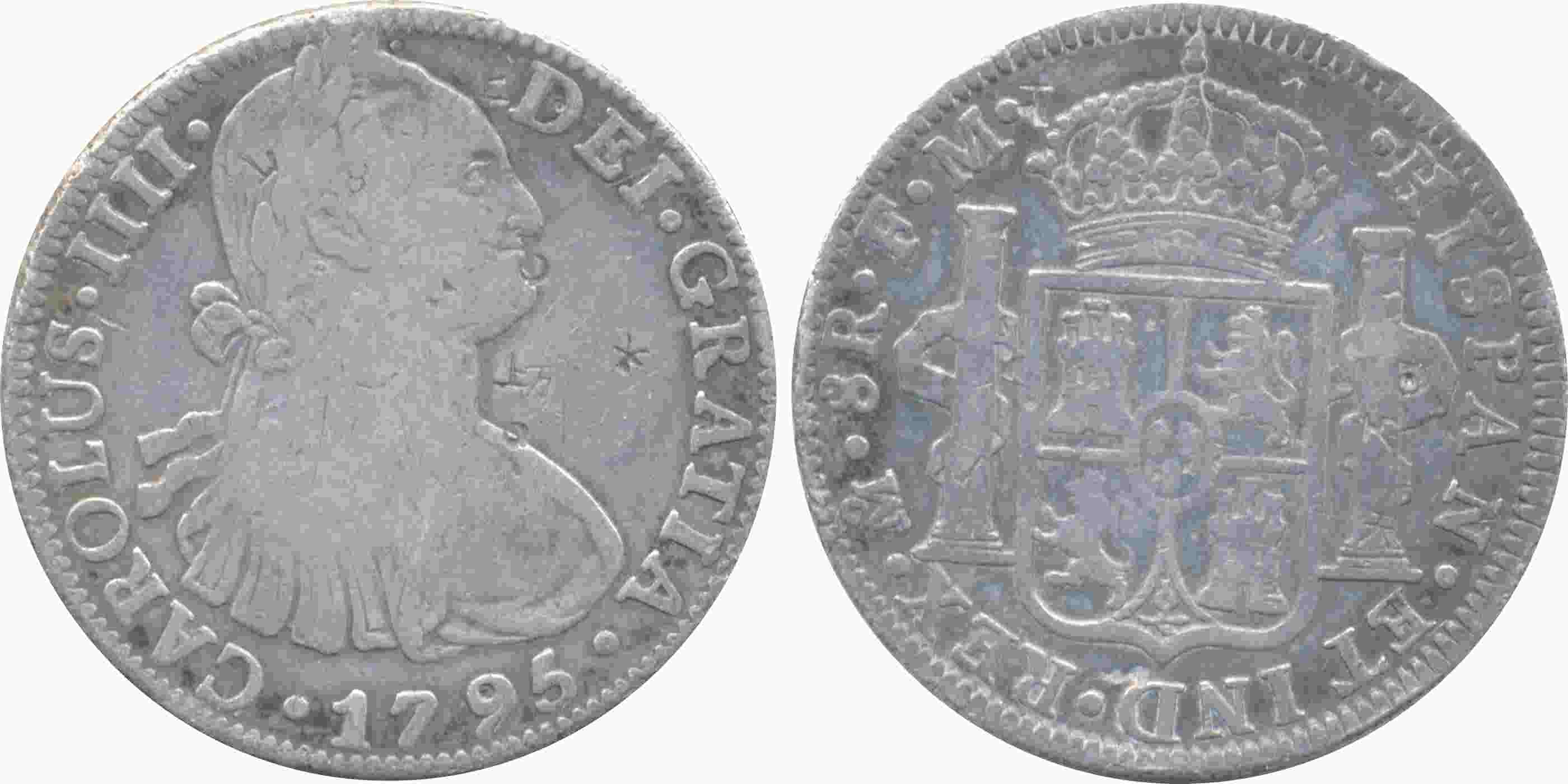
The 1795 is less certain - there is a possibility of the coin being a silver imitation strike. These imitations are very difficult to identify with 100% certainty and for the past 100 years no distinction has been drawn between genuine and imitations because of the problems related to identification.
There are many threads that discuss the situation already.
I raise this as an issue because the coin displays significant central weakness details and the letters all seem slightly too thick to be genuine. Many of the imitation coins were made with dies prepared by image transfer techniques of various types and many result in slight thickening of details. In the current market the price is unaffected by the distinction between genuine and imitation. As scientific testing continues and we can approximate the relative populations of each type - we may see a alteration of the pricing as one group is proven to be less common than the other.
For starters all 8 reales are worth something to the right people. Even counterfeits are valuable - some far more than others.
Starting with the easier coin first the Alamos 8R appears to be genuine. It has "dragon's teeth" on the base of the cap and the other design features are all correct. You were right NOT to attempt to clean it. The coin is common but worth about $50 retail. The chops are a detriment but not serious.
The 1795 is less certain - there is a possibility of the coin being a silver imitation strike. These imitations are very difficult to identify with 100% certainty and for the past 100 years no distinction has been drawn between genuine and imitations because of the problems related to identification.
There are many threads that discuss the situation already.
I raise this as an issue because the coin displays significant central weakness details and the letters all seem slightly too thick to be genuine. Many of the imitation coins were made with dies prepared by image transfer techniques of various types and many result in slight thickening of details. In the current market the price is unaffected by the distinction between genuine and imitation. As scientific testing continues and we can approximate the relative populations of each type - we may see a alteration of the pricing as one group is proven to be less common than the other.


