First Page





 Posted 11/10/2014 2:49 pm


Quote:
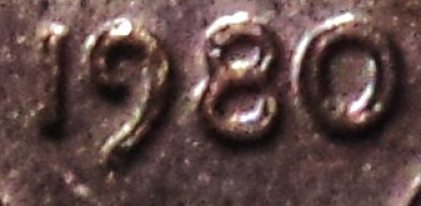
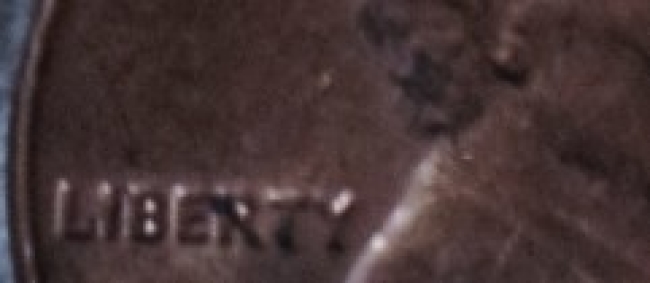
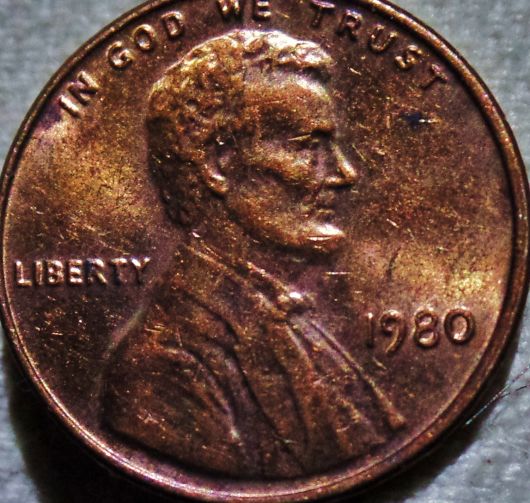
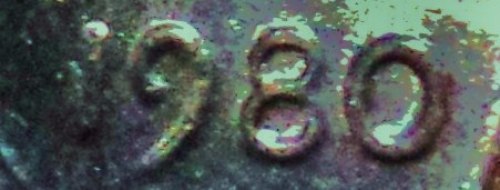
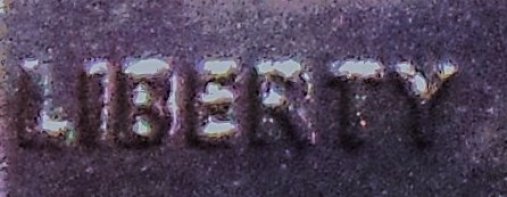
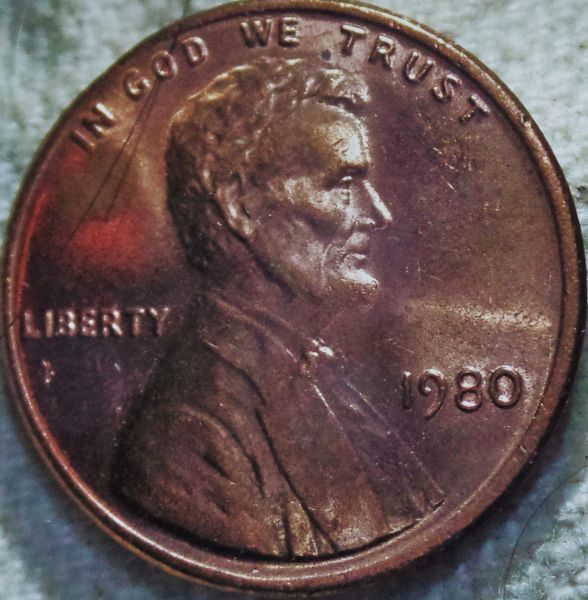
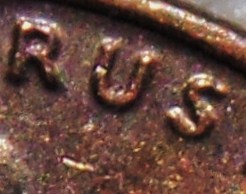
1st question, is it possible for coin to have all correct marks in correct places and not be the variety in question? Cause plse if looking below ear, in front of the face and devices I seem to see what's needed to be there.
1st question, is it possible for coin to have all correct marks in correct places and not be the variety in question? Cause plse if looking below ear, in front of the face and devices I seem to see what's needed to be there.
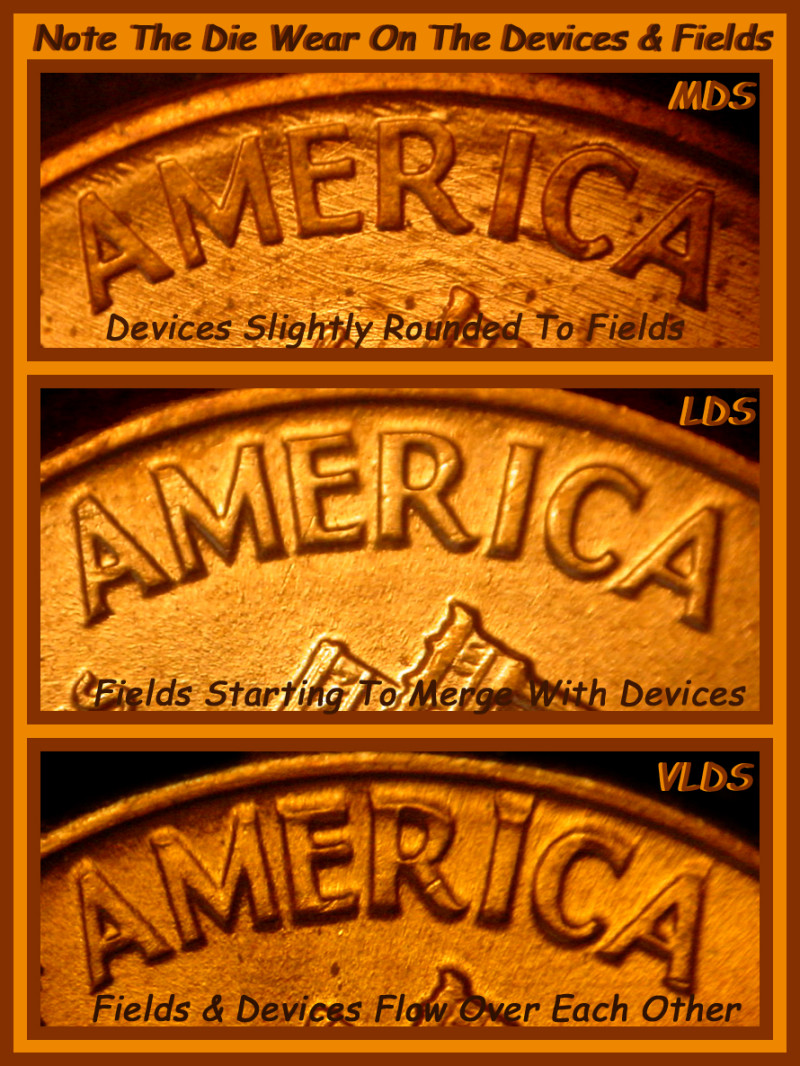
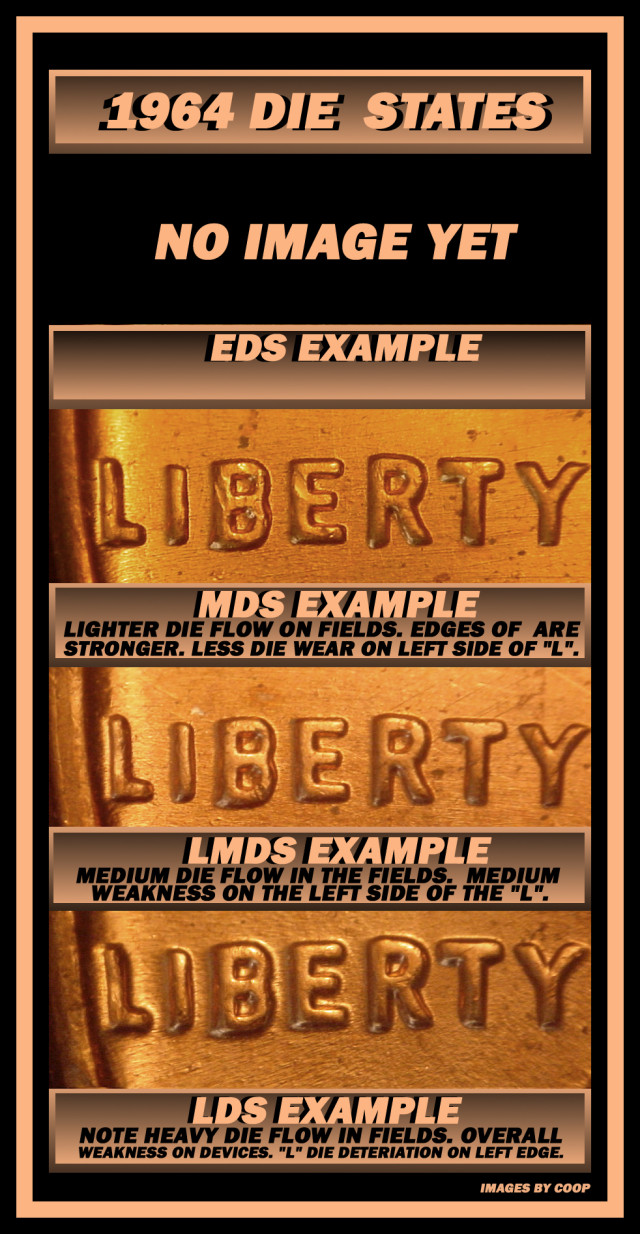
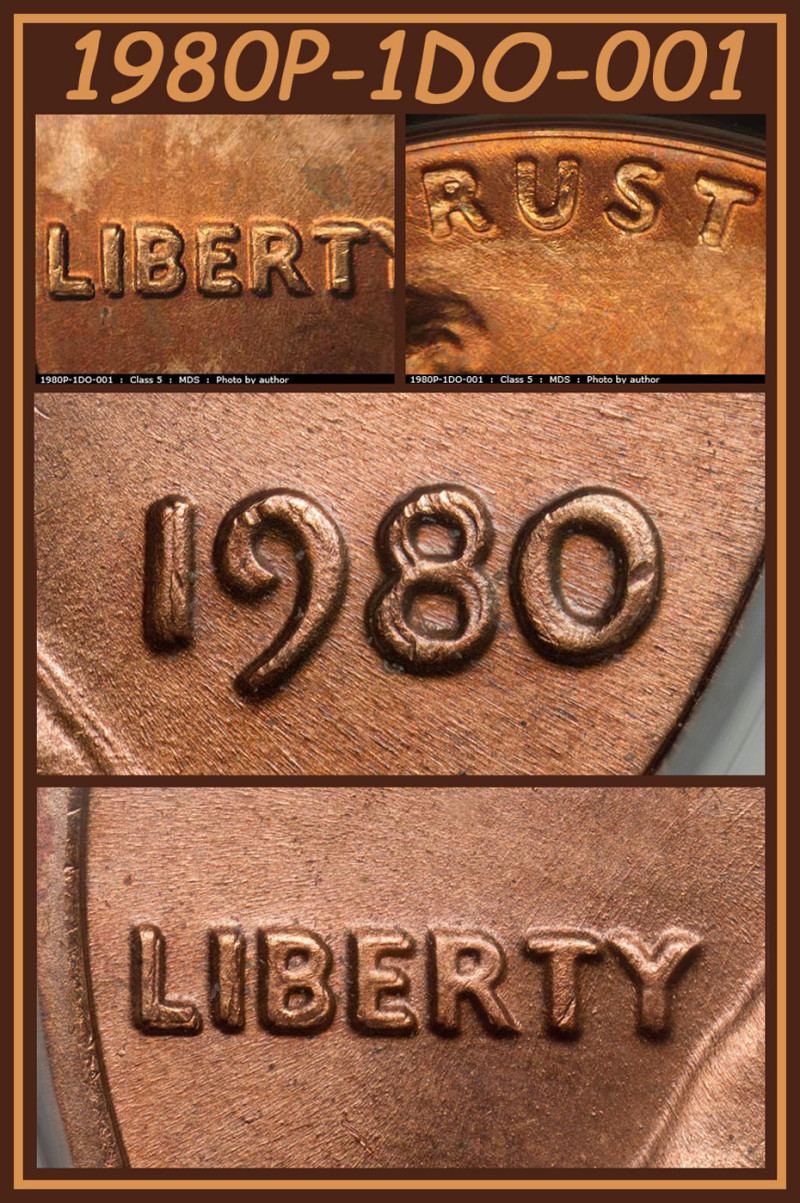
If the hub doubling is not present, it is a normal coin. Regardless of how many matching markers, if the doubling is not present, it is not from that die. Keep in mind for markers, the dies go through the same similar processes. A clash/polishing sometimes many times during it life. If the polishing is performed on the dies in the same manner, some die scratches will look similar, but won't mean they are from the same die. Sometimes markers on the 1960's cents were a die crack/chip on the columns. This happened a lot to both normal and variety dies. So looking for a die crack on a normal coin, doesn't mean it is the same marker as a variety die may have. Keep in mint the variety must come first. If it is not there, it is from a normal die. Markers are sometimes used to confirm a die state. Coins before that even will not have that marker. Coins after that event can be same/strong/even disappear depending if it is a die scratch. So these are secondary things. Just finding a marker from a doubled die that matches on a normal die doesn't prove it is from that die. The hub doubling is present from the first coin until last. It doesn't develop with time. It is there from coin one.