| Author |
 Replies: 25 / Views: 3,439 Replies: 25 / Views: 3,439 |
|
New Member
Estonia
18 Posts |
Hi everyone! Attached you find fist set of hoard of Roman coins found here on this spring. Considering where Estonia is located and thus having no direct contacts with Roman world, seems that coins have travelled decades if not more before reaching their final resting place. Some of HS's are thinner ones (35 mm) and others bit thicker with diameter 30 mm. Can anybody help with exact attribution? Seems few coins are Greek provincial which is very unusual in Nordic region. 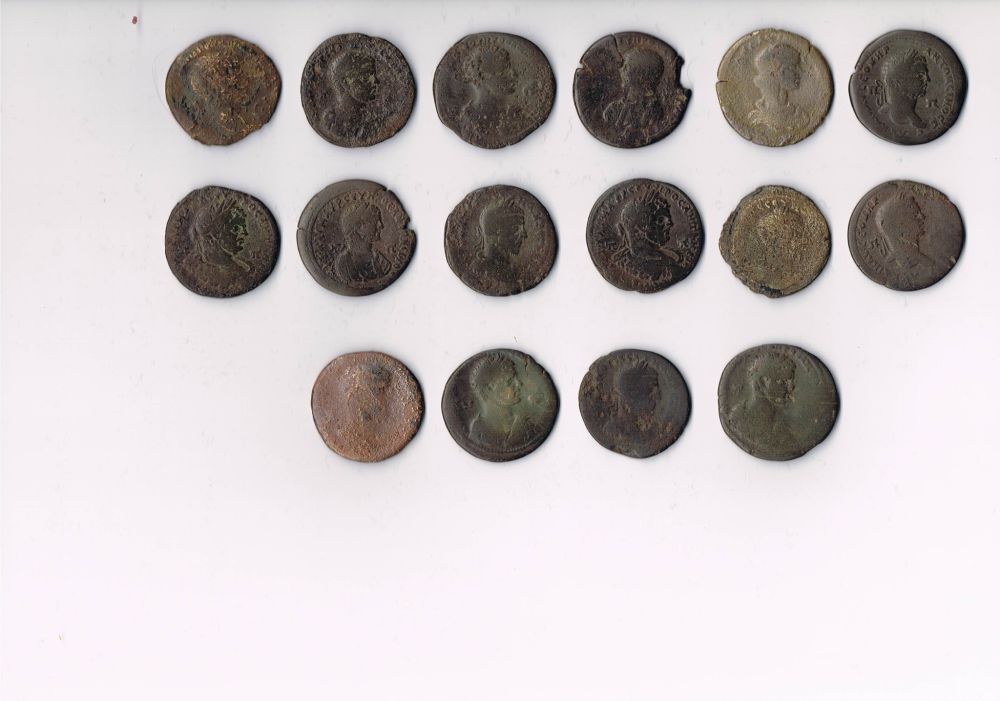 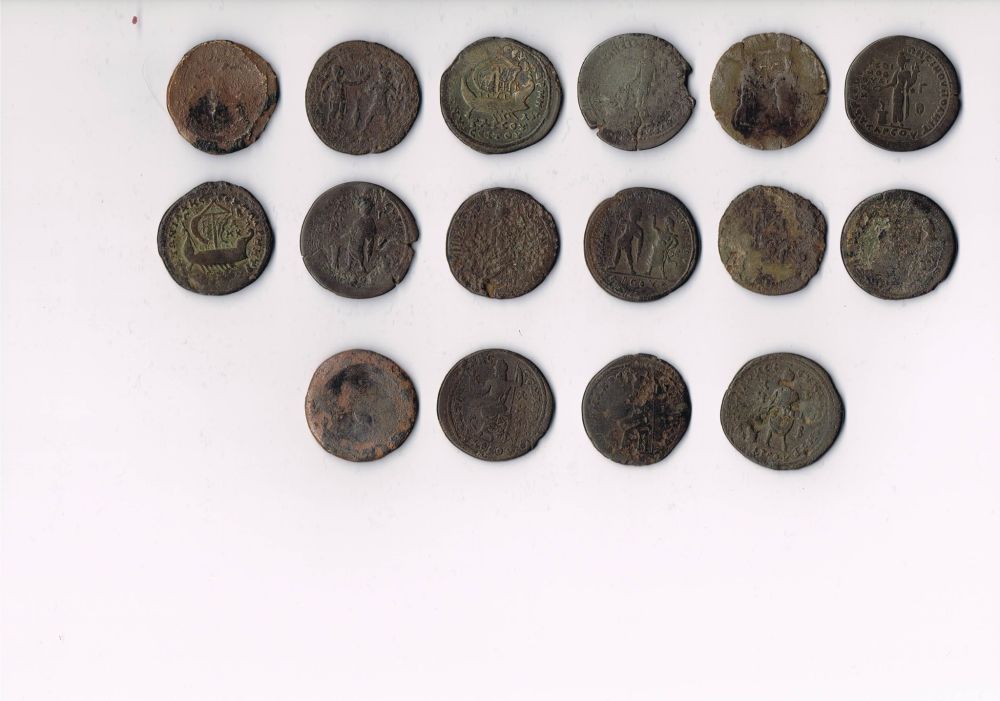 Edited by corvus
07/04/2015 08:49 am
|
|
|
|
Pillar of the Community
United States
3497 Posts |
Not my strongest area but they do appear to be Balkan issues of the early 3rd century. I see Caracalla well represented and believe the others are most probably 'Severan' emperors.
The Romans were very fond of Amber and were supplied by trade with the Baltic people. Not too surprising really to find Roman bronze in Estonia.
Reverse types with ships are always good !
Someone else perhaps can give you a better ID on the cities from where they came.
|
|
Pillar of the Community
United Kingdom
3626 Posts |
|
|
New Member
 Estonia
18 Posts |
Amber is more like Lithuanian and bit Latvian issue. In Estonia you'll not find amber in large quantites. And bronze coins (especially province ones)are not the one you expect to see when trading is in question. Most probably those coins have been travelled fist to Prussia during (Germanic?) wars, from where they where moved as workable metal to Estonia. Maybe even century or two later from issue date. Here those coins vere purely used as ore reserve. pishpash: I can e-mail you better quality of those posted earlier plus few shots more. But as new member I can not e-mail you anything directly via Forum. Some of more interested (provincial?)coins closer I can post here too: Fist one Avers 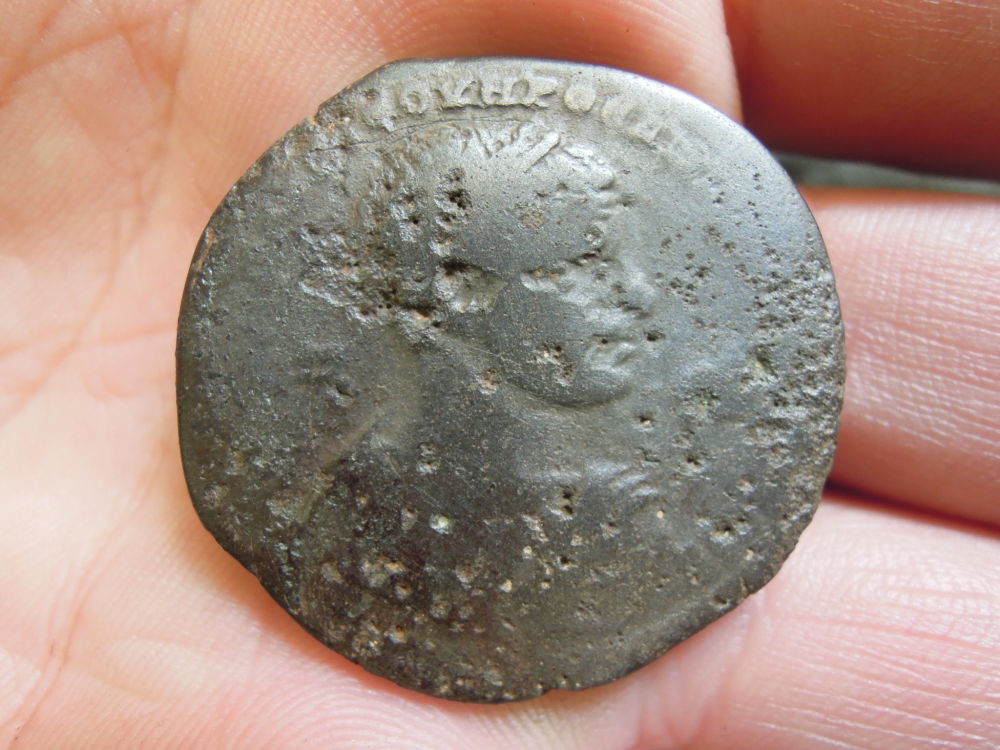 Revers 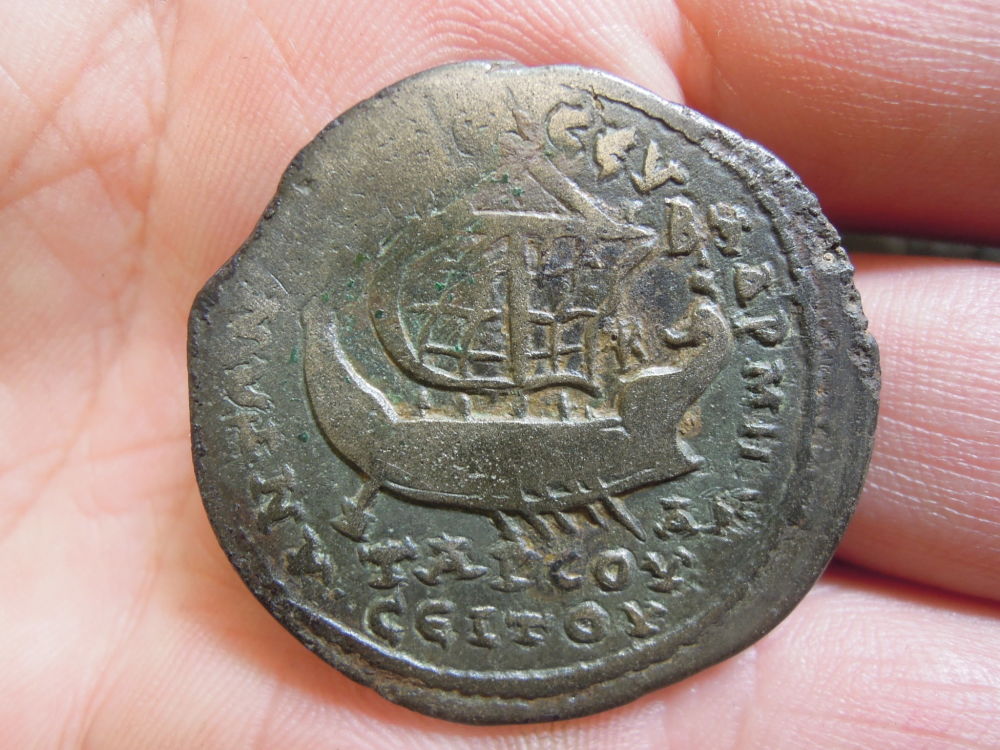 Second one Avers 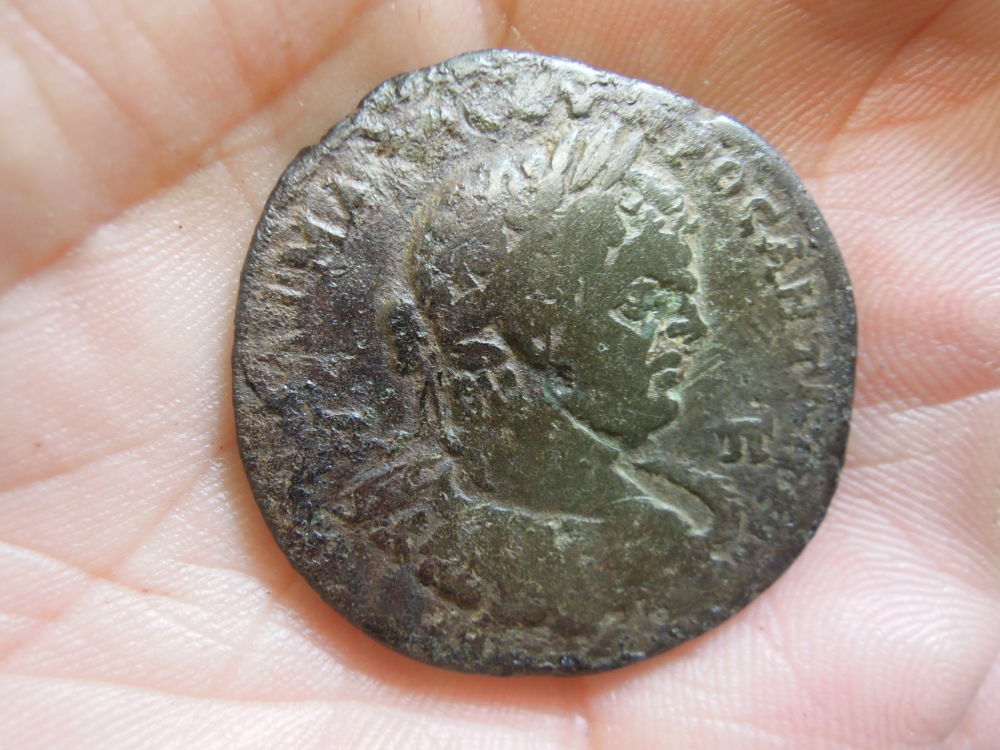 Revers 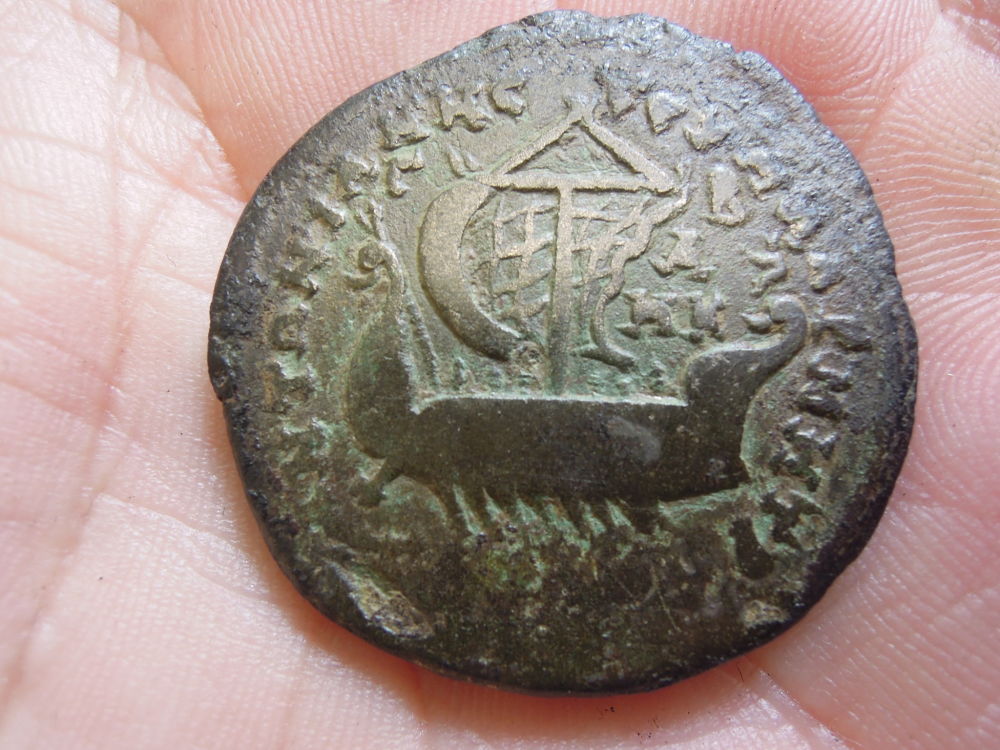 Edited by corvus
07/04/2015 10:35 am
|
|
Pillar of the Community
United Kingdom
946 Posts |
|
|
New Member
Estonia
18 Posts |
They are under work now. Our conservator is doing great job conidering theyr original condition. Here I have attributed one other allready cleaned to Lucius Verus (struck under Marcus Aurelius). You agree, must be RIC 1396? Avers: LAVRELVERVSAVGARMENIACVS Revers: TRPIIIIIMPIICOSII - with Victoria and her shield: VIC/AVG 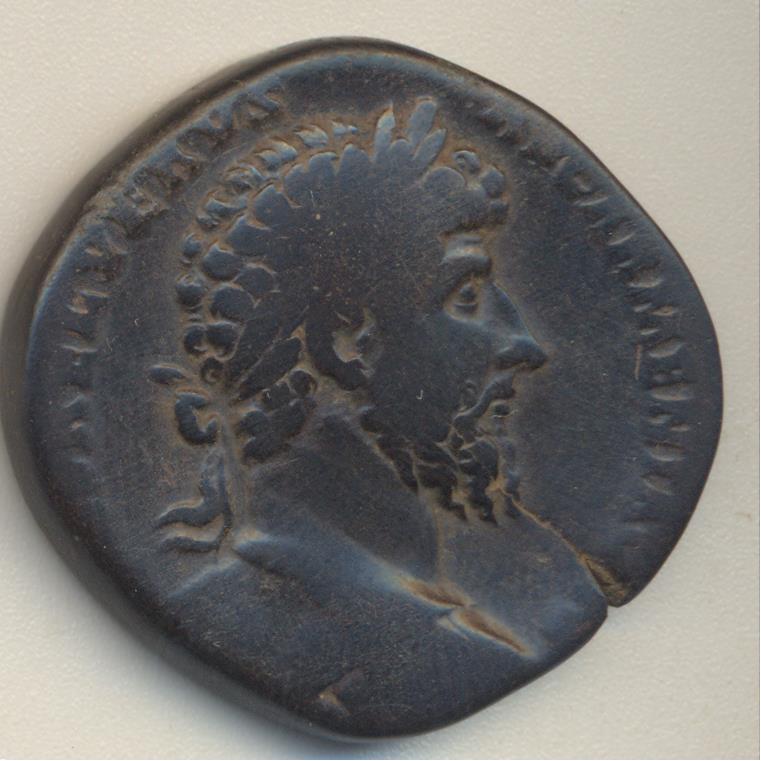 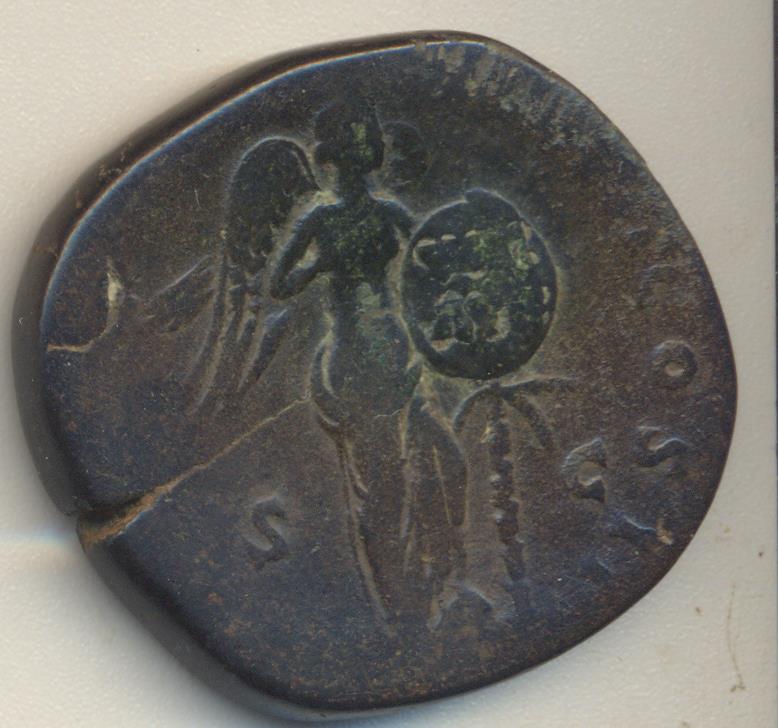 Edited by corvus
07/04/2015 10:47 am
|
|
Pillar of the Community
United States
3497 Posts |
The Dnieper river runs from Belarus through the Ukraine to the Black Sea. The fact that some of these coins have ships on the reverse makes me think they are from the Black Sea region. I believe that is a more likely route for these coins rather than by way of Germany. Most of the coins appear to be of Caracalla. The period is a bit early for the Goth invasions which began in earnest by the mid third century.
|
|
Pillar of the Community
United Kingdom
946 Posts |
All great, unique and historically important finds.
The Lucius Verus Sestertius has a really good patina.
|
|
New Member
Estonia
18 Posts |
What I meaning with "Germanic wars" it is period 167-180 AD when series of wars with germanic tribes were held. Bellum Germanicum et Sarmaticum also known as Marcomannic wars. Coin transfer around Marcus Aurelius regin is most probably subject of this event. Dead Roman soldier's stuff (or simply lost items) for example moved to oposite side (where lot of prussians and other eastward tribes were also represented). In time of Caracalla there was war with germanic tribes involved and most probably lot of skirmishes with alamani near Agri Decumates. Also, quite possible we see transfer of bronze coins to so far as Estonia because of this unrest period. Of course they ended in Estonia centuries later, and that we know because of context of other (period typical) findings from this hoard. Belonging to the 6th and 7th century, if I'm correct. Roman foreign trade was functioning ordinary on precious metal base. Bronze was used as local value. It was traded out from country ordinary when opposite side had need of such metal. Commonly foreign traders asked gold and silver as in exange of their goods. Savages by name, they were not stupid. Now this is is my favour one. It is not cleaned yet, but if I'm correct with my attribution than this is real abnormality to find it in such far corner of Europe! Can it be: Marcus Aurelius. AE33 of Sagalassus, Pisidia? AYT KAI AY ANTWNINOS, laureate, draped bust right. LAKEDAIMWN CAGALACCOC, Lakedaemon, helmeted, standing left, looking left, holding spear, being crowned by Tyche standing left behind him, holding cornucopiae. BMC 13; SNG von Aulock 5168 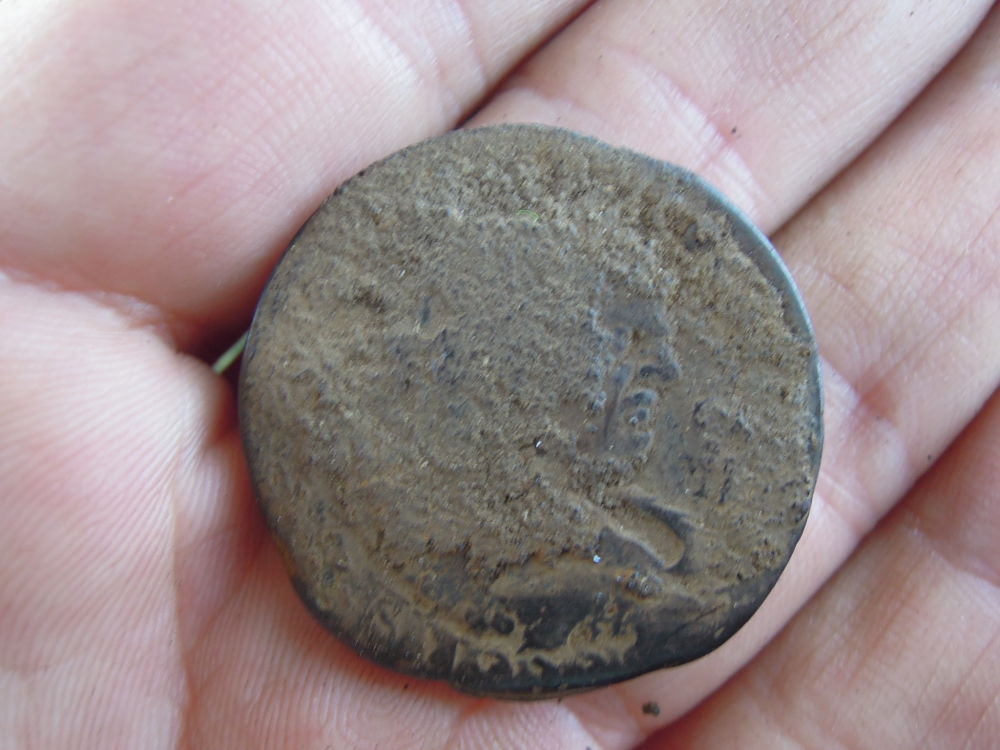 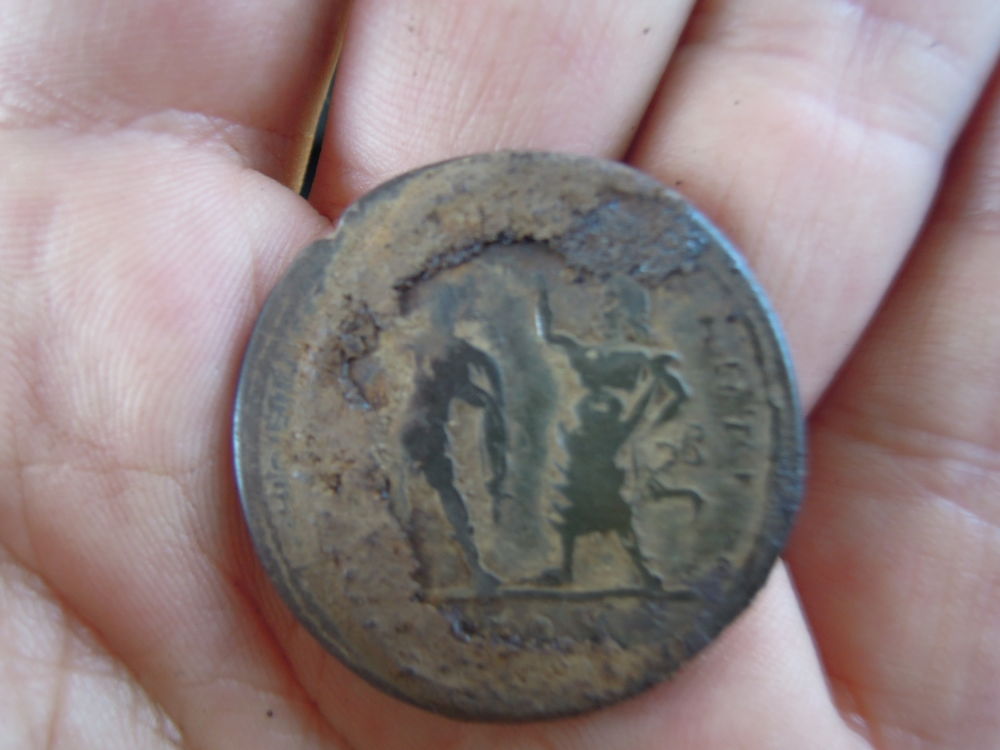 Edited by corvus
07/04/2015 11:28 am
|
|
Pillar of the Community
United States
3497 Posts |
It is without question Caracalla.
|
|
Pillar of the Community
United States
3497 Posts |
Caracalla Tarsos
Anatolia eastern Mediteranean
Not Black Sea
Link removed. Hotlinking to Wildwinds does not work.
Edited by FVRIVS RVFVS
07/04/2015 12:11 pm
|
|
Pillar of the Community
United States
3497 Posts |
Another
Link removed. Hotlinking to Wildwinds does not work.
|
|
Moderator
 United States
23731 Posts |
|
|
Pillar of the Community
United States
5010 Posts |
wow, what a fantastic find. i'd love to see that coin when its clean up, I bet its a beauty.
keep posting the large pics, i'd like to see all of them!
|
|
New Member
Estonia
18 Posts |
Dear FVRIVS RVFVS,
Thank you! I'll allready got those Tarsos data and they seems fit one is indeed Lev 1067 without goubernator at stern and other one BMC 199 with "A MK" at prow.
As I assumed those are indeed rare ones and you don't expect them to appear - frankly saying - nowhere on edge of Ancient world...
|
|
Pillar of the Community
United States
3497 Posts |
The coin you have identified as Marcus AE33 is without question also Caracalla. Many of the coins of Caracalla have the unmistakably menacing face of the vicious emperor. Marcus has a rule has a very benign friendly appearance although it is sometimes shown with a very wide eyed (almost surprised) look.
|
| |
Replies: 25 / Views: 3,439 |







 Posted 07/04/2015 09:46 am





