| Author |
 Replies: 31 / Views: 4,368 Replies: 31 / Views: 4,368 |
|
|
|
Pillar of the Community
 United States
527 Posts |
Here is a coin that I soaked in ammonia for about 2 minutes, and then rinsed with water. Before 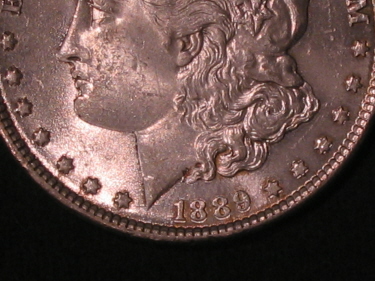 After 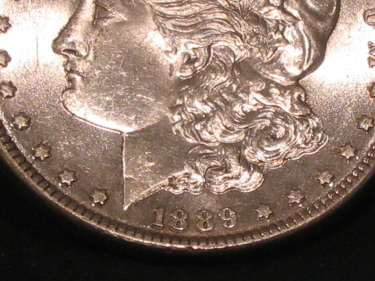 |
|
Bedrock of the Community
United States
62064 Posts |
I use only on copper circulated coins an old tooth (very soft tooth brush and mineral oil. I placed tape over 1/2 of a very dirty coin. Put some mineral oil on the brush (Or let sit in mineral oil) and brush gently in various directions to remove dirt/crud from the devices on a coin. https://www.coincommunity.com/forum...ALF_BATH.jpgWhile I left the other parts of the coin as normal I keep it out to examine how time/bathing of the coin. It hasn't changed in over a year. So next year I will check again to see if it harms the coin. So far even under a microscope I find no hair lines. But again: only on circulated copper coins do I use this. This will not remove stains/spots/freckles/unsightly blemishes. This is only to remove dirt from around the devices. If any is still remaining I use a toothpick/green thorn is better carefully to loosen the grit. The grit may contain sand so don't scrub this on the coin as it will scratch it. I remove the mineral oil with a facial tissue (Non oiled/perfumed) to remove the excess oil. Don't rub with the tissue. Press downwards toward the surface to dry. If you do a rinse with anything, made sure it is dry before putting it away. Moister in the 2 X 2/flip with cause the coin to corrode. Don't try on proof coins/bu coins. All this will do is to put scratches into them. But circulated/dirty copper coins can be bathed this way. Always best to experiment on a circulating coin first to get the technique down. Best for small amount use. Not for bulk coins as it takes a while to bath coins. More for exposing varieties to prepare for imaging. Edited by coop
02/04/2008 11:47 am
|
|
Pillar of the Community
United States
717 Posts |
coop,
How long do you let it sit in the mineral oil?
|
|
Bedrock of the Community
United States
62064 Posts |
Depends on the coin. Depends on what is on them. But when I clean a coin with the mineral oil, I apply the oil to the brush and start working on them. Sometimes the crud might need to sit, but the coin above I put tape on 1/2 of the coin and worked on just 1/2 of it and left the other side uncleaned. Still sitting out and nothing has changed much on it. The color now is a little darker. Just a bit though. I always like to keep watching coins I bathe. It helps we see what is going on with them.
On some coins like the Silver worn quarters, when people clean them it leaves the to white. The darker parts of the coin are more enhanced on them. So I would not touch them. They just yell : CLEANED!
Edited by coop
02/24/2008 6:39 pm
|
|
Pillar of the Community
United States
1571 Posts |
Yechi7, can you find it in smaller than gallon cans<($16 bucks)?
Amac44, I agree. But, WE are not coins, so enjoy getting good and dirty!
Chuck, I got some "Goo-Gone, and got rid of the "Polish remover. I don't paint my nails, so it's not needed. I couldn't get Xylene in smaller than gallon, so I passed on it. Do you have any thoughts on the "black cents"? I think thet there must be something that will "salvage" them, if we look hard enough, (without harming the coin)>
Dick
|
|
Valued Member
United States
130 Posts |
Silver cleaning I have used on tarnished sterling silverware and a couple of pure silver coins.
Piece of aluminum foil in bottom of teflon coated pot/pan. Cover the bottom of the pot/pan. Just let it sit there loose. No need to wrap the pot or pan with it.
2-3" of Distilled water.
1 tsp Baking Soda.
1 tsp Salt
Bring water to boil.
Drop coin in pot. Tarnish instantly disappears.
Badly tarnished may take a minute or two at most.
Rinse under distilled water wipe gently with pure cotton cloth.
Beautiful. No apparent damage but I am a newbie so...
Edited by MarkJ
02/23/2008 10:57 pm
|
|
Pillar of the Community
United States
1934 Posts |
Short, shameful confession about wiping dirt on metal (and a good analogy, too)
Circa 1972, my sister's boyfriend had the cherry muscle car. It had some dust/dirt film along the bottom of the panels. I fingered in, "TIRE BITER" on the door. It scratched just permanently fine into the surface of the paint.
Dumb A$#
|
|
Pillar of the Community
United States
527 Posts |
Excellent analogy j_h_s, I have "clean me" on the hood of my car. Many minerals found in common dirt are harder than silver. Rubbing of any sort can leave a "clean Me" on your coin. This is why I only soak coins in ammonia, rinse with water, and place on a cloth to air dry. This is the method I have used, and I only use it on coins that have been in circulation. Only clean coins that will benefit from the process, high grade coins should be left alone.
NO RUBBING.
|
|
Valued Member
United States
130 Posts |
Is the technique I used above OK for silver?
I hate tarnish.
|
|
Pillar of the Community
United States
527 Posts |
MarkJ,
I have tried your technique, and I had some bad results. I found that it had a toning effect and left a residue on the coin. I would stick to ammonia, it's the safest method I have found so far.
|
|
Moderator
 United States
23522 Posts |
Quote:
Is the technique I used above OK for silver? Absolutely, done right and with distilled water. However, it only works on toning, because it reverses the corrosion process which causes silver sulfide, the stuff which the toning is made of. It does not "clean" the coin at all. NGiles, I'm interested in how your attempt met with poor results. It should be noted that, in the case of heavily toned coins, one might have to change both the aluminum foil and solution for fresh before the removal is finished - what you're actually doing is causing the sulphur chemically bonded to the silver to re-bond to the aluminum, which it's even more attracted to than the silver. The aluminum can only hold so much sulphur, though, so it has to be changed out when it reaches its' capacity. Otherwise, it'll just re-bond to the silver. It should be mentioned that ammonia is not to be used on copper - if you ever want to demonstrate verdegris, just dip a copper coin in ammonia and leave it to dry overnight. In the morning, you'll know what verdegris is. |
|
Pillar of the Community
United States
527 Posts |
SuperDave,
I'm not sure what went wrong with my attempt. When I took the coins out, they were a dingy yellow color and had a dusty appearance that I can't remove. Maybe there was some residue in the pot to start with. There wasn't a lot of toning on the coin to begin with. I will re-attempt, and be more carefull with the procedure.
|
|
Pillar of the Community
United States
914 Posts |
I use the aluminum foil technique often on blackened silver coins. Never tried the salt with it.
Seems to work wonders.
|
|
New Member
United States
12 Posts |
Clean the dirt off first! Then use a soft pencil eraser.
Rub it hard enough, it will remove stains, tarnish, etc.
That will make the Copper shine like new.
OOPS! Now it looks like a cleaned coin...
So, place the coin in a humidor to start the oxidation process, until satisfied.
I must have too much time on my hands to be cleaning pennies!!
At least it keeps me out of trouble.
|
|
Pillar of the Community
United States
533 Posts |
I have a Whitman dime folder from when I was a kid, and all of my silver dimes have some brown staines from where I pushed them in with my fingers. Some you can literally see my finger prints. Is there a safe way to get these off?
|
| |
Replies: 31 / Views: 4,368 |







 First Page


 Posted 02/04/2008 11:45 am


