









 Posted 01/05/2017 8:59 pm


For just about anything from 2nd to 17th century inclusive (and to an extent also earlier and slightly later), "some details are not the same" is not an indicator of anything. The minting process introduced too many irregularities.
Some very popular and/or very rare issues have die studies, but it's not always easy to match same-die coins, and in many cases it's perfectly possible for a newly found example to come from a previously unrecorded real die.
[One big exception is post-1535 Russian wire money - the dies for those were mechanically produced from hubs, so if it's not in KG, it's probably fake. But I can't recall ever seeing a non-contemporary fake of Russian wire money, and anyone trying to sell it as a rare variety would probably try to make it fit the KG picture anyway.]
That said, it is fairly common for people unexperienced in the particular series to dismiss fairly major differences as unimportant (or, even more commonly, not know that those specific minor differences are significant to the series - this is especially common for style attributions, such as the assorted English pennies in the name of Henry).
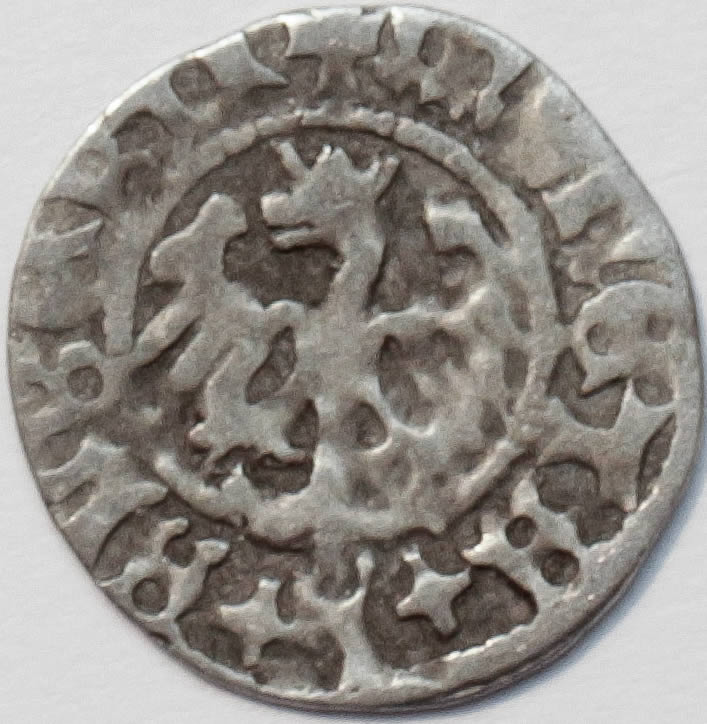
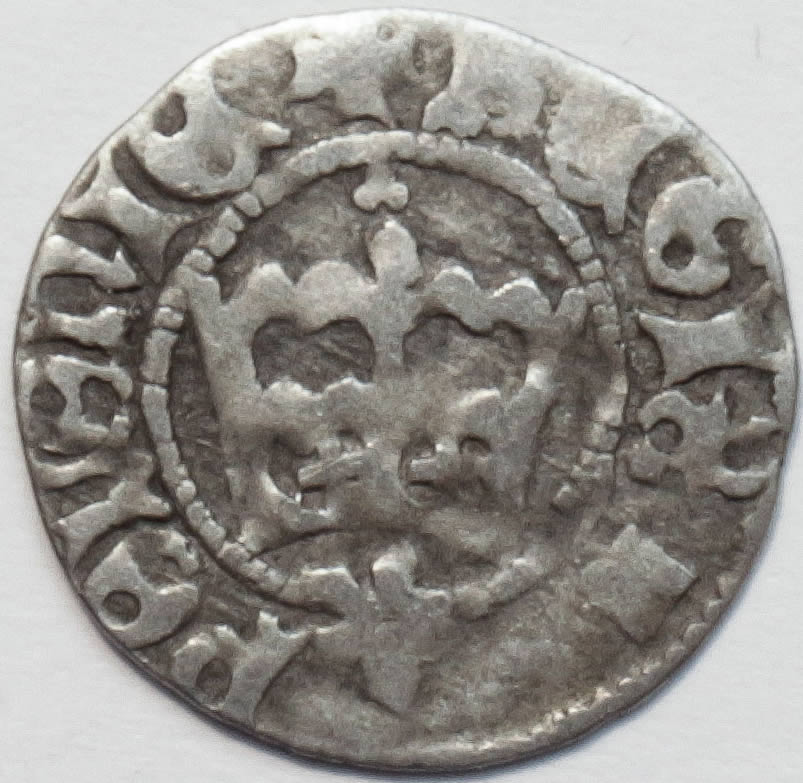
So, for example, in this case, without comments from an actual expert (Spence? Medieval? giedrius?), I would not even necessarily assume that this is even a half grosz of Jan Olbracht and not some other denomination and/or ruler. (For what it's worth, I don't see any form of the name Jan anywhere in the legend, but for all I know the name didn't appear on his normal coins either.)
Some very popular and/or very rare issues have die studies, but it's not always easy to match same-die coins, and in many cases it's perfectly possible for a newly found example to come from a previously unrecorded real die.
[One big exception is post-1535 Russian wire money - the dies for those were mechanically produced from hubs, so if it's not in KG, it's probably fake. But I can't recall ever seeing a non-contemporary fake of Russian wire money, and anyone trying to sell it as a rare variety would probably try to make it fit the KG picture anyway.]
That said, it is fairly common for people unexperienced in the particular series to dismiss fairly major differences as unimportant (or, even more commonly, not know that those specific minor differences are significant to the series - this is especially common for style attributions, such as the assorted English pennies in the name of Henry).
So, for example, in this case, without comments from an actual expert (Spence? Medieval? giedrius?), I would not even necessarily assume that this is even a half grosz of Jan Olbracht and not some other denomination and/or ruler. (For what it's worth, I don't see any form of the name Jan anywhere in the legend, but for all I know the name didn't appear on his normal coins either.)


