| Author |
 Replies: 814 / Views: 111,860 Replies: 814 / Views: 111,860 |
|
|
|
Moderator
 United States
195559 Posts |
Very interesting, Pertinax.  I would also like to see it enlarged or maybe transcribed so I can read it.  |
|
Bedrock of the Community
 United States
11966 Posts |
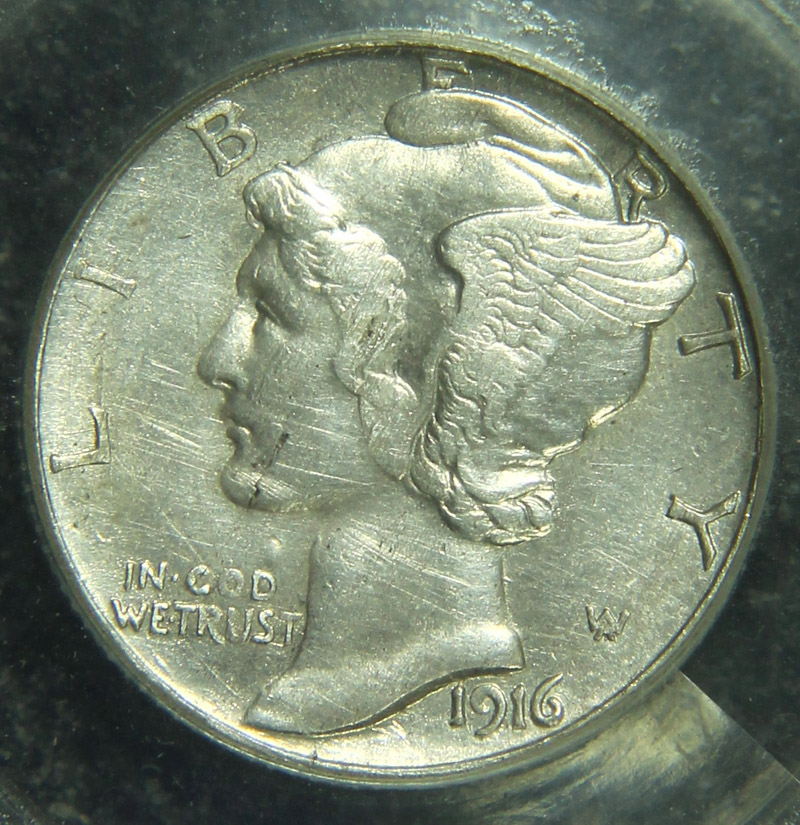
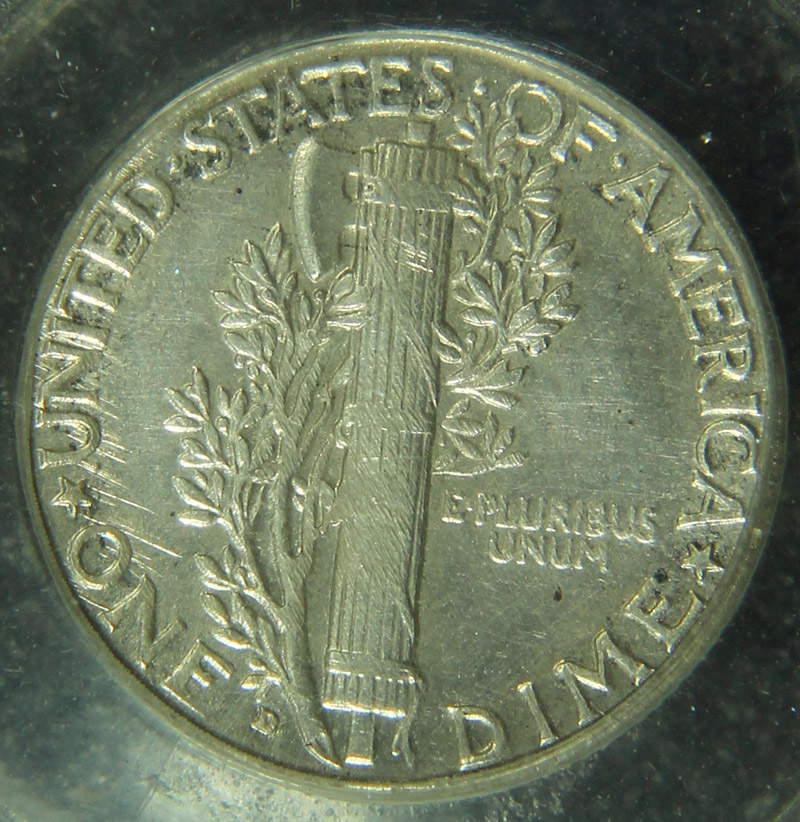
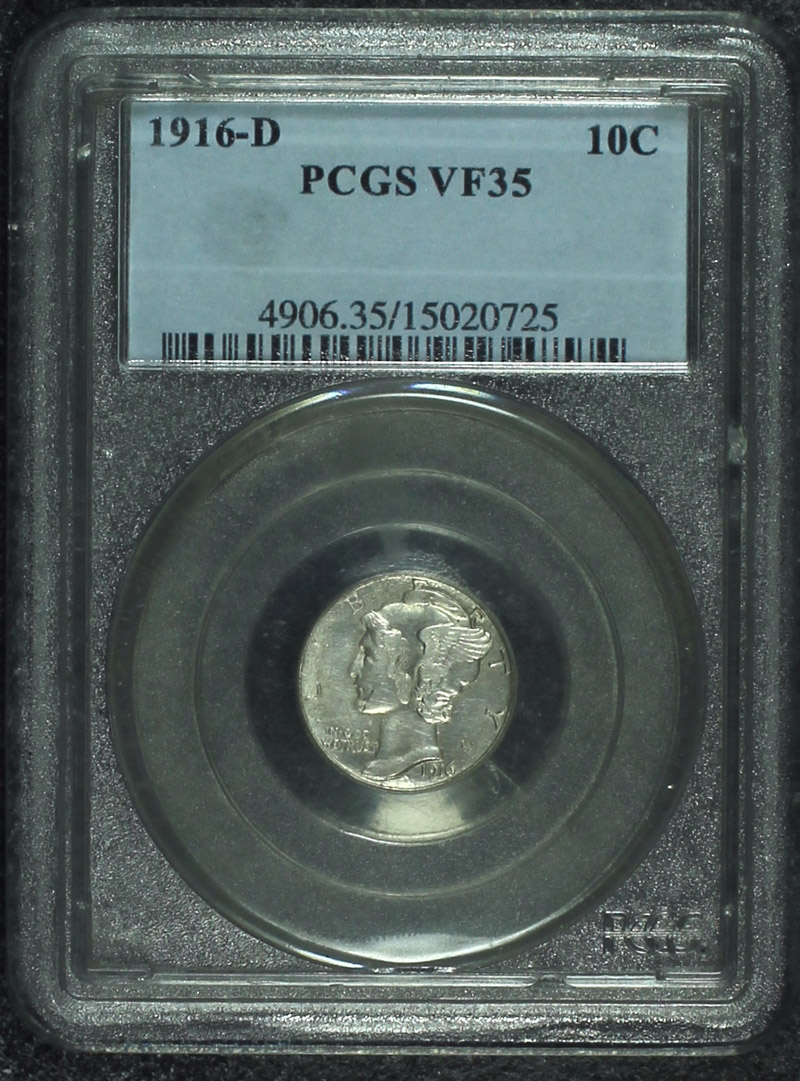
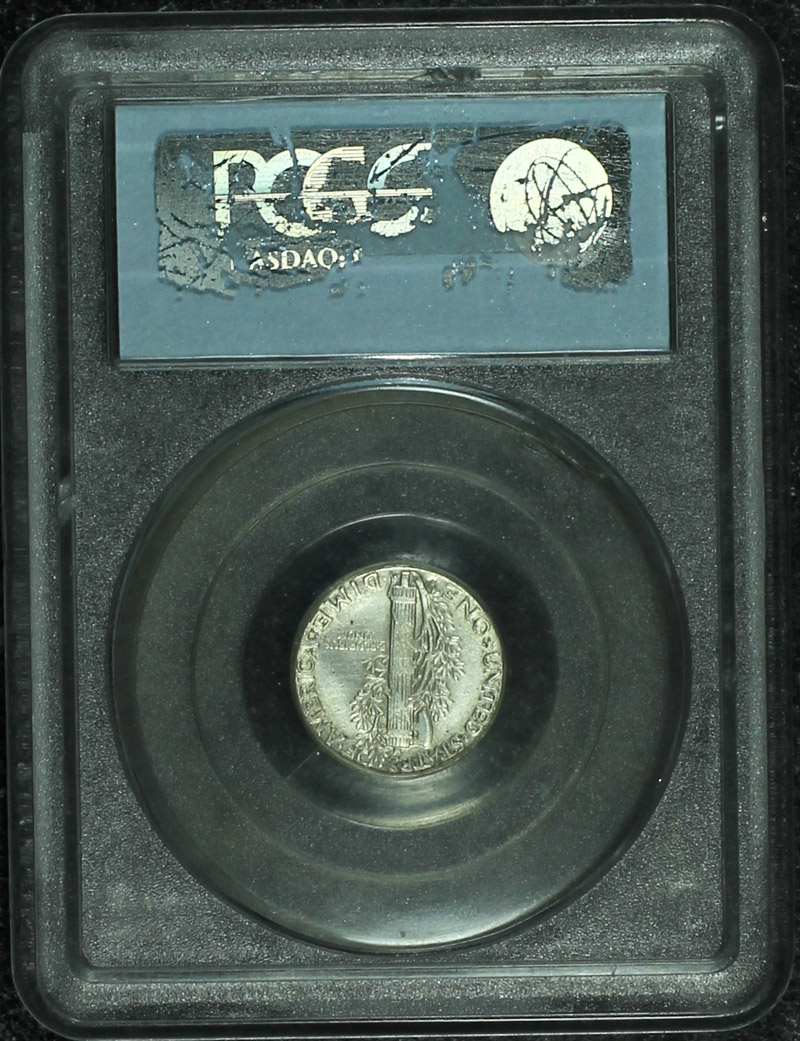
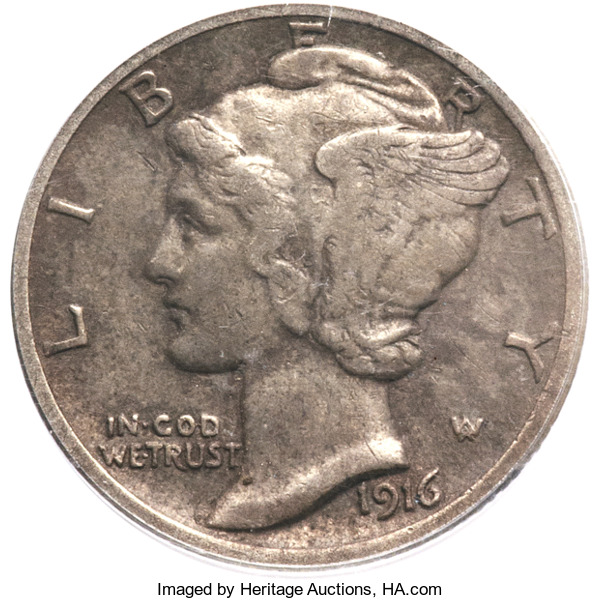
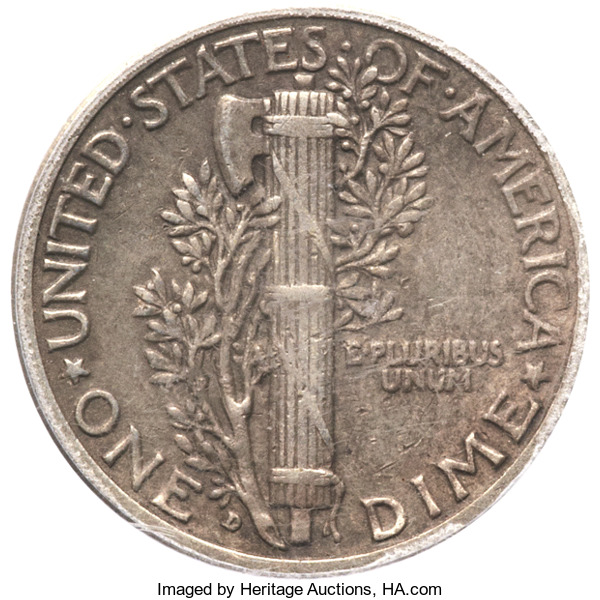
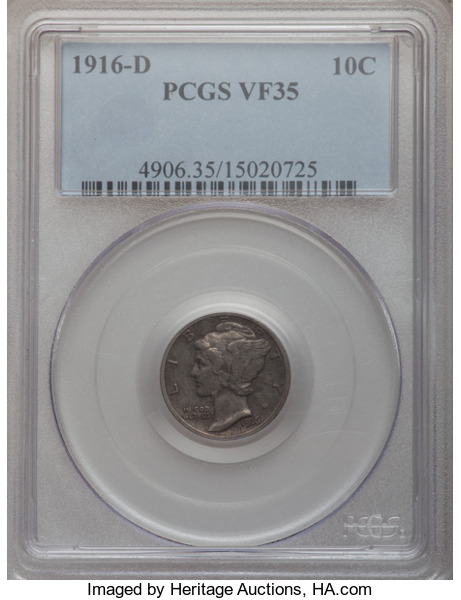
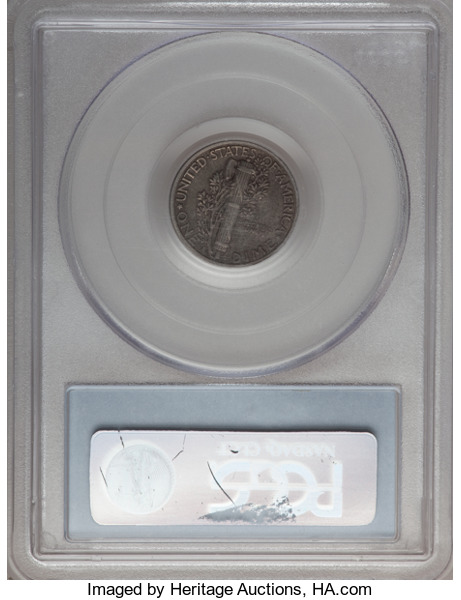
A counterfeit key date 1916-D winged liberty dime 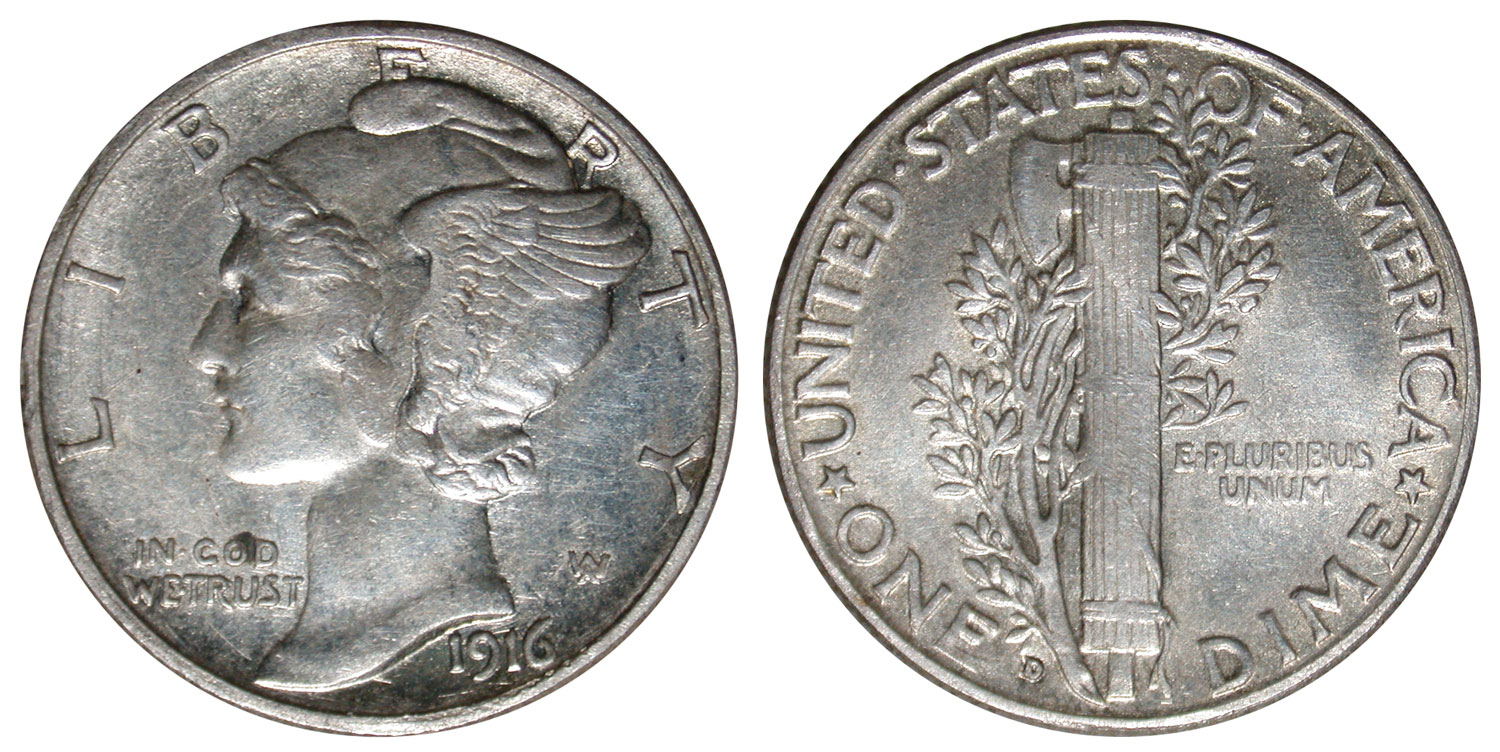 Edited by numismatic student
03/07/2018 11:05 pm
|
|
Bedrock of the Community
United States
11966 Posts |
|
|
Moderator
United States
195559 Posts |
Fakes!  |
|
Bedrock of the Community
United States
11966 Posts |
|
|
Moderator
United States
195559 Posts |
Quote:
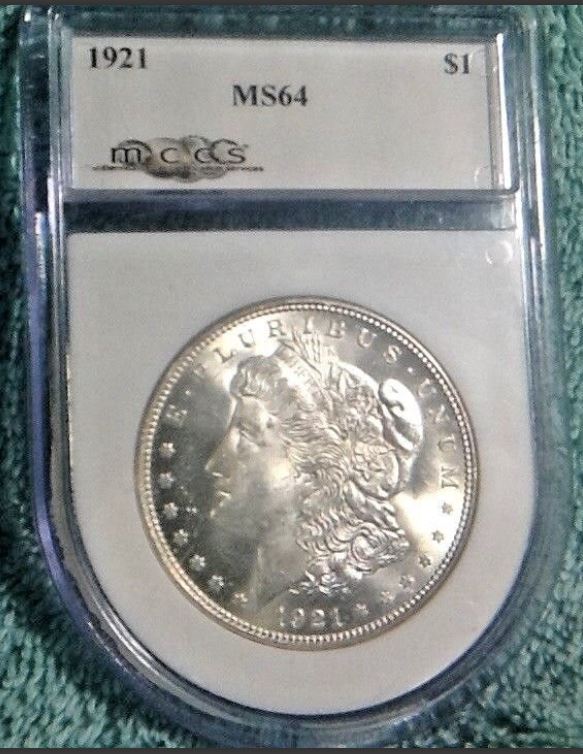
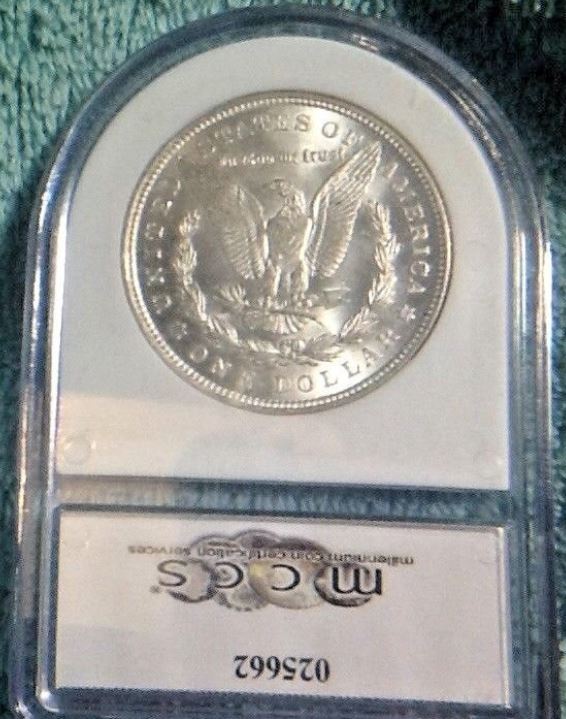
Apparently this attractive MCCS slab was affectionately known as the "toilet bowl" holder. I have no idea why.  |
|
Bedrock of the Community
United States
11966 Posts |
From the Rutheford B. Hayes Library: Bland-Allison Act Leads to Creation of Morgan silver dollar
Bland-Allison Act In 1873 there was an economic crisis in the United States. Several major banks collapsed and created what is known as the "Panic of 1873" which caused the country to enter a depression. In an attempt to bring the nation out of the depression, the Coinage Act of 1873 was passed. This act embraced the gold standard and demonetized silver, which previously had been the standard. Silver miners became irate at this change and demanded a return to the silver standard. The answer to the Coinage Act did not come until 1878 when the Bland-Allison Act was introduced to Congress. The purpose of this act was to bring back the silver standard. It also required the purchase of silver bullion by the Secretary of the Treasury for use in coining. The price of the bullion was controlled and a minimum requirement established for the amount of silver purchased each month. The primary issue with returning to the silver standard was that silver was losing value. This meant that at one point the face value was higher than the metallic value of the coin. On February 28, 1878 President Rutherford B. Hayes vetoed the Bland-Allison Act. His concern was that the bill would negatively impact the ability of the U.S. to fulfill monetary contracts. He was alarmed that debts incurred during the time of the gold standard would be forced to accept a less valuable metal as payment. He also worried about public credit if the bill was passed. Hayes put emphasis on the reduced value of the coin, stating that the bill exaggerated the worth of the silver coins by 8 to 10 percent. Congress overrode his veto, and the Bland-Allison Act became law. Preparation for a new silver coin began before the Bland-Allison Act was passed. Henry P. Linderman was the Director of the Mint in 1877. He ordered Chief Engraver William Barber and one of his assistants, George T. Morgan, to design new coins. Their designs were judged and the best one was chosen to be the next silver coin. The winner was Morgan. Morgan used a friend named Anna Willess Williams as his model for the Lady Liberty side of his coin. He placed an eagle on the back side that created controversy. The coin acquired the nickname of the "buzzard dollar" because the eagle was considered scrawny. There was another issue concerning the tail feathers on the eagle. Traditionally there were seven tail feathers, but Morgan put eight on the initial design. This led to some of the original coins being collected and recast with seven feathers, although some of the coins with eight feathers remained in circulation. The coins, originally known as the "Bland" dollar, were produced from 1878 until 1904, with more than half a billion being struck. In 1921, eighty-six million Morgan silver dollars were made. However, they did not add to the overall number of coins due to the Pittman Act, which resulted in more than 270 million coins (mostly Morgan silver dollars) being melted down. Despite his decision to veto the Bland-Allison Act, President Hayes expressed a desire to possess the first-struck Morgan silver dollar. The Director of the Mint wrote instructions ordering James Pollock, who was the Superintendent of the Philadelphia Mint, to obtain the first and second pieces, along with a certificate authenticating their status as such. The coins were created on March 11, 1878. Their creation was recorded in an article in the Cincinnati Commercial newspaper two days later. That stated that the coin received by President Hayes was not actually the first coin created, but rather the first coin suitable for circulation. The first coin struck was deformed and had to be melted down. (The article also made note of the fact that the coin would be known as the veto coin in honor of the president's attempt to halt the legislation.) |
|
Moderator
United States
195559 Posts |
Quote:
From the Rutheford B. Hayes Library: Bland-Allison Act Leads to Creation of Morgan silver dollar An excellent read. Thank you. |
|
Bedrock of the Community
United States
11966 Posts |
The Tidy House Products Co. apparently gave out Morgan dollars as a promotion to housewives... 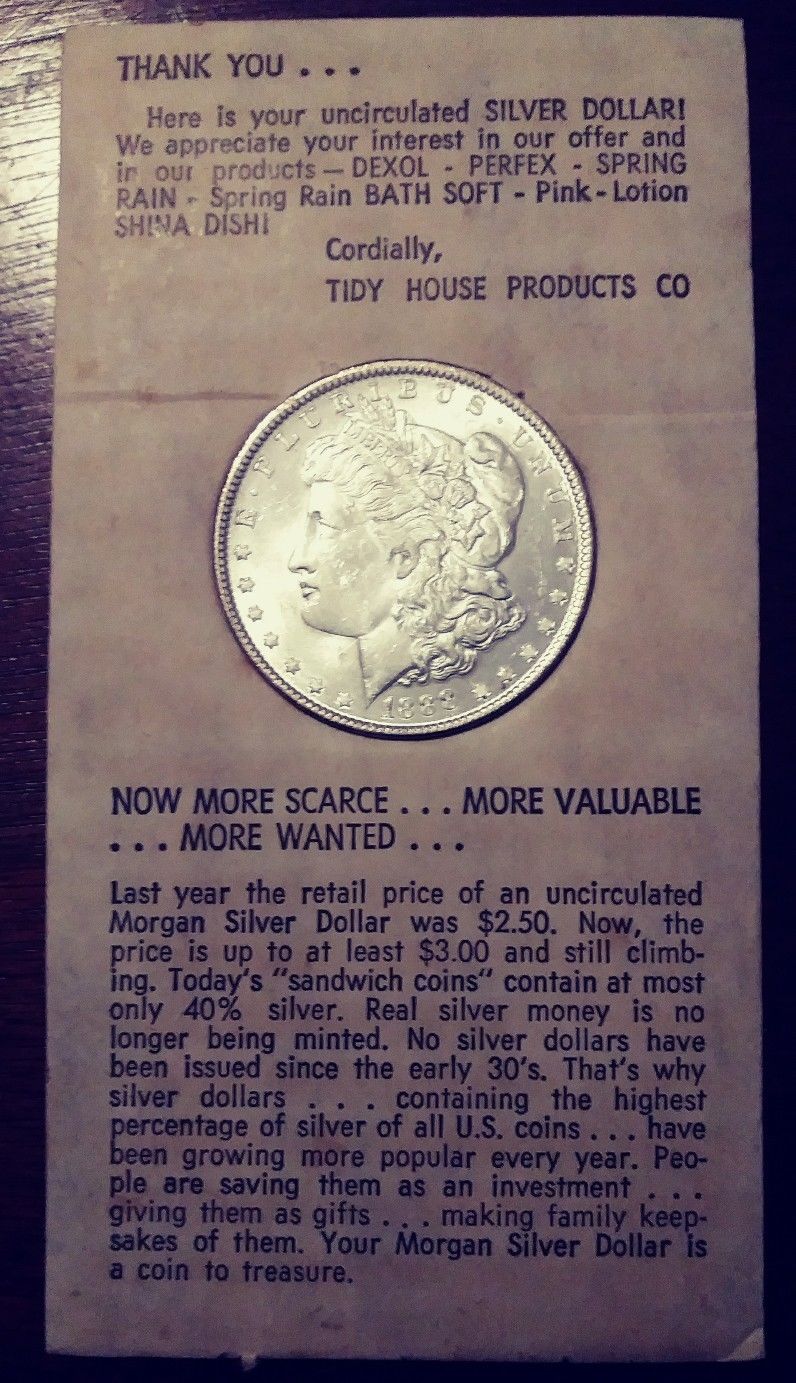 |
|
Moderator
United States
195559 Posts |
Quote: The Tidy House Products Co. apparently gave out Morgan dollars as a promotion to housewives... That would have been a nice surprised. |
|
Bedrock of the Community
United States
11966 Posts |
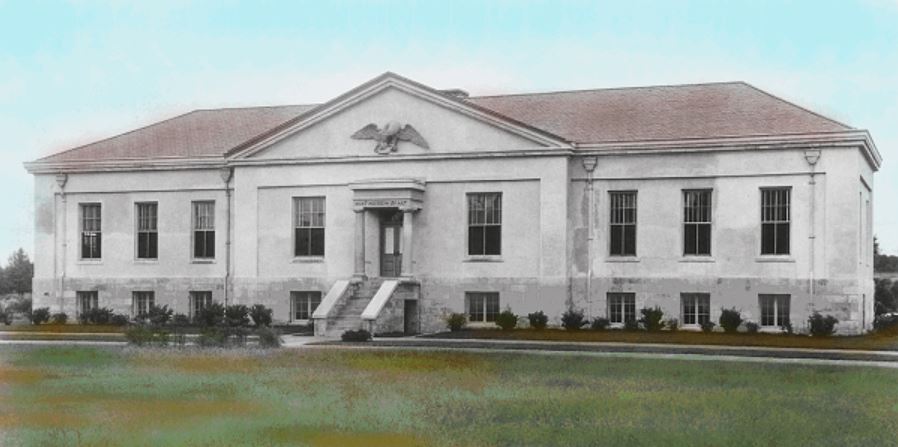 One of the lesser known US branch mints is the Charlotte Mint of Mecklenburg County in North Carolina. This mint was established on March 3 of 1835 due to the growing Carolina Gold Rush. In fact, the first gold mine of the United States was called the Reed Gold Mine, based in North Carolina. This mint came into existence at the same time as the New Orleans Mint in Louisiana and the Dahlonega Mint in Georgia through an Act of Law that President Andrew Jackson signed on this same date. The construction of this mint did not begin until 1836 and opened up for coin production on July 27 of 1837. All of the coins produced here were struck from the refined gold ore brought in from the gold rush until March 28 of 1838. The first coin minted here was the $5 Gold Half Eagle Liberty Without Turban coin. During that same year, the minted some $2.50 Gold Quarter Eagle Liberty Without Turban varieties. In 1849, the Charlotte Mint produced Liberty Head Gold Dollars. All of the coins bear the "C" mintmark and there was over $5 million worth of gold coins minted here. North Carolina seceded from the Union in the month of May, 1861. As a result of this act, the Confederacy took over the mint and began minting coins as well. Eventually, they ran out of bullion and turned the building into military space and a hospital for their troops throughout the rest of the war. These same offices were used by the Union troops during some of the early years of the Reconstruction period after the war. When 1867 came along, the government turned it into an assay office. The Charlotte Assay Office requested permission to be turned back into a branch mint but it was denied. So Charlotte continued assay office work and coining up until 1913 when the gold started to disappear. Eventually it became a Red Cross station that was used during World War I and between 1917 and 1919, the Charlotte Women's Club used to meet up in this same building as well. By the time 1931 came around, the building was set to be demolished so that the post office could expand. Private citizens successfully got control of the building from the US Treasury in 1933 and decided to relocate the building. The building became the "Mint Museum of Art", which was the first art museum founded in the state of North Carolina. They displayed a variety of artworks and a complete gold coin collection from the mint. |
|
Bedrock of the Community
United States
10284 Posts |
Ah-Ha Quote:
Todays "sandwich coins" contain at most only 40% silver Must be a promo from about 1965 or 1966. I didn't see Mom get one of those dollars from Tidy House. $3.00 for a Morgan. I should have spent every allowance on them. But I only got 50 cents a week. You know, I think people must have thought I was making up that term in this post. LOL  LOL http://goccf.com/t/291509#2478087 told ya!  |
|
Valued Member
United States
104 Posts |
Kinda of on the same idea, a Merchant coin. Its kinda common but cool too. 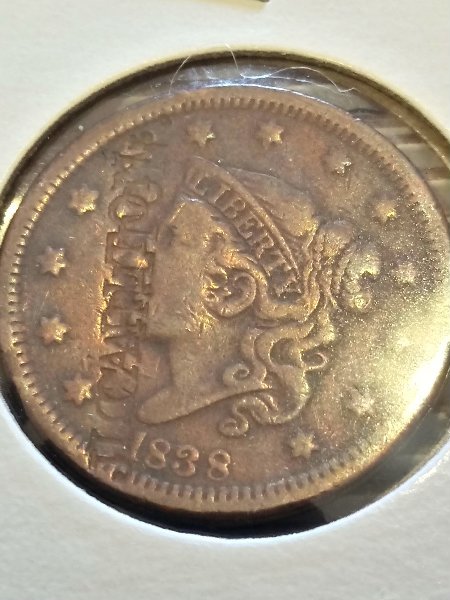 |
|
Bedrock of the Community
United States
11966 Posts |
 to the forum and thread. Thanks for your contribution. ExoGuy is our resident counterstamped coin expert, That is a beautiful coin. Have you been able to track down who the merchant was, and where/when they may have been in business? |
|
Valued Member
United States
104 Posts |
|
| |
Replies: 814 / Views: 111,860 |





 First Page
 Previous Page


 Posted 03/07/2018 11:03 pm