Been trying to see if the crack is inherent in pewter because of its properties. I'm not sure. I think it might be. Pewter is ~89 to 99% tin. Tin though very malleable might crack like that when compressed beyond its limits. Kinda like play dough that's a little dry. I'm really curious. If I find anything else pertinent I'll edit my post. https://en.m.wikipedia.org/wiki/Pewter https://en.m.wikipedia.org/wiki/Tin
EDIT: This might be an interesting person to talk to. Though the pewter alloy in this link might differ from what you have.
It won't let me paste the link. If interested go to Etsy and search "Pewter Coin Blanks".
^^^At some point, I should probably buy a few blanks for reference purposes. I've seen titanium and anodized titanium blanks that were made specifically to be turned into pressed coins.
Metal mixtures are often softer and have lower melting points than pure metals (see also: woods metal, fields metal, etc). This particular token was probably made with fairly soft metal as the edges are noticeably misshapen.
They actually have names and contact numbers for the people who designed it, I tried looking them up but no real leads. That information is 30 years old .
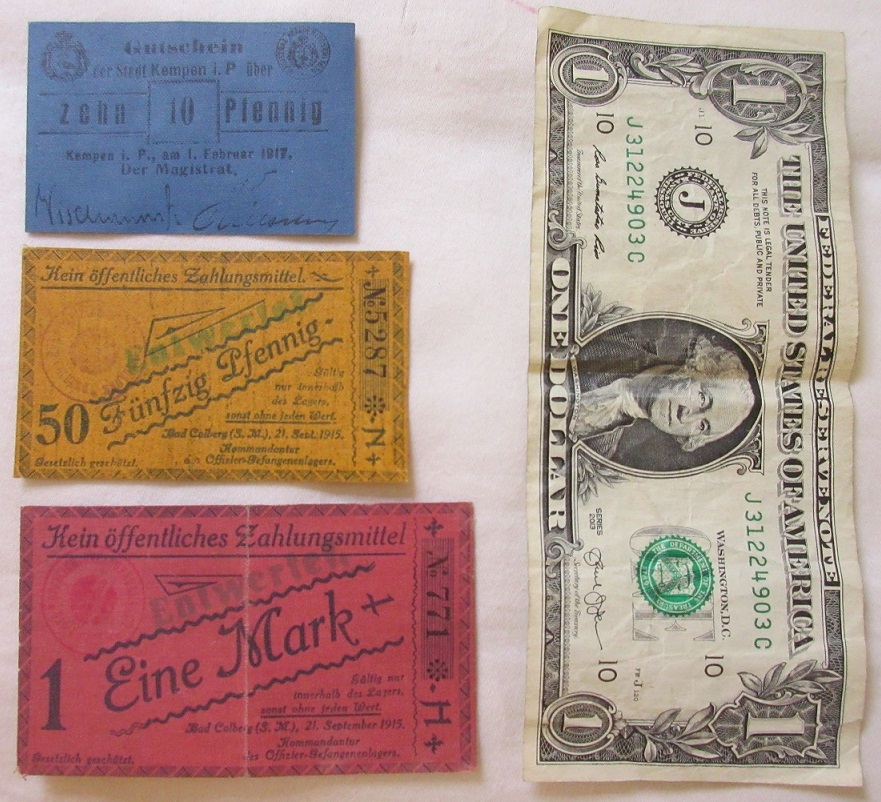
And to compliment the velvet notgelds, oilcloth notgelds. They were smaller than I expected, though I suppose you didn't really need large notes for what they were used for. They feel more or less like a vinyl tablecloth.
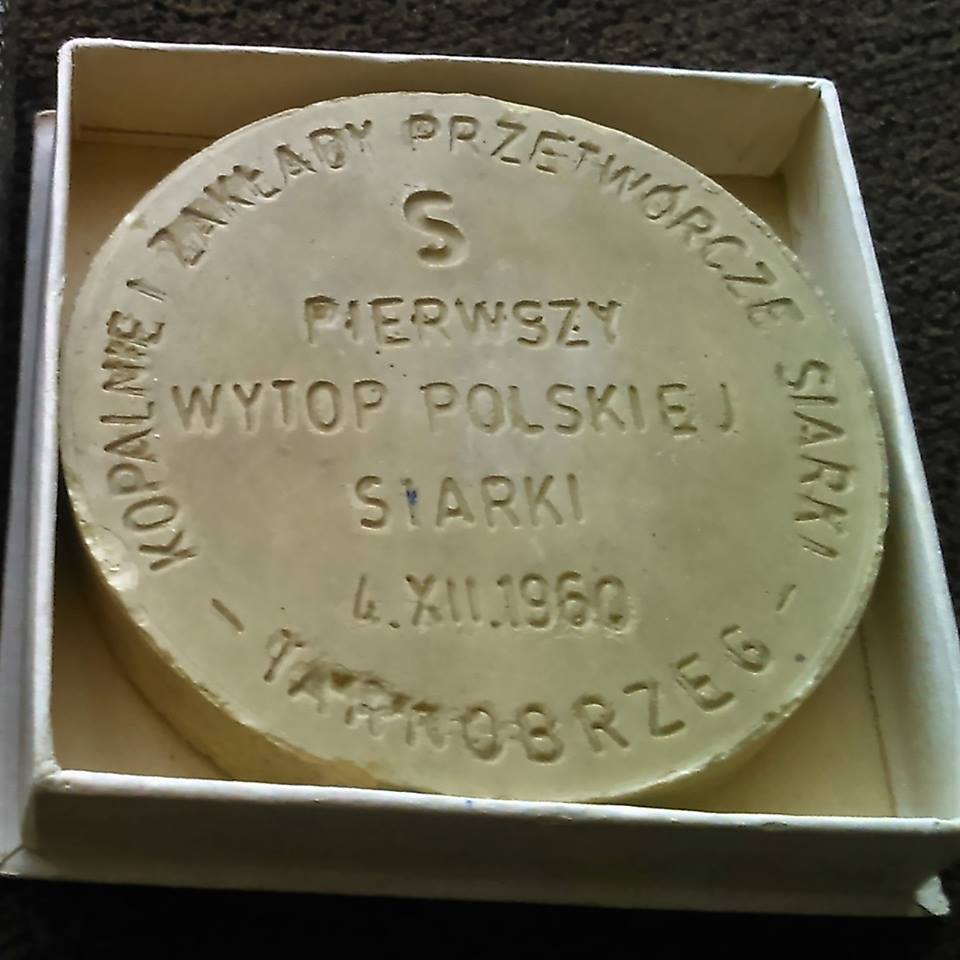
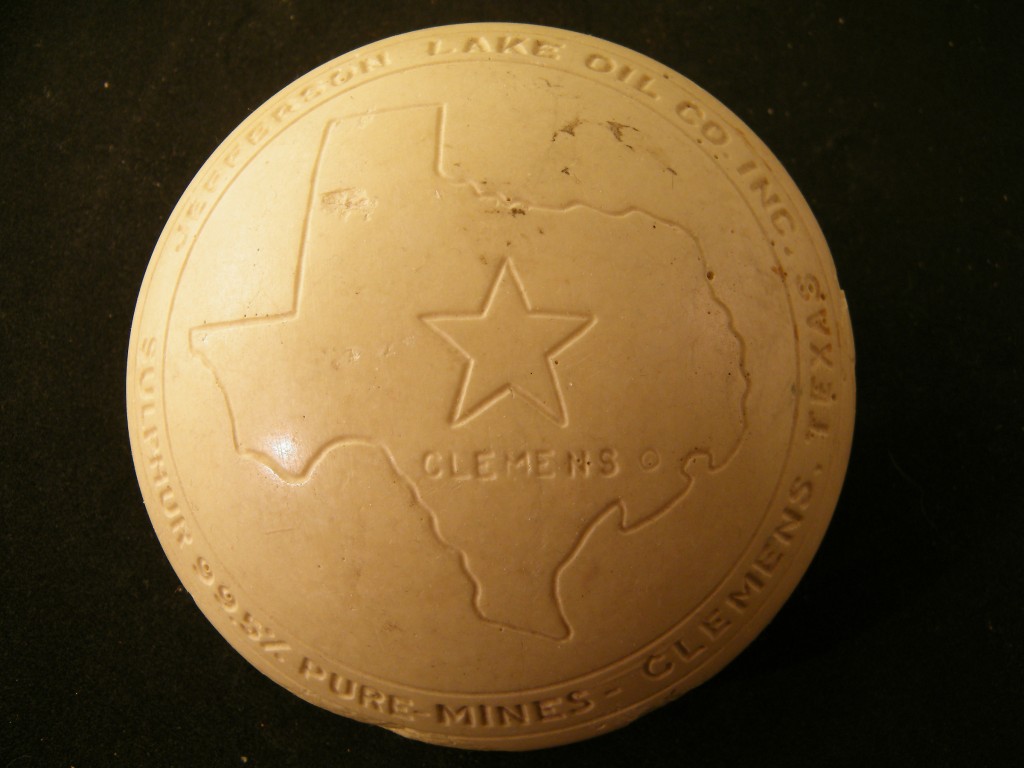
I did a little more research into the sulfur medals and the first one is a polish commemorative mining medal made out of pressed sulfur but the second one from Texas seems to not be a mining medal at all but is a souvenir paperweight made of pressed sulfur. You can't see it from the photo but the second one from Texas should have a domed top and not flat like a medal would be.
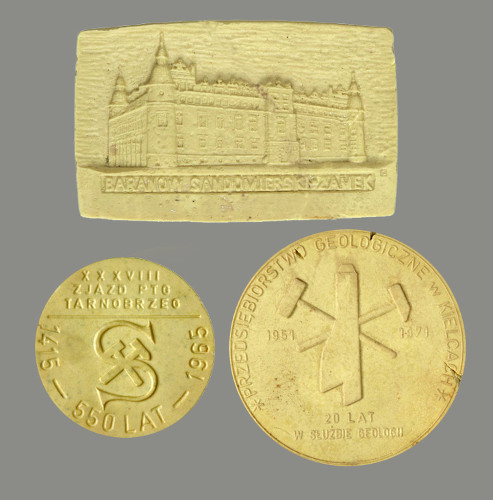
It would seem that Poland actually made a variety of commemorative mining medals made out of pressed sulfur in the 1960's and 1970's. The trouble is that as far as I can tell there is very little information on them that is printed in English. Once you find an article on them in polish you can translate it easily enough using google chrome but searching for them on the internet has proven rather slow going.
Here is an article about them but it's in polish. If you are use google chrome you can right click on the text in the article and click "Translate to English" and it will auto translate the entire article for you.
I don't know the exact size of these two since they are not part of my collection. They are just ones that I came across on the internet but based on other ones that I have come across they are pretty big. Most likely somewhere between 7 and 11 centimeters in diameter.
I'm starting an 'ultimate' list of materials. This is meant to cover every material, including major subtypes, used across ALL of numismatics, from coins all the way through medals and casino chips. This is a preliminary list, I'm hoping it can be added to. (If anybody wants me to name example(s) of any specific material, feel free to ask.)
After this list is completed, I am going to start setting aside things I have and otherwise make a list of things I need to have a complete collection.
Mineral (non-metal) *Clay *Clay-composite *Elemental (pure elements of all types used in medals) *Glass *Glass-mirror *Glass-obsidian *Graphite (coal dust?) *Lava *Mica *Porcelain *Stone-granite
That's an epic list! Very Cool! Thanks for posting!
Some observations: Antimony is in the wrong spot, it's a elemental metalloid and not a vegetable. You may want to add lead and pure nickel under metals, mercury for the mercury silver amalgam used in late Roman Empire coins, your mother of pearl item and the British Crown Composition medals mentioned earlier in this thread.
A few more additions off of the top of my head that I haven't mentioned before:
There is one material that I haven't mentioned since there are only three examples left known to exist: it's a British Pattern made of Palladium Hydrogenium (Palladium that has absorbed hydrogen) from 1869 seen here:
Possible addition to the "composite" list: whatever the so-called "shell cards" were made of. Apparently it's some kind of brass plated cardboard?
Closely related is the advertising token (sometimes said to be fantasy) for the Aux Belles Poules brothel in Paris, also said to be made of brass plated... something. A brief googling got me several different identifications for the "something" (all of them unsourced). Cardboard does sound likely.
I don't really purchase a whole lot of modern coins but I think these are really cool.
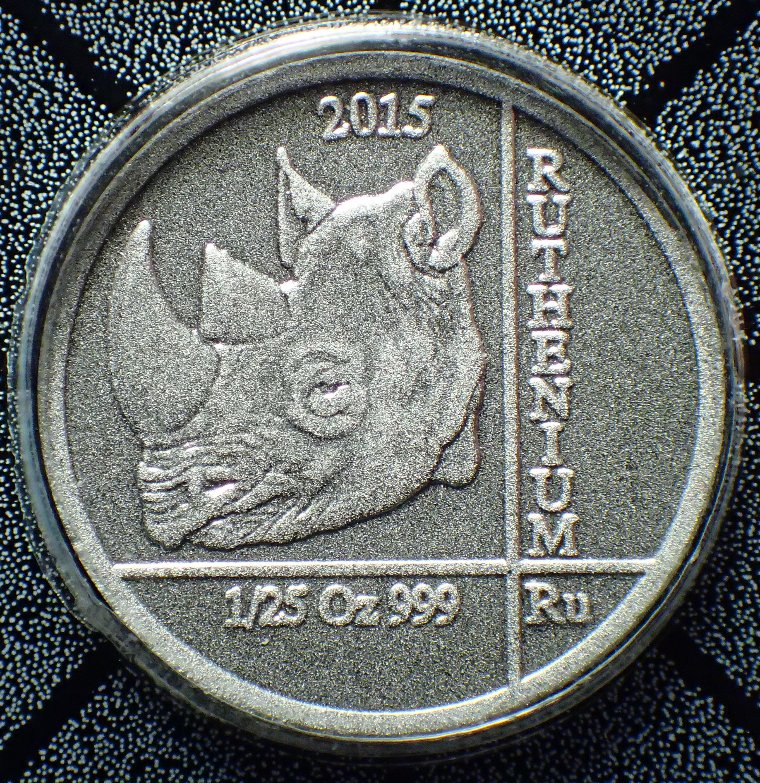
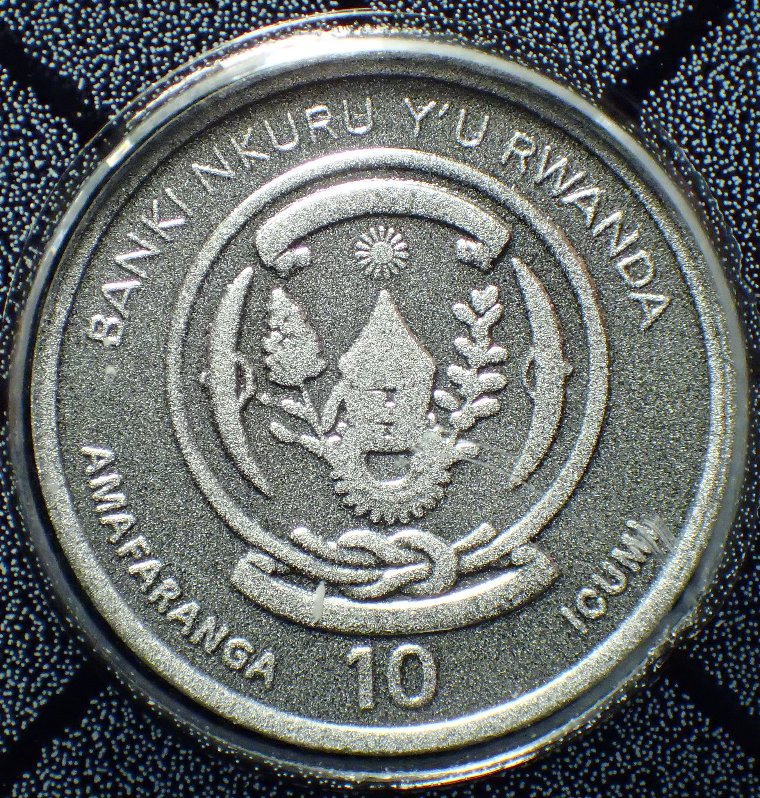
I was recently able to purchase a 2015 Rwandan Noble 7 Set. I had been looking for one of these in a tolerable price range (the original issue price was ridiculously high for what it is in my opinion at about 1500 Euros per set) for a while now but it's a rare set with a low mintage of just one thousand sets. So it took a couple of years for one to pop up on ebay.
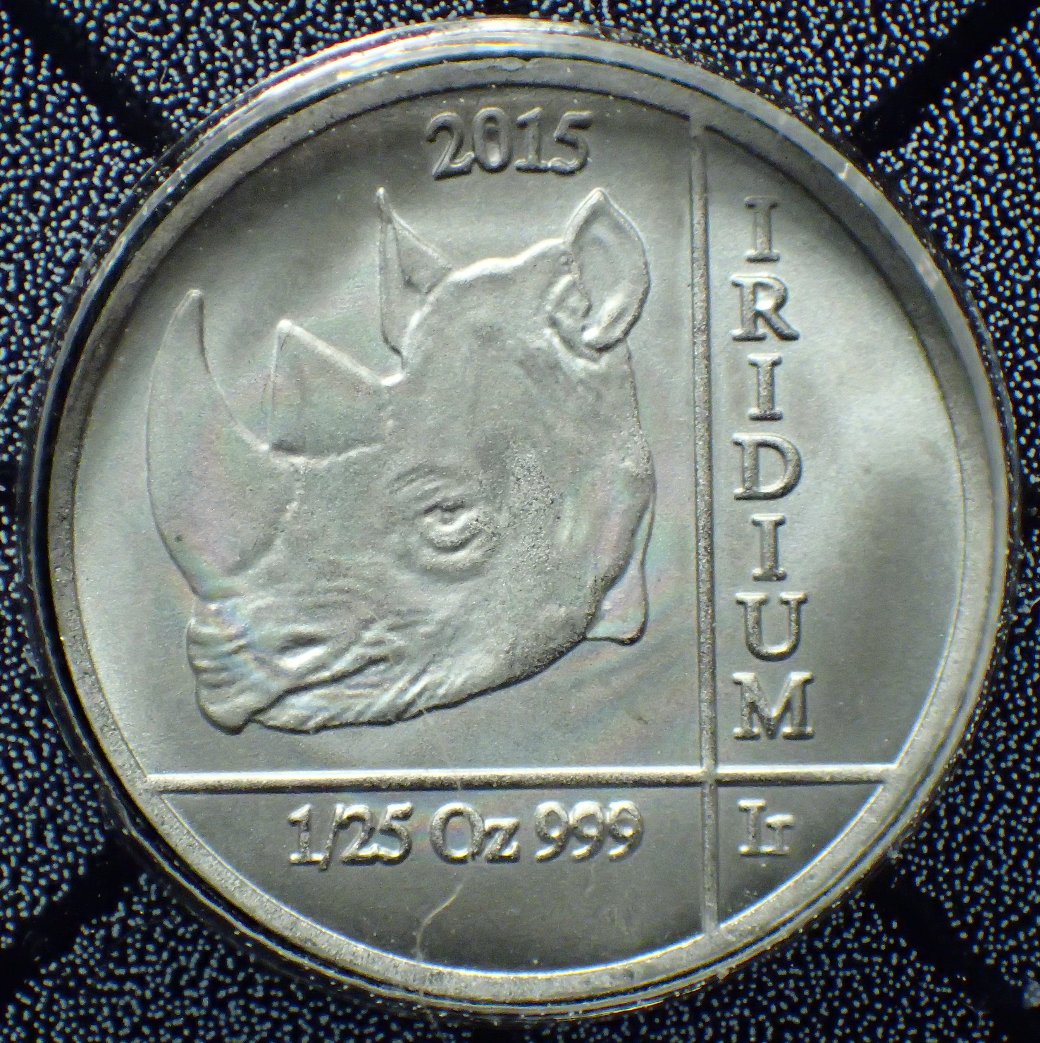
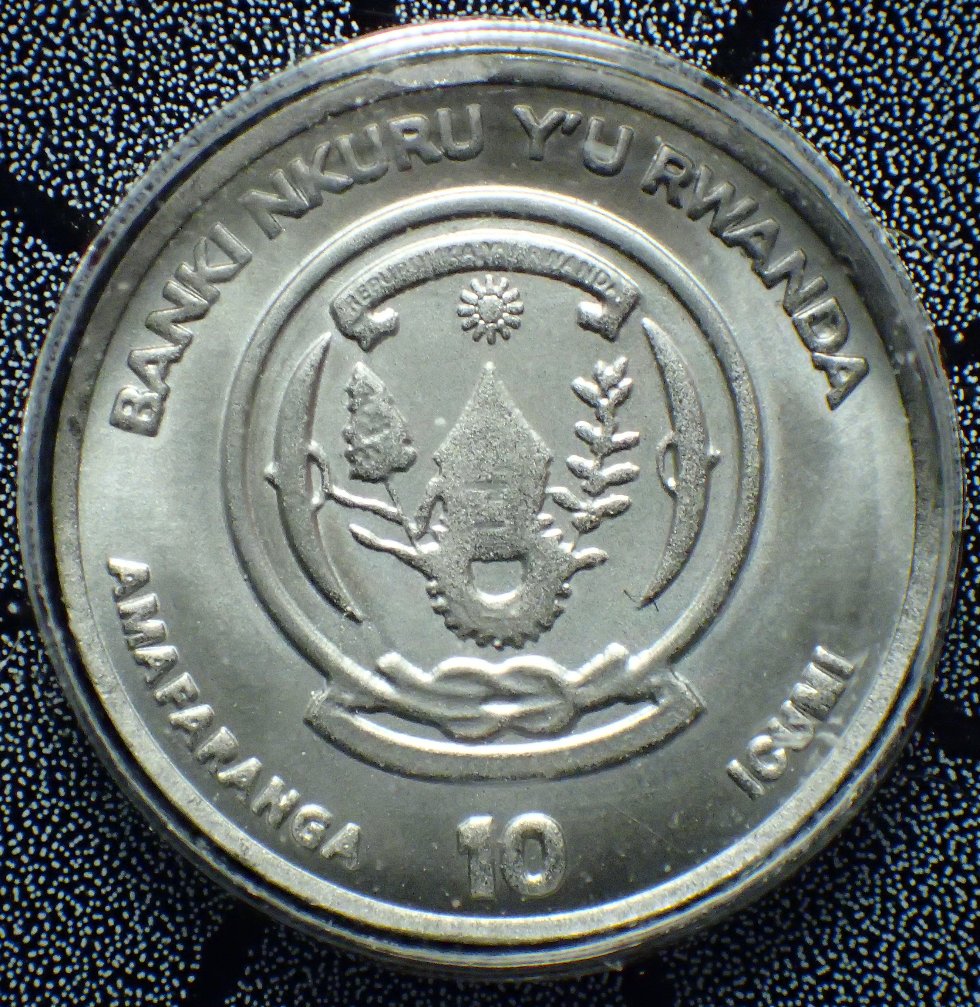
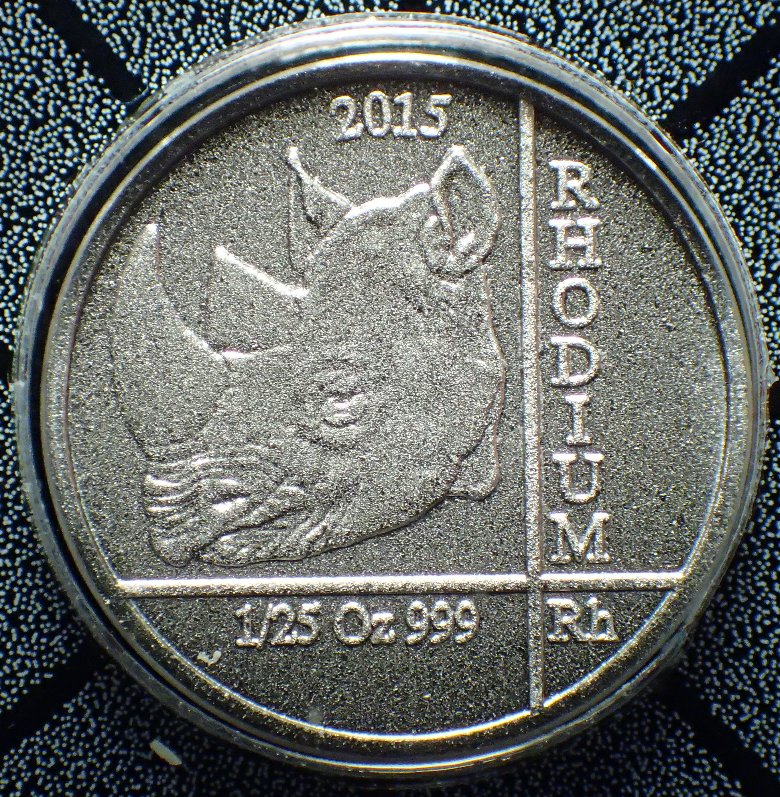
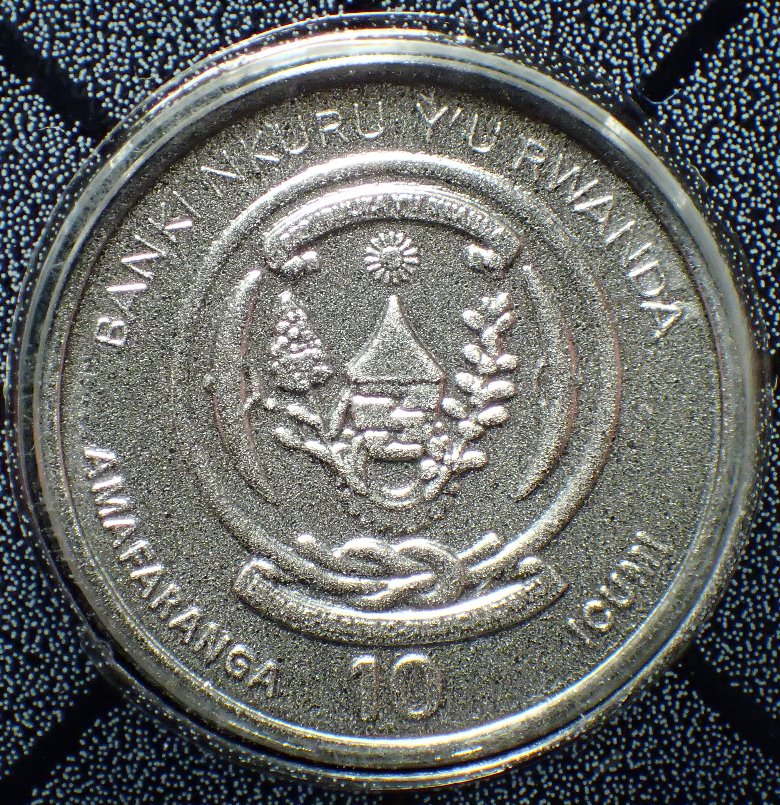
The set is a NCLT set issued and monetized under Rwanda but produced and minted by a private German mint. It has your standard noble/precious metals of Gold, Silver, Platinum and Palladium but the really cool part is that it also contains coins made of Iridium, Rhodium and Ruthenium. These are extremely rare metals and are very hard to mint into coins due to the extreme hardness and brittleness of the metals. As a result the Rwandan Noble Sets are the only time these metals have ever been turned into actual denominated coins.
The coins are rather tiny at 11mm in diameter each, the Gold, Platinum and Palladium coins are the laughable weight of 1/100th of a troy ounce each and the Silver, Iridium, Rhodium and Ruthenium coins are a more respectable weight of 1/25th of a troy ounce each but still rather tiny. The face value is pretty laughable too at 10 Rwandan Francs per coin that is the equivalent of about 1.2 US cents current face value per coin.
Below are the photos of the Iridium, Rhodium and Ruthenium coins from the set. If you would like me to post photos of the rest of the set please let me know.
Some of you may be wondering what Iridium, Rhodium and Ruthenium are. So if you are interested below the photos of each coin is a link to a short Youtube video that I came across that talks about each of those metals in detail.
Disclaimer: While a tremendous amount of effort goes into ensuring the accuracy of the information contained in this site, Coin Community assumes no liability for errors. Copyright 2005 - 2026 Coin Community Family- all rights reserved worldwide. Use of any images or content on this website without prior written permission of Coin Community or the original lender is strictly prohibited. Contact Us | Advertise Here | Privacy Policy / Terms of Use








 First Page
 Previous Page


 Posted 06/17/2018 11:47 am


 .
.