I've been keeping an eye out on that noble 7 set. The biggest thing that's keeping me back is the price-to-metal ratio. I'm trying to force myself to save more for August! I know the amount of metal in them is incredibly small. But yeah, this is something I'm going to get eventually. There's someone on ebay that regularly tries to sell a set.
I'm not sure how I should classify shell cards. I think they're two pieces of brass 'glued' together the way clamshells or such would be. If I can figure them out, I'll probably add them in as a major variety. I was also relatively unsure of what to do with relic metal coins (the Scottish gun money, and so on) and have to think that out more.
And I know I have to do more on the bimetallics and composites.
Quote: The biggest thing that's keeping me back is the price-to-metal ratio.
Yeah, I know what you mean, I picked up this Noble 7 Set for about $755 all in which is almost $1100 less than the original issue price and I still feel like I over paid for it.
Here is another interesting one that I acquired recently.
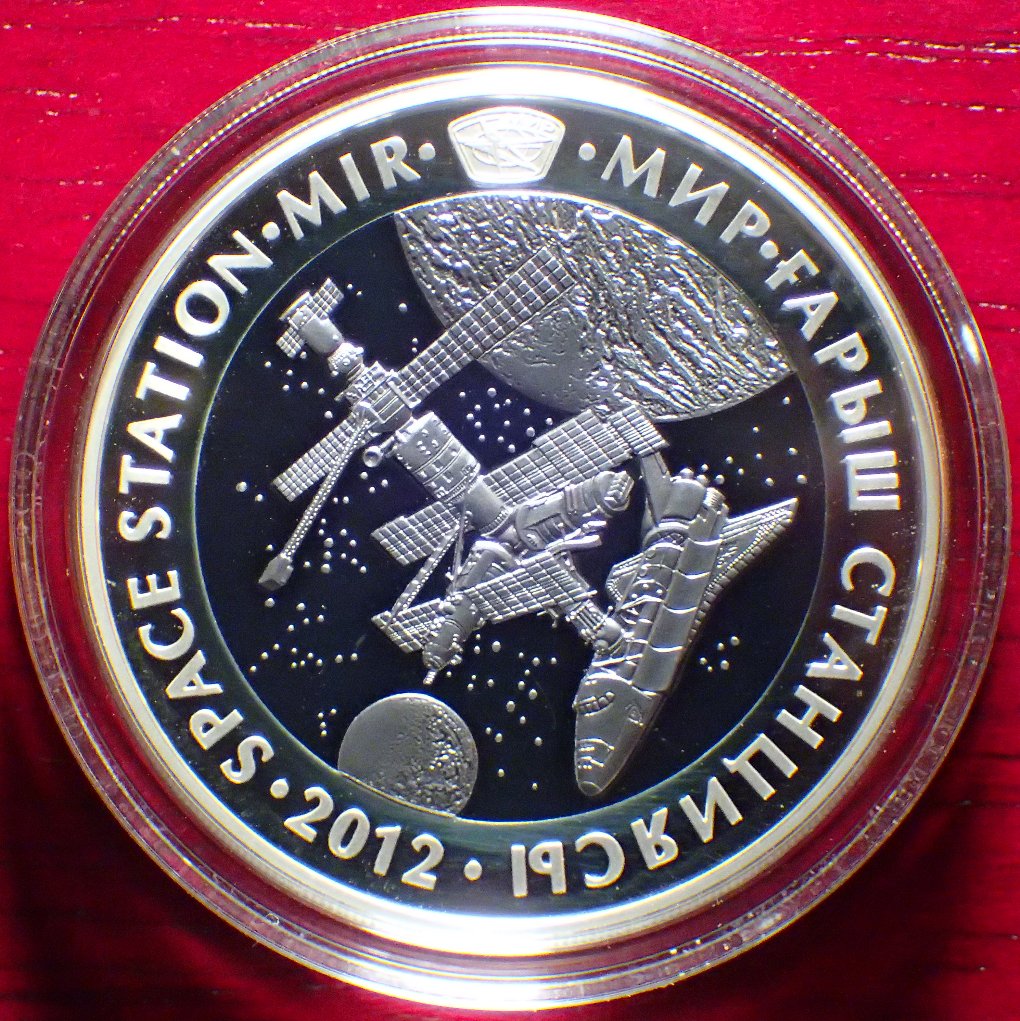
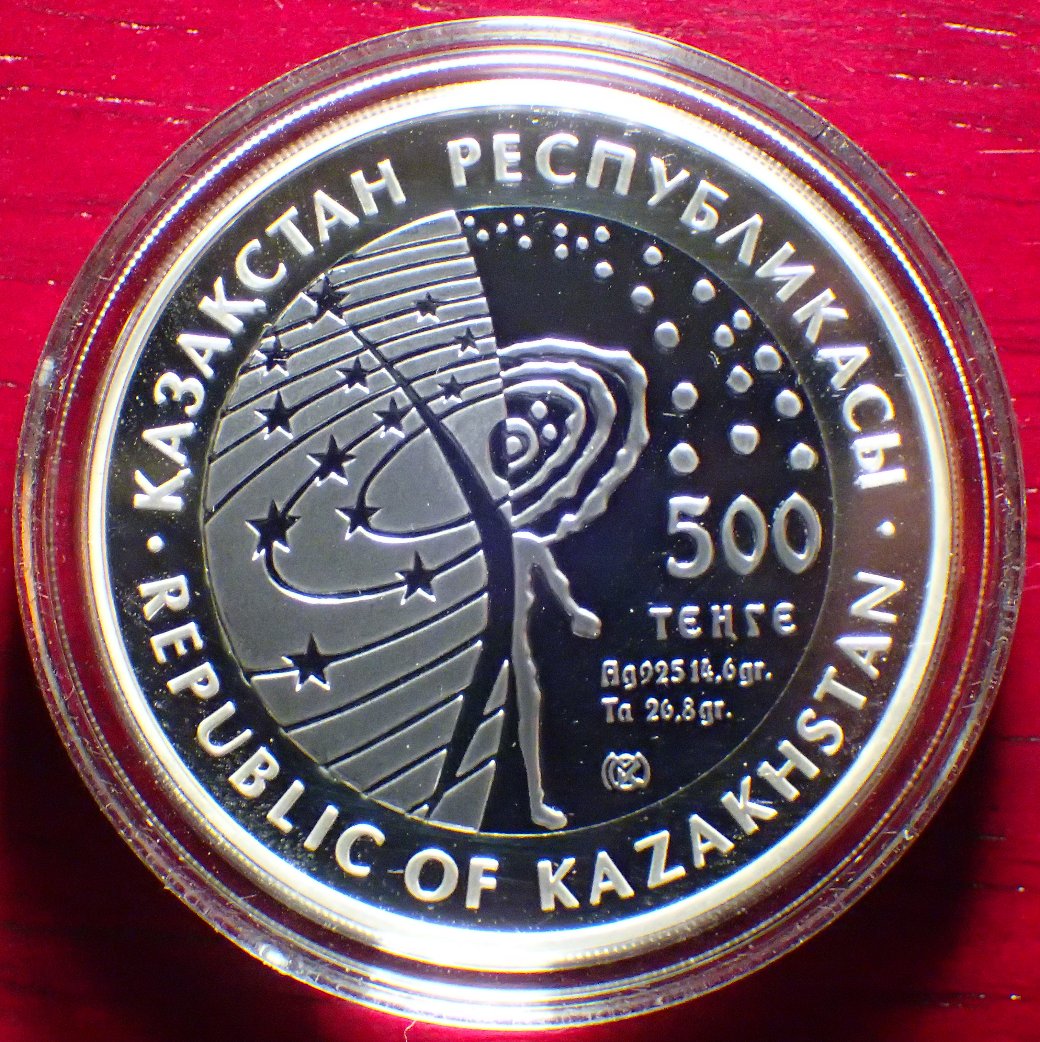
It's a 2012 Kazakhstan 500 Tenge Bi-metallic Silver/Tantalum coin with the interior disk made of Tantalum and the exterior ring made of Silver.
If you are wondering what Tantalum is below the photos of the coin is a short youtube video that goings into detail about what Tantalum metal is used for.
I particularly like this one. It's a very well made and beautiful coin in hand. The dark Tantalum metal which is naturally kind of a purplish black in color really makes the interior design really pop. The photos just don't do it justice.
755 is pretty good for that, if I had seen it at that price I probably would've taken it. I'm watching one where someone wants 1300 OBO at the moment; I regularly see the 2013 set of 5 end at about 425 by auction, and was figuring about 800 for the 2015 set as a reasonable price.
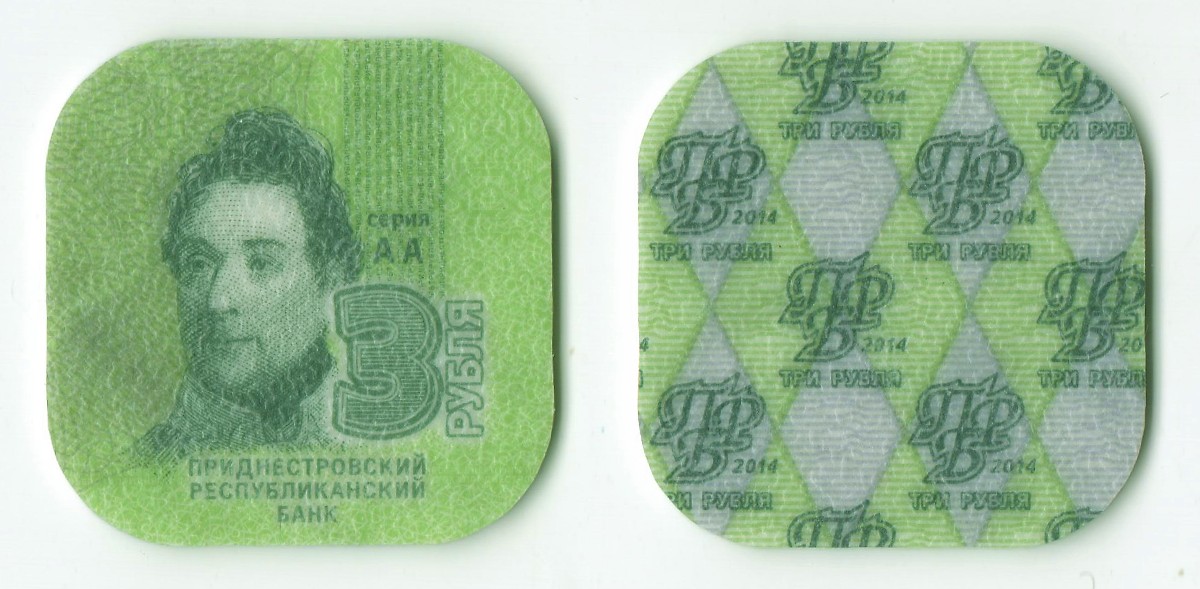
Apparently the Korean 10 won that comes in two varieties of brass: 1966-1970, 88%Cu/12%Zn ("bronze") and 1970-1982 65%Cu/35%Zn ("brass"). Side by side, they might be nice example pieces; they are supposedly the same size and weight which is something I'll check if I get them.
Assuming that they actually are the same size and weight it still should be relatively easy to tell the difference between the two different materials since they would have to be different thicknesses since zinc is of a lesser density than copper.
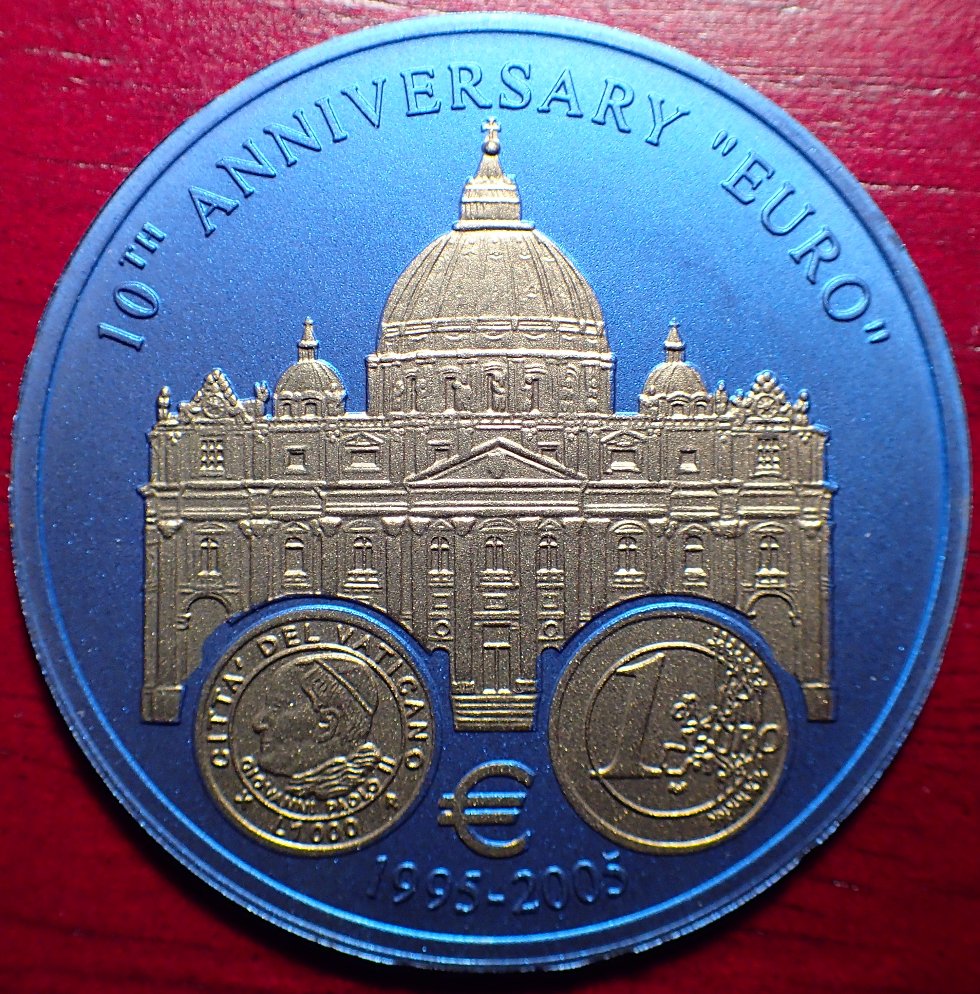
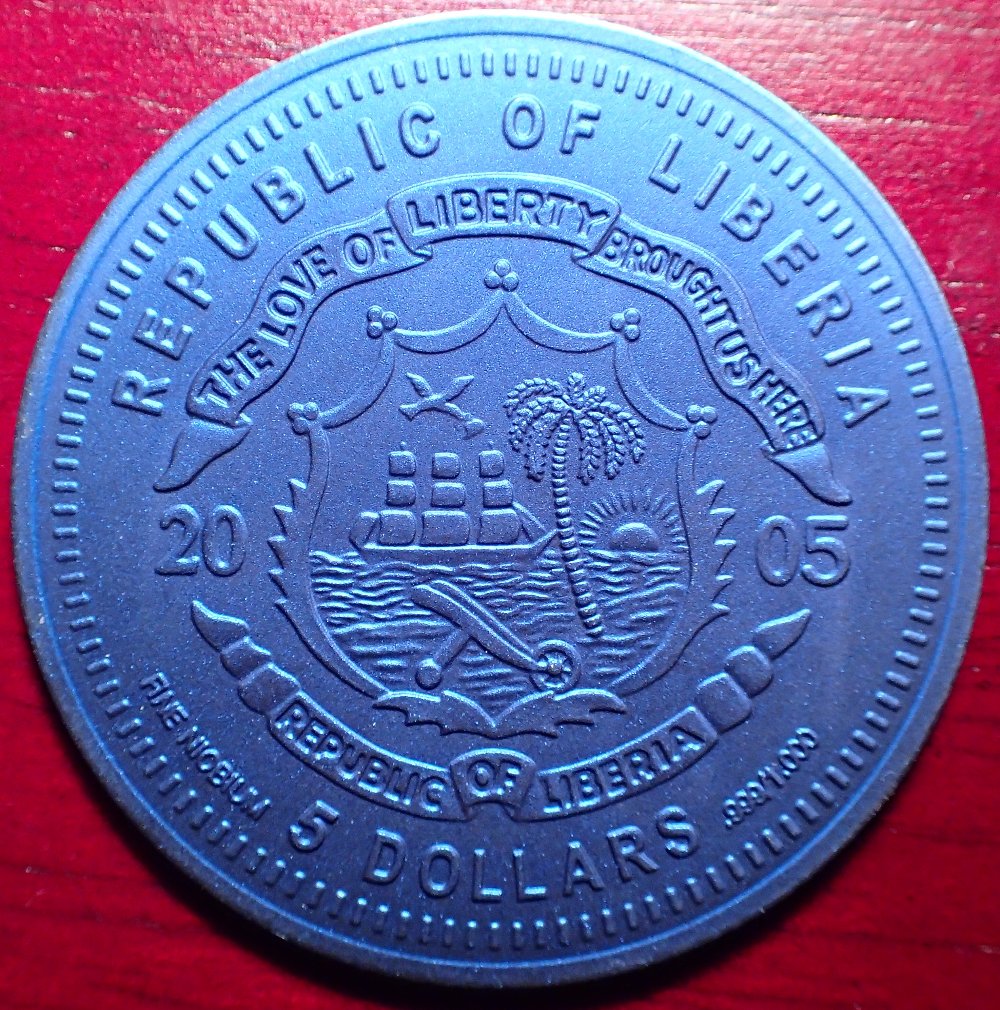
Here is another one that I acquired recently. It a 2005 commemorative coin from Liberia made out of pure Niobium. The coin is not colorized but is actually anodized.
If you are not familiar with what Niobium is and you're interested, below the photos of the coin is a short youtube video that goes into detail about what Niobium metal is used for.
Quote: Here is another one that I acquired recently. It a 2005 commemorative coin from Liberia made out of pure Niobium. The coin is not colorized but is actually anodized.
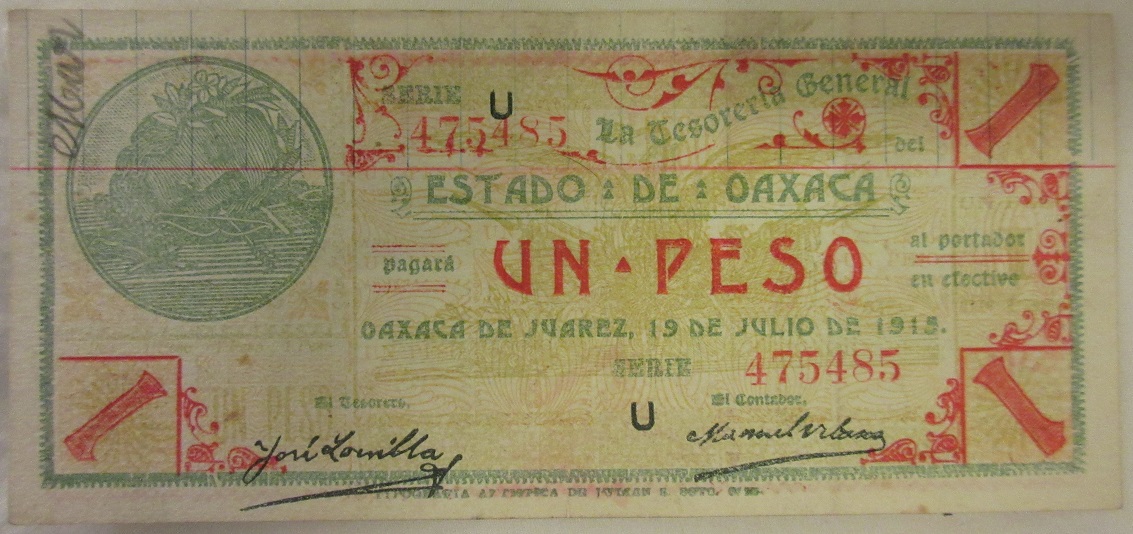
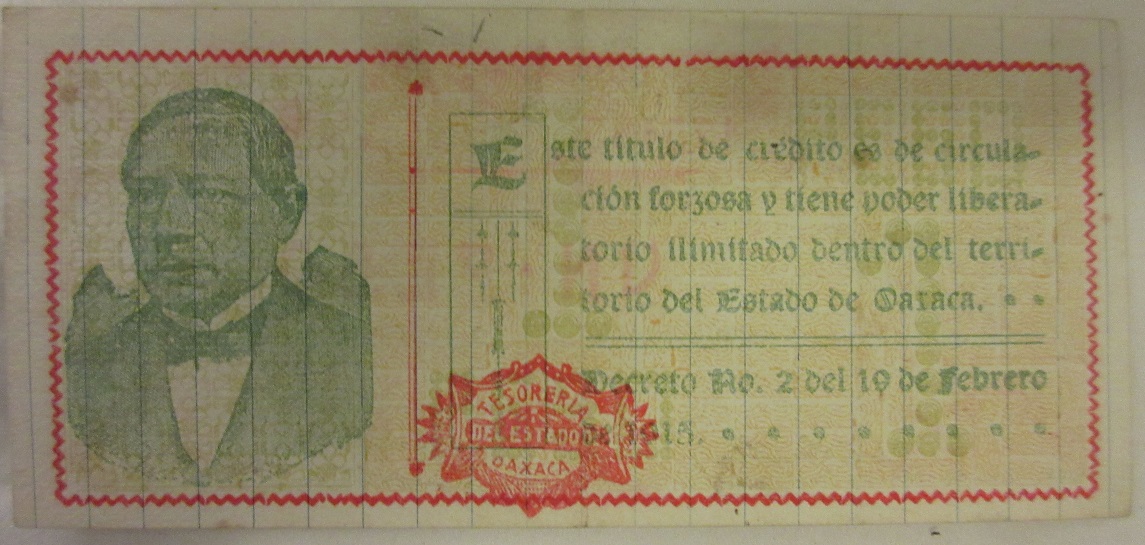
Here's a Mexico 1 peso, 1915, that was printed on ledger paper. This one was used a little for writing (upper left) before being chopped up and turned into money.
Quote: Here's a Mexico 1 peso, 1915, that was printed on ledger paper. This one was used a little for writing (upper left) before being chopped up and turned into money.
Very interesting!
Quote: It really reminds me of the American Civil War currency notes that were printed on wallpaper, as seen in the link below:
Disclaimer: While a tremendous amount of effort goes into ensuring the accuracy of the information contained in this site, Coin Community assumes no liability for errors. Copyright 2005 - 2026 Coin Community Family- all rights reserved worldwide. Use of any images or content on this website without prior written permission of Coin Community or the original lender is strictly prohibited. Contact Us | Advertise Here | Privacy Policy / Terms of Use








 First Page
 Previous Page


 Posted 07/26/2018 05:20 am