| Author |
 Replies: 51 / Views: 11,190 Replies: 51 / Views: 11,190 |
|
|
|
Pillar of the Community
 United States
1101 Posts |
That's a real nice double Cud! Thanks for adding that one. |
|
Pillar of the Community
United States
1101 Posts |
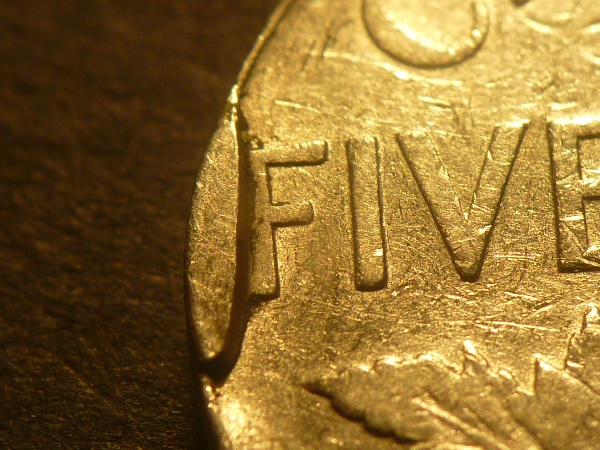
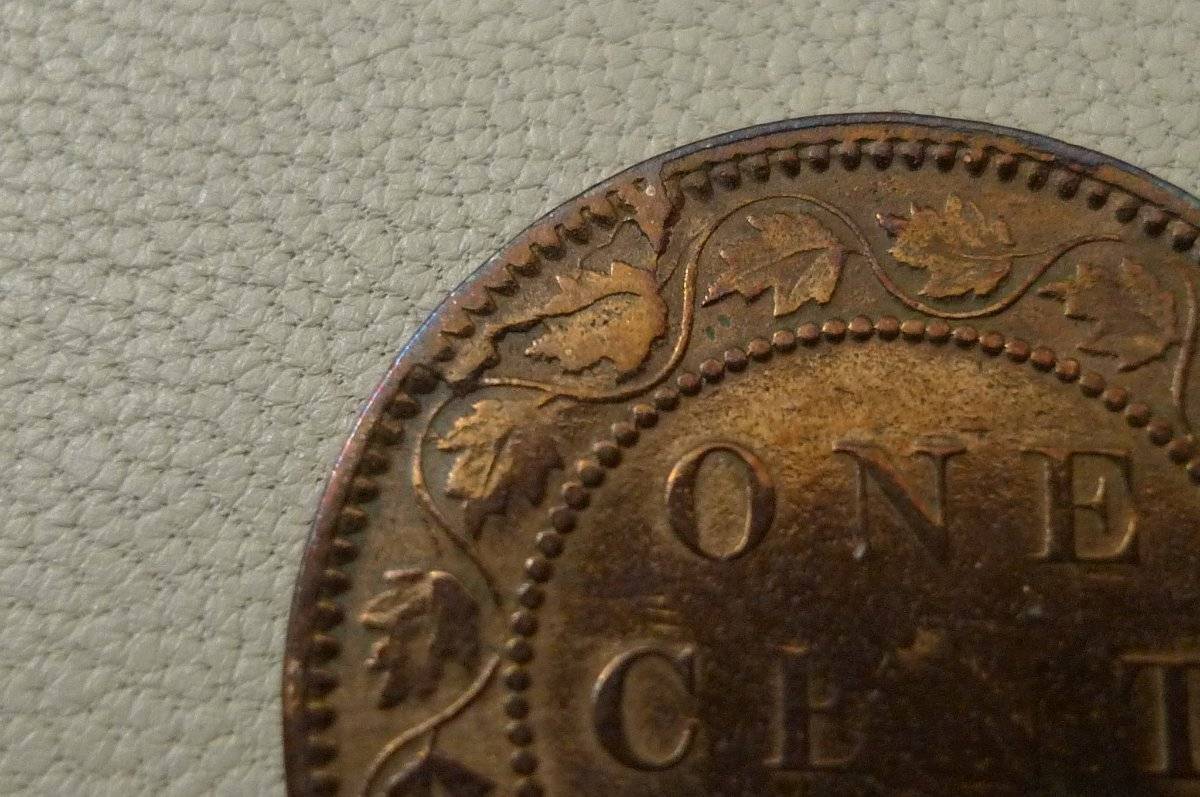
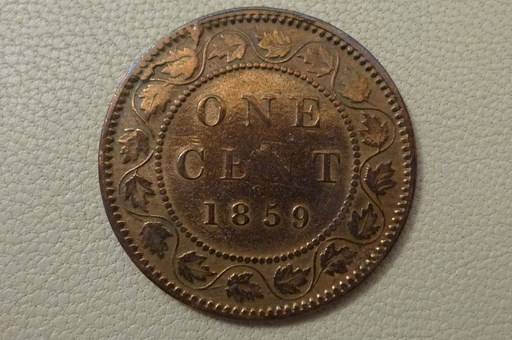
This is an 1859 cent that I think should qualify as a Retained Cud. Here is a photo of part of the reverse from leaves 13-16. It is a late state Haxby PC59-77a1. There is a lot of lateral displacement at the leaf 16 side of the Retained Cud. 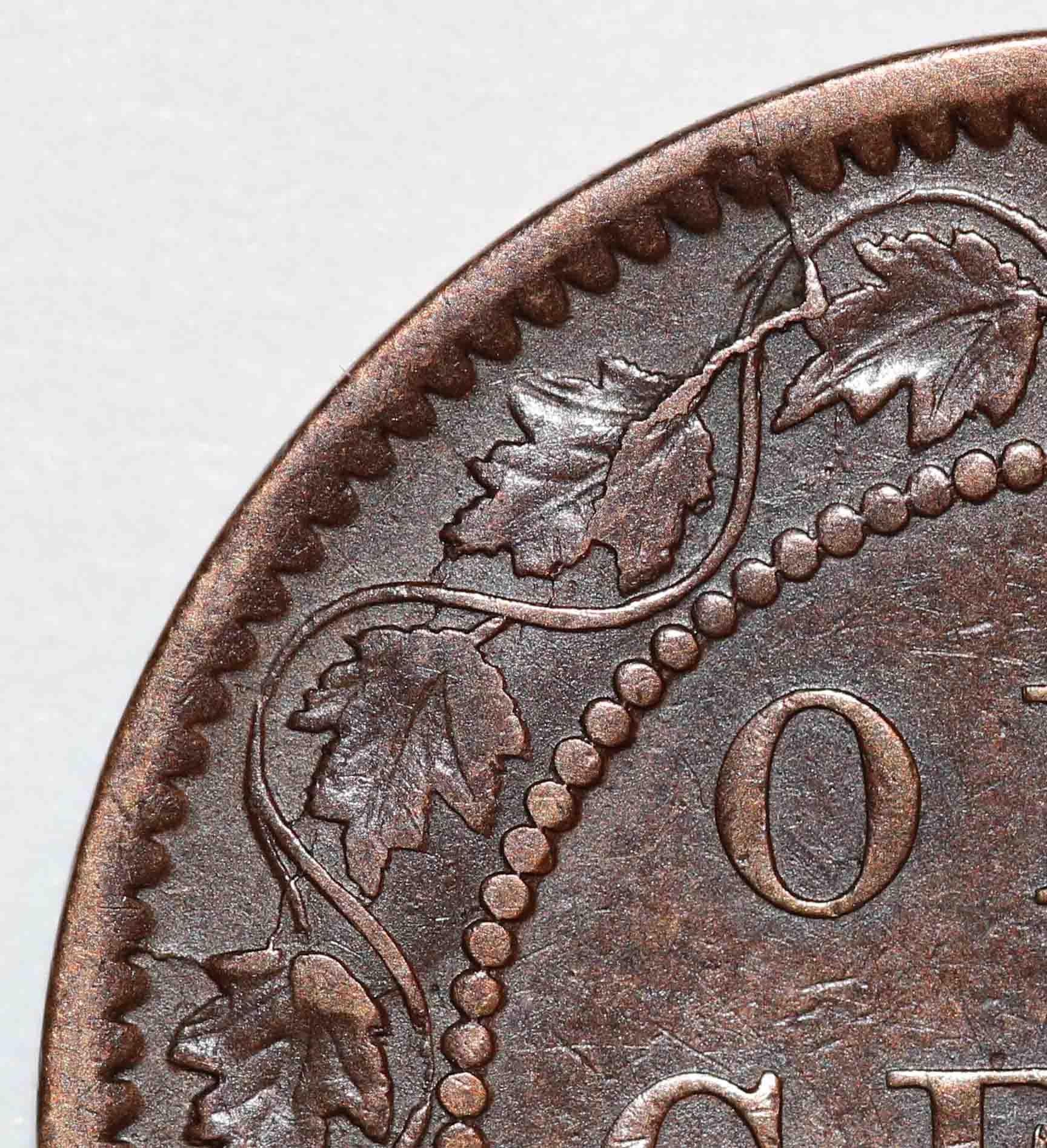 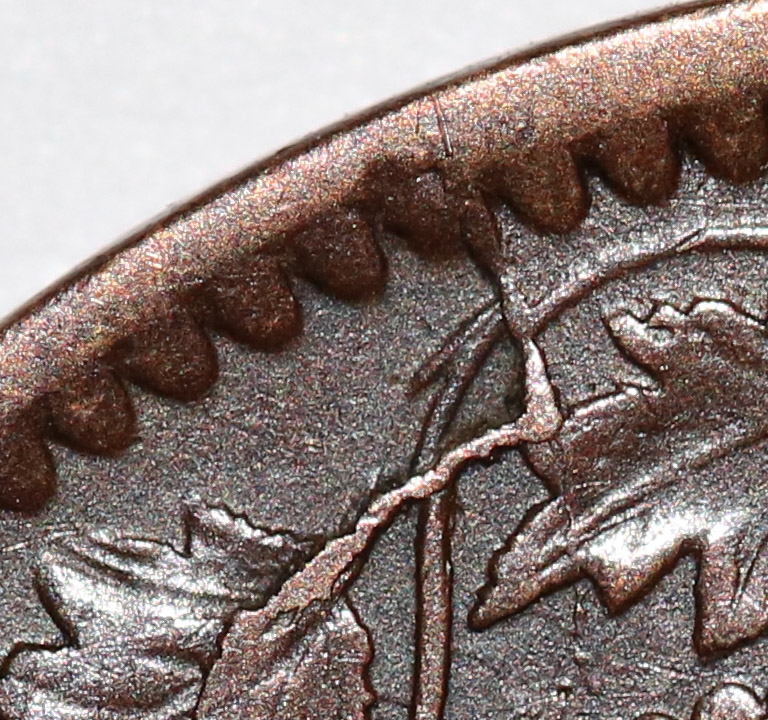 |
|
Pillar of the Community
Canada
1265 Posts |
Hi Phil310, Nice coin but in this state would this not be referred to as a retained broken die? I was under the impression if a die with a retained break was to continue in use it would or could become displaced and then create a Cud. I'm certainly not challenging your judgement on this as I know very little on the subject I only ask to get a clearer understanding of this for myself. Cheers, Bill |
|
Moderator
 Canada
10472 Posts |
 with Hounddog here... retained broken die is what I would call that one. "Discovery follows discovery, each both raising and answering questions, each ending a long search, and each providing the new instruments for a new search." -- J. Robert OppenheimerContent of this post is licensed under a Creative Commons Attribution-NonCommercial 3.0 Unported License. See: http://creativecommons.org/licenses...0/deed.en_USMy eBay store
|
|
Pillar of the Community
United States
1101 Posts |
Thanks for the clarification of terms on this one Houndog and SPP. I'm still trying to figure out the correct way to describe these. I was basing my call on the definition on the " Cuds on coins" website of a " Retained Cud" as a coin with a die crack from rim to rim with vertical or lateral displacement. But "retained broken die" sounds a lot more accurate. Thanks! Would this one I posted earlier in this thread also be considered a retained broken die? I would assume so as long as there is still some coin design to show the broken part is retained. 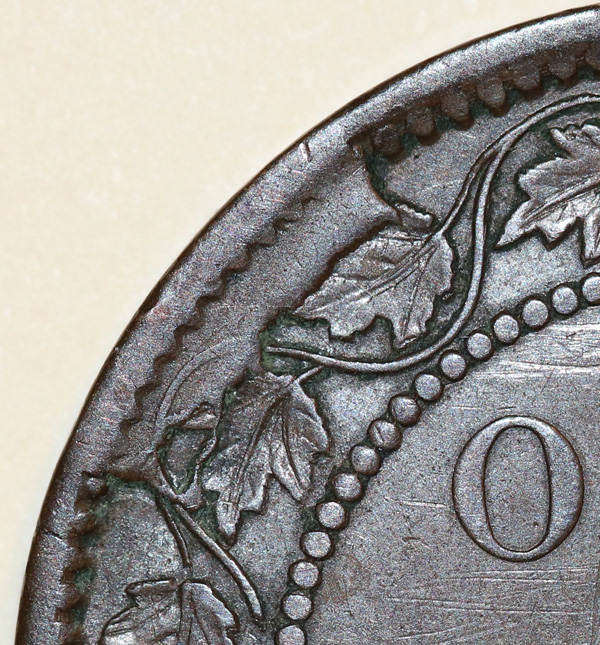 Edited by Phil310
06/13/2018 11:04 am
|
|
Bedrock of the Community
United States
78077 Posts |
Yep, that would be considered a Retained Cud, since there's some detail left and the piece hasn't completely broken away yet. Nice find and congratulations! Errers and Varietys.
|
|
Pillar of the Community
United States
1101 Posts |
I'm beginning to think that this is one of those terms that differ between U.S. and Canadian collectors. It seems the U.S. collectors refer to it as a " Retained Cud" while the Canadian collectors refer to it as a "retained broken die". Since I'm a U.S. collector of Canadian cents, I'm a little confused. I have to say that "retained broken die" actually sounds more accurate, since it is part of the die that is "retained" and the " Cud" or " Retained Cud" is what appears on the coin as a result. I would welcome any comments as to which of these terms you like and why. |
|
Pillar of the Community
Canada
1265 Posts |
"Since I'm a U.S. collector of Canadian cents, I'm a little confused. I have to say that "retained broken die" actually sounds more accurate, since it is part of the die that is "retained" and the " Cud" or " Retained Cud" is what appears on the coin as a result." I would agree with this statement. I have always believed that a Cud is the result of a broken die and created when the coin is struck. If the broken die is retained then there is no Cud produced once the retained portion shifts enough and moves to a different level then the rest of the die then a Cud will be produced. To me the term Retained Cud doesn't make any sense and is misleading to what actually happens, you can retain a broken die in a position to create a Cud or the piece can be dislodged completely and produce a Cud but I would never call either a Retained Cud. Just my opinion. Cheers, Bill |
|
Bedrock of the Community
Canada
24885 Posts |
|
|
Pillar of the Community
United States
1101 Posts |
That's a nice one Dorado! It's a very late state of the I3 reverse die. Haxby die pair PC59-412.
Thanks for sharing it!
|
|
Moderator
Canada
10472 Posts |
I picked this one up in October, from a dealer in southern Ontario. This one is now my oldest small cent error coin. A nice die break with Cud, in a decent AU grade. 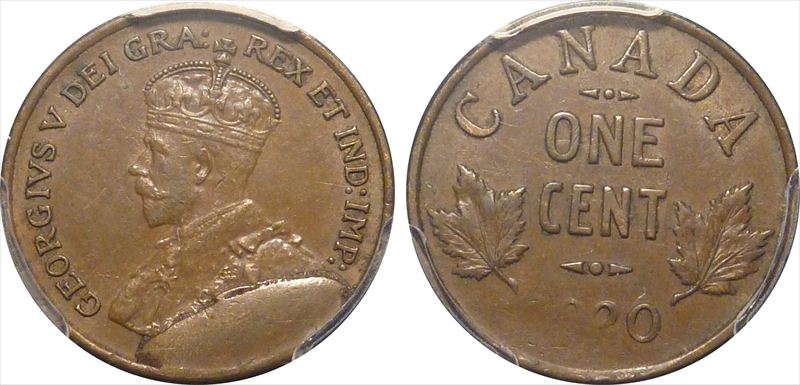 "Discovery follows discovery, each both raising and answering questions, each ending a long search, and each providing the new instruments for a new search." -- J. Robert OppenheimerContent of this post is licensed under a Creative Commons Attribution-NonCommercial 3.0 Unported License. See: http://creativecommons.org/licenses...0/deed.en_USMy eBay store
|
|
Pillar of the Community
United States
1101 Posts |
That is a fantastic Cud Roger, and on the obverse side! Do you know if large Cuds are more often seen on the obverse or reverse on small cents? |
|
Moderator
Canada
10472 Posts |
"Discovery follows discovery, each both raising and answering questions, each ending a long search, and each providing the new instruments for a new search." -- J. Robert OppenheimerContent of this post is licensed under a Creative Commons Attribution-NonCommercial 3.0 Unported License. See: http://creativecommons.org/licenses...0/deed.en_USMy eBay store
|
|
Pillar of the Community
Canada
2303 Posts |
lol thought you lost it!!!
|
|
Valued Member
Canada
321 Posts |
Edited by Dollar 1935
01/28/2020 01:05 am
|
| |
Replies: 51 / Views: 11,190 |








 First Page
 Previous Page


 Posted 06/12/2018 7:45 pm


 -
-